
 EN


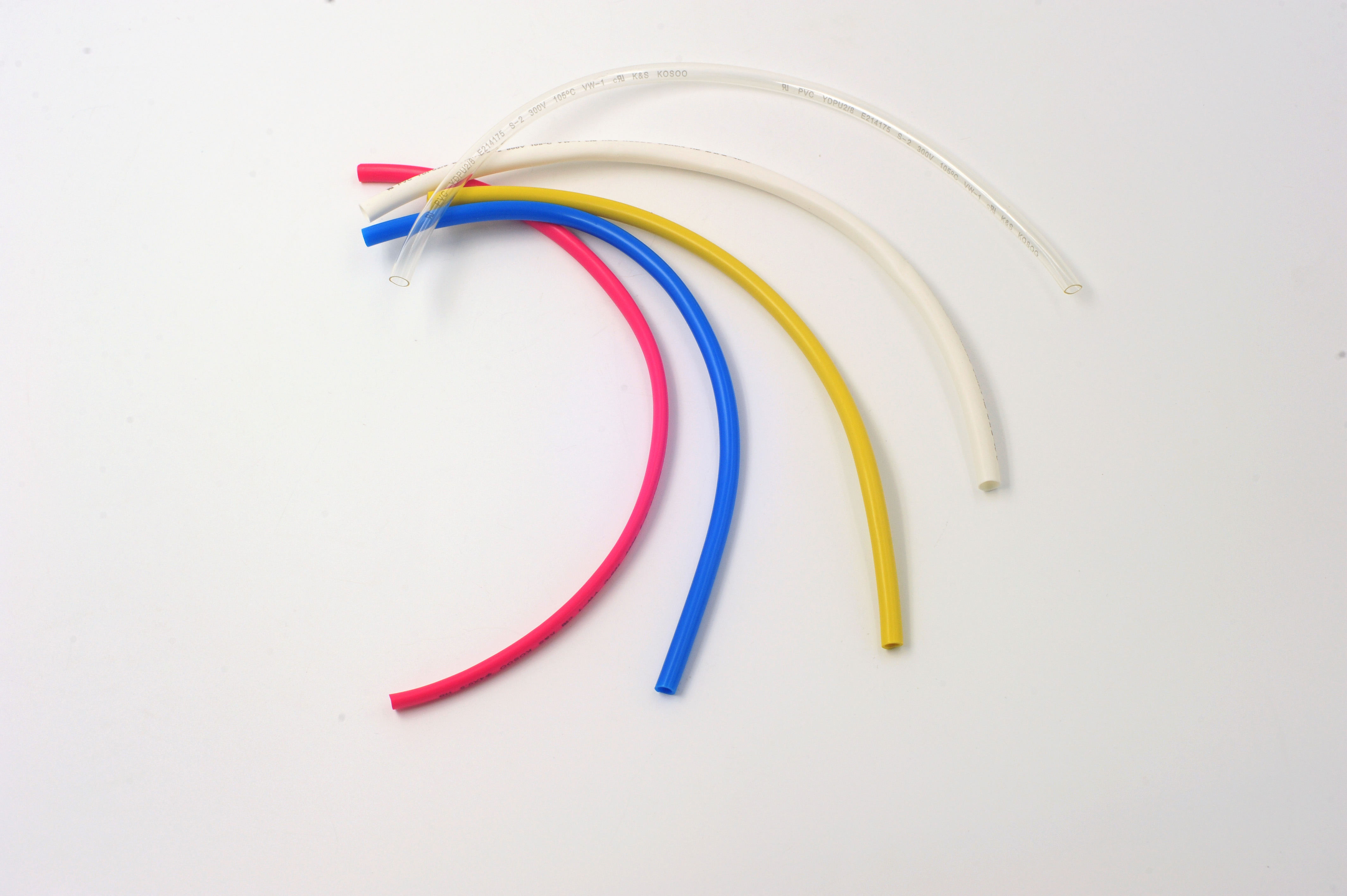
The automotive industry relies on countless specialized components to ensure vehicle safety, durability, and performance. Among these critical materials, the pvc tube has become an indispensable solution across multiple vehicle systems. From protecting electrical wiring to managing fluid pathways, pvc tube applications in automotive engineering address specific functional and regulatory requirements that manufacturers cannot ignore. Understanding where and why pvc tube is used helps engineers, procurement specialists, and facility managers make informed decisions about component selection and vehicle design.

In modern automotive applications, pvc tube serves as a proven material for containment, protection, and routing of various systems within vehicles. The versatility of pvc tube lies in its chemical resistance, thermal stability, and cost-effectiveness compared to alternative materials. Automotive engineers specify pvc tube when they need a reliable barrier that withstands mechanical stress, thermal cycling, and exposure to fluids and solvents common in vehicle environments.
Electrical Wiring Protection and Routing
Raceway and Conduit Applications
One of the most critical uses of pvc tube in automotive systems is as electrical raceway and conduit. Modern vehicles contain extensive wiring harnesses that carry power, signal, and communication lines throughout the chassis and body. These wires must be protected from mechanical damage, moisture intrusion, and electromagnetic interference. A pvc tube designed as electrical raceway provides this protection while offering ease of installation and maintenance. The pvc tube specification for automotive electrical applications typically includes UL listing and compliance with automotive electrical standards, ensuring that the material meets rigorous safety requirements before vehicles reach assembly lines.
Underbody Wiring Management
Underbody wiring in automotive systems faces extreme environmental conditions including road salt, moisture, temperature fluctuations, and mechanical vibration. pvc tube used in underbody applications must resist these challenges while remaining lightweight and flexible for routing through tight spaces. The pvc tube material offers superior corrosion resistance compared to metals, eliminating concerns about rust or galvanic corrosion that could compromise electrical connections. Automotive manufacturers specify pvc tube for battery cables, grounding lines, and sensor harnesses in underbody locations where water pooling and salt spray exposure pose constant threats to unprotected conductors.
Fluid Containment and Transfer Systems
Coolant and Brake Fluid Lines
Beyond electrical applications, pvc tube plays an important role in automotive fluid management systems. Coolant circulation requires tubing that resists degradation from antifreeze formulations while maintaining flexibility across thermal cycles from engine startup to full operating temperature. Brake fluid lines also benefit from pvc tube specifications that ensure chemical compatibility and pressure resistance. The pvc tube material properties prevent permeation of brake fluid, which could lead to system failure or contamination. Engineers select pvc tube for these applications because it provides the necessary barrier function without the brittleness of rigid conduits or the cost premium of specialized elastomeric materials.
Fuel System Secondary Containment
Environmental regulations increasingly require secondary containment around fuel system components to prevent spills and leaks. pvc tube serves as a cost-effective secondary barrier in some fuel system designs, particularly for vent lines and overflow pathways. The chemical resistance of pvc tube against gasoline and diesel fuel vapors makes it suitable for these applications where exposure duration is limited and pressure requirements are modest. Manufacturers specify pvc tube with appropriate wall thickness to handle thermal cycling and maintain integrity over the vehicle lifecycle.
Thermal and Mechanical Isolation
Vibration Dampening and Insulation
Automotive engines and powertrains generate significant vibration and heat that must be managed to protect sensitive components and improve reliability. pvc tube serves as a thermal and vibration barrier in several applications, including engine compartment wire routing and component-to-frame isolation. The material properties of pvc tube provide inherent damping characteristics that reduce noise transmission and protect against fatigue-induced component failure. Engineers often specify pvc tube around sensor leads and control module connections where vibration could cause wire breakage or connection intermittency.
Temperature Performance Windows
The operating temperature range of pvc tube in automotive applications typically spans from -40°C to 80°C, covering most vehicle environmental conditions from arctic climates to desert-heat scenarios. This thermal performance window makes pvc tube suitable for underhood routing where ambient temperatures reach 120°C but the tubing itself operates at lower temperatures due to airflow and shading. Automotive engineers verify that pvc tube specifications meet required thermal stability data before approving components for critical applications. The material's resistance to thermal cycling ensures that pvc tube does not become brittle or lose flexibility during the vehicle's service life, which typically extends fifteen years or more.
FAQ
What wall thickness should automotive pvc tube have for electrical protection?
Automotive pvc tube used for electrical raceway typically requires wall thickness between 0.3mm and 2.0mm depending on the specific application, conductor bundle size, and mechanical stress environment. UL-listed pvc tube specifications for automotive electrical use specify minimum wall thickness ratings that ensure adequate impact resistance and crush strength. Engineers select the appropriate pvc tube wall thickness by analyzing the routing path, potential contact points, and expected mechanical loads throughout vehicle assembly and service.
Does pvc tube require any special installation techniques in automotive assembly?
pvc tube installation in automotive manufacturing follows established protocols to ensure proper positioning, strain relief at connection points, and protection from sharp edges during assembly. pvc tube must be secured at intervals to prevent excessive movement that could cause fatigue failures or contact with hot engine components. Technicians use clamps, adhesive backing, or wraparound fixtures to maintain pvc tube position, and they must ensure that pvc tube routing avoids areas where metal edges or fasteners could cut through or puncture the material during vehicle operation.
Are there environmental or recycling considerations for automotive pvc tube?
Automotive pvc tube must meet regional environmental regulations regarding material composition, emissions, and end-of-life disposal. Some pvc tube formulations include additives that improve environmental performance while maintaining mechanical properties. Manufacturers increasingly specify pvc tube variants that facilitate recycling or use materials compliant with REACH and RoHS directives in markets where such regulations apply. The durability of pvc tube in automotive applications ensures extended service life, reducing overall environmental impact compared to materials requiring more frequent replacement.