অতিরিক্ত রসায়ন এবং পরিবেশগত প্রতিরোধ
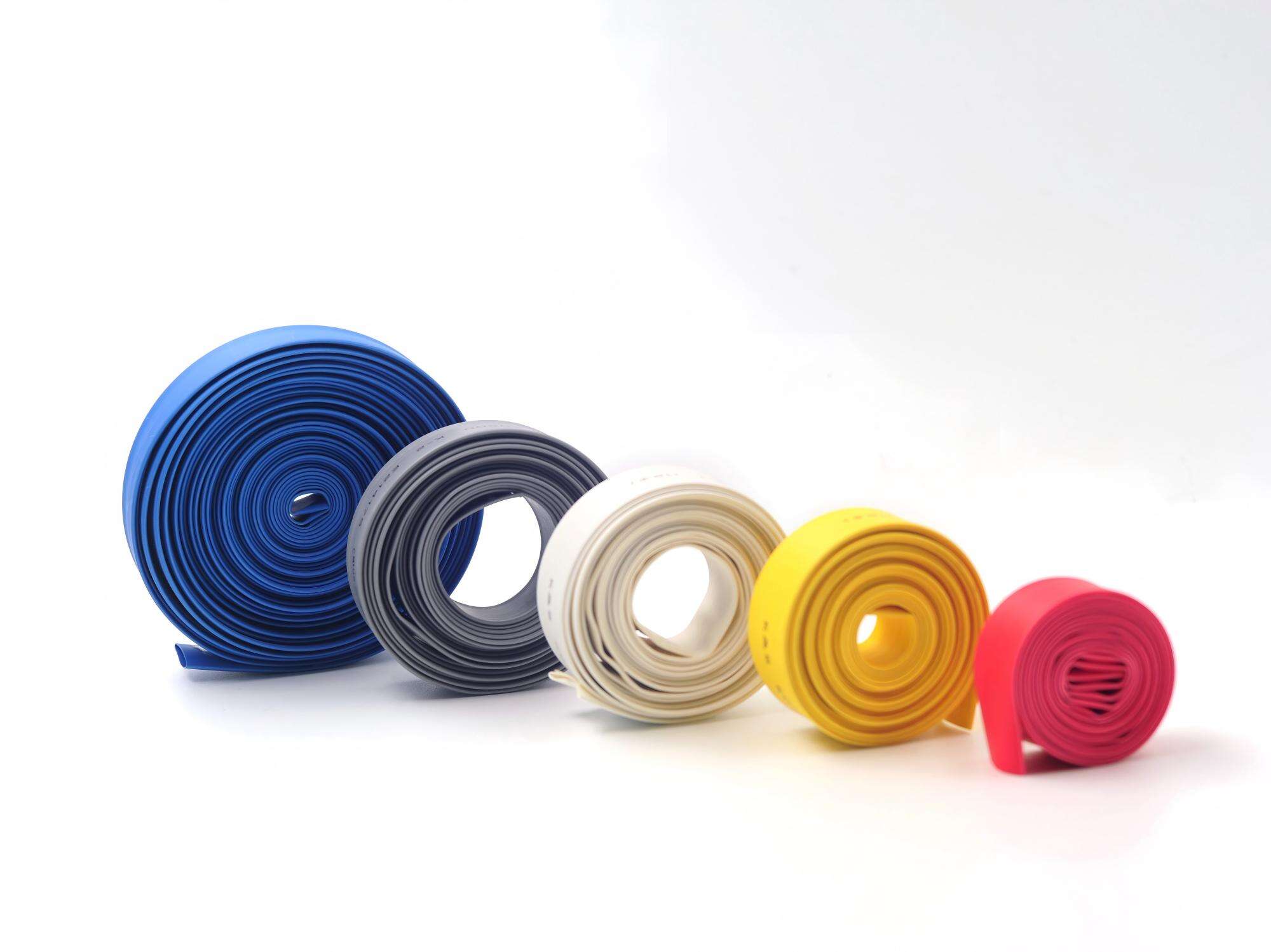
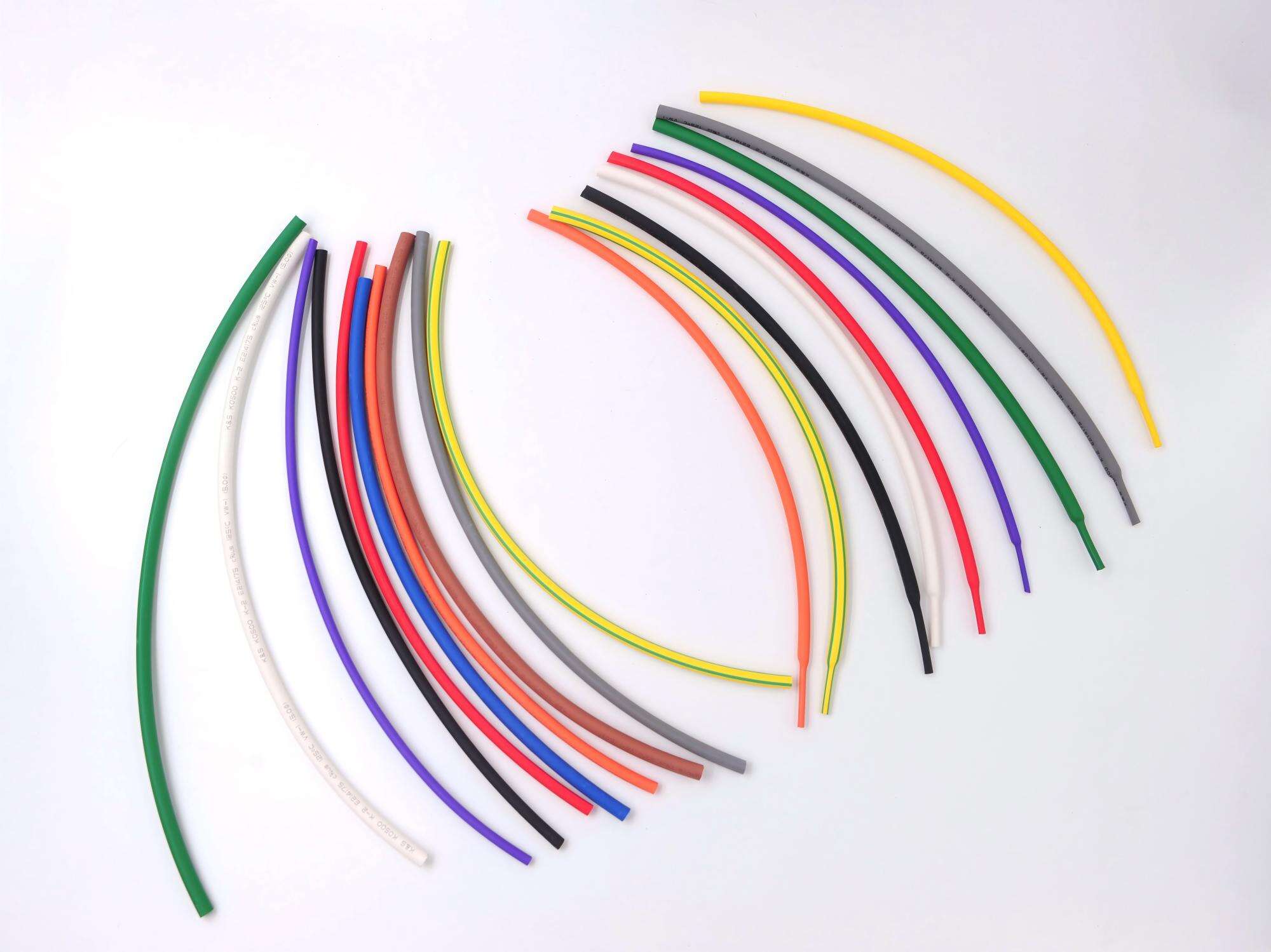
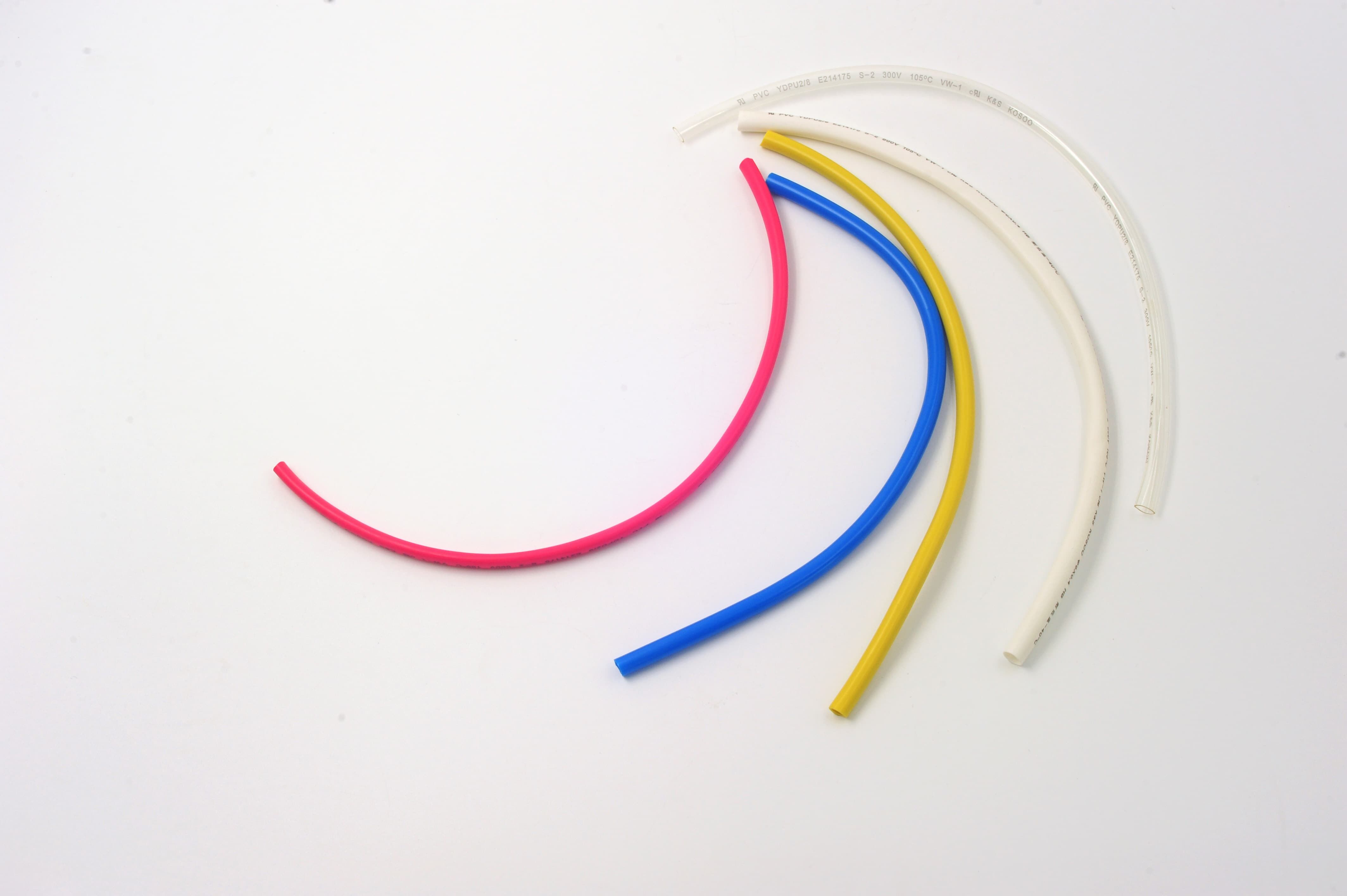
উচ্চ-তাপমাত্রার হিট-শ্রিঙ্ক টিউব রাসায়নিক সংস্পর্শ এবং পরিবেশগত বিপদ থেকে অতুলনীয় সুরক্ষা প্রদান করে, যা সাধারণত প্রচলিত কেবল সুরক্ষা ব্যবস্থাকে ক্ষতিগ্রস্ত করে। এর উন্নত পলিমার ম্যাট্রিক্স অ্যাসিড, ক্ষার, দ্রাবক, তেল এবং শিল্প প্রক্রিয়াজাতকরণ পরিবেশে সাধারণত ব্যবহৃত অন্যান্য ক্ষতিকর রাসায়নিক পদার্থের অনুপ্রবেশ প্রতিরোধ করে। এই রাসায়নিক প্রতিরোধ ক্ষমতা আসে সাবধানে নির্বাচিত পলিমার কম্পোজিশন থেকে, যা কম ভেদ্যতা এবং বিস্তৃত পরিসরের পদার্থের সাথে চমৎকার রাসায়নিক সামঞ্জস্যতা প্রদর্শন করে। সামুদ্রিক প্রয়োগক্ষেত্রগুলো এই সুরক্ষা থেকে ব্যাপকভাবে উপকৃত হয়, কারণ লবণাক্ত জলের সংস্পর্শ এবং সামুদ্রিক রাসায়নিক পদার্থ সঠিকভাবে স্থাপিত উচ্চ-তাপমাত্রার হিট-শ্রিঙ্ক টিউব দ্বারা সৃষ্ট প্রতিরক্ষামূলক বাধা ভেদ করতে পারে না। এই উপাদানটি কঠোর রাসায়নিক দ্রবণে নিমজ্জিত থাকা অবস্থাতেও তার প্রতিরক্ষামূলক সীল বজায় রাখে, যা কন্ডাক্টরের ক্ষয় এবং ইনসুলেশনের ভাঙন প্রতিরোধ করে। অতিবেগুনি রশ্মি প্রতিরোধ ক্ষমতা নিশ্চিত করে যে, প্রচলিত উপাদান ধ্বংসকারী দীর্ঘ সময় ধরে সূর্যের সংস্পর্শে থাকা সত্ত্বেও বাইরের স্থাপনাগুলো সুরক্ষিত থাকে। ওজোন প্রতিরোধ ক্ষমতা উচ্চ-ভোল্টেজ পরিবেশে ফাটল এবং ক্ষয় রোধ করে, যেখানে করোনা ডিসচার্জ জারণ পরিস্থিতি তৈরি করে। উচ্চ-তাপমাত্রার হিট-শ্রিঙ্ক টিউবে স্থিতিশীলকারী অ্যাডিটিভ অন্তর্ভুক্ত থাকে যা ফ্রি র্যাডিকেলকে নিষ্ক্রিয় করে এবং পলিমার চেইনের বিভাজন প্রতিরোধ করে, যা উপাদানের ব্যর্থতার কারণ হয়। অগ্নি প্রতিরোধ ক্ষমতা রাসায়নিক প্রতিরোধ ক্ষমতার সাথে আপোস না করেই কঠোর সুরক্ষা মান পূরণ করে, যা অগ্নি ঝুঁকি এবং রাসায়নিক সংস্পর্শ থেকে দ্বৈত সুরক্ষা প্রদান করে। আর্দ্র বাষ্প সঞ্চালনের হার অত্যন্ত কম থাকে, যা আর্দ্রতা এবং ঘনীভবনের বিরুদ্ধে কার্যকর প্রতিবন্ধক তৈরি করে, যা বৈদ্যুতিক ত্রুটির কারণ হতে পারে। পরীক্ষাগারের পরীক্ষা হাইড্রোলিক ফ্লুইড, জেট ফুয়েল, ক্লিনিং সলভেন্ট এবং বিভিন্ন শিল্পে ব্যবহৃত প্রসেস কেমিক্যালের বিরুদ্ধে এর প্রতিরোধ ক্ষমতা প্রমাণ করে। এই রাসায়নিক সামঞ্জস্যতা অতিরিক্ত সুরক্ষামূলক ব্যবস্থার প্রয়োজনীয়তা দূর করে, ইনস্টলেশনকে সহজ করে এবং সিস্টেমের জটিলতা কমায়। উপাদানটির অ-প্রতিক্রিয়াশীল প্রকৃতি ধাতব পৃষ্ঠ বা অনুঘটক যৌগের সংস্পর্শে এলে অনুঘটকীয় অবক্ষয় প্রতিরোধ করে। ফুড-গ্রেড ফর্মুলেশন খাদ্য প্রক্রিয়াকরণ কেন্দ্রগুলিতে ব্যবহৃত স্যানিটাইজিং রাসায়নিক এবং পরিষ্কারক পদার্থের বিরুদ্ধে প্রতিরোধ গড়ে তোলে, যা স্বাস্থ্যবিধি মেনে চলতে সাহায্য করে। পারমাণবিক প্রয়োগগুলি বিকিরণ প্রতিরোধের উপর নির্ভর করে, যা উচ্চ-বিকিরণ পরিবেশে অবিচ্ছিন্ন সুরক্ষা প্রদান করে, যেখানে অন্যান্য উপাদান ভঙ্গুর হয়ে যায় এবং ব্যর্থ হয়। পরিবেশগত চাপজনিত ফাটল প্রতিরোধ ক্ষমতা রাসায়নিক সংস্পর্শ এবং যান্ত্রিক চাপের সম্মিলিত পরিস্থিতিতে ব্যর্থতা রোধ করে। দীর্ঘমেয়াদী বার্ধক্য অধ্যয়ন নিশ্চিত করে যে রাসায়নিক প্রতিরোধের বৈশিষ্ট্যগুলি দীর্ঘ পরিষেবা সময় জুড়ে স্থিতিশীল থাকে, যা গুরুত্বপূর্ণ অবকাঠামো বিনিয়োগের জন্য নির্ভরযোগ্য সুরক্ষা নিশ্চিত করে।

 EN
EN