
 EN


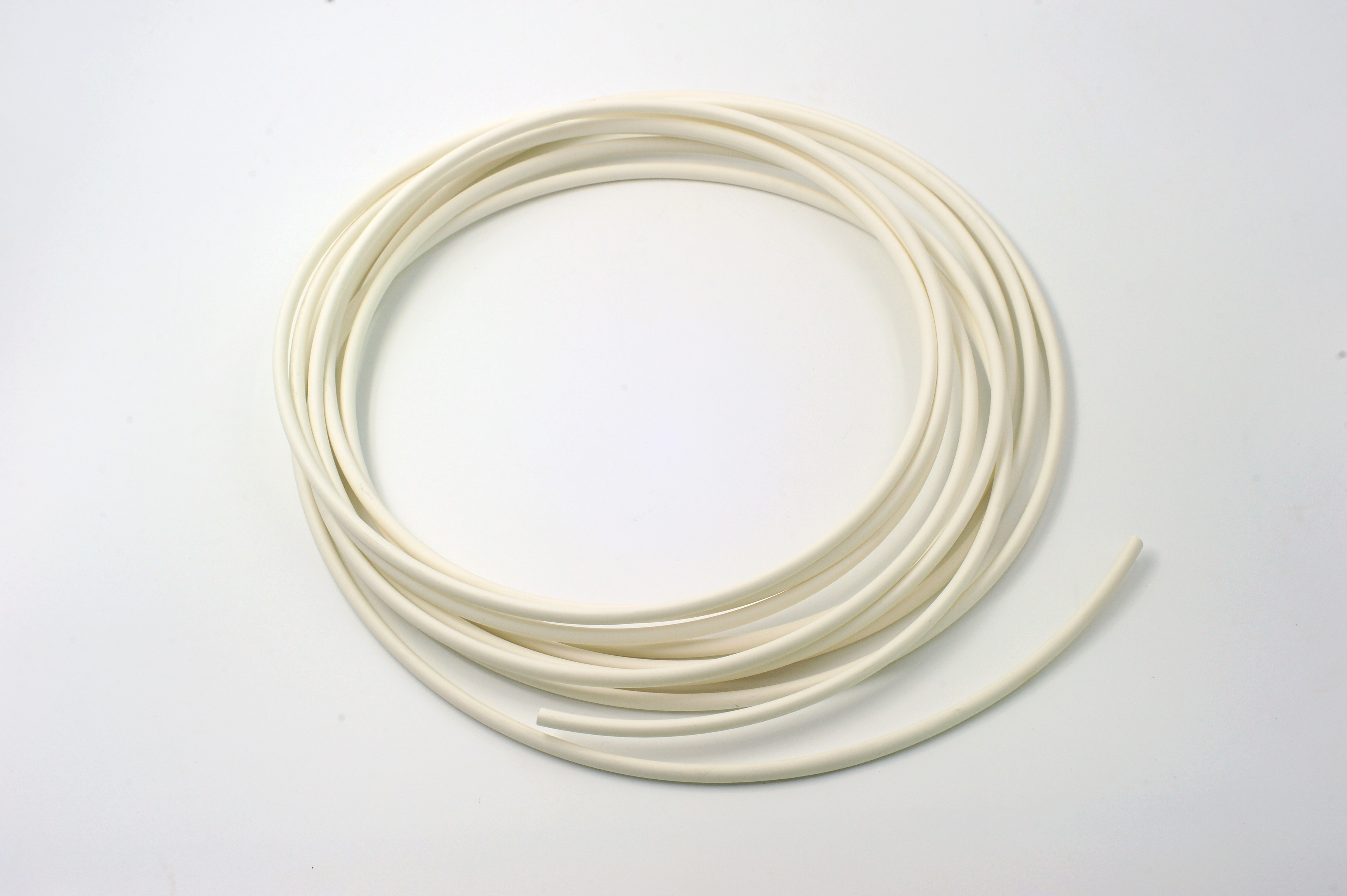
Construction projects demand reliable solutions for protecting electrical cables and wiring systems from damage, environmental hazards, and operational wear. One of the most effective and widely adopted solutions in the industry is the pvc tube, a durable conduit system that safeguards cables throughout project lifecycles. Whether managing overhead installations, underground runs, or exposed cable routes on active job sites, a properly selected pvc tube system provides both immediate protection and long-term reliability that construction teams can depend on.
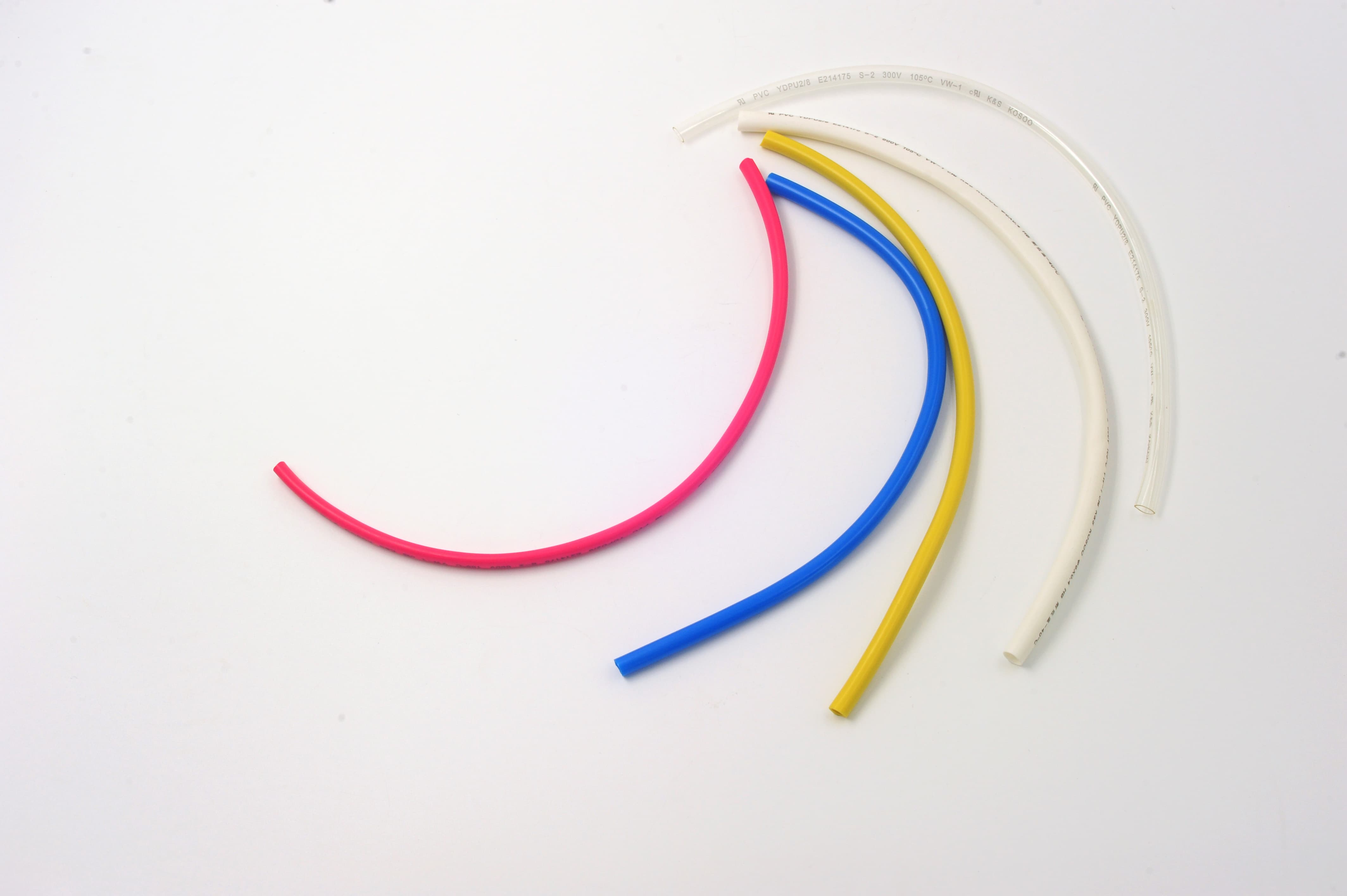
Construction environments present unique challenges for cable systems: physical impact from equipment and personnel, exposure to moisture and chemicals, temperature fluctuations, and potential abrasion from surrounding materials. A quality pvc tube solution addresses each of these challenges systematically, creating a protective barrier that extends cable service life while maintaining compliance with electrical codes and safety standards. Understanding how pvc tube delivers these protective benefits helps construction managers make informed decisions about material selection, installation strategy, and long-term cable management planning.
Understanding PVC Tube Protection Mechanisms
Physical Impact Resistance and Cable Shielding
The primary function of pvc tube is to shield cables from physical damage during construction and operation. Construction sites involve constant movement of heavy equipment, tools, and personnel across cable routes. Without proper protection, cables become vulnerable to crushing, cutting, and abrasion that can compromise insulation integrity and create serious safety hazards. A pvc tube conduit system absorbs impact energy through its rigid or semi-rigid wall structure, preventing direct contact between external forces and the sensitive conductors within. The wall thickness of a pvc tube directly correlates with its protective capacity, with thicker profiles offering enhanced durability in high-traffic areas.
The design of a quality pvc tube also incorporates smooth interior surfaces that prevent cable damage during installation and removal. Rough edges or burrs inside inferior conduit systems can scrape cable jackets during pulling operations, potentially creating weak points that fail under thermal stress or mechanical load. A properly manufactured pvc tube includes rounded entry profiles and consistent internal geometry that allows cables to slide freely while remaining protected from external contact and environmental exposure.
Environmental Protection and Moisture Management
Construction projects frequently expose cables to outdoor conditions, chemical exposure, and moisture infiltration that degrade unprotected insulation. A pvc tube system provides a sealed protective envelope that prevents water ingress, chemical splashes, and UV radiation from reaching the cable conductors. This moisture barrier is particularly critical in foundation work, underground installations, and exterior cable runs where water exposure is unavoidable. PVC tube materials resist common construction site chemicals including oils, solvents, and caustic cleaners that would otherwise accelerate cable insulation breakdown.
Temperature variations during construction and seasonal cycles can cause cable expansion and contraction that leads to insulation cracking if cables contact abrasive surfaces or rigid supports. A pvc tube provides a compliant barrier that accommodates this thermal movement while maintaining consistent environmental protection. The thermal stability of pvc tube materials ensures reliable performance across the temperature ranges typical in construction environments, from subfreezing winter installation to summer heat exposure on active job sites.
Installation Best Practices for Optimal Cable Protection
Route Planning and PVC Tube Sizing Selection
Effective cable protection through pvc tube begins with careful route planning that identifies potential hazard zones and determines appropriate conduit specifications. Construction managers must map cable paths to avoid high-traffic areas where possible, or specify heavier-wall pvc tube in unavoidable exposure zones. The cable fill ratio within a pvc tube installation should never exceed code-mandated percentages, typically 40% for three or more conductors, to ensure adequate thermal dissipation and allow for future cable additions without reinstallation.
Selecting the correct pvc tube diameter requires calculating the total cross-sectional area of all cables that will occupy the conduit, then referencing industry sizing charts to determine minimum acceptable inside diameter. Undersized pvc tube creates installation difficulties, increases pulling forces that can damage cables, and restricts airflow for heat dissipation. Oversized pvc tube increases material costs and installation labor without providing proportional protection benefits. A balanced sizing approach ensures the pvc tube delivers maximum protection efficiency within practical cost and installation constraints.
Secure Installation and Support Systems
Proper support of pvc tube installations prevents sagging, movement, and stress concentration that can compromise both the conduit and protected cables. Horizontal pvc tube runs require support spacing that prevents excessive deflection under cable weight and thermal expansion forces. Vertical pvc tube installations must include support clamps at regular intervals to prevent internal cable abrasion from vertical movement caused by thermal cycling or settling. The type of support bracket and mounting hardware must match the pvc tube material and diameter to ensure secure attachment without damaging the conduit surface.
The installation of a pvc tube system should include proper grounding and bonding procedures that comply with electrical code requirements. Although pvc tube is non-conductive, metal components within the system require appropriate grounding to prevent shock hazards and equipment damage. Cable pulling lubricants compatible with pvc tube materials must be selected carefully to prevent degradation of the conduit interior. Construction teams should document all pvc tube installation specifications, support locations, and cable routing for future reference and maintenance planning.
Performance Advantages and Long-Term Value
Cost-Benefit Analysis and Lifecycle Protection
While initial material cost represents only a portion of total project expense, the protective value of quality pvc tube often justifies premium specifications through reduced cable replacement frequency and improved system reliability. Construction projects that experience cable failures suffer productivity losses, emergency repair costs, and potential safety incidents that far exceed the incremental investment in robust pvc tube protection. A properly installed pvc tube system can extend cable service life by decades, minimizing costly emergency replacements and system downtime.
The labor cost for pvc tube installation remains relatively consistent regardless of selected wall thickness or material grade, making the incremental cost difference between economy and premium pvc tube products minimal in total project budget terms. Construction managers who evaluate only initial material cost while ignoring protection performance and lifecycle reliability often face expensive consequences when system failures disrupt project schedules. Specifying appropriate pvc tube solutions for each installation context represents prudent risk management that protects both immediate project success and long-term operational reliability.
Compliance and Standards Alignment
Electrical codes and construction standards mandate specific protection requirements for cables based on installation context, voltage levels, and environmental exposure. A certified pvc tube system designed to meet these standards ensures compliance with local regulations and eliminates costly rework or rejection during project inspections. Code-compliant pvc tube installations also satisfy insurance requirements and protect the contractor from liability exposure related to inadequate cable protection. pvc tube solutions that carry appropriate certifications and listings provide documented assurance of safety and performance standards.
Specification of code-compliant pvc tube systems also simplifies the procurement process and ensures consistency across large construction projects where multiple cable runs require standardized protection. Maintenance personnel benefit from standardized pvc tube specifications because spare components remain readily available and installation procedures remain consistent across the facility. The long-term value of standards-aligned pvc tube selections extends far beyond the initial construction phase, supporting efficient operations throughout the facility lifecycle.
FAQ
What wall thickness of pvc tube should I specify for high-traffic construction areas?
High-traffic areas require heavier-wall pvc tube specifications typically ranging from 0.75 mm to 1.2 mm wall thickness, depending on cable voltage level and local code requirements. Heavy equipment movement and equipment impacts in these zones demand superior impact resistance that only premium-grade pvc tube materials can provide. Consult your electrical inspector and equipment specifications to determine the exact pvc tube wall thickness required for your specific project context.
Can pvc tube protect cables in underground construction applications?
Yes, pvc tube provides excellent protection for underground cable installations when properly sealed and supported. Underground conditions expose cables to soil pressure, moisture infiltration, and chemical exposure that pvc tube systems effectively resist. Proper installation practices including sealed entry points, appropriate burial depth, and support systems ensure that pvc tube delivers reliable long-term protection for buried cables.
How does pvc tube compare to metal conduit for construction cable protection?
Both pvc tube and metal conduit provide effective cable protection, but each material suits different project contexts. PVC tube excels in corrosive environments, offers superior moisture resistance, and costs less than equivalent metal systems. Metal conduit provides superior impact resistance in extreme-abuse scenarios and better grounding performance. Many construction projects use pvc tube for general cable runs while specifying metal protection only in areas requiring exceptional impact resistance.