
 EN


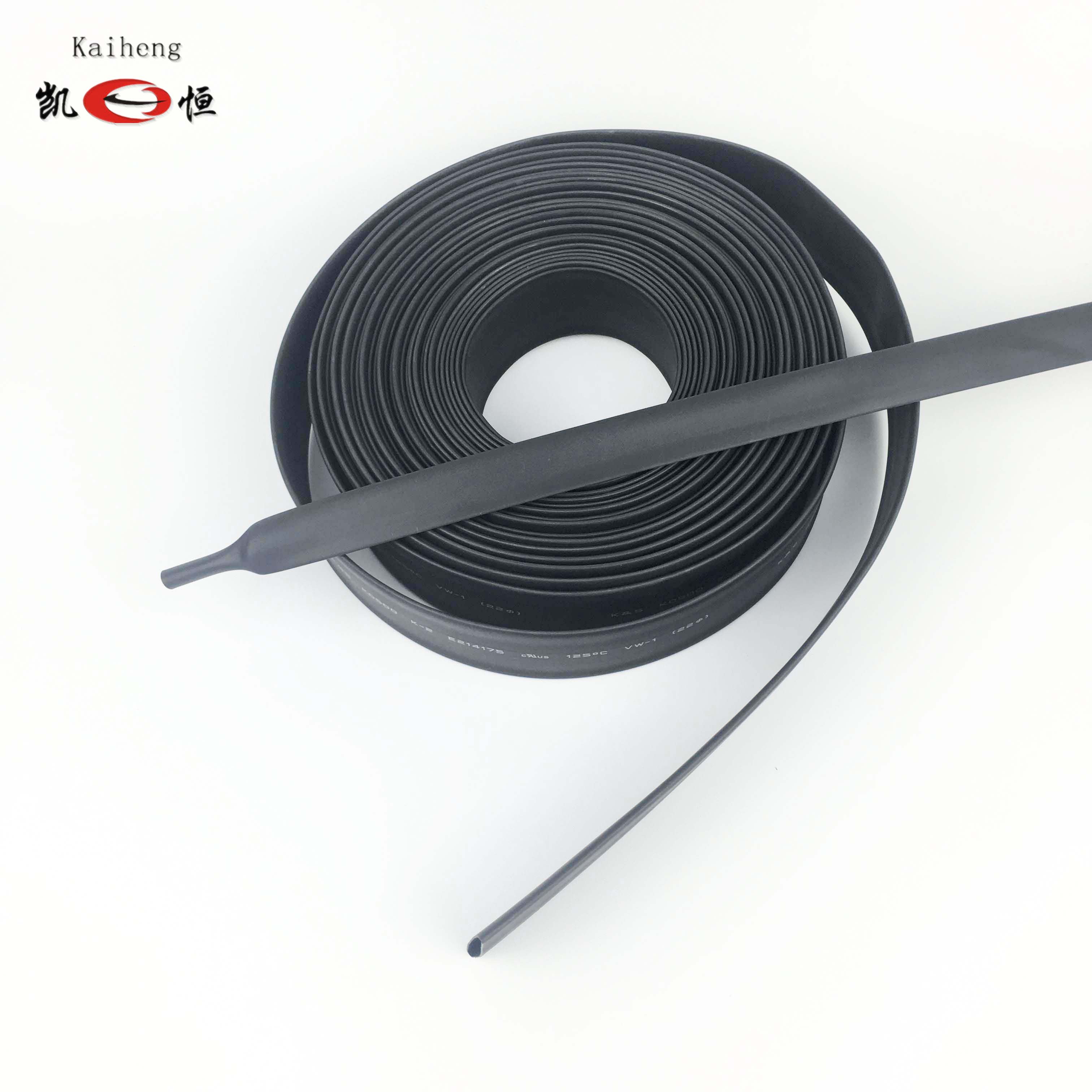
Sourcing shrink tube for bulk industrial projects requires understanding how suppliers manage large-volume orders, quality consistency, and delivery logistics. Unlike retail purchases, bulk shrink tube procurement involves negotiating terms, coordinating with manufacturers, and ensuring compliance with industry specifications. This comprehensive guide explains how professional suppliers handle shrink tube distribution for enterprises that need substantial quantities for cable protection, wire bundling, electrical insulation, and equipment assembly applications.

Industrial shrink tube demand spans aerospace, automotive, telecommunications, manufacturing, and power distribution sectors. Suppliers serving these markets operate multi-level distribution networks combining manufacturing partnerships, inventory management, and rapid fulfillment capabilities. Understanding the supplier ecosystem for shrink tube helps procurement teams make informed decisions about sourcing strategies, minimum order quantities, lead times, and cost optimization for their bulk projects.
Understanding the Supplier Network for Shrink Tube Distribution
How Suppliers Source and Stock Shrink Tube Materials
Established suppliers of shrink tube maintain relationships with multiple manufacturers to ensure consistent supply and material variety. These suppliers typically stock diverse diameter ranges, shrink ratios, color options, and material compositions including polyolefin, fluoropolymer, adhesive-lined, and specialty formulations. The shrink tube inventory strategy balances carrying costs against fulfillment speed, with most professional suppliers maintaining warehouse facilities in strategic geographic locations to enable rapid delivery of bulk orders.
Suppliers managing shrink tube inventory must track material specifications, manufacturing batches, and shelf-life requirements. Quality assurance protocols ensure that every batch of shrink tube meets dimensional tolerances, shrink consistency, and temperature ratings specified by industrial customers. Suppliers often conduct third-party testing and maintain material certifications to verify that their shrink tube products comply with standards such as UL, CSA, RoHS, and halogen-free classifications required by regulated industries.
Bulk Order Processing and Minimum Quantity Requirements
Most suppliers establish minimum order quantities for shrink tube to optimize production efficiency and shipping economics. Typical minimums range from 50 to 500 units depending on the specific shrink tube diameter, material type, and customization level. For larger industrial projects requiring thousands of meters of shrink tube, suppliers often negotiate volume discounts, extended payment terms, and priority manufacturing slots with their source factories.
Suppliers handling bulk shrink tube orders manage complex logistics including custom spooling, packaging configuration, and labeling requirements. An enterprise ordering shrink tube for a major assembly line may specify delivery of material in 100-meter coils, specific color coding, batch traceability documentation, and scheduled arrival dates aligned with production schedules. Professional shrink tube suppliers employ dedicated account management teams to coordinate these details and prevent supply chain disruptions.
Quality, Certification, and Compliance in Bulk Shrink Tube Supply
Material Standards and Performance Verification
Industrial applications demand that shrink tube meet rigorous performance standards. Suppliers verify that their shrink tube maintains consistent shrink ratios, exhibits proper recovery force, and delivers reliable insulation properties across temperature extremes. Testing protocols for shrink tube typically include dielectric strength measurement, flame resistance verification, cold-temperature flexibility assessment, and long-term aging resistance evaluation under simulated operating conditions.
Suppliers providing shrink tube for mission-critical applications such as aerospace wiring or medical device assembly must source materials with extensive documentation and traceability. A buyer ordering shrink tube for commercial aircraft components expects material certifications, lot tracking, and technical data sheets verifying thermal stability, flammability classification, and electrical properties. Suppliers managing this complexity maintain quality management systems that track every shrink tube batch from raw material receipt through final shipment.
Regulatory Compliance and Industry-Specific Requirements
Suppliers of shrink tube serving regulated industries must maintain certifications and conduct audits verifying compliance with environmental and safety regulations. RoHS and REACH compliance for shrink tube materials prevents hazardous substance accumulation in industrial products. Suppliers routinely verify that their shrink tube inventory meets these standards through documentation provided by manufacturers and independent testing laboratories.
Different end-use sectors impose unique requirements on shrink tube suppliers. Telecommunications standards demand specific dielectric properties from shrink tube products used in network installations. Automotive suppliers expect shrink tube materials capable of resisting engine bay temperatures and fluid exposure. Medical device manufacturers require sterile or cleanroom-processed shrink tube materials. Experienced suppliers segment their shrink tube inventory and fulfillment processes to address these specialized demands.
Pricing, Lead Times, and Sourcing Strategy for Bulk Projects
Cost Optimization Through Strategic Supplier Relationships
Procurement teams optimize costs by establishing framework agreements with shrink tube suppliers that lock in favorable pricing for predetermined volume commitments over quarterly or annual periods. Suppliers offering shrink tube under these arrangements typically provide tiered pricing that rewards larger committed volumes. Strategic planning allows buyers to forecast shrink tube consumption patterns and negotiate better unit costs than spot-market purchasing would deliver.
Suppliers managing bulk shrink tube orders understand that material cost represents only one component of total procurement expense. Transportation, inventory carrying costs, quality assurance labor, and supply chain risk all factor into economic decision-making. A shrink tube supplier may recommend consolidating orders into fewer, larger shipments to reduce per-unit logistics costs, or propose inventory consignment arrangements where the supplier maintains safety stock at the customer's facility.
Lead Time Management and Supply Chain Resilience
Lead times for shrink tube bulk orders depend on material availability, manufacturing capacity, and customization complexity. Standard shrink tube products from in-stock inventory may ship within days, while specialty materials or specific configurations may require 4–8 weeks manufacturing time. Suppliers communicate clearly about lead times and maintain transparency regarding supply chain constraints that might affect shrink tube delivery schedules.
Smart procurement involves discussing contingency planning with shrink tube suppliers before crisis situations emerge. Suppliers of critical shrink tube materials often maintain dual-sourced inventory arrangements, hold safety stock buffers, or establish priority allocation agreements for valued customers facing production pressures. These relationships prove invaluable when unexpected demand spikes or supply disruptions occur in shrink tube markets.
FAQ
What factors should I consider when selecting a shrink tube supplier for bulk projects?
Selection criteria for a shrink tube supplier include geographic location relative to your facilities for efficient shipping, inventory availability for your specific diameter and material requirements, certifications and compliance documentation for your industry standards, technical support capabilities, pricing structure and volume discount policies, and reliability track record with other industrial customers. References from existing clients using that supplier's shrink tube products provide valuable insight into actual service quality and responsiveness.
How do suppliers manage quality consistency across large shrink tube production runs?
Suppliers maintain quality consistency by implementing documented manufacturing processes, conducting in-process testing during production, performing final verification testing on finished shrink tube batches, maintaining traceability records linking each shrink tube shipment to specific production batches, and conducting periodic audits of their manufacturing partners. Many shrink tube suppliers use statistical process control methods to monitor performance metrics and identify variations before they result in defective material reaching customers.
Can suppliers customize shrink tube for specific industrial applications?
Yes, shrink tube suppliers commonly provide customization services including non-standard diameters, specific color marking for identification purposes, custom coil lengths to match production workflow, adhesive-lined shrink tube for added sealing performance, and specialized material formulations for extreme temperature or chemical-resistant applications. Customization typically involves minimum order quantities and additional lead time, so discussing requirements early in the procurement planning cycle allows suppliers to optimize scheduling and cost for your shrink tube customization needs.