
 EN
EN



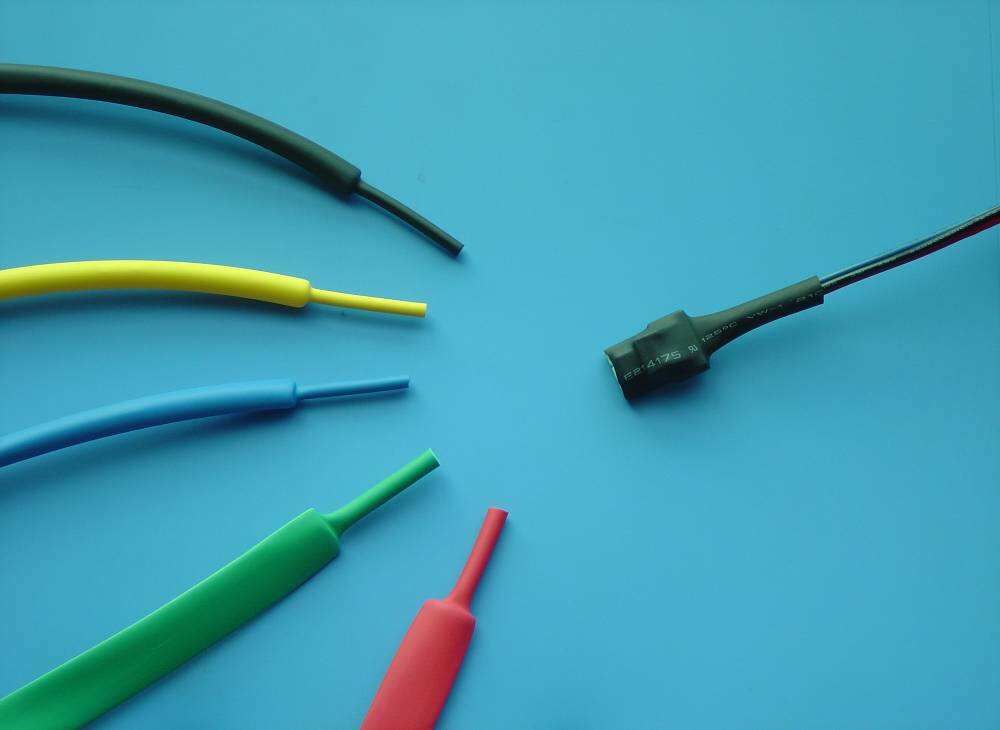
Heat shrinkable tube technology has revolutionized electrical safety protocols across industrial applications, providing a critical barrier against electrical hazards that can cause equipment failure, workplace accidents, and costly downtime. When exposed to controlled heat, these specialized polymeric materials contract uniformly around electrical connections, creating a protective seal that enhances insulation properties and prevents moisture ingress. Understanding how heat shrinkable tube systems improve electrical safety requires examining their protective mechanisms, application methods, and the specific safety challenges they address in industrial environments.
Industrial electrical systems face numerous safety risks including short circuits, electrical fires, corrosion damage, and worker electrocution hazards. Traditional electrical protection methods often fall short when dealing with complex junction points, cable splices, and termination connections that require both mechanical protection and electrical insulation. Heat shrinkable tube solutions address these vulnerabilities by providing a comprehensive protective barrier that adapts precisely to irregular connection geometries, ensuring consistent coverage and eliminating potential failure points that compromise electrical safety standards.
Protective Mechanisms of Heat Shrinkable Tubing
Electrical Insulation Enhancement
The primary safety mechanism of heat shrinkable tube technology involves creating superior electrical insulation around vulnerable connection points. When properly applied, these tubes form a continuous dielectric barrier that prevents electrical current from escaping its intended path, significantly reducing the risk of short circuits and electrical faults. The polymer materials used in heat shrinkable tube construction typically exhibit dielectric strengths ranging from 15 to 30 kilovolts per millimeter, providing robust protection against voltage breakdown that could lead to catastrophic electrical failures.
Industrial applications benefit from this enhanced insulation through reduced electrical leakage currents and improved system reliability. The heat shrinkable tube conforms tightly to conductor surfaces, eliminating air gaps that could allow electrical arcing or corona discharge. This comprehensive coverage ensures that electrical energy remains contained within designated pathways, preventing dangerous electrical exposure that could harm personnel or damage adjacent equipment components.
Temperature stability represents another crucial aspect of electrical safety improvement through heat shrinkable tube applications. These protective sleeves maintain their insulating properties across wide temperature ranges, typically from negative 55 degrees Celsius to positive 125 degrees Celsius, ensuring consistent electrical safety performance under varying operating conditions that characterize industrial environments.
Moisture and Environmental Protection
Moisture infiltration poses significant electrical safety risks in industrial settings, leading to insulation breakdown, corrosion acceleration, and increased electrical conductivity that can cause dangerous short circuits. Heat shrinkable tube technology creates an effective moisture barrier through its shrinkage process, which eliminates gaps and creates a tight seal around electrical connections. This protective envelope prevents water, humidity, and other corrosive substances from reaching critical electrical components.
The moisture resistance provided by heat shrinkable tube systems extends beyond simple water exclusion to include protection against chemical vapors, salt spray, and other environmental contaminants that could compromise electrical safety. Industrial facilities operating in harsh environments particularly benefit from this comprehensive environmental protection, as it maintains electrical system integrity and prevents safety hazards associated with contamination-induced electrical failures.
Sealing effectiveness of heat shrinkable tube applications depends on proper installation techniques and material selection. Advanced formulations incorporate adhesive linings that create hermetic seals when activated by heat, ensuring long-term moisture exclusion that maintains electrical safety standards throughout the service life of protected connections.
Industrial Application Methods for Enhanced Safety
Cable Splice Protection
Cable splicing operations in industrial environments create potential safety vulnerabilities where conductor connections must be thoroughly protected against electrical and environmental hazards. Heat shrinkable tube technology provides comprehensive protection for these critical junction points by encapsulating the entire splice assembly within a continuous protective barrier. The shrinkage process ensures intimate contact between the protective sleeve and the splice components, eliminating potential failure points that could compromise electrical safety.
Installation procedures for cable splice protection using heat shrinkable tube systems require careful attention to sizing, positioning, and heat application techniques. Proper diameter selection ensures adequate coverage while allowing for complete shrinkage that creates mechanical strain relief and prevents stress concentrations that could lead to connection failure. The heat application process must be controlled to achieve uniform shrinkage without overheating sensitive conductor materials or adjacent components.
Multi-layer protection systems utilizing heat shrinkable tube technology offer enhanced safety margins for high-voltage cable splices in industrial applications. These configurations combine different tube materials and thicknesses to provide graduated protection levels, ensuring that electrical safety requirements are exceeded even under extreme operating conditions or unexpected mechanical stress scenarios.
Terminal and Connector Insulation
Electrical terminals and connectors represent critical safety points in industrial electrical systems where proper insulation prevents dangerous electrical exposure and system failures. Heat shrinkable tube applications for terminal protection involve carefully sized sleeves that cover connection hardware while providing strain relief and environmental protection. The shrinkage process creates a form-fitting protective barrier that eliminates sharp edges and exposed conductor surfaces that could pose safety hazards.
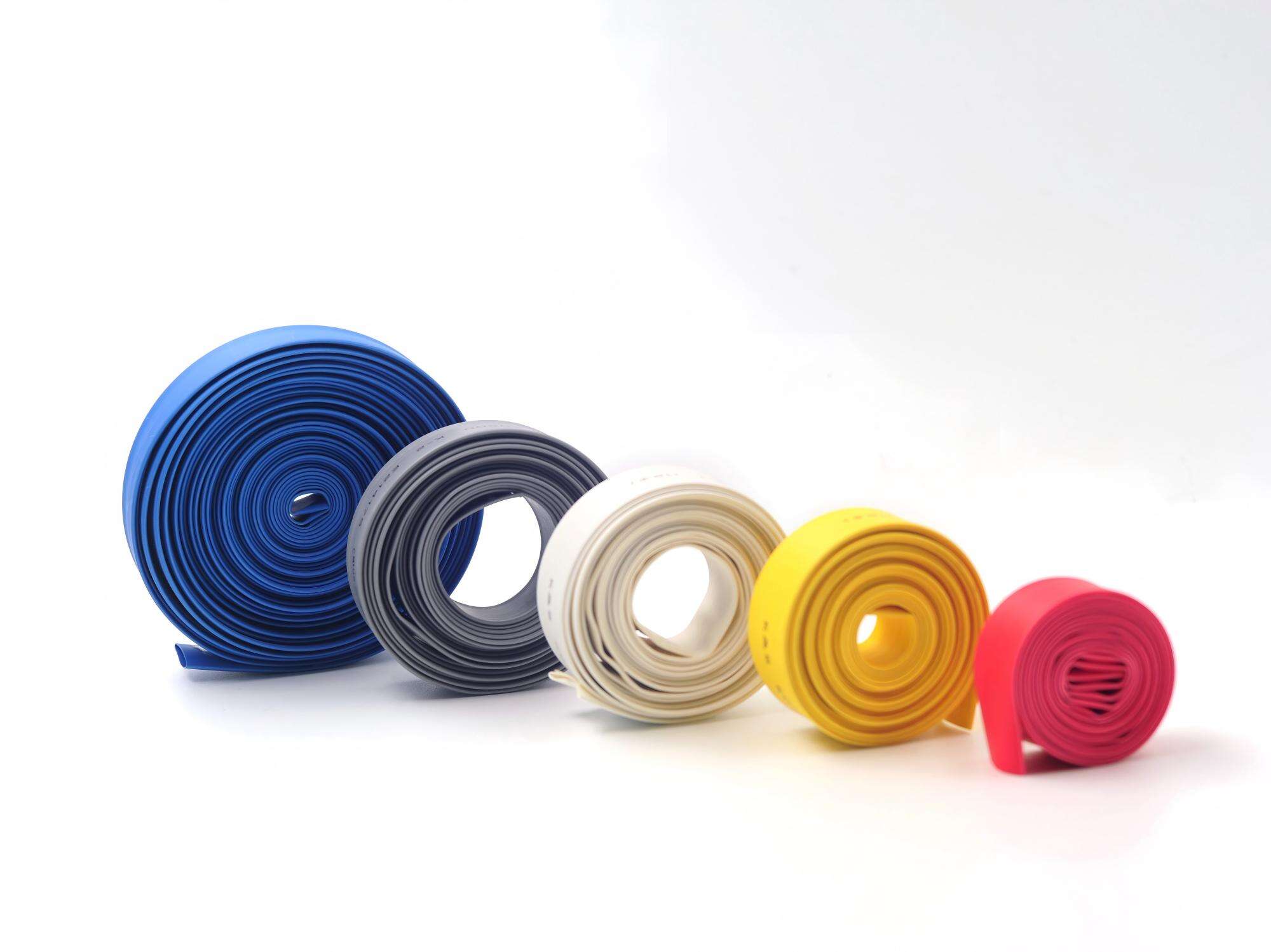
Color-coding capabilities of heat shrinkable tube systems contribute to electrical safety by providing visual identification of different circuit types, voltage levels, and system functions. This visual safety enhancement helps maintenance personnel identify potential hazards and follow proper safety protocols when working on electrical systems. Clear marking and identification reduce the risk of electrical accidents caused by misidentification of circuit characteristics or voltage levels.
Mechanical protection provided by heat shrinkable tube installations around terminals and connectors prevents physical damage that could compromise electrical safety. The robust polymer construction resists abrasion, impact, and vibration that characterize industrial operating environments, ensuring that protective barriers remain intact throughout the service life of electrical connections.
Safety Challenge Solutions in Industrial Environments
Arc Flash and Fire Prevention
Arc flash incidents represent one of the most serious electrical safety hazards in industrial environments, capable of causing severe injuries, equipment damage, and facility fires. Heat shrinkable tube technology contributes to arc flash prevention by maintaining superior electrical insulation that prevents the conditions necessary for arc formation. The continuous protective barrier eliminates air gaps and contamination paths that could enable electrical arcing between conductors or between conductors and ground surfaces.
Fire-resistant properties of advanced heat shrinkable tube formulations provide additional safety benefits by limiting flame propagation in the event of electrical faults. Self-extinguishing materials ensure that protective sleeves do not contribute to fire spread, while maintaining their protective properties during fire exposure. This fire resistance characteristic is particularly important in industrial applications where electrical systems operate in proximity to flammable materials or processes.
Installation of heat shrinkable tube systems as part of comprehensive electrical safety programs helps facilities meet arc flash protection requirements and reduce incident energy levels during electrical faults. The improved insulation coordination provided by properly applied protective sleeves contributes to overall electrical system safety and helps minimize the severity of potential arc flash events.
Corrosion and Chemical Resistance
Industrial environments often expose electrical systems to corrosive chemicals, aggressive cleaning agents, and contaminated atmospheres that can degrade electrical connections and create safety hazards. Heat shrinkable tube technology provides effective chemical resistance that protects electrical components from corrosion-induced failures. The polymer materials used in tube construction resist attack from acids, bases, solvents, and other industrial chemicals that could compromise electrical safety.
Long-term reliability of electrical connections protected by heat shrinkable tube systems reduces maintenance requirements and minimizes safety risks associated with electrical system degradation. The protective barrier prevents corrosion initiation and progression, ensuring that electrical connections maintain their integrity and safety characteristics throughout extended service periods in challenging industrial environments.
Chemical compatibility testing ensures that heat shrinkable tube materials are suitable for specific industrial applications and chemical exposure scenarios. Proper material selection based on environmental conditions and chemical exposure requirements is essential for achieving maximum electrical safety benefits from protective tube installations.
Implementation Best Practices for Maximum Safety Benefits
Proper Sizing and Selection
Achieving maximum electrical safety benefits from heat shrinkable tube applications requires careful attention to sizing and material selection based on specific application requirements. Proper diameter selection ensures adequate coverage of electrical connections while allowing for complete shrinkage that creates effective sealing and mechanical protection. Undersized tubes may not provide complete coverage, while oversized tubes may not shrink sufficiently to create effective protection.
Material selection considerations include operating temperature ranges, chemical exposure requirements, voltage ratings, and mechanical stress factors that characterize specific industrial applications. Heat shrinkable tube formulations are available with different polymer compositions, wall thicknesses, and performance characteristics designed to address various safety requirements and operating conditions.
Quality standards and certification requirements ensure that heat shrinkable tube products meet established electrical safety criteria for industrial applications. Compliance with relevant industry standards provides assurance that protective systems will perform as expected under specified operating conditions and contribute to overall electrical safety objectives.
Installation Techniques and Quality Control
Proper installation techniques are critical for achieving maximum electrical safety benefits from heat shrinkable tube applications. Heat application methods must provide uniform temperature distribution to ensure complete and consistent shrinkage across the entire protected area. Inadequate heating can result in incomplete shrinkage that leaves gaps or weak points in the protective barrier, while excessive heating can damage tube materials or adjacent components.
Quality control procedures during installation verify that heat shrinkable tube systems provide complete coverage and effective sealing of protected electrical connections. Visual inspection techniques identify potential defects or installation errors that could compromise electrical safety performance. Proper documentation of installation procedures and quality checks ensures traceability and supports maintenance planning for protected electrical systems.
Training requirements for personnel installing heat shrinkable tube systems ensure that proper techniques are followed and safety objectives are achieved. Qualified installation practices reduce the risk of application errors that could compromise electrical safety and ensure that protective systems perform as designed throughout their service life.
FAQ
How long do heat shrinkable tubes maintain their electrical safety properties?
Heat shrinkable tubes typically maintain their electrical safety properties for 20 to 30 years when properly installed and operated within specified temperature and environmental conditions. The polymer materials used in tube construction are designed for long-term stability and resistance to degradation from UV exposure, temperature cycling, and chemical exposure. Regular inspection and maintenance help ensure continued electrical safety performance throughout the service life of protected connections.
Can heat shrinkable tubes be used in high-voltage industrial applications?
Yes, heat shrinkable tubes are available in formulations specifically designed for high-voltage industrial applications, with dielectric strengths capable of handling voltages up to several thousand volts. High-voltage rated tubes feature thicker walls, enhanced insulation properties, and superior tracking resistance to prevent electrical breakdown. Proper selection based on voltage requirements and installation according to manufacturer specifications ensures safe operation in high-voltage electrical systems.
What happens if heat shrinkable tubes are exposed to temperatures beyond their rated limits?
When heat shrinkable tubes are exposed to temperatures beyond their rated limits, they may experience material degradation, loss of mechanical properties, or dimensional changes that compromise their protective effectiveness. Extended exposure to excessive temperatures can cause cracking, brittleness, or chemical breakdown that reduces electrical insulation properties and creates potential safety hazards. Temperature monitoring and proper material selection based on expected operating conditions prevent temperature-related failures.
How do you determine the correct heat shrinkable tube size for electrical safety applications?
Determining the correct heat shrinkable tube size requires measuring the largest diameter of the connection or component to be protected and selecting a tube with an expanded diameter that provides adequate clearance for installation. The recovered diameter after shrinkage should create a tight fit around the smallest part of the protected assembly. Shrink ratio specifications, typically ranging from 2:1 to 4:1, indicate the relationship between expanded and recovered diameters and help ensure proper sizing for effective electrical safety protection.
Table of Contents
- Protective Mechanisms of Heat Shrinkable Tubing
- Industrial Application Methods for Enhanced Safety
- Safety Challenge Solutions in Industrial Environments
- Implementation Best Practices for Maximum Safety Benefits
-
FAQ
- How long do heat shrinkable tubes maintain their electrical safety properties?
- Can heat shrinkable tubes be used in high-voltage industrial applications?
- What happens if heat shrinkable tubes are exposed to temperatures beyond their rated limits?
- How do you determine the correct heat shrinkable tube size for electrical safety applications?