
 EN
EN



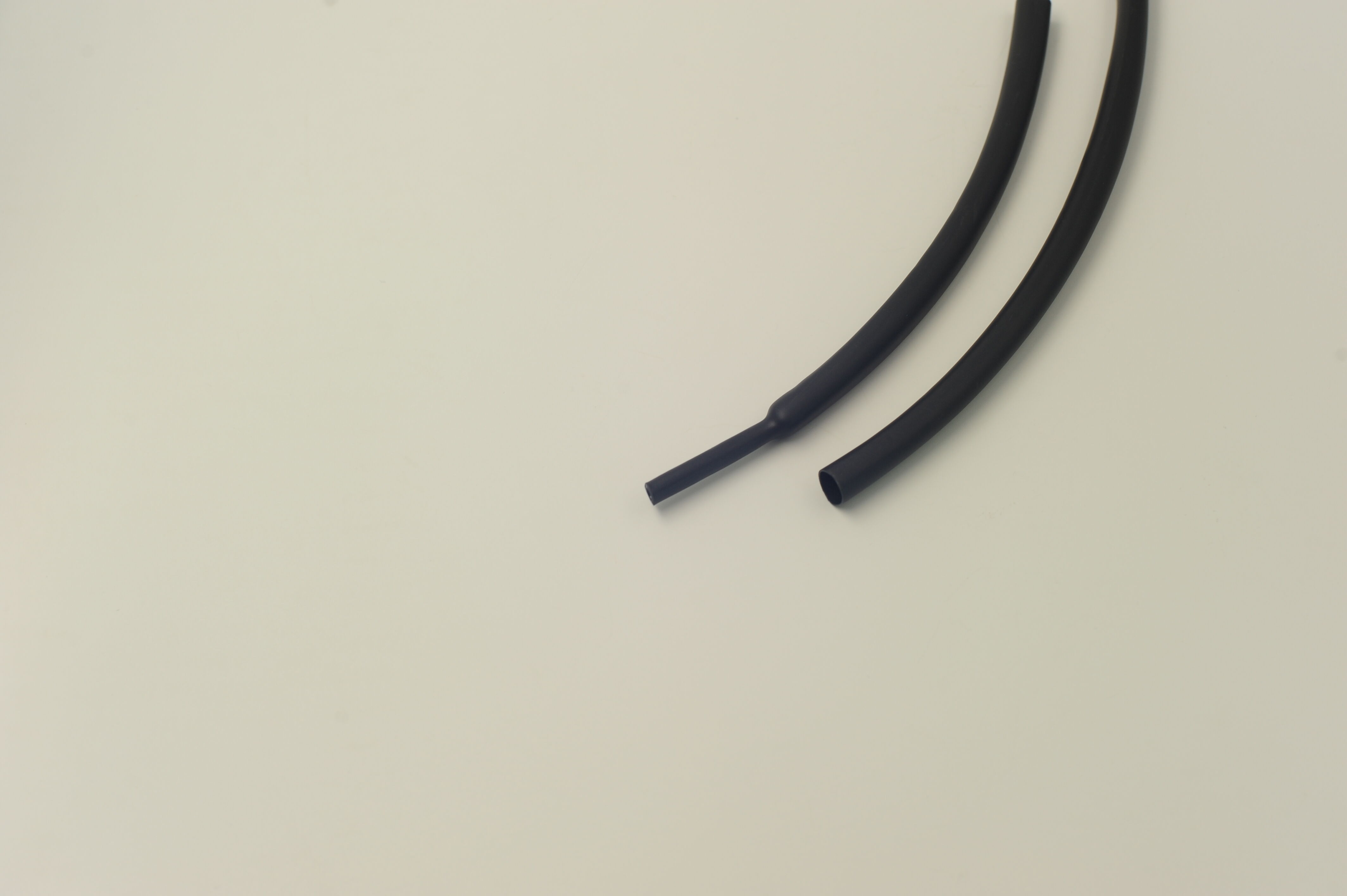
OEM manufacturers across industries consistently face the challenge of protecting wiring systems while maintaining production efficiency and cost-effectiveness. The selection of appropriate wire protection solutions directly impacts product reliability, manufacturing scalability, and long-term operational performance. Among various protection technologies available, heat shrinkable tube has emerged as the preferred choice for countless OEM manufacturers worldwide, driven by specific technical advantages and business benefits that align with modern manufacturing requirements.
The widespread adoption of heat shrinkable tube technology among OEM manufacturers stems from a combination of performance characteristics, economic advantages, and operational benefits that traditional wire protection methods cannot match. Understanding these driving factors provides insight into why this technology has become integral to modern manufacturing processes across automotive, electronics, aerospace, and industrial equipment sectors. The decision to implement heat shrinkable tube solutions reflects strategic considerations that extend beyond simple wire protection to encompass production efficiency, quality assurance, and competitive positioning.
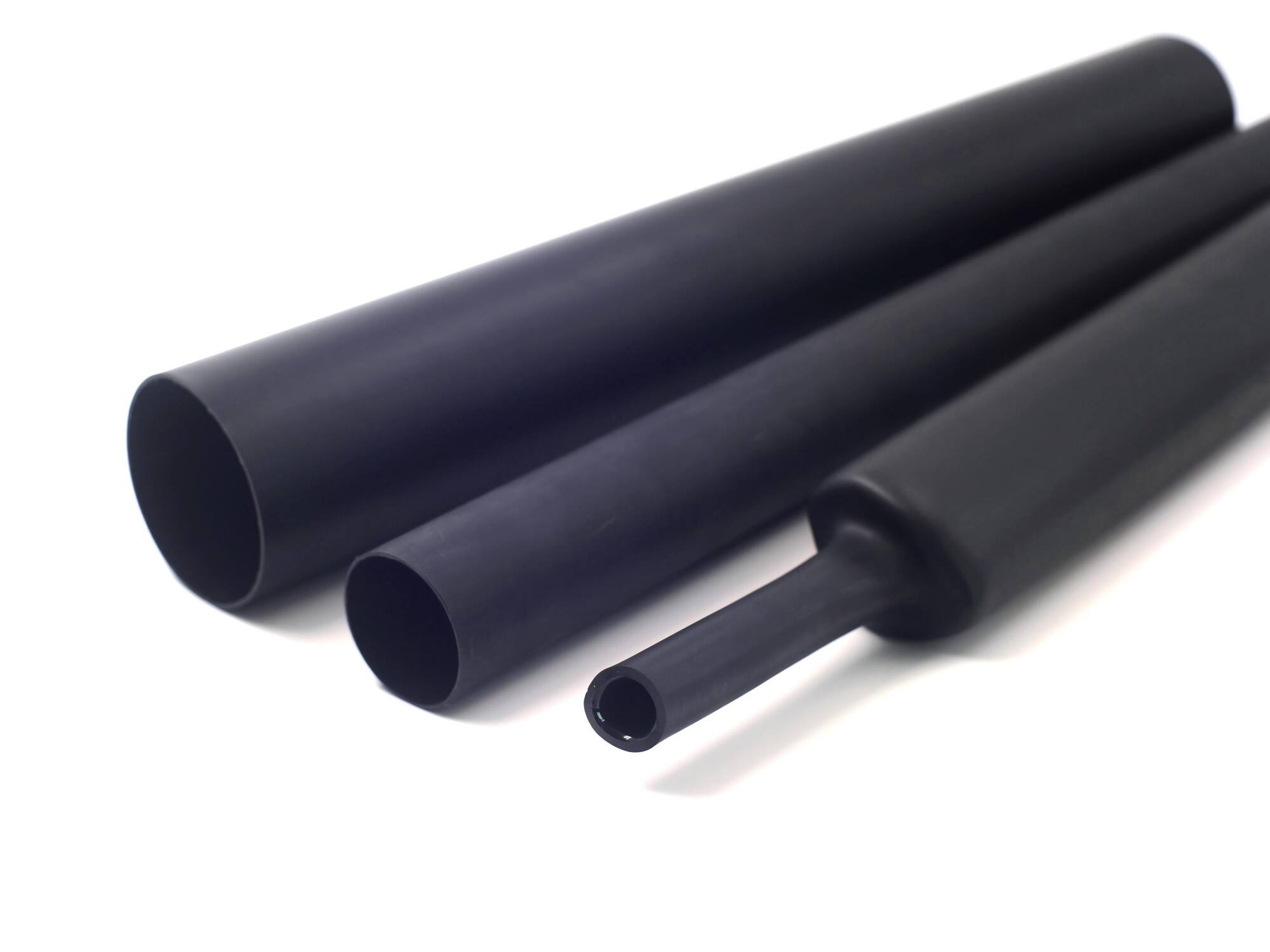
Superior Protection Performance and Reliability
Exceptional Environmental Resistance Properties
Heat shrinkable tube provides OEM manufacturers with unmatched environmental protection capabilities that ensure wiring system integrity across diverse operating conditions. The advanced polymer materials used in heat shrinkable tube construction offer superior resistance to temperature extremes, moisture infiltration, chemical exposure, and UV radiation. This comprehensive protection profile eliminates the need for multiple protection layers, simplifying manufacturing processes while enhancing overall system reliability.
The temperature resistance characteristics of heat shrinkable tube typically range from -55°C to +135°C, with specialized formulations extending these limits for extreme applications. This wide operating temperature range ensures consistent protection performance across seasonal variations and demanding industrial environments. OEM manufacturers particularly value this stability because it reduces warranty claims and service requirements, contributing to improved customer satisfaction and reduced lifecycle costs.
Chemical resistance properties of heat shrinkable tube protect wiring systems from exposure to oils, solvents, acids, and other potentially damaging substances commonly encountered in industrial applications. This resistance prevents insulation degradation, conductor corrosion, and system failures that could compromise product performance or create safety hazards. The ability to maintain protection integrity in harsh chemical environments makes heat shrinkable tube an essential component for OEM manufacturers serving chemical processing, automotive, and marine industries.
Mechanical Durability and Stress Relief
The mechanical properties of heat shrinkable tube address critical stress points in wiring systems that traditional protection methods often fail to adequately manage. When properly installed, heat shrinkable tube creates a uniform protective barrier that distributes mechanical stresses evenly across the protected area. This stress distribution capability prevents localized wear patterns, fatigue failures, and insulation breakdown that can occur at connection points and high-flex areas.
Abrasion resistance characteristics of heat shrinkable tube protect wiring systems from damage caused by vibration, movement, and contact with surrounding components. The smooth, continuous surface of installed heat shrinkable tube eliminates sharp edges and discontinuities that could contribute to wire damage or system failures. OEM manufacturers recognize this protection capability as essential for products subject to continuous operation, transportation, or field service conditions.
The flexibility and conformability of heat shrinkable tube allow it to accommodate complex wire routing geometries while maintaining protection effectiveness. This adaptability enables OEM manufacturers to implement standardized protection solutions across diverse product lines without compromising design flexibility or requiring custom protection components for each application. The resulting standardization benefits include reduced inventory complexity, simplified assembly processes, and improved quality consistency.
Manufacturing Efficiency and Process Optimization
Streamlined Installation and Assembly Processes
Heat shrinkable tube installation requires minimal specialized equipment and training, making it an ideal solution for OEM manufacturers seeking to optimize production efficiency. The installation process involves simple positioning and controlled heat application, eliminating the complex procedures, adhesives, or mechanical fasteners required by alternative protection methods. This simplicity translates to reduced assembly time, lower training requirements, and decreased potential for installation errors.
The standardized installation process for heat shrinkable tube enables automation integration in high-volume manufacturing environments. Automated heat application systems can be programmed to deliver precise temperature and timing control, ensuring consistent installation quality while reducing labor costs. This automation capability allows OEM manufacturers to scale production volumes without proportionally increasing workforce requirements or compromising quality standards.
Quality control procedures for heat shrinkable tube installation are straightforward and visually verifiable, simplifying inspection processes and reducing quality assurance costs. The clear indication of proper installation through complete shrinkage and conformance provides immediate feedback to assembly personnel and quality inspectors. This visual verification capability reduces the need for complex testing procedures while maintaining high confidence in protection system integrity.
Inventory Management and Supply Chain Benefits
The standardized sizing and universal compatibility of heat shrinkable tube products enable OEM manufacturers to consolidate inventory requirements and simplify procurement processes. A limited range of standard sizes can accommodate diverse wire gauge requirements, reducing the variety of protection components that must be stocked and managed. This inventory consolidation reduces carrying costs, minimizes obsolescence risk, and simplifies supplier relationships.
The stable shelf life and storage characteristics of heat shrinkable tube products eliminate concerns about material degradation or time-sensitive inventory management. Unlike adhesive-based protection systems that may require climate-controlled storage or have limited shelf life, heat shrinkable tube maintains its properties indefinitely under normal storage conditions. This stability allows OEM manufacturers to optimize purchasing strategies and maintain buffer inventory without material waste concerns.
Supply chain reliability for heat shrinkable tube products benefits from established manufacturing capacity and global distribution networks. Multiple qualified suppliers ensure supply security and competitive pricing, while standardized specifications facilitate supplier qualification and change management processes. This supply chain maturity provides OEM manufacturers with confidence in long-term material availability and cost stability.
Cost-Effectiveness and Economic Advantages
Material Cost Optimization and Value Engineering
The material cost structure of heat shrinkable tube solutions often provides significant advantages over alternative protection methods, particularly when total system costs are considered. While initial material costs may vary depending on application requirements, the elimination of additional components such as adhesives, mechanical fasteners, or secondary sealing materials frequently results in overall cost reduction. This cost optimization becomes more pronounced in high-volume manufacturing where small per-unit savings create substantial aggregate benefits.
Value engineering opportunities with heat shrinkable tube implementation extend beyond simple material substitution to encompass design simplification and process optimization. The ability to eliminate complex mechanical protection assemblies or multi-component sealing systems can reduce part count, simplify assembly procedures, and decrease potential failure modes. These design improvements contribute to improved product reliability while reducing manufacturing complexity and associated costs.
The consistent performance characteristics of heat shrinkable tube enable OEM manufacturers to optimize design margins and reduce over-specification of protection systems. Reliable performance data and established application guidelines allow engineers to specify appropriate protection levels without excessive safety factors that increase costs unnecessarily. This optimization capability helps balance protection requirements with cost objectives while maintaining adequate safety margins.
Lifecycle Cost Considerations and Return on Investment
The long-term performance reliability of heat shrinkable tube translates to reduced lifecycle costs through decreased maintenance requirements, extended service intervals, and improved system availability. OEM manufacturers benefit from reduced warranty claims, field service costs, and customer dissatisfaction associated with protection system failures. These lifecycle benefits often justify premium material costs and contribute to improved profitability over product lifecycles.
Return on investment calculations for heat shrinkable tube implementation frequently demonstrate positive results through multiple value streams including reduced manufacturing costs, improved quality metrics, enhanced customer satisfaction, and competitive positioning advantages. The cumulative impact of these benefits often exceeds initial implementation costs within relatively short payback periods, making heat shrinkable tube adoption a compelling business decision for cost-conscious OEM manufacturers.
Risk mitigation benefits associated with heat shrinkable tube implementation contribute to improved financial predictability and reduced exposure to warranty and liability costs. The proven performance record and established reliability data for heat shrinkable tube applications enable more accurate cost forecasting and risk assessment, supporting better business planning and resource allocation decisions.
Technical Versatility and Application Flexibility
Wide Range of Material Formulations and Properties
The availability of diverse heat shrinkable tube formulations allows OEM manufacturers to optimize material selection for specific application requirements without compromising standardization benefits. Different polymer bases including polyolefin, fluoropolymer, and elastomeric materials provide varying combinations of temperature resistance, chemical compatibility, flexibility, and flame retardancy. This material diversity enables application-specific optimization while maintaining consistent installation processes and design approaches.
Specialized heat shrinkable tube formulations address specific industry requirements such as aerospace specifications, automotive standards, or medical device regulations. These specialized materials maintain the fundamental advantages of heat shrinkable tube technology while meeting stringent performance or certification requirements. OEM manufacturers serving regulated industries benefit from the availability of compliant materials that eliminate the need for extensive qualification processes or custom material development.
The continuous development of new heat shrinkable tube materials and formulations ensures that emerging application requirements can be addressed without fundamental changes to manufacturing processes or design approaches. This ongoing innovation provides OEM manufacturers with confidence in the long-term viability of heat shrinkable tube solutions and supports progressive improvement in product performance and capabilities.
Scalability Across Product Lines and Applications
The fundamental compatibility of heat shrinkable tube technology with diverse wiring system designs enables OEM manufacturers to implement standardized protection strategies across multiple product lines and market segments. This scalability reduces engineering development costs, simplifies manufacturing processes, and creates opportunities for volume purchasing benefits. The ability to leverage common materials and processes across diverse applications provides significant competitive advantages in terms of cost, quality, and time-to-market.
Application flexibility of heat shrinkable tube extends from simple wire bundling and identification to complex environmental sealing and strain relief functions. This versatility allows OEM manufacturers to address multiple protection requirements with a single technology platform, reducing the complexity of supplier relationships, inventory management, and technical support requirements. The comprehensive capability of heat shrinkable tube solutions often eliminates the need for multiple specialized protection technologies.
The proven performance of heat shrinkable tube in demanding applications provides OEM manufacturers with confidence when extending its use to new products or markets. Established application guidelines, performance data, and qualification procedures facilitate rapid implementation while minimizing development risk and validation requirements. This application maturity accelerates product development cycles and reduces time-to-market for new products incorporating heat shrinkable tube protection.
Quality Assurance and Compliance Benefits
Consistent Performance Standards and Specifications
The standardized performance specifications for heat shrinkable tube products provide OEM manufacturers with predictable material properties and reliable quality baselines. Industry standards such as AMS, ASTM, and IEC specifications define performance requirements and test methods that ensure consistent material quality across suppliers and production lots. This standardization enables confident material selection and reduces the qualification effort required for supplier changes or alternative sourcing.
Quality control procedures for heat shrinkable tube manufacturing are well-established and widely implemented, ensuring consistent material properties and performance characteristics. Statistical process control, batch testing, and certification procedures provide documented evidence of material compliance with specifications. OEM manufacturers benefit from this quality infrastructure through reduced incoming inspection requirements and increased confidence in material performance.
Traceability systems for heat shrinkable tube products enable comprehensive documentation of material sources, production parameters, and quality test results. This traceability capability supports regulatory compliance requirements, facilitates failure analysis procedures, and enables rapid response to quality issues. The comprehensive documentation associated with heat shrinkable tube products often exceeds requirements for alternative protection materials.
Regulatory Compliance and Certification Support
The widespread use of heat shrinkable tube in regulated industries has resulted in extensive certification and approval databases that facilitate regulatory compliance for OEM manufacturers. Established approvals from organizations such as UL, CSA, VDE, and aerospace authorities reduce the certification burden for products incorporating heat shrinkable tube protection. This approval infrastructure accelerates product certification processes and reduces associated costs and delays.
Environmental compliance characteristics of heat shrinkable tube materials address increasingly stringent regulations regarding material content, recyclability, and disposal requirements. Halogen-free formulations, RoHS compliance, and REACH regulation conformance are standard features of modern heat shrinkable tube products. These compliance characteristics eliminate concerns about regulatory restrictions and support sustainable manufacturing practices.
Documentation packages available for heat shrinkable tube products typically include comprehensive technical data sheets, material safety information, and regulatory compliance certificates. This documentation supports OEM manufacturers' quality systems and regulatory compliance requirements while reducing the effort required to maintain current and accurate material information. The completeness and accuracy of heat shrinkable tube documentation often exceeds standards for alternative protection materials.
FAQ
What makes heat shrinkable tube more reliable than traditional wire protection methods?
Heat shrinkable tube provides superior reliability through its uniform shrinkage characteristics that create a continuous protective barrier without gaps, overlaps, or mechanical fasteners that could fail over time. The cross-linked polymer structure maintains its properties under temperature cycling, mechanical stress, and environmental exposure, while traditional methods like tape wrapping or mechanical guards often degrade or loosen under similar conditions. Additionally, the installation process for heat shrinkable tube eliminates human error factors associated with wrapping tension, overlap consistency, and adhesive application that commonly affect traditional protection methods.
How does heat shrinkable tube installation compare to other protection methods in terms of manufacturing efficiency?
Heat shrinkable tube installation requires significantly less time and skill compared to alternative protection methods, with typical installation times of 30-60 seconds per application compared to several minutes for tape wrapping or mechanical assembly methods. The single-step heat application process eliminates multiple handling operations, adhesive curing time, and complex positioning requirements. Furthermore, the visual confirmation of proper installation through complete shrinkage provides immediate quality verification, while other methods may require additional inspection procedures or testing to confirm adequate protection.
Can heat shrinkable tube accommodate different wire sizes and configurations within the same manufacturing operation?
Yes, heat shrinkable tube products are available in a wide range of sizes with typical shrink ratios of 2:1 to 4:1, allowing a single tube size to accommodate multiple wire gauges or small bundle configurations. The flexible nature of the material conforms to irregular shapes and wire routing geometries, while specialized products like breakout boots and molded shapes address complex harness configurations. This versatility enables OEM manufacturers to standardize on fewer part numbers while addressing diverse application requirements, reducing inventory complexity and improving production flexibility.
What are the long-term cost implications of choosing heat shrinkable tube for OEM manufacturing?
Long-term cost benefits of heat shrinkable tube implementation include reduced warranty costs due to improved reliability, lower field service requirements, and extended maintenance intervals that benefit both manufacturers and end users. The initial material investment is typically offset within 12-18 months through reduced manufacturing labor, improved quality yields, and decreased customer complaints. Additionally, the stable supply chain and mature manufacturing infrastructure for heat shrinkable tube products provide predictable long-term pricing and availability, supporting accurate cost forecasting and budget planning for multi-year production programs.
Table of Contents
- Superior Protection Performance and Reliability
- Manufacturing Efficiency and Process Optimization
- Cost-Effectiveness and Economic Advantages
- Technical Versatility and Application Flexibility
- Quality Assurance and Compliance Benefits
-
FAQ
- What makes heat shrinkable tube more reliable than traditional wire protection methods?
- How does heat shrinkable tube installation compare to other protection methods in terms of manufacturing efficiency?
- Can heat shrinkable tube accommodate different wire sizes and configurations within the same manufacturing operation?
- What are the long-term cost implications of choosing heat shrinkable tube for OEM manufacturing?