
 EN
EN



Heat shrinkable tube application in power cable joint protection represents a critical process that ensures long-term electrical system reliability and safety. This specialized protective method involves applying thermally activated polymer sleeves over cable joints to create weatherproof, insulated barriers that prevent moisture ingress, environmental contamination, and electrical failures. Understanding the proper application techniques for heat shrinkable tube systems is essential for electrical technicians, power system engineers, and maintenance professionals working with medium and high-voltage cable installations.
The application process for heat shrinkable tube protection involves careful preparation, precise positioning, and controlled heating to achieve optimal joint sealing performance. Modern power cable networks depend on these protective systems to maintain continuous operation under challenging environmental conditions, including underground installations, outdoor overhead lines, and industrial facility connections. The effectiveness of heat shrinkable tube application directly impacts power system availability, maintenance costs, and overall network reliability.
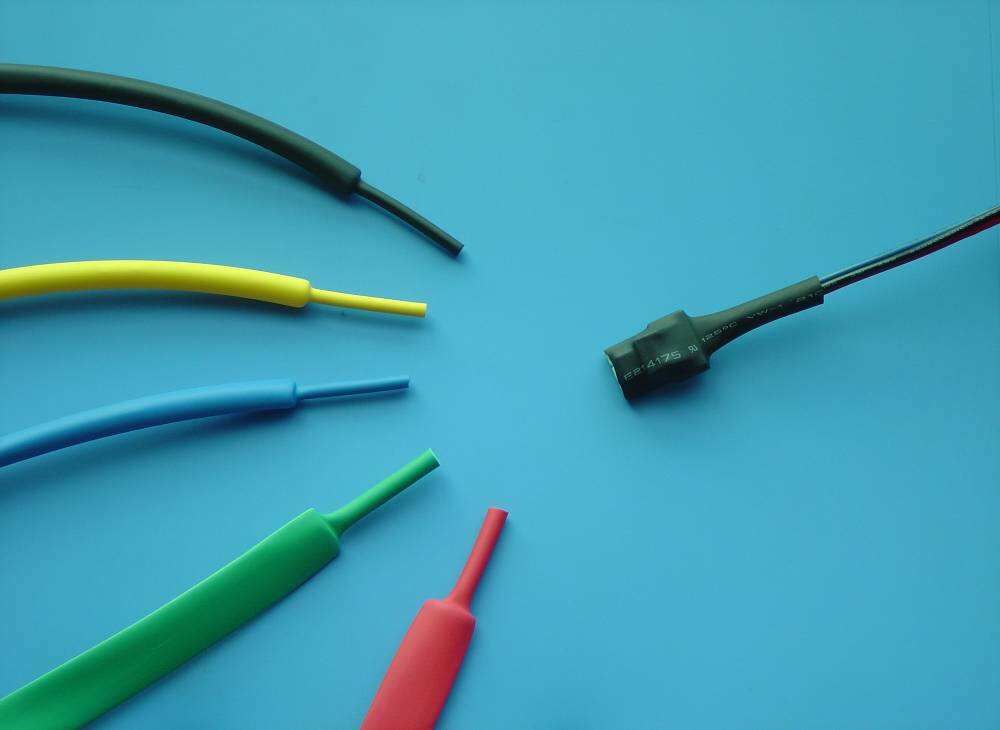
Preparation and Planning for Heat Shrinkable Tube Installation
Cable Joint Assessment and Measurement
Before applying heat shrinkable tube protection, technicians must thoroughly assess the cable joint configuration, including conductor diameter, insulation thickness, and overall joint dimensions. Accurate measurements ensure proper heat shrinkable tube sizing, which is critical for achieving complete coverage and effective sealing. The assessment process includes examining existing cable conditions, identifying any damage or contamination that could affect adhesion, and determining the appropriate tube diameter and length requirements.
Cable joint measurement involves using precision calipers to determine the exact dimensions of the completed joint assembly, including any connector hardware or splice components. This data helps select the correct heat shrinkable tube specifications from manufacturer sizing charts. Proper measurement also identifies any irregular shapes or protrusions that may require additional preparation or specialized tube configurations to ensure complete protection coverage.
Surface Preparation and Cleaning Requirements
Effective heat shrinkable tube application requires meticulous surface preparation to ensure proper adhesion and sealing performance. The cable joint surface must be thoroughly cleaned using approved solvents or cleaning agents to remove oil, dirt, moisture, and oxidation that could interfere with tube bonding. Surface preparation includes abrading smooth surfaces to improve mechanical adhesion and removing any sharp edges or burrs that might puncture the heat shrinkable tube during installation.
The cleaning process involves multiple steps, starting with degreasing agents to remove hydrocarbon contamination, followed by abrasive cleaning to create surface texture for improved adhesion. All cleaning materials must be completely removed and surfaces allowed to dry before heat shrinkable tube application. Environmental conditions during preparation should be controlled to prevent moisture condensation or contamination that could compromise the installation quality.
Tool and Equipment Selection
Professional heat shrinkable tube application requires specialized tools and equipment designed for consistent heating and precise control. Heat guns with adjustable temperature settings and airflow controls provide the primary heating source for tube activation. Temperature measurement devices, including infrared thermometers and surface thermocouples, ensure proper heating without overheating that could damage the tube material or underlying cable components.
Additional equipment includes positioning jigs or fixtures to maintain proper tube alignment during heating, protective gloves rated for high-temperature work, and ventilation equipment to manage heating byproducts. Quality heat shrinkable tube installations also require backup heating equipment and temperature monitoring systems to ensure consistent results across multiple joint applications within a project.
Application Process and Heating Techniques
Tube Positioning and Alignment Methods
Proper heat shrinkable tube positioning is fundamental to achieving effective joint protection and requires careful attention to centering, overlap distances, and alignment with cable geometry. The tube must be positioned to provide adequate overlap beyond the joint area, typically extending at least one tube diameter beyond each side of the joint assembly. Centering the heat shrinkable tube ensures uniform coverage and prevents gaps that could allow moisture or contaminant ingress.
Alignment techniques include using reference markers on both the cable and tube to maintain consistent positioning during the heating process. Temporary securing methods, such as tape or positioning clips, help maintain proper alignment while allowing tube movement during thermal contraction. The positioning process must account for tube shrinkage characteristics and ensure final coverage meets installation specifications and manufacturer requirements.
Controlled Heating Application
The heating process for heat shrinkable tube application requires controlled temperature application to achieve uniform shrinkage without material degradation. Heating begins at the center of the tube and progresses toward both ends, ensuring that trapped air can escape and preventing air pocket formation. The heat gun should be moved continuously in a circular or oscillating pattern to distribute heat evenly around the tube circumference.
Temperature control during heating is critical for proper heat shrinkable tube performance, with most applications requiring temperatures between 120°C and 200°C depending on tube material composition. Overheating can cause material brittleness, discoloration, or shrinkage beyond design specifications, while insufficient heating results in incomplete shrinkage and poor sealing performance. Professional installations monitor surface temperature continuously and adjust heating parameters to maintain optimal conditions throughout the application process.
Quality Verification During Installation
Real-time quality verification during heat shrinkable tube application involves monitoring shrinkage progression, surface temperature distribution, and visual indicators of proper activation. Properly heated tubes exhibit uniform thickness, smooth surface finish, and complete contact with the underlying cable joint surface. Visual inspection during heating identifies areas requiring additional heat application or adjustments to heating technique.
Quality verification also includes checking for proper adhesive activation in tubes equipped with internal bonding compounds. These materials typically exhibit flow characteristics or color changes that indicate proper heating and bonding activation. Documentation of heating temperatures, timing, and visual quality indicators provides verification records for installation compliance and future maintenance reference.
Joint Sealing and Environmental Protection
Moisture and Contamination Barriers
Heat shrinkable tube applications create comprehensive moisture and contamination barriers that protect cable joints from environmental degradation throughout their service life. The thermal activation process forms continuous polymer barriers that prevent water ingress, chemical contamination, and particulate infiltration that could cause insulation breakdown or corrosion. Effective barrier formation requires complete tube adhesion to cable surfaces and proper overlap with existing cable insulation systems.
Moisture protection performance depends on heat shrinkable tube wall thickness, material composition, and installation quality. High-performance tubes incorporate multiple barrier layers and adhesive systems designed for specific environmental challenges, including underground installations, marine environments, and chemical processing facilities. The sealing effectiveness directly impacts cable joint longevity and reduces maintenance requirements over the installation lifecycle.
Mechanical Protection and Stress Relief
Beyond environmental sealing, heat shrinkable tube applications provide mechanical protection against physical damage, vibration stress, and thermal cycling effects. The shrunk tube creates a semi-rigid protective shell that distributes mechanical loads and prevents localized stress concentrations that could damage cable joints or connections. This mechanical protection is particularly important for joints in high-traffic areas or installations subject to equipment vibration.
Stress relief characteristics of heat shrinkable tube installations help accommodate thermal expansion and contraction cycles without compromising joint integrity. The tube material properties and shrinkage ratios are engineered to maintain protective contact while allowing controlled movement. Proper stress relief reduces the likelihood of fatigue failures and extends joint service life under varying operational conditions.
Long-term Performance Characteristics
Professional heat shrinkable tube installations are designed to provide decades of reliable protection under normal operating conditions. Long-term performance depends on material selection, installation quality, and environmental exposure conditions. High-quality heat shrinkable tube materials resist UV degradation, ozone attack, and thermal aging while maintaining flexibility and sealing integrity throughout their design life.
Performance monitoring and inspection protocols help verify continued heat shrinkable tube effectiveness over time. Visual inspection identifies surface degradation, cracking, or separation that might indicate approaching replacement needs. Regular inspection programs include checking for proper adhesion, measuring insulation resistance, and documenting any changes in tube appearance or performance characteristics that could affect joint protection reliability.
Installation Standards and Safety Protocols
Industry Standards and Compliance Requirements
Heat shrinkable tube application in power cable joint protection must comply with relevant industry standards and regulatory requirements that govern electrical safety, environmental protection, and installation quality. International standards such as IEC and IEEE specifications define testing methods, performance criteria, and installation procedures for heat shrinkable tube systems used in power applications. Compliance with these standards ensures consistent installation quality and performance reliability across different projects and applications.
Local electrical codes and utility specifications often include additional requirements for heat shrinkable tube installations, including qualified installer certifications, inspection procedures, and documentation requirements. Understanding and following applicable standards helps ensure installation acceptance and provides liability protection for contractors and system owners. Regular updates to standards reflect advancing technology and evolving safety requirements that impact installation practices.
Safety Considerations and Risk Management
Heat shrinkable tube installation involves several safety considerations related to high-temperature equipment, electrical hazards, and chemical exposure from heated materials. Proper safety protocols include using appropriate personal protective equipment, ensuring adequate ventilation, and following lockout/tagout procedures for energized equipment proximity. Heat gun operations require careful attention to prevent burns, fire hazards, and damage to nearby equipment or materials.
Risk management for heat shrinkable tube installation includes pre-job safety planning, hazard identification, and emergency response procedures. Work area isolation helps prevent accidental contact with hot surfaces or heated equipment. Safety training for installation personnel covers proper tool use, emergency procedures, and recognition of installation defects that could create safety hazards or performance problems.
Quality Assurance and Testing Protocols
Comprehensive quality assurance for heat shrinkable tube installations includes both during-installation monitoring and post-installation testing to verify proper performance. Testing protocols may include insulation resistance measurements, visual inspection criteria, and adhesion testing where appropriate. Documentation of installation parameters, including heating temperatures, timing, and environmental conditions, provides quality records and troubleshooting reference for future maintenance activities.
Quality assurance programs also include installer qualification verification, material certification review, and periodic audit procedures to ensure consistent installation practices. Third-party inspection services may be required for critical installations or high-voltage applications where joint failure could have significant safety or economic consequences. Proper quality assurance reduces installation defects and improves long-term system reliability.
FAQ
What temperature range is required for proper heat shrinkable tube activation?
Most heat shrinkable tube materials require activation temperatures between 120°C and 200°C, depending on the specific polymer composition and wall thickness. The exact temperature range is specified by the manufacturer and must be maintained throughout the shrinkage process to ensure proper material activation and adhesive bonding. Using infrared thermometers or surface thermocouples helps maintain proper temperature control during installation.
How do you determine the correct heat shrinkable tube size for a specific cable joint?
Proper heat shrinkable tube sizing requires measuring the largest diameter of the completed cable joint and selecting a tube with an expanded diameter at least 20% larger than the joint dimension. The shrunk diameter should provide snug contact without excessive stress. Manufacturer sizing charts provide specific recommendations based on cable types and joint configurations. Length requirements typically include overlap of at least one tube diameter beyond each side of the joint area.
Can heat shrinkable tube be removed and reapplied if installation problems occur?
Once fully activated, heat shrinkable tube cannot be easily removed or reused due to the permanent nature of the thermal shrinkage and adhesive bonding. If installation problems are identified during heating, the process may be stopped and the tube carefully removed before complete activation. However, partially heated tubes should not be reused, and new tubes must be installed to ensure proper protection performance. This emphasizes the importance of careful preparation and positioning before beginning the heating process.
What environmental conditions can affect heat shrinkable tube installation quality?
Environmental conditions significantly impact heat shrinkable tube installation success, with high humidity, low temperatures, and wind affecting heating uniformity and adhesion quality. Installation should be avoided in temperatures below 5°C or above 40°C ambient temperature unless special precautions are taken. High humidity can cause moisture condensation that interferes with adhesive bonding, while strong winds can affect heat distribution and temperature control during the application process.
Table of Contents
- Preparation and Planning for Heat Shrinkable Tube Installation
- Application Process and Heating Techniques
- Joint Sealing and Environmental Protection
- Installation Standards and Safety Protocols
-
FAQ
- What temperature range is required for proper heat shrinkable tube activation?
- How do you determine the correct heat shrinkable tube size for a specific cable joint?
- Can heat shrinkable tube be removed and reapplied if installation problems occur?
- What environmental conditions can affect heat shrinkable tube installation quality?