
 EN
EN



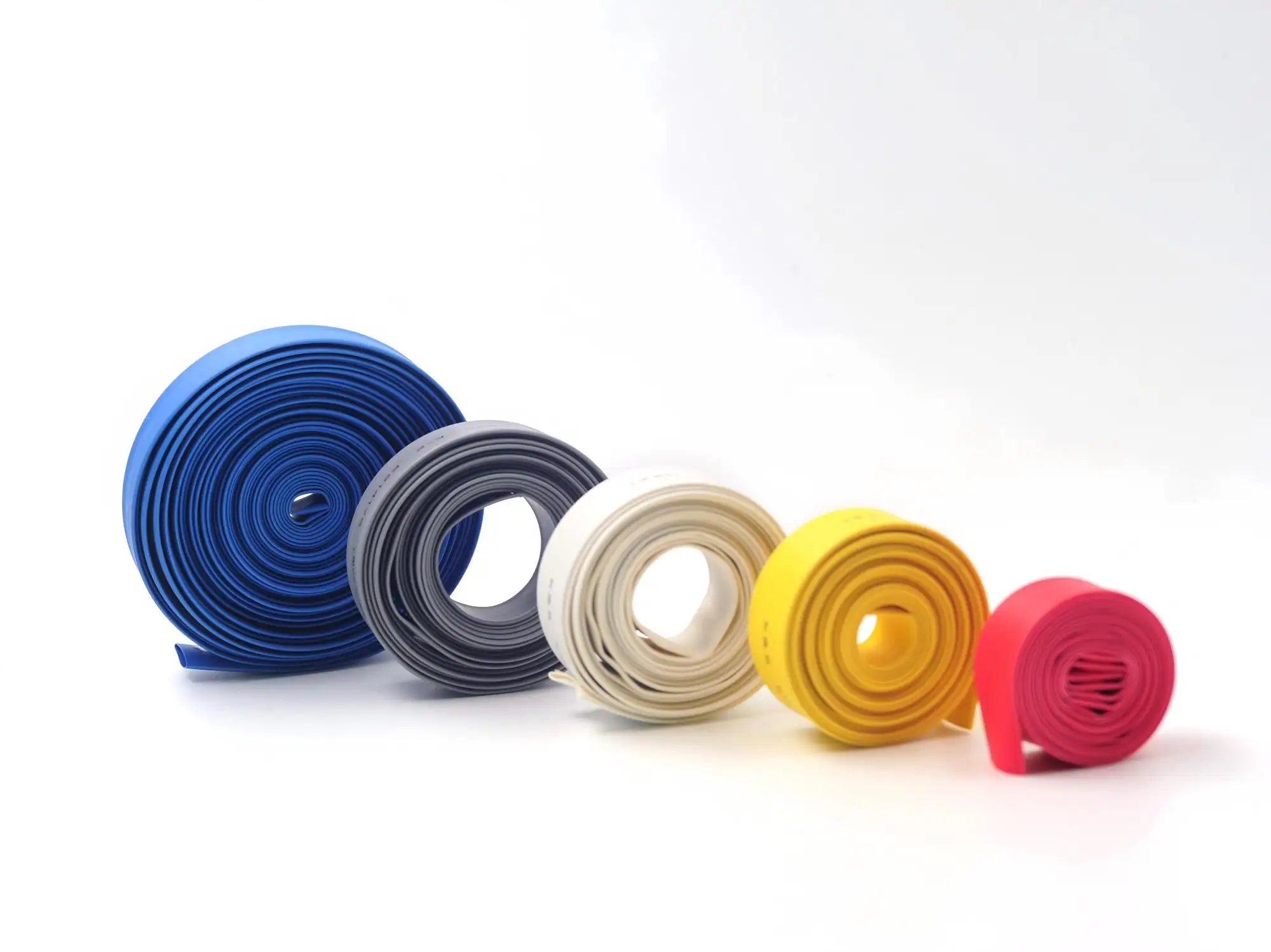
Moisture damage in electrical wiring systems represents one of the most persistent and costly challenges faced by industrial facilities, construction projects, and infrastructure maintenance teams. When water infiltrates wire connections, junction points, and cable assemblies, it triggers a cascade of problems including corrosion, short circuits, insulation breakdown, and complete system failures. Understanding how heat shrinkable tube technology provides effective moisture protection requires examining the specific mechanisms through which these specialized protective sleeves create watertight barriers around vulnerable wiring components.
The protective effectiveness of heat shrinkable tube against moisture infiltration stems from its unique material properties and application methodology. When properly installed, this technology creates hermetically sealed environments that prevent water ingress while maintaining electrical performance and mechanical integrity. The success of moisture prevention depends on understanding the relationship between material selection, installation techniques, and environmental conditions that influence long-term protection reliability.
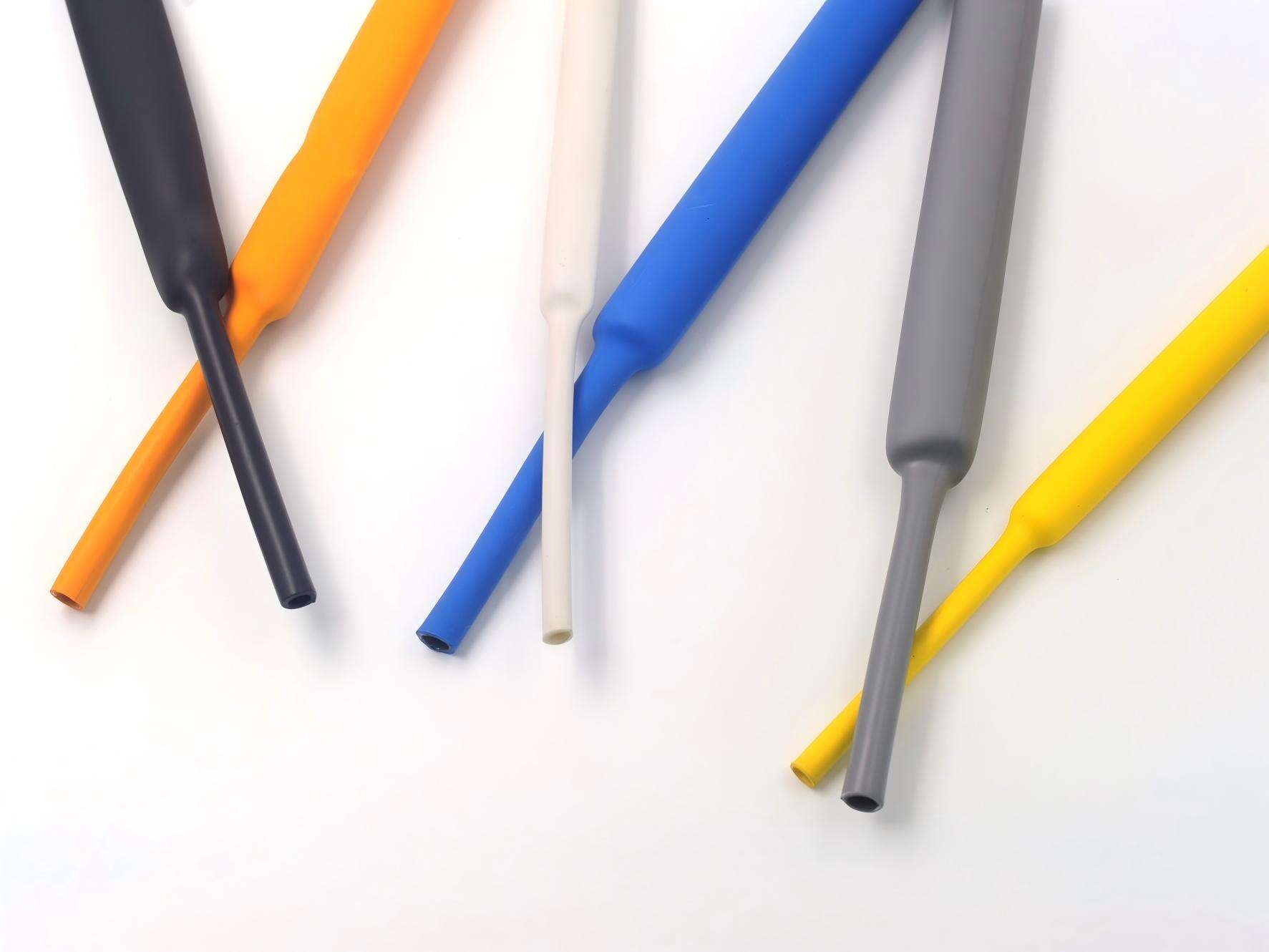
Material Science Behind Moisture Prevention
Polymer Structure and Water Resistance
The moisture-blocking capability of heat shrinkable tube begins with its molecular structure, typically composed of cross-linked polyolefin materials that exhibit inherent hydrophobic properties. These polymers contain long-chain molecules with minimal polar groups, creating surfaces that naturally repel water molecules rather than absorbing them. When subjected to controlled heating during installation, the cross-linked structure allows the tube to shrink uniformly while maintaining its chemical resistance to moisture penetration.
The cross-linking process creates a three-dimensional polymer network that prevents water molecules from penetrating the material matrix. Unlike thermoplastic materials that can soften and potentially compromise their barrier properties under temperature variations, cross-linked heat shrinkable tube maintains consistent moisture resistance across a wide range of operating conditions. This molecular stability ensures that the protective barrier remains intact even when exposed to temperature cycling, humidity fluctuations, and direct water contact.
Advanced heat shrinkable tube formulations incorporate specialized additives that enhance moisture resistance while maintaining flexibility and electrical properties. These compounds work at the molecular level to reduce water absorption rates to less than 0.1% by volume, effectively creating a moisture barrier that prevents water from reaching sensitive electrical components. The resulting material structure provides both immediate protection and long-term reliability in challenging environmental conditions.
Adhesive Lining Technology
Dual-wall heat shrinkable tube designs incorporate an inner adhesive lining that plays a crucial role in moisture prevention by creating hermetic seals around wire connections and cable entry points. This thermoplastic adhesive layer melts and flows during the heating process, conforming to irregular surfaces and filling microscopic gaps that could otherwise allow moisture infiltration. The adhesive cures to form a permanent bond that maintains its sealing properties throughout the product's operational lifetime.
The adhesive formulation in premium heat shrinkable tube products contains moisture-resistant compounds that prevent water absorption even in direct contact applications. When properly activated through controlled heating, the adhesive creates a watertight seal that can withstand hydrostatic pressure, temperature cycling, and mechanical stress without compromising its moisture barrier function. This sealing mechanism is particularly effective at cable entry points, splice connections, and termination areas where traditional insulation methods often fail.
Quality heat shrinkable tube products undergo rigorous testing to verify adhesive performance under moisture exposure conditions. The adhesive layer must maintain its sealing integrity when subjected to water immersion, humidity cycling, and temperature variations that simulate real-world installation environments. This comprehensive testing ensures that the moisture protection capability remains consistent across different application scenarios and environmental conditions.
Moisture Protection Mechanisms
Physical Barrier Formation
The primary mechanism by which heat shrinkable tube prevents moisture damage involves the creation of a continuous physical barrier that surrounds and protects electrical connections from water contact. During installation, the controlled application of heat causes the tube to shrink radially, conforming tightly to the underlying wire configuration and eliminating air gaps where moisture could accumulate. This tight conformance creates a sealed environment that prevents both liquid water and water vapor from reaching critical electrical interfaces.
The shrinkage process of heat shrinkable tube generates significant radial compression forces that ensure intimate contact between the protective material and the wire surface. This mechanical pressure eliminates potential pathways for moisture infiltration while creating a stress distribution that maintains sealing effectiveness under mechanical loading conditions. The resulting barrier provides protection against both direct water exposure and capillary action that could draw moisture into connection areas.
Advanced heat shrinkable tube designs incorporate multiple barrier layers that provide redundant protection against moisture infiltration. The outer layer provides primary weather resistance and mechanical protection, while inner layers focus on creating intimate seals around wire configurations. This multi-layer approach ensures that even if one protective layer is compromised, additional barriers maintain moisture protection integrity throughout the product's service life.
Vapor Transmission Prevention
Beyond preventing liquid water infiltration, heat shrinkable tube technology addresses the more subtle challenge of water vapor transmission that can cause gradual deterioration of electrical connections over time. The cross-linked polymer structure exhibits extremely low water vapor transmission rates, effectively blocking the passage of water molecules in gaseous form that could condense within protected areas and cause corrosion or insulation degradation.
The vapor barrier properties of heat shrinkable tube become particularly important in applications where temperature variations create condensation conditions within electrical enclosures. By preventing water vapor from reaching wire connections, the protective tube maintains dry conditions that preserve electrical performance and prevent the gradual buildup of moisture that could lead to long-term reliability problems. This vapor transmission control is essential for outdoor installations and applications in humid industrial environments.
Testing protocols for heat shrinkable tube products include water vapor transmission rate measurements that quantify the material's ability to prevent moisture migration under various temperature and humidity conditions. These measurements ensure that the protective capability extends beyond liquid water exclusion to include comprehensive moisture management that addresses all potential sources of water-related damage in electrical systems.
Installation Process for Optimal Moisture Protection
Surface Preparation and Cleaning
Achieving maximum moisture protection with heat shrinkable tube requires careful attention to surface preparation before installation begins. All wire surfaces, connection points, and adjacent areas must be thoroughly cleaned to remove dirt, oil, moisture, and oxidation that could interfere with proper tube adhesion and sealing. The presence of contaminants can create pathways for moisture infiltration even when the heat shrinkable tube appears properly installed.
The cleaning process for heat shrinkable tube installation involves degreasing agents and abrasive materials specifically selected for compatibility with wire insulation materials and the protective tube itself. Wire surfaces should be inspected for damage, nicks, or irregularities that could compromise sealing effectiveness, with repairs completed before tube installation proceeds. This preparation phase directly impacts the long-term reliability of moisture protection in demanding application environments.
Proper drying of cleaned surfaces is essential before heat shrinkable tube installation, as trapped moisture can create internal condensation that defeats the purpose of moisture protection. Installation procedures should include verification that all surfaces are completely dry and free from residual cleaning solvents that could interfere with adhesive activation or compromise material compatibility over time.
Heat Application Technique
The effectiveness of heat shrinkable tube moisture protection depends critically on proper heat application that ensures uniform shrinkage and complete adhesive activation without overheating that could damage wire insulation or compromise material properties. Professional installation requires controlled heating equipment that delivers consistent temperature across the tube length while avoiding hot spots that could create weak points in the moisture barrier.
Optimal heating technique for heat shrinkable tube involves starting from the center of the installation and working toward both ends, allowing trapped air to escape while ensuring that the adhesive flows properly to create continuous seals. The heating process should continue until the adhesive is visible around tube edges, indicating complete activation and proper sealing formation. This visual confirmation provides quality assurance that moisture protection has been achieved.
Temperature monitoring during heat shrinkable tube installation ensures that heating remains within specified parameters that activate protective properties without causing damage to underlying components. Professional installers use infrared thermometers and thermal imaging equipment to verify uniform heat distribution and confirm that shrinkage occurs evenly across the entire protected area.
Long-Term Performance and Environmental Resistance
UV Stability and Weather Resistance
The long-term effectiveness of heat shrinkable tube moisture protection requires resistance to environmental factors that could degrade protective properties over time. UV stabilization additives in quality heat shrinkable tube formulations prevent polymer degradation that could create microscopic cracks or surface deterioration that allows moisture infiltration. This UV resistance ensures that outdoor installations maintain their moisture protection capability throughout extended service periods.
Weather resistance testing for heat shrinkable tube products includes exposure to temperature cycling, humidity variations, and simulated weathering conditions that accelerate aging processes. These tests verify that moisture protection remains effective after years of environmental exposure, providing confidence in long-term installation reliability. The testing protocols simulate decades of real-world conditions to validate protective performance claims.
Advanced heat shrinkable tube materials incorporate multiple stabilization systems that address different degradation mechanisms including oxidation, UV exposure, and thermal cycling. This comprehensive approach to environmental resistance ensures that moisture protection capability does not diminish over time, even in challenging installation environments that combine multiple stress factors.
Chemical Compatibility and Resistance
Industrial applications often expose heat shrinkable tube installations to chemical environments that could potentially compromise moisture protection if material selection is inappropriate for the specific conditions. Chemical resistance testing verifies that heat shrinkable tube materials maintain their barrier properties when exposed to oils, solvents, acids, and other substances commonly encountered in industrial facilities.
The cross-linked polymer structure of heat shrinkable tube provides inherent resistance to many chemicals while maintaining moisture barrier effectiveness. However, specific applications may require material formulations optimized for particular chemical environments, with selection guidelines that ensure compatibility between the protective tube and expected exposure conditions throughout the installation's operational lifetime.
Comprehensive chemical compatibility data for heat shrinkable tube products enables proper material selection for applications where both moisture protection and chemical resistance are required. This information guides installers in choosing appropriate products that maintain their protective properties even when exposed to aggressive chemical environments that could compromise inferior protection methods.
FAQ
How long does heat shrinkable tube moisture protection last?
Quality heat shrinkable tube products provide moisture protection for 20-30 years when properly installed and selected for appropriate environmental conditions. The cross-linked polymer structure and UV stabilization additives ensure that protective properties remain effective throughout extended service periods, even in challenging outdoor environments with temperature cycling and weather exposure.
Can heat shrinkable tube be used in underwater applications?
Heat shrinkable tube with adhesive lining can provide effective moisture protection in underwater applications when properly installed according to manufacturer specifications. The hermetic seal created by the adhesive layer prevents water infiltration even under hydrostatic pressure conditions. However, specific product selection and installation techniques are required for submersion applications to ensure long-term reliability.
What temperature range maintains heat shrinkable tube moisture protection?
Most heat shrinkable tube products maintain their moisture protection properties across temperature ranges from -55°C to +125°C, with specialized formulations available for extreme temperature applications. The cross-linked polymer structure ensures that protective barriers remain intact through temperature cycling without cracking or losing adhesion that could allow moisture infiltration.
How can you verify that heat shrinkable tube installation provides adequate moisture protection?
Proper heat shrinkable tube installation can be verified by visual inspection for complete shrinkage, adhesive flow at tube ends, and absence of air bubbles or gaps. Professional installations may include electrical testing to verify insulation integrity and pressure testing to confirm hermetic sealing. The adhesive should be visible around tube edges, indicating complete activation and proper moisture barrier formation.