
 EN
EN



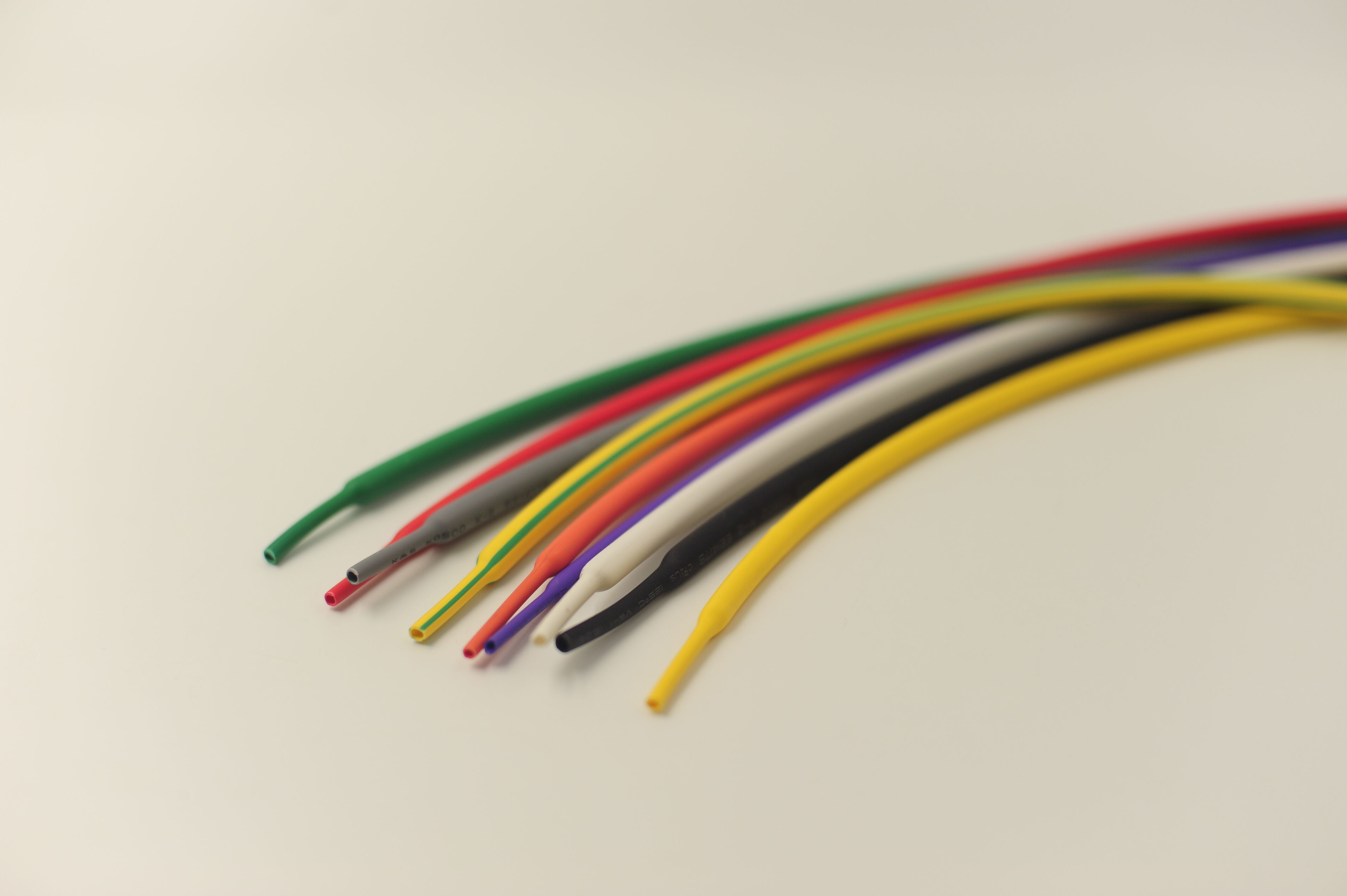
Heat shrinkable tube represents a critical component in modern cable insulation applications, offering engineers and technicians a reliable method to protect electrical connections from environmental hazards and mechanical stress. When heated, these polymer-based tubes contract uniformly around cables, creating a tight, protective seal that maintains electrical integrity and prevents moisture ingress. Understanding the proper application methods and selection criteria for heat shrinkable tube technology enables professionals to implement effective cable protection strategies across diverse industrial environments.
The application process of heat shrinkable tube in cable insulation involves precise temperature control and proper sizing to achieve optimal results. Professional installers must consider factors such as cable diameter, operating environment, and required protection levels when selecting appropriate tubing materials. The shrinkage mechanism activates when controlled heat application causes the cross-linked polymer structure to return to its original manufactured dimensions, creating a secure protective barrier around the target cable assembly.
Material Properties and Shrinkage Mechanism
Polymer Composition and Cross-Linking Technology
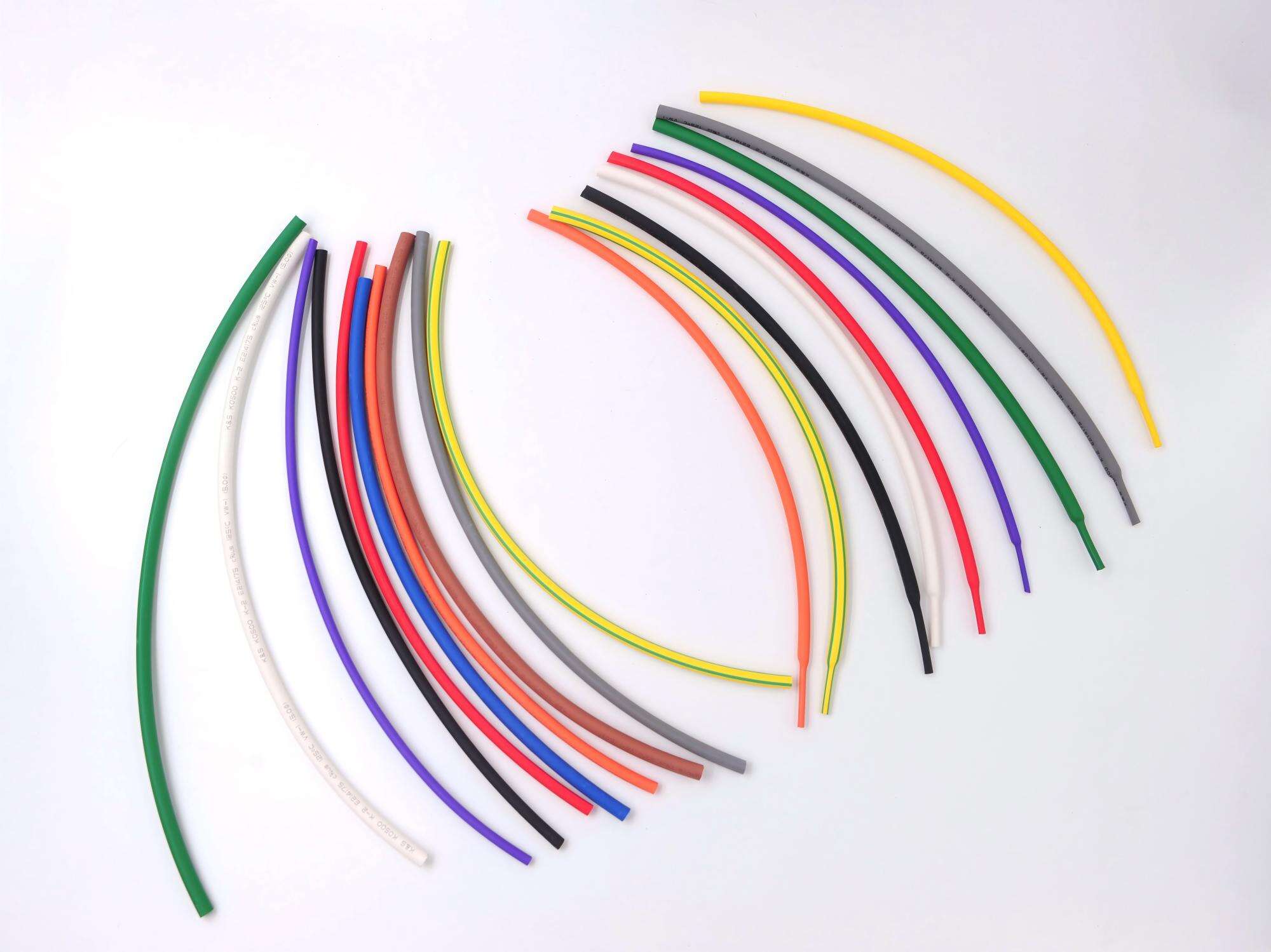
Heat shrinkable tube materials utilize cross-linked polyolefin compounds that undergo controlled molecular restructuring during the manufacturing process. The cross-linking creates three-dimensional polymer networks that provide mechanical memory, allowing the tubing to return to predetermined dimensions when heated above activation temperature. This molecular structure ensures consistent shrinkage ratios and maintains dimensional stability throughout the application process.
Advanced polyolefin formulations incorporate flame-retardant additives and UV stabilizers to enhance performance in demanding cable insulation applications. The material density and polymer chain length directly influence the heat shrinkable tube's flexibility, shrinkage force, and temperature resistance characteristics. These properties determine suitability for specific cable types and environmental conditions encountered in industrial installations.
Temperature Activation and Shrinkage Control
The shrinkage activation temperature typically ranges from 90°C to 150°C depending on the specific polymer formulation used in heat shrinkable tube construction. Controlled heating ensures uniform contraction while preventing overheating that could damage underlying cable insulation. The shrinkage ratio, commonly 2:1 or 3:1, indicates the maximum diameter reduction capability from expanded to fully contracted state.
Temperature distribution during application affects the final fit quality and protection effectiveness of heat shrinkable tube installations. Even heating prevents localized stress concentrations and ensures complete adhesion to cable surfaces. Professional heat guns with adjustable temperature settings provide the precision control necessary for optimal shrinkage results across various tube dimensions and wall thicknesses.
Installation Procedures and Application Techniques
Pre-Installation Cable Preparation
Proper cable preparation forms the foundation for successful heat shrinkable tube application in insulation systems. Surface cleaning removes contaminants, oils, and debris that could interfere with adhesion or create air gaps beneath the contracted tubing. Cable conductors require appropriate stripping lengths and connector installation before positioning the heat shrinkable tube over the connection area.
Measurement accuracy ensures optimal coverage and protection when selecting heat shrinkable tube dimensions for specific cable applications. The expanded tube diameter must accommodate the largest cross-sectional area while the contracted diameter provides sufficient compression for secure attachment. Proper length calculation includes allowance for overlap areas and connection geometry variations that affect final positioning requirements.
Heat Application Methods and Quality Control
Systematic heating techniques ensure uniform shrinkage and optimal performance characteristics in cable insulation applications using heat shrinkable tube technology. Starting from the center and working outward prevents air entrapment while promoting even contraction across the entire tube length. Controlled temperature application rates allow polymer relaxation and proper conforming to cable surface irregularities.
Quality verification procedures confirm proper installation and performance readiness of heat shrinkable tube assemblies. Visual inspection identifies incomplete shrinkage areas, air bubbles, or surface defects that could compromise protection effectiveness. Electrical testing validates insulation integrity and verifies that the heat shrinkable tube installation meets specified performance requirements for the intended application environment.
Environmental Protection and Performance Benefits
Moisture and Chemical Resistance
Heat shrinkable tube provides exceptional barrier properties against moisture ingress, chemical exposure, and atmospheric contamination in cable insulation applications. The contracted polymer structure creates a continuous protective envelope that prevents corrosive substances from reaching sensitive electrical connections. This environmental sealing capability extends cable service life and maintains reliable electrical performance under harsh operating conditions.
Chemical compatibility varies among different heat shrinkable tube formulations, requiring material selection based on specific exposure risks and environmental conditions. Polyolefin-based materials offer broad chemical resistance while specialized compounds provide enhanced protection against specific solvents, acids, or alkaline substances. Understanding these compatibility factors ensures appropriate material specification for diverse industrial cable insulation requirements.
Mechanical Protection and Stress Relief
The mechanical protection capabilities of heat shrinkable tube significantly enhance cable system reliability by distributing stress loads and preventing localized damage. The contracted tubing provides cushioning against impact forces, vibration, and flexing that could otherwise compromise cable integrity. This mechanical reinforcement proves particularly valuable in mobile equipment applications and high-vibration industrial environments.
Stress relief characteristics of properly applied heat shrinkable tube reduce fatigue failures at cable termination points and connection interfaces. The graduated stiffness transition from rigid connectors to flexible cables minimizes stress concentrations that cause premature failure. This stress distribution capability extends cable assembly service life and reduces maintenance requirements in demanding operational environments.
Industry Applications and Selection Criteria
Electrical and Power Distribution Systems
Power distribution networks rely extensively on heat shrinkable tube technology for cable insulation protection in substations, switchgear, and transmission line applications. High-voltage installations require specialized tubing materials with enhanced dielectric properties and tracking resistance to maintain electrical safety margins. The uniform coverage provided by heat shrinkable tube eliminates potential failure points that could compromise system reliability.
Low-voltage control and instrumentation circuits benefit from heat shrinkable tube protection against electromagnetic interference and signal degradation. The continuous shielding envelope maintains signal integrity while providing mechanical protection for delicate sensor cables and communication lines. This dual protection capability proves essential in precision control systems and measurement applications where signal quality directly affects operational performance.
Automotive and Transportation Industries
Automotive wiring harnesses utilize heat shrinkable tube extensively for splice protection, branch connections, and terminal insulation in vehicle electrical systems. The vibration resistance and temperature stability of quality tubing materials ensure reliable performance throughout vehicle service life. Engine compartment applications require heat shrinkable tube specifications that withstand elevated temperatures and exposure to automotive fluids.
Transportation infrastructure projects incorporate heat shrinkable tube technology for traffic signal systems, railway electrification, and airport ground support equipment cable protection. The weather resistance and UV stability of specialized formulations maintain protection effectiveness despite continuous outdoor exposure. These applications demand heat shrinkable tube materials that meet stringent safety and reliability standards for public infrastructure systems.
FAQ
What temperature range is required for proper heat shrinkable tube activation?
Most heat shrinkable tube materials activate between 90°C and 150°C, with optimal shrinkage occurring within a narrow temperature range specific to each polymer formulation. Professional installation requires controlled heating to avoid overheating that could damage the tube material or underlying cable insulation. Temperature guns with adjustable settings provide the precision control necessary for consistent results across different tube sizes and wall thicknesses.
How do you determine the correct heat shrinkable tube size for a specific cable application?
Proper sizing requires measuring the largest cross-sectional area that the expanded tube must cover, then selecting a contracted diameter that provides adequate compression for secure attachment. The shrinkage ratio, typically 2:1 or 3:1, determines the size relationship between expanded and contracted states. Professional installers add appropriate length allowances for overlap areas and connection geometry variations to ensure complete coverage and protection.
What are the key quality indicators for successful heat shrinkable tube installation?
Successful installation exhibits uniform shrinkage without air bubbles, wrinkles, or incomplete contraction areas that could compromise protection effectiveness. The tube should conform closely to cable surface contours while maintaining smooth transitions at termination points. Visual inspection should confirm complete coverage of the intended protection area, and electrical testing should verify maintained insulation integrity and specified performance characteristics.
Can heat shrinkable tube be removed and reinstalled if necessary?
Once properly activated, heat shrinkable tube cannot be reversed to its expanded state and typically requires cutting for removal from cable assemblies. The cross-linked polymer structure permanently contracts during heating, making the material non-reusable for subsequent applications. Removal procedures must carefully avoid damage to underlying cables, and replacement installations require new tubing materials sized appropriately for the specific application requirements.
Table of Contents
- Material Properties and Shrinkage Mechanism
- Installation Procedures and Application Techniques
- Environmental Protection and Performance Benefits
- Industry Applications and Selection Criteria
-
FAQ
- What temperature range is required for proper heat shrinkable tube activation?
- How do you determine the correct heat shrinkable tube size for a specific cable application?
- What are the key quality indicators for successful heat shrinkable tube installation?
- Can heat shrinkable tube be removed and reinstalled if necessary?