
 EN
EN



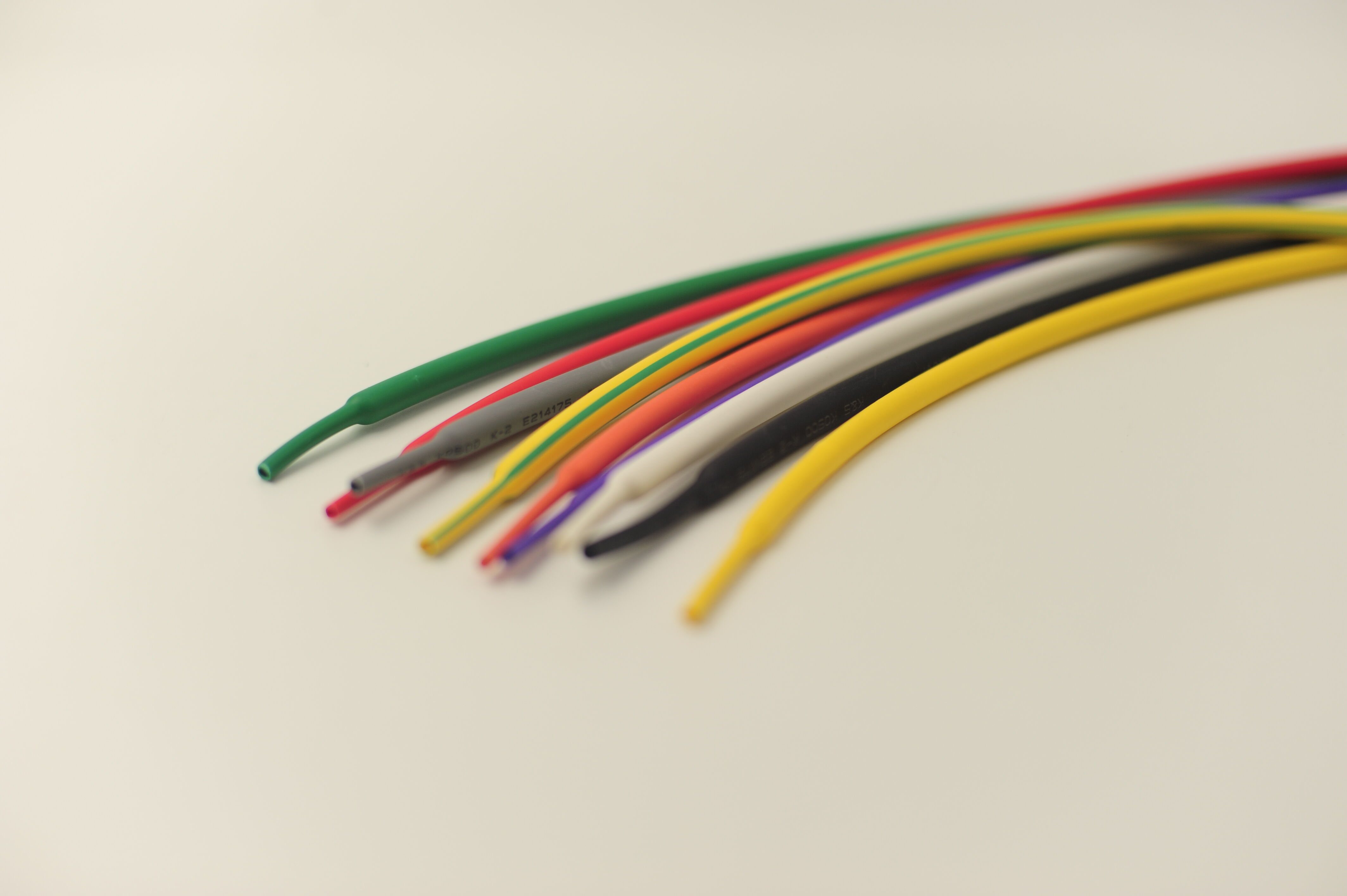
Automotive projects demand exceptional protection for electrical systems, wiring harnesses, and sensitive components that operate under extreme conditions. Heat shrinkable tube technology has become an indispensable solution for automotive engineers seeking reliable insulation, strain relief, and environmental protection in vehicles ranging from passenger cars to heavy-duty commercial trucks.
Understanding the specific applications where heat shrinkable tube provides critical functionality helps automotive professionals select appropriate protection methods for their projects. From engine bay wiring to interior electronics, heat shrinkable tube addresses unique challenges that arise from temperature fluctuations, vibration, chemical exposure, and moisture infiltration throughout automotive systems.
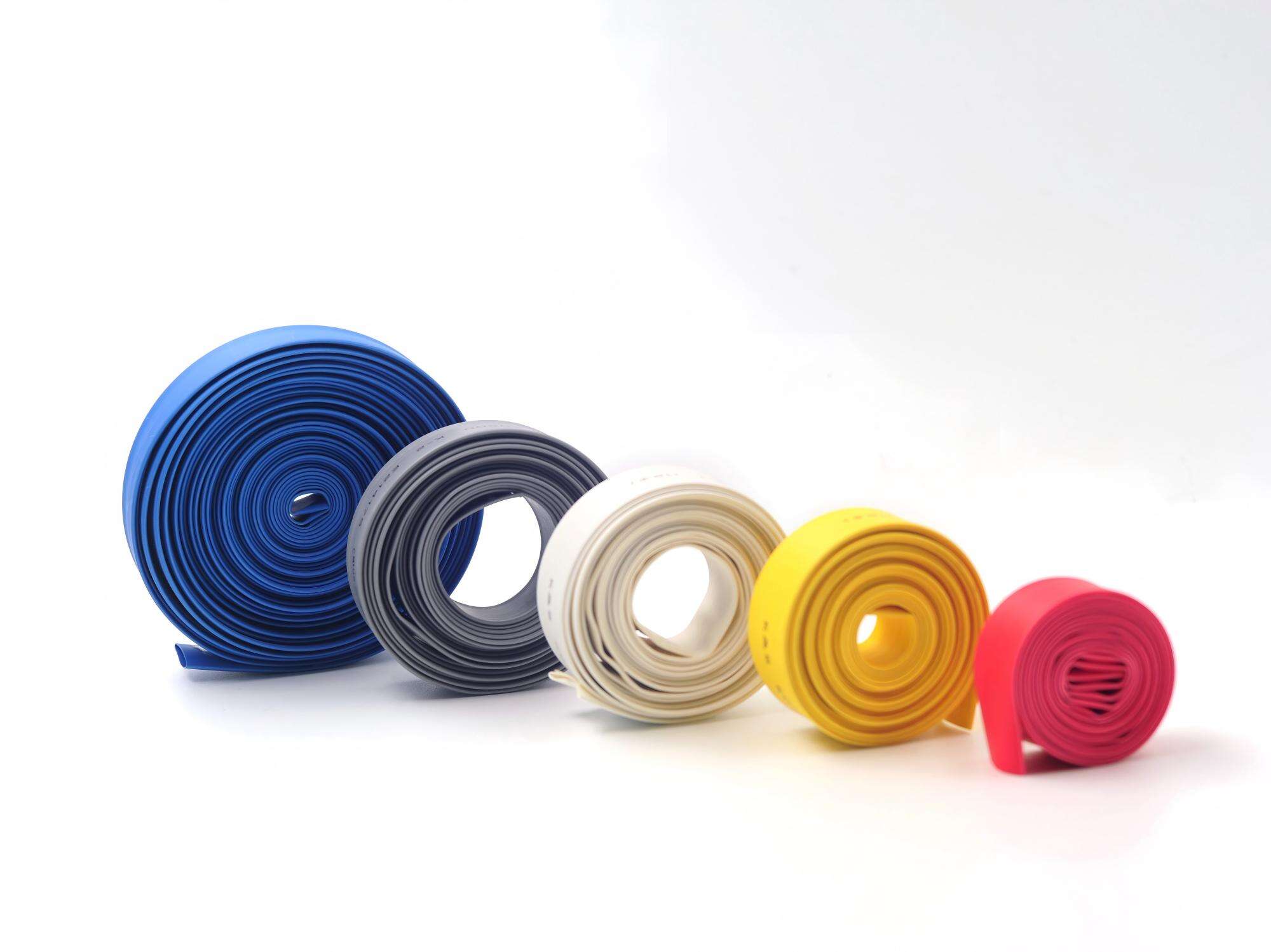
Engine Bay and Powertrain Protection Applications
High-Temperature Wiring Harness Protection
Engine compartments present some of the most demanding environments in automotive applications, where heat shrinkable tube must withstand temperatures exceeding 150°C while maintaining insulation integrity. Primary wiring harnesses carrying power to fuel injectors, ignition systems, and engine control modules require robust protection against heat radiation from exhaust manifolds and engine blocks.
The heat shrinkable tube application process begins during harness assembly, where technicians slide appropriately sized tubing over wire bundles before installing connectors. Once positioned, controlled heat application causes the tubing to conform tightly around irregular shapes, creating a protective barrier that prevents wire chafing against sharp metal edges common in engine bays.
Automotive manufacturers specify heat shrinkable tube with flame-retardant properties for engine bay applications, ensuring that electrical faults cannot propagate fires through wiring insulation. The shrinkage ratio typically ranges from 2:1 to 4:1, allowing single tube sizes to accommodate various wire gauge combinations within the same harness assembly.
Sensor and Actuator Connection Sealing
Critical engine sensors including oxygen sensors, temperature probes, and pressure transducers rely on heat shrinkable tube for reliable electrical connections in harsh operating environments. These connections must remain waterproof while accommodating thermal expansion and vibration throughout the engine's operational range.
Installation procedures for sensor applications involve careful positioning of heat shrinkable tube over splice joints and connector interfaces before applying heat activation. The resulting seal prevents moisture ingress that could cause sensor malfunction or corrosion, which directly impacts engine performance and emissions compliance.
Specialized heat shrinkable tube variants with adhesive inner layers provide additional sealing capability for sensor applications exposed to direct water spray during vehicle washing or severe weather conditions. This dual-wall construction ensures long-term reliability even when subjected to repeated thermal cycling between cold starts and normal operating temperatures.
Interior Electronic System Applications
Dashboard and Instrument Panel Wiring
Modern vehicle dashboards contain complex electronic systems requiring precise wire management and protection, where heat shrinkable tube serves multiple functions beyond basic insulation. Navigation systems, climate control modules, and digital instrument clusters generate their own heat while operating in confined spaces with limited ventilation.
Heat shrinkable tube applications in dashboard assemblies focus on organizing wire bundles and preventing electromagnetic interference between adjacent circuits. The tubing material must remain flexible at low temperatures to accommodate dashboard movement during temperature changes while providing sufficient rigidity to maintain wire routing paths.
Color-coded heat shrinkable tube systems help technicians identify circuit functions during assembly and service procedures, reducing installation errors that could affect vehicle safety systems. Standard automotive color codes ensure consistency across different vehicle models and manufacturing facilities.
Infotainment and Communication System Protection
Advanced infotainment systems incorporate multiple data buses, antenna connections, and high-frequency circuits that require specialized heat shrinkable tube with electromagnetic shielding properties. These applications demand precise impedance control and signal integrity maintenance throughout the protection system.
Installation of heat shrinkable tube around coaxial cables and twisted-pair data lines requires careful attention to maintain characteristic impedance while providing mechanical protection. The shrinkage process must not compress cables sufficiently to alter their electrical properties or create signal reflections that degrade system performance.
Automotive-grade heat shrinkable tube for communication systems incorporates conductive layers that provide continuous electromagnetic shielding even after installation. This construction prevents external interference from affecting sensitive digital signals while containing electromagnetic emissions generated by internal circuitry.
Exterior Lighting and Safety System Applications
Headlight and Tail Light Assembly Protection
Automotive lighting systems operate in challenging exterior environments where heat shrinkable tube must protect electrical connections from road salt, moisture, and temperature extremes while maintaining optical performance. LED and HID lighting systems generate significant heat that requires specialized thermal management approaches.
Heat shrinkable tube applications in lighting assemblies include sealing wire entry points into lamp housings and protecting high-voltage connections to ballasts and LED drivers. The material selection must consider both electrical insulation requirements and compatibility with automotive lighting regulations regarding light transmission and reflection.
Transparent and translucent heat shrinkable tube variants allow visual inspection of connections after installation while maintaining protection against environmental contamination. This feature proves particularly valuable for aftermarket lighting modifications where connection integrity affects both performance and regulatory compliance.
Safety System Sensor Protection
Advanced driver assistance systems rely on radar, lidar, and camera sensors mounted throughout the vehicle exterior, where heat shrinkable tube protects critical wiring from environmental damage while maintaining sensor calibration accuracy. These applications require materials that do not interfere with sensor operation frequencies.
Heat shrinkable tube installation around safety system wiring must account for vehicle body movement and suspension travel that subjects cables to repeated flexing cycles. Specialized flexible formulations maintain protection integrity throughout the vehicle's service life without cracking or separating from wire insulation.
Automotive safety regulations specify particular heat shrinkable tube performance requirements for systems affecting vehicle control or collision avoidance. These specifications ensure that protection systems do not introduce failure modes that could compromise safety system reliability during critical operating conditions.
Battery and Charging System Applications
High-Voltage Battery Pack Protection
Electric and hybrid vehicles require specialized heat shrinkable tube applications for high-voltage battery systems operating at 400V or higher, where arc resistance and flame retardancy become critical safety considerations. These applications demand materials certified for high-voltage automotive use with appropriate dielectric strength ratings.
Battery pack wiring harnesses utilize heat shrinkable tube with orange color coding to identify high-voltage circuits according to automotive industry standards. Installation procedures require specific training and safety equipment due to the electrical hazards associated with high-energy battery systems.
Thermal management considerations for battery applications include heat shrinkable tube materials that maintain flexibility and insulation properties across the wide temperature range experienced during charging, operation, and thermal management system cycling. Material degradation could create safety hazards in high-energy electrical systems.
Charging Port and Cable Management
Electric vehicle charging systems incorporate heat shrinkable tube for protecting high-current connections between charging ports, onboard chargers, and battery management systems. These connections must handle hundreds of amperes while maintaining safety isolation from vehicle chassis and occupants.
Heat shrinkable tube applications in charging systems include strain relief at cable entry points and insulation reinforcement at high-current terminations. The installation process requires coordination with charging system commissioning to ensure proper heat application without damaging temperature-sensitive electronic components.
Regulatory compliance for charging system heat shrinkable tube involves multiple automotive and electrical safety standards that specify performance requirements for materials used in electric vehicle charging infrastructure. These requirements ensure safe operation throughout the vehicle's service life under various environmental conditions.
FAQ
What temperature range can automotive heat shrinkable tube withstand?
Automotive-grade heat shrinkable tube typically operates reliably from -40°C to +150°C, with specialized high-temperature variants capable of withstanding up to 200°C for engine bay applications. The material maintains flexibility and insulation properties throughout this range while providing consistent protection against environmental factors.
How do I select the correct size heat shrinkable tube for automotive wiring?
Choose heat shrinkable tube with an expanded diameter approximately 20-30% larger than the wire bundle or connector being protected, ensuring adequate coverage without excessive bulk. Consider the shrinkage ratio specification to determine the final diameter after heat application, accounting for any connectors or irregular shapes within the protected area.
Can heat shrinkable tube be removed and reinstalled during automotive service procedures?
Heat shrinkable tube forms a permanent installation that cannot be removed and reused due to the molecular changes that occur during the shrinkage process. Service procedures requiring access to protected connections typically involve cutting away the existing tubing and installing new heat shrinkable tube after completing repairs or modifications.
What certifications should automotive heat shrinkable tube meet for safety compliance?
Automotive heat shrinkable tube should meet relevant standards including SAE specifications for automotive electrical components, UL recognition for flame retardancy, and automotive OEM specifications for specific applications. High-voltage electric vehicle applications require additional certifications for dielectric strength and arc resistance appropriate for the voltage levels involved.
Table of Contents
- Engine Bay and Powertrain Protection Applications
- Interior Electronic System Applications
- Exterior Lighting and Safety System Applications
- Battery and Charging System Applications
-
FAQ
- What temperature range can automotive heat shrinkable tube withstand?
- How do I select the correct size heat shrinkable tube for automotive wiring?
- Can heat shrinkable tube be removed and reinstalled during automotive service procedures?
- What certifications should automotive heat shrinkable tube meet for safety compliance?