
 EN
EN



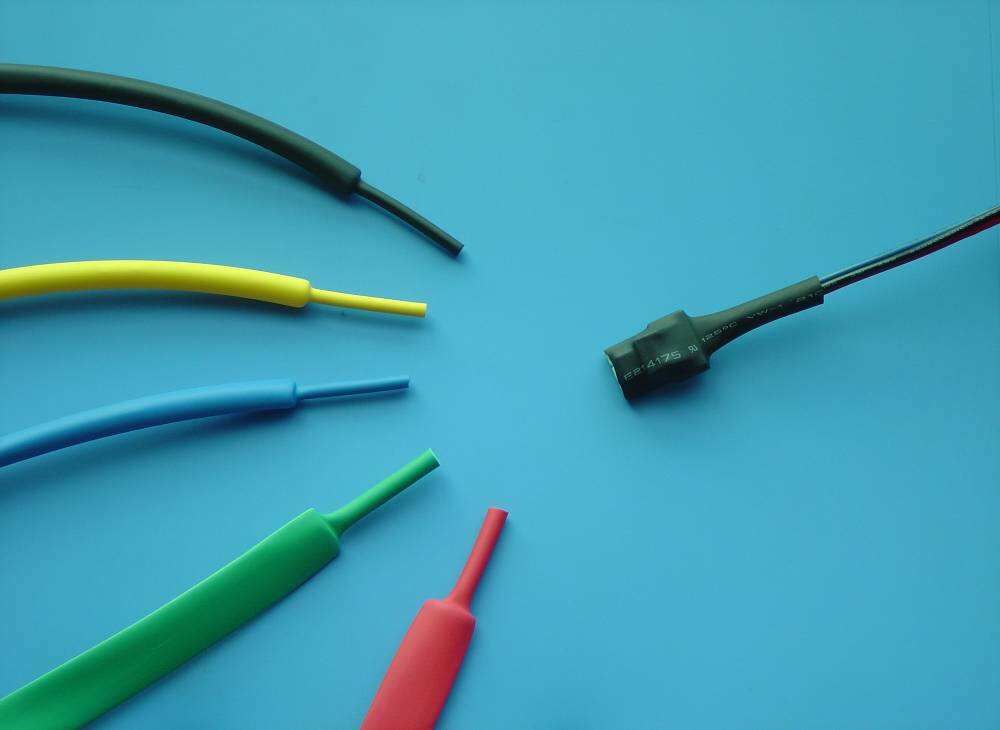
Industrial automation systems demand robust protection solutions that can withstand harsh operating conditions while maintaining reliable performance over extended periods. Heat shrinkable tube technology has emerged as a critical component in these environments, offering superior cable protection, electrical insulation, and environmental sealing capabilities that traditional protection methods cannot match.
The unique properties of heat shrinkable tube make it particularly well-suited for industrial automation applications where consistent operation, safety, and long-term reliability are paramount. Understanding these characteristics helps engineers and system designers make informed decisions about protection strategies for their automation infrastructure.
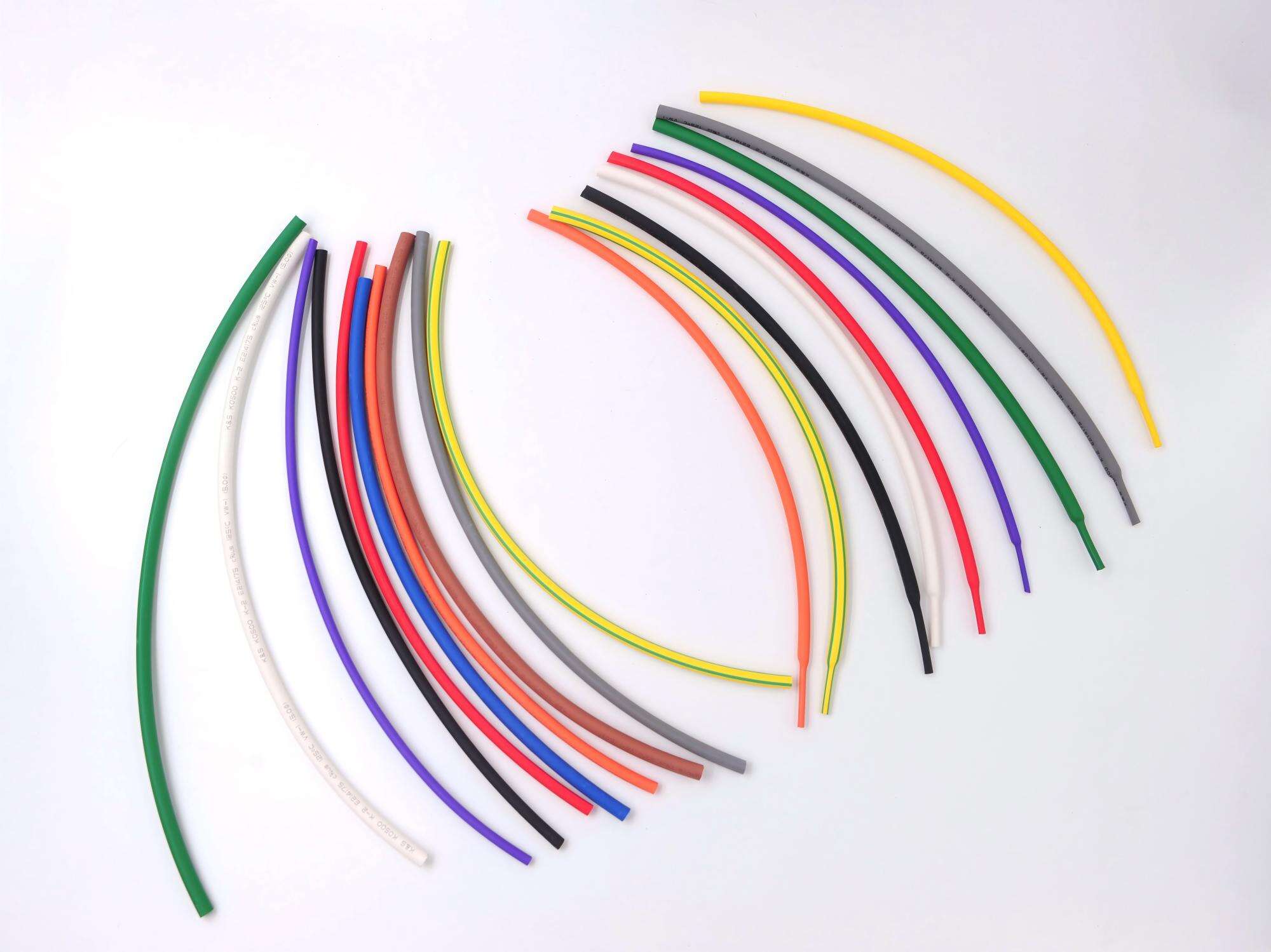
Material Properties and Construction Advantages
Advanced Polymer Engineering
The foundation of heat shrinkable tube effectiveness lies in its advanced polymer construction, typically utilizing cross-linked polyolefin materials that undergo controlled molecular restructuring during manufacturing. This process creates a material with memory properties that allow the tube to shrink uniformly when heated, conforming tightly to irregular shapes and providing consistent coverage across complex cable configurations.
Industrial automation environments benefit significantly from this material engineering because the cross-linked structure provides superior resistance to chemical exposure, temperature fluctuations, and mechanical stress. The polymer chains form a three-dimensional network that maintains structural integrity even under prolonged exposure to industrial solvents, oils, and cleaning agents commonly found in manufacturing facilities.
The molecular structure of quality heat shrinkable tube also provides excellent dielectric properties, making it ideal for protecting electrical connections in automation systems where signal integrity and insulation performance are critical. This characteristic ensures that sensitive control signals and power distribution remain isolated and protected from electromagnetic interference.
Temperature Performance Characteristics
Industrial automation systems often operate in environments with significant temperature variations, from cold storage facilities to high-heat manufacturing processes. Heat shrinkable tube demonstrates exceptional performance across wide temperature ranges, typically maintaining flexibility and protective properties from -55°C to +135°C, depending on the specific formulation.
This temperature resilience makes heat shrinkable tube particularly valuable in automation applications where thermal cycling is common. Unlike rigid protection systems that may crack or fail under thermal stress, the flexible nature of heat shrinkable tube allows it to expand and contract with temperature changes while maintaining its protective seal and structural integrity.
The activation temperature of heat shrinkable tube is carefully engineered to ensure proper installation without damaging sensitive electronic components. Most industrial-grade products activate at temperatures between 70°C and 120°C, allowing technicians to achieve proper shrinkage using standard heat guns while avoiding thermal damage to nearby automation equipment.
Environmental Protection and Sealing Capabilities
Moisture and Contamination Resistance
Industrial automation environments frequently expose electrical connections to moisture, dust, and chemical contaminants that can cause system failures and safety hazards. Heat shrinkable tube provides a hermetic seal when properly installed, creating a barrier that prevents moisture ingress and contamination accumulation around critical electrical connections.
The shrinkage process creates intimate contact between the tube wall and the protected components, eliminating air gaps where moisture could accumulate or corrosive substances could penetrate. This tight conformance is particularly important in automation systems where even minor moisture ingress can cause control signal degradation or equipment malfunction.
Many industrial-grade heat shrinkable tube products include adhesive linings that activate during the shrinkage process, creating an additional moisture barrier and providing strain relief for cable connections. This dual-layer protection significantly enhances the long-term reliability of automation system connections.
Chemical Resistance Properties
Industrial automation equipment often operates in environments where exposure to chemicals, oils, and cleaning agents is unavoidable. Heat shrinkable tube manufactured from high-quality polyolefin materials demonstrates excellent resistance to a wide range of industrial chemicals, including hydraulic fluids, cutting oils, and standard cleaning solvents used in manufacturing facilities.
This chemical resistance is crucial for maintaining the integrity of electrical connections in automated manufacturing lines where process fluids may come into contact with wiring and control systems. The cross-linked polymer structure of heat shrinkable tube prevents chemical penetration and material degradation that could compromise protection effectiveness over time.
The non-porous surface of properly installed heat shrinkable tube also facilitates easy cleaning and decontamination, which is essential in industries with strict hygiene requirements or where regular equipment sanitization is necessary for product quality control.
Installation Efficiency and Reliability Factors
Simplified Installation Process
The installation characteristics of heat shrinkable tube provide significant advantages in industrial automation applications where system downtime must be minimized and installation reliability is critical. Unlike mechanical protection systems that require precise measurements, multiple components, or complex assembly procedures, heat shrinkable tube installation requires only proper sizing selection and controlled heat application.
This simplicity translates directly into reduced installation time and lower labor costs for automation system deployment and maintenance. Technicians can quickly protect multiple connections using standard tools, and the forgiving nature of the shrinkage process accommodates minor sizing variations without compromising protection effectiveness.
The visual confirmation available during heat shrinkable tube installation also provides quality assurance that is difficult to achieve with other protection methods. Technicians can observe the shrinkage process and ensure complete coverage and proper sealing, reducing the likelihood of installation errors that could compromise system reliability.
Long-Term Performance Reliability
Industrial automation systems are typically designed for extended service life, often operating continuously for years without major maintenance interventions. Heat shrinkable tube contributes to this reliability by providing consistent protection performance that does not degrade significantly over time when properly selected and installed.
The cross-linked molecular structure of quality heat shrinkable tube resists UV degradation, oxidation, and stress cracking that can affect other protection materials in industrial environments. This stability ensures that protection performance remains consistent throughout the service life of the automation equipment.
The permanent nature of heat shrinkable tube installation also eliminates concerns about mechanical fasteners loosening, adhesives failing, or protective covers being inadvertently removed during maintenance activities. Once properly installed, heat shrinkable tube provides continuous protection without requiring periodic inspection or adjustment.
Electrical Performance in Automation Systems
Insulation and Dielectric Properties
The electrical performance characteristics of heat shrinkable tube make it particularly valuable for protecting connections in industrial automation systems where maintaining signal integrity and preventing electrical faults are critical safety and operational concerns. High-quality heat shrinkable tube provides excellent dielectric strength, typically exceeding 15 kV/mm, which ensures reliable insulation even in high-voltage automation applications.
This insulation performance is maintained across the operational temperature range, ensuring that protection effectiveness does not degrade as environmental conditions change. The stable dielectric properties of heat shrinkable tube help prevent ground faults, short circuits, and signal interference that could disrupt automation system operation or create safety hazards.
The low dielectric constant of quality heat shrinkable tube also minimizes its impact on signal transmission characteristics, making it suitable for protecting high-frequency communication lines and sensitive control signals without introducing significant signal distortion or attenuation.
Electromagnetic Compatibility
Industrial automation environments often contain multiple sources of electromagnetic interference, including variable frequency drives, switching power supplies, and wireless communication systems. Heat shrinkable tube helps maintain electromagnetic compatibility by providing consistent coverage that prevents cable connections from becoming unintentional antennas or sources of electromagnetic emissions.
The uniform coverage achieved through heat shrinkable tube installation eliminates gaps and irregularities in cable shielding that could allow electromagnetic interference to couple into sensitive control circuits. This characteristic is particularly important for automation systems that rely on precise analog signals or high-speed digital communication protocols.
Some specialized heat shrinkable tube products incorporate conductive particles or metallic layers that provide additional electromagnetic shielding capabilities while maintaining the flexibility and environmental protection characteristics of standard products. These solutions are particularly valuable in automation applications where both physical protection and electromagnetic compatibility are required.
Cost-Effectiveness and Maintenance Considerations
Total Cost of Ownership Benefits
The economic advantages of using heat shrinkable tube in industrial automation applications extend beyond the initial material cost to include significant savings in installation labor, maintenance requirements, and system downtime prevention. The rapid installation process reduces project timelines and labor costs compared to alternative protection methods that require more complex assembly procedures.
The long service life and reliable performance of quality heat shrinkable tube also contribute to favorable total cost of ownership by minimizing the need for protection system replacement or repair during the operational life of automation equipment. This reliability translates directly into reduced maintenance costs and improved system availability.
The prevention of electrical failures and connection problems through effective heat shrinkable tube protection also helps avoid the significant costs associated with unplanned downtime in automated production systems. The cost of protection is minimal compared to the potential losses from production interruptions or equipment damage caused by inadequate connection protection.
Maintenance and Inspection Requirements
Industrial automation systems benefit from protection solutions that minimize ongoing maintenance requirements while providing reliable performance indicators. Heat shrinkable tube requires minimal maintenance once properly installed, as the permanent shrinkage eliminates concerns about mechanical loosening or degradation of protective coverage over time.
Visual inspection of heat shrinkable tube installations is straightforward and can be incorporated into routine maintenance procedures without requiring special tools or extensive disassembly. Technicians can quickly assess the condition of protected connections and identify any areas where replacement or additional protection may be needed.
The durability of heat shrinkable tube also means that protection systems installed during initial construction typically remain effective throughout multiple equipment upgrade cycles, providing consistent value and avoiding the need for protection system updates when automation components are modified or replaced.
FAQ
What temperature range can heat shrinkable tube withstand in industrial automation applications?
Industrial-grade heat shrinkable tube typically operates effectively in temperature ranges from -55°C to +135°C, making it suitable for most automation environments including cold storage facilities and high-temperature manufacturing processes. The specific temperature rating depends on the polymer formulation, with some specialized products offering extended ranges for extreme applications.
How does heat shrinkable tube compare to other cable protection methods in automation systems?
Heat shrinkable tube offers superior conformance to irregular shapes, permanent installation without mechanical fasteners, and excellent environmental sealing compared to rigid conduits or mechanical protection systems. It provides better long-term reliability and requires less maintenance than tape-based solutions while offering more flexibility than molded protection components.
Can heat shrinkable tube be removed and reinstalled if automation system modifications are needed?
Heat shrinkable tube is designed as a permanent protection solution and cannot be removed without cutting or destroying the material. However, this permanence is typically advantageous in automation applications where consistent long-term protection is more important than easy removability. For connections requiring frequent access, split-sleeve designs or removable mechanical protection may be more appropriate.
What factors should be considered when selecting heat shrinkable tube for specific automation applications?
Key selection factors include the operating temperature range, chemical exposure environment, required shrink ratio to accommodate cable bundle sizes, voltage rating for electrical applications, and any special requirements such as flame retardancy or electromagnetic shielding. The installation environment and accessibility for heat application during shrinkage should also be considered to ensure proper installation can be achieved.
Table of Contents
- Material Properties and Construction Advantages
- Environmental Protection and Sealing Capabilities
- Installation Efficiency and Reliability Factors
- Electrical Performance in Automation Systems
- Cost-Effectiveness and Maintenance Considerations
-
FAQ
- What temperature range can heat shrinkable tube withstand in industrial automation applications?
- How does heat shrinkable tube compare to other cable protection methods in automation systems?
- Can heat shrinkable tube be removed and reinstalled if automation system modifications are needed?
- What factors should be considered when selecting heat shrinkable tube for specific automation applications?