
 EN
EN



Telecommunications equipment operates in demanding environments where electrical connections must maintain reliability under extreme conditions. The protection of cables, wires, and connections becomes critical when equipment faces moisture, temperature fluctuations, and physical stress that could compromise signal integrity and system performance.
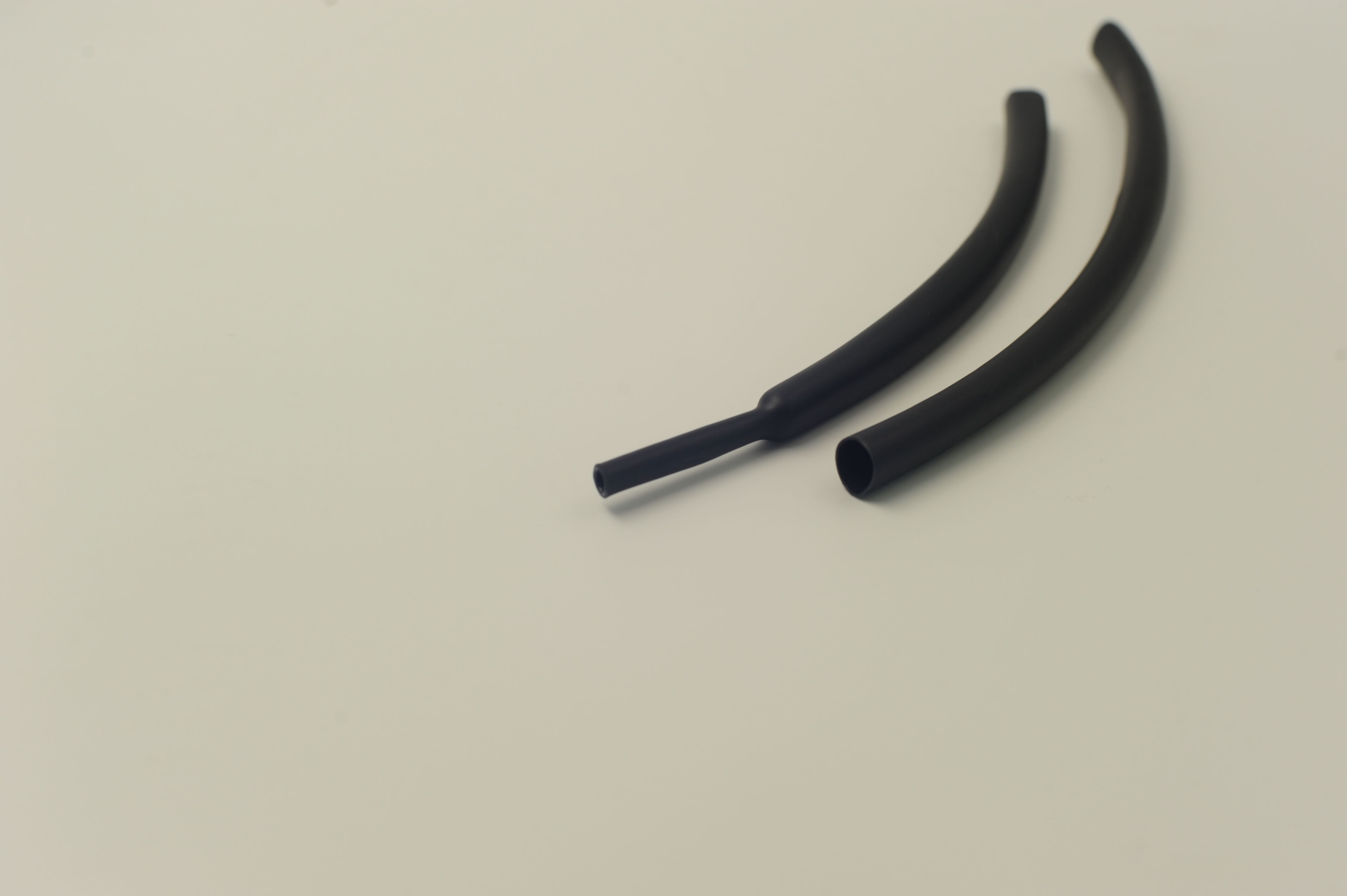
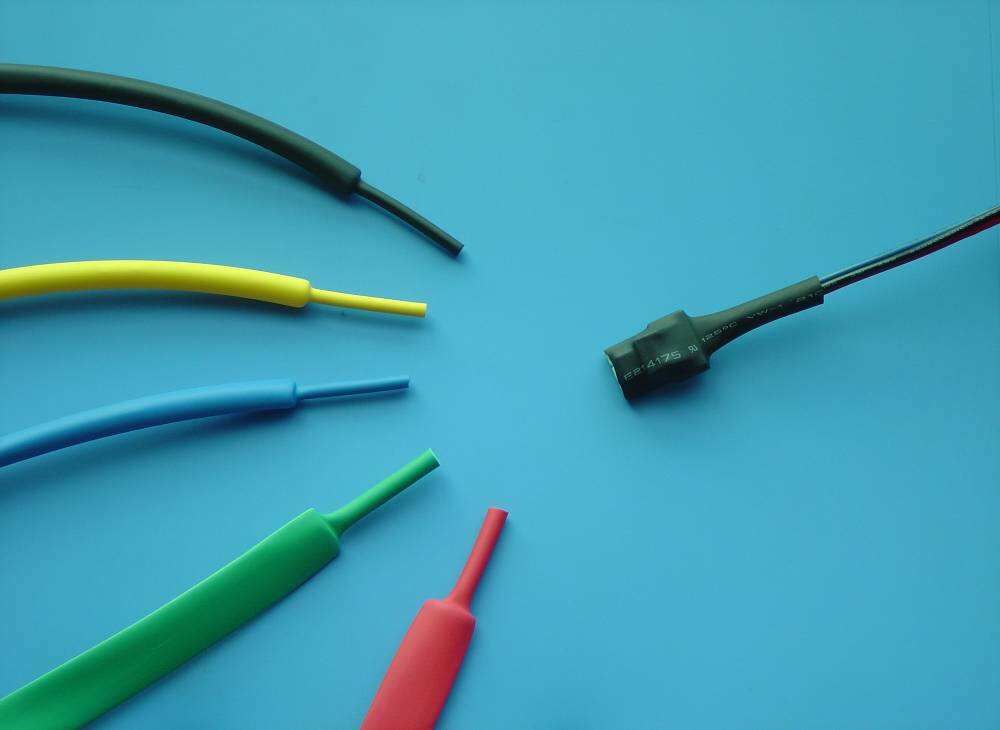
The heat shrinkable tube has emerged as an essential component in telecommunications infrastructure because it addresses multiple protection requirements simultaneously. This specialized tubing material contracts when heated, creating a tight seal around connections and providing comprehensive protection that extends equipment lifespan and maintains service reliability.
Environmental Protection Requirements in Telecommunications
Moisture and Humidity Challenges
Telecommunications equipment frequently operates in environments with high humidity levels and potential water exposure. Moisture infiltration represents one of the primary causes of equipment failure in telecommunications systems. When water penetrates electrical connections, it creates conductive paths that lead to short circuits, corrosion, and signal degradation. Heat shrinkable tube forms an impermeable barrier around connections, preventing moisture from reaching critical electrical interfaces.
The material properties of heat shrinkable tube make it particularly effective against humidity-related problems. The polyolefin construction creates a hydrophobic surface that repels water, while the tight shrinkage ensures complete sealing around irregular connection shapes. This protection becomes especially crucial in outdoor telecommunications installations where equipment faces direct weather exposure.
Field maintenance technicians rely on heat shrinkable tube to restore protection after service activities. When connections are opened for maintenance or upgrades, the original factory sealing is compromised. Heat shrinkable tube provides a reliable method to restore environmental protection without requiring specialized factory equipment or lengthy curing processes.
Temperature Variation Protection
Telecommunications equipment experiences significant temperature variations throughout daily and seasonal cycles. These temperature changes cause materials to expand and contract, creating stress on electrical connections and potentially loosening joints over time. Heat shrinkable tube addresses this challenge by maintaining consistent pressure on connections regardless of temperature fluctuations.
The thermal stability of heat shrinkable tube ensures that protection remains effective across the wide temperature ranges encountered in telecommunications applications. Unlike rigid protection methods that may crack or separate under thermal stress, heat shrinkable tube maintains flexibility while preserving its protective seal. This characteristic proves essential for equipment operating in extreme climates or locations with significant temperature variations.
Additionally, heat shrinkable tube provides thermal insulation that helps stabilize connection temperatures. This insulation effect reduces thermal cycling stress on electrical joints and contributes to longer connection life. The material's low thermal conductivity creates a buffer zone that moderates temperature changes at the protected connection point.
Electrical Performance Enhancement
Insulation Properties and Dielectric Strength
The electrical insulation provided by heat shrinkable tube serves multiple functions in telecommunications equipment protection. The material exhibits excellent dielectric strength, preventing electrical breakdown between conductors and reducing the risk of arc formation. This insulation capability becomes particularly important in high-voltage applications or when connections carry signals at different potential levels.
Heat shrinkable tube maintains consistent insulation properties throughout its service life, unlike some protection methods that may degrade over time. The cross-linked polyolefin structure resists electrical degradation and maintains its insulating characteristics even under continuous electrical stress. This reliability ensures that protection levels remain consistent throughout the equipment's operational lifetime.
The uniform wall thickness of heat shrinkable tube provides predictable insulation performance. Engineers can calculate exact insulation levels and design systems with confidence that protection specifications will be met. This predictability proves essential for telecommunications equipment that must meet strict safety and performance standards.
Signal Integrity Preservation
Modern telecommunications systems rely on precise signal transmission characteristics, and connection protection must not interfere with signal quality. Heat shrinkable tube offers low dielectric constant properties that minimize signal distortion and maintain transmission line characteristics. The material's electrical properties remain stable across the frequency ranges used in telecommunications applications.
The tight fit achieved by heat shrinkable tube eliminates air gaps around connections that could create impedance mismatches or signal reflections. This consistent dielectric environment helps maintain signal integrity and reduces transmission losses. For high-frequency applications, this protection method preserves the precise electrical characteristics required for optimal performance.
Heat shrinkable tube also provides electromagnetic interference (EMI) shielding when used in conjunction with conductive materials. The tube can encapsulate metallic shielding elements, creating a complete electromagnetic barrier around sensitive connections. This shielding capability proves valuable in telecommunications equipment where signal isolation is critical.
Mechanical Protection and Strain Relief
Physical Impact Resistance
Telecommunications equipment often faces physical hazards that can damage connections and compromise system reliability. Heat shrinkable tube provides mechanical protection against impact, abrasion, and crushing forces that could otherwise damage cable connections. The tough polyolefin material absorbs impact energy and distributes stress over a larger area, protecting the underlying electrical connection.
Installation environments for telecommunications equipment frequently involve confined spaces where cables may be subject to contact with other equipment or structural elements. Heat shrinkable tube creates a protective barrier that prevents accidental damage during installation or subsequent maintenance activities. This protection reduces the likelihood of service interruptions caused by physical damage to connections.
The flexibility of heat shrinkable tube allows it to accommodate cable movement while maintaining protection. Unlike rigid protection methods that may crack under flexing, heat shrinkable tube moves with the cable and maintains its protective seal. This flexibility proves essential for connections that experience vibration or thermal expansion movement.
Cable Strain Management
Electrical connections in telecommunications equipment must withstand mechanical stress from cable movement, thermal expansion, and installation tensions. Heat shrinkable tube provides strain relief by distributing mechanical loads over a longer cable length rather than concentrating stress at the connection point. This stress distribution significantly reduces the risk of connection failure due to mechanical fatigue.
The controlled shrinkage characteristics of heat shrinkable tube create a graduated strain relief that transitions smoothly from the rigid connection hardware to the flexible cable. This gradual transition prevents stress concentration points that could lead to cable failure or connection loosening over time. The material properties allow for appropriate flex while maintaining structural integrity.
Long-term reliability of telecommunications connections depends heavily on effective strain management. Heat shrinkable tube addresses this requirement by providing consistent strain relief throughout the equipment's service life. The material does not degrade under repeated flexing cycles, ensuring that protection remains effective even after years of service.
Installation Efficiency and Maintenance Benefits
Field Installation Advantages
The installation process for heat shrinkable tube offers significant advantages in telecommunications field work. Technicians can complete installation using portable heat guns or other standard tools, eliminating the need for specialized equipment or factory-controlled processes. This accessibility makes heat shrinkable tube practical for field repairs and new installations in remote locations.
Heat shrinkable tube accommodates various connection geometries and cable sizes within its shrink ratio range. This versatility reduces inventory requirements and simplifies material selection for field technicians. A single tube size can often accommodate multiple connection configurations, streamlining the installation process and reducing material costs.
The visual indication of proper installation provided by heat shrinkable tube helps ensure quality control in field applications. When properly heated, the tube conforms tightly to the connection shape and any adhesive liner becomes visible at the tube ends. This visual feedback allows technicians to verify complete installation without requiring additional testing equipment.
Long-term Maintenance Considerations
Telecommunications equipment protected with heat shrinkable tube typically requires less frequent maintenance due to improved environmental protection. The sealed environment created by the tube reduces corrosion and contamination that would otherwise necessitate periodic cleaning or connection renewal. This protection translates to reduced maintenance costs and improved system availability.
When maintenance is required, heat shrinkable tube can be easily removed and replaced without damaging the underlying connection. The removal process involves heating the tube to soften it for cutting and removal, after which a new tube can be installed. This replaceability ensures that protection can be maintained throughout multiple service cycles.
The durability of heat shrinkable tube reduces the frequency of protection system failures that could expose connections to environmental damage. Unlike tape-based protection methods that may loosen or degrade over time, heat shrinkable tube maintains its protective properties for extended periods. This reliability reduces unexpected maintenance requirements and improves overall system dependability.
FAQ
How does heat shrinkable tube compare to other connection protection methods used in telecommunications?
Heat shrinkable tube offers superior environmental sealing compared to tape-based methods and provides better strain relief than rigid enclosures. Unlike silicone compounds that require curing time, heat shrinkable tube achieves full protection immediately upon heating. The combination of moisture sealing, mechanical protection, and electrical insulation in a single product makes it more comprehensive than most alternative protection methods.
What temperature ranges can heat shrinkable tube withstand in telecommunications applications?
Quality heat shrinkable tube designed for telecommunications use typically operates effectively from -55°C to +125°C (-67°F to +257°F). This temperature range covers the extreme conditions encountered in most telecommunications installations, from arctic outdoor equipment to high-temperature indoor environments. The material maintains its protective properties throughout this entire temperature range without degradation.
Can heat shrinkable tube be used on fiber optic connections in telecommunications equipment?
Yes, heat shrinkable tube is commonly used to protect fiber optic splice closures and connection housings in telecommunications systems. Special fiber-optic grade tubes are available that provide the gentle shrinkage characteristics required for delicate optical components. The protection is essential for maintaining fiber performance in harsh environmental conditions while allowing for future access when needed.
How long does heat shrinkable tube protection typically last in telecommunications installations?
High-quality heat shrinkable tube used in telecommunications applications typically provides effective protection for 15-25 years under normal operating conditions. The actual service life depends on environmental factors such as UV exposure, temperature cycling, and mechanical stress. Regular inspection can identify any deterioration early, allowing for preventive replacement before protection is compromised.
Table of Contents
- Environmental Protection Requirements in Telecommunications
- Electrical Performance Enhancement
- Mechanical Protection and Strain Relief
- Installation Efficiency and Maintenance Benefits
-
FAQ
- How does heat shrinkable tube compare to other connection protection methods used in telecommunications?
- What temperature ranges can heat shrinkable tube withstand in telecommunications applications?
- Can heat shrinkable tube be used on fiber optic connections in telecommunications equipment?
- How long does heat shrinkable tube protection typically last in telecommunications installations?