
 EN
EN


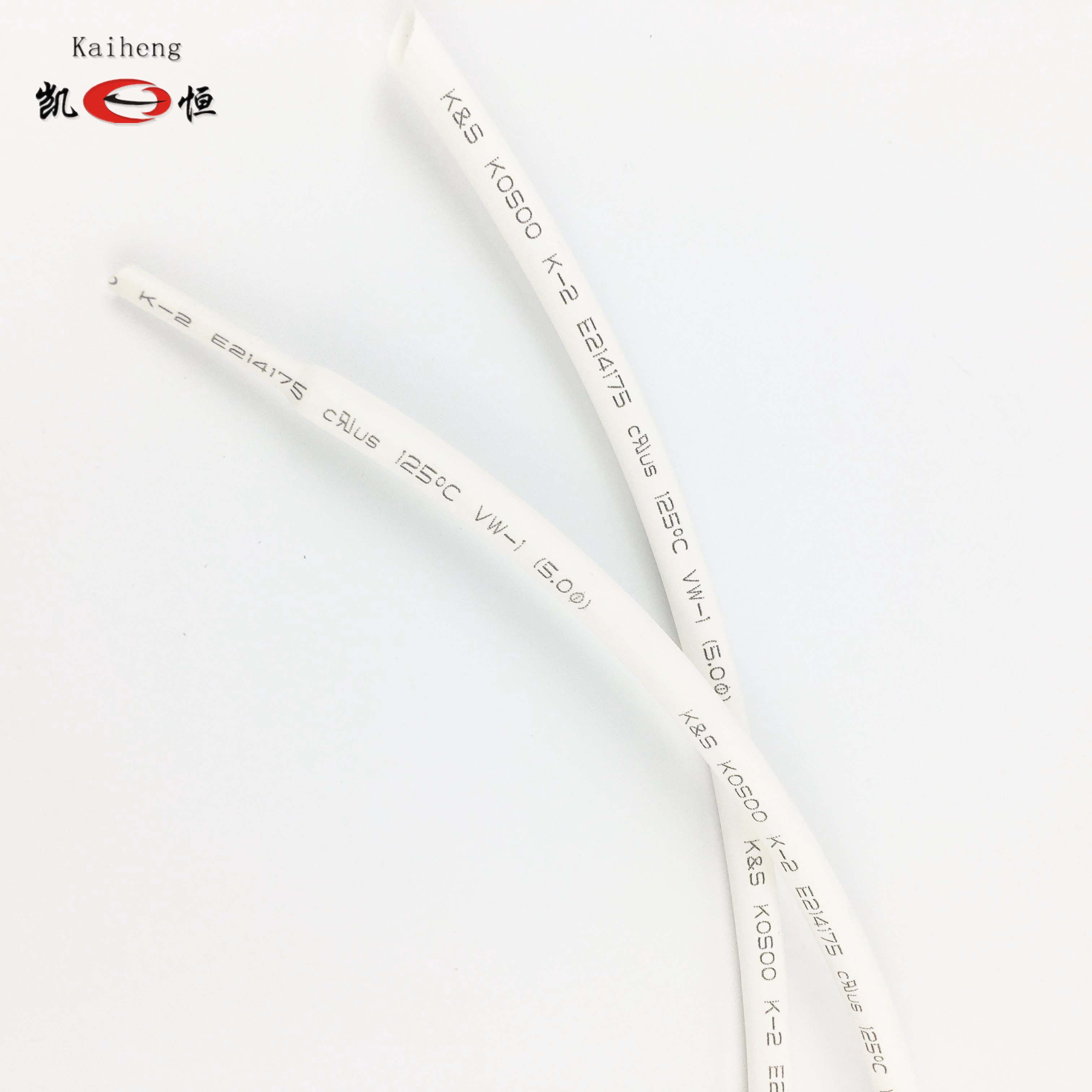
Heat shrink tubing stands as one of the most reliable and cost-effective solutions for protecting electronic components in demanding industrial environments. Whether you work in automotive manufacturing, telecommunications, aerospace, or consumer electronics, heat shrink tubing provides essential safeguarding against environmental hazards, mechanical damage, and electrical failures. Understanding why heat shrink tubing has become indispensable in modern electronics manufacturing can help you make informed decisions about component protection strategies for your organization.
The global electronics industry depends on heat shrink tubing because it delivers immediate, reliable protection without requiring complex installation processes or specialized training. When you apply heat to this versatile material, it shrinks uniformly around wires, connectors, and joints, creating a protective barrier that resists moisture, chemicals, and mechanical stress. This straightforward yet effective protection mechanism makes heat shrink tubing the preferred choice across manufacturing sectors where component longevity and system reliability cannot be compromised.
Electrical Insulation and Safety Protection
Primary Insulation Function of Heat Shrink Tubing
Heat shrink tubing provides critical electrical insulation that prevents short circuits and cross-contamination between adjacent conductors. When exposed wires or connection points remain unprotected, they create serious fire hazards and electrical failures that can damage entire systems or cause personnel injuries. By installing heat shrink tubing around these vulnerable areas, you establish a durable insulating layer that maintains electrical integrity throughout the component's operational life. This insulation capability makes heat shrink tubing absolutely essential in circuit boards, power distribution systems, and high-voltage applications where electrical safety cannot be negotiated.
Enhanced Reliability Through Consistent Protection
Heat shrink tubing ensures consistent protection by creating a uniform seal that eliminates weak points in your insulation strategy. Unlike loose wrapping or manual taping methods, heat shrink tubing conforms perfectly to irregular shapes and maintains its protective properties even when equipment experiences vibration, temperature fluctuations, or mechanical movement. This reliable performance directly reduces equipment downtime, extends component lifespan, and decreases warranty claims. Industries ranging from medical device manufacturing to industrial automation depend on heat shrink tubing to maintain safety standards and operational consistency across thousands of installed units.
Environmental and Chemical Resistance
Protection Against Moisture and Corrosion
Heat shrink tubing creates a moisture-resistant barrier that protects electronic components from humidity, salt spray, and condensation in challenging environmental conditions. When electronics operate outdoors, in marine environments, or near manufacturing processes that generate moisture, unprotected connections rapidly corrode and fail. Heat shrink tubing seals out these environmental threats, significantly extending component reliability in situations where replacement costs or operational downtime would be prohibitively expensive. This environmental protection capability makes heat shrink tubing particularly valuable in telecommunications infrastructure, maritime equipment, and outdoor industrial installations where corrosion poses constant risks.
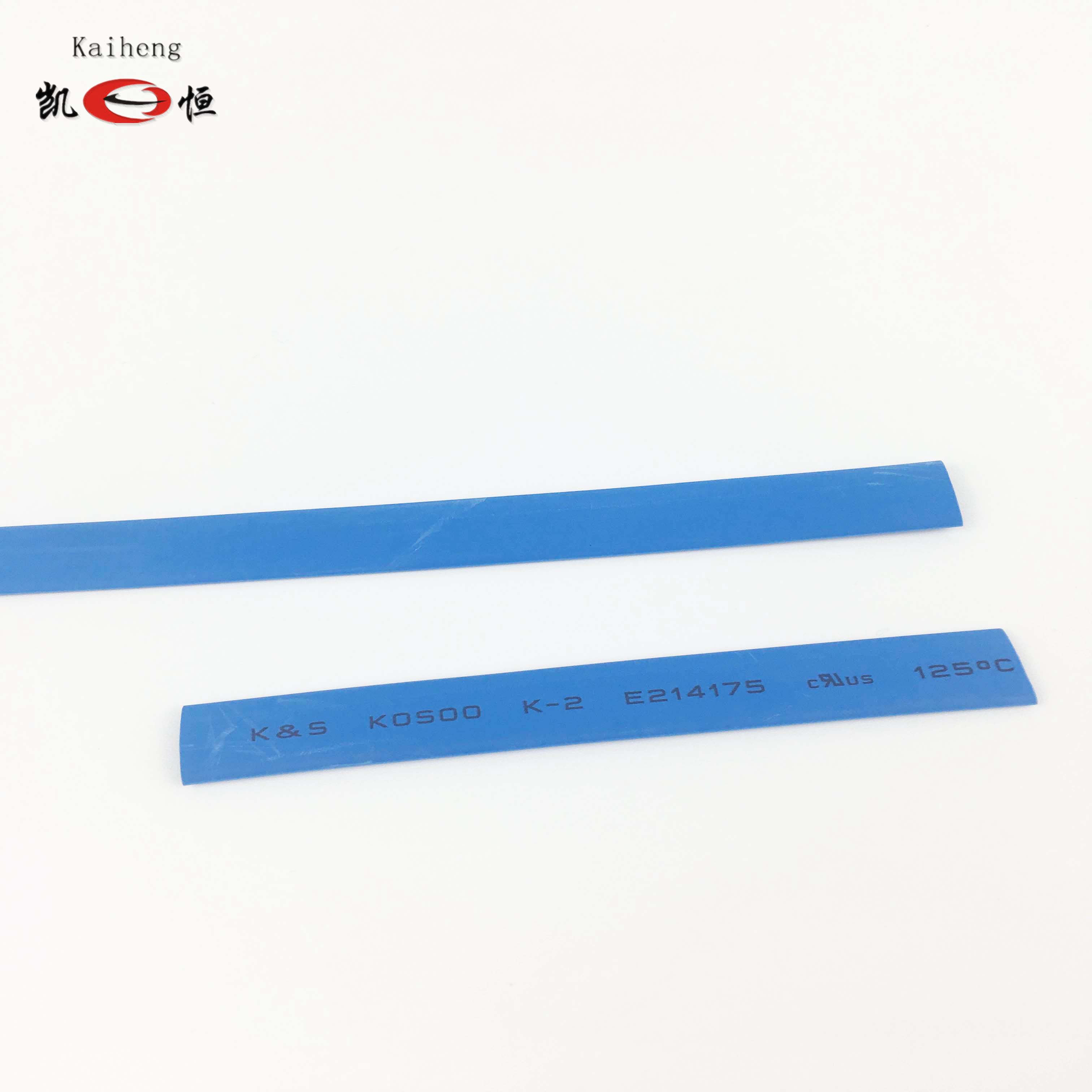
Chemical Compatibility and Harsh Operating Environments
Heat shrink tubing resists exposure to oils, solvents, gasoline, coolants, and other industrial chemicals that would degrade unprotected wiring and connections. Automotive manufacturers rely on heat shrink tubing throughout engine compartments where temperatures soar and chemical exposure remains constant. Industrial facilities use heat shrink tubing in environments containing aggressive cleaning agents, manufacturing byproducts, and environmental contaminants. By selecting appropriate heat shrink tubing formulations designed for specific chemical exposures, you ensure long-term component protection and eliminate the need for frequent replacement cycles that interrupt production schedules and inflate maintenance budgets.
Mechanical Durability and Reliability Enhancement
Vibration Resistance and Structural Support
Heat shrink tubing absorbs vibration stress and prevents wire fatigue that commonly causes connection failures in mobile equipment and machinery. When cables flex repeatedly during normal operation, unprotected solder joints and crimp connections weaken and eventually fracture. Heat shrink tubing provides structural reinforcement that stabilizes connections and distributes mechanical stress across a wider surface area, dramatically improving fatigue resistance. Equipment designers in aerospace, transportation, and industrial automation specify heat shrink tubing precisely because it transforms fragile connection points into durable assemblies capable of withstanding years of rigorous operational demands.
Long-Term Cost Reduction Through Preventive Protection
Implementing comprehensive heat shrink tubing protection reduces total cost of ownership by preventing expensive component failures, emergency repairs, and unplanned system downtime. A single wire failure in critical infrastructure can trigger cascading equipment shutdowns, emergency response costs, and lost productivity that exceed the entire annual heat shrink tubing budget many times over. By treating heat shrink tubing as a preventive maintenance investment rather than an optional material expense, manufacturers and system integrators achieve superior return on investment while maintaining competitive advantage through reliable equipment performance. This cost-benefit reality drives widespread adoption of heat shrink tubing across industries where equipment reliability directly impacts financial performance and customer satisfaction.
Installation Simplicity and Industrial Scale Implementation
Straightforward Application Process
Heat shrink tubing requires minimal training and specialized equipment, making it accessible to technicians at every skill level across manufacturing operations. Workers simply slide the tubing over the connection point and apply controlled heat using standard industrial tools like heat guns or thermal chambers. This straightforward process dramatically reduces installation costs compared to alternative protection methods requiring custom fabrication, precise assembly procedures, or specialized machinery. Because heat shrink tubing installation processes remain consistent and repeatable, manufacturers achieve reliable protection quality across high-volume production runs without investing heavily in worker training or quality control infrastructure.
Scalability for High-Volume Production Requirements
Heat shrink tubing scales seamlessly from prototype development to full-scale industrial production without requiring significant equipment modifications or process redesigns. Electronics manufacturers implement automated heat shrink tubing application systems that process hundreds or thousands of components hourly while maintaining consistent quality standards. This scalability advantage enables rapid production ramp-up during peak demand periods and supports flexible manufacturing strategies that respond to evolving market requirements. Companies operating across multiple facilities worldwide standardize on heat shrink tubing because it provides uniform protection quality regardless of production volume, facility location, or equipment configuration.
FAQ
What temperatures can heat shrink tubing withstand during operation?
Heat shrink tubing formulations typically maintain protective properties across temperature ranges from negative forty degrees Celsius to one hundred twenty-five degrees Celsius, with specialized formulations available for even more extreme conditions. Different material compositions offer varying temperature ratings, allowing engineers to select heat shrink tubing specifically matched to their application requirements. High-performance formulations used in aerospace and automotive applications can withstand temperatures exceeding one hundred fifty degrees Celsius, while standard heat shrink tubing suits most general industrial electronics applications.
How does heat shrink tubing compare to alternative wire protection methods?
Heat shrink tubing offers superior performance compared to traditional methods like electrical tape, cloth wrapping, or manual insulation because it creates uniform, permanent protection that remains stable throughout the component's operational life. While electrical tape requires frequent replacement and can slip under vibration, heat shrink tubing maintains consistent coverage and reliability for years. The installation cost advantage of heat shrink tubing combined with superior durability performance makes it the industry standard across professional electronics manufacturing, whereas alternative methods typically appear only in temporary repairs or budget-constrained applications.
Can heat shrink tubing be removed and replaced if needed for maintenance or troubleshooting?
While heat shrink tubing bonds permanently to underlying surfaces and cannot be easily removed without destroying the material, technicians can carefully cut the tubing axially to access connections for maintenance or testing. Most industrial applications accept this permanent bonding characteristic because the long-term reliability benefits outweigh occasional maintenance inconvenience. For components requiring frequent access, engineers can specify heat shrink tubing with longitudinal slits or select semi-permanent protection methods, though these alternative approaches typically sacrifice some protective capabilities compared to standard sealed heat shrink tubing installations.