
 EN
EN


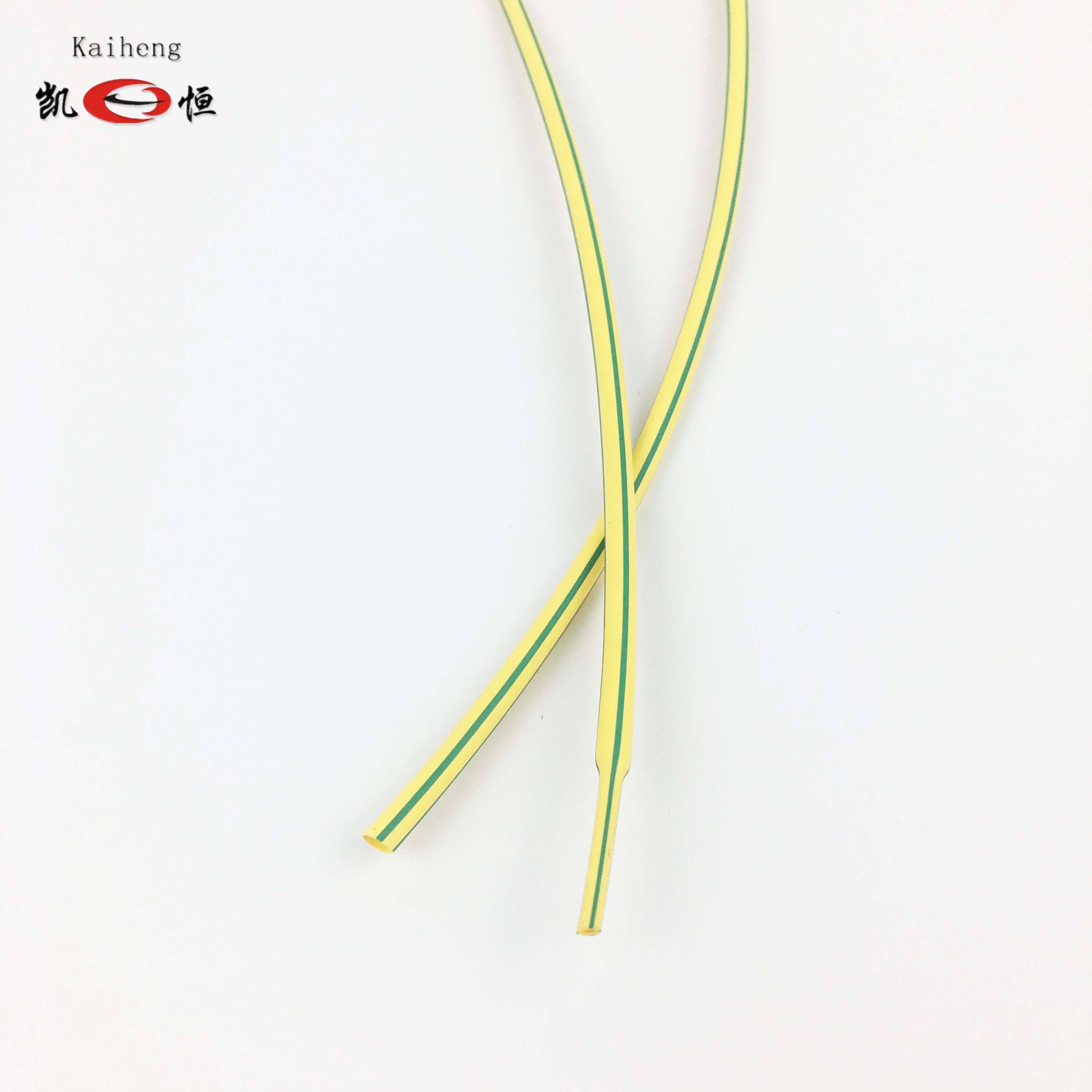
Heat shrink tubing automotive applications span across virtually every electrical and mechanical system in modern vehicles. From engine compartments to interior wiring harnesses, heat shrink tubing automotive solutions provide critical insulation, protection, and organization for complex electrical networks. Understanding where heat shrink tubing automotive is essential helps manufacturers, technicians, and engineers select the right materials and specifications for vehicle durability and safety.
The automotive industry demands heat shrink tubing automotive products that withstand extreme temperatures, moisture, vibration, and chemical exposure. Whether in harsh engine environments or climate-controlled cabins, heat shrink tubing automotive must maintain reliable performance throughout the vehicle's operational lifespan. This guide explores the primary applications where heat shrink tubing automotive becomes non-negotiable for vehicle reliability and electrical safety.
Engine Compartment Protection and Wire Bundling
Securing High-Temperature Wiring Harnesses
The engine compartment represents one of the most demanding environments for heat shrink tubing automotive applications. Wiring harnesses carry critical signals for fuel injection, ignition systems, and sensor data, all requiring robust insulation. Heat shrink tubing automotive products in engine bays must resist continuous exposure to temperatures exceeding 120 degrees Celsius, plus occasional thermal spikes from direct engine proximity. Wire bundling with heat shrink tubing automotive keeps harnesses organized, prevents accidental contact with moving components, and shields connections from oil, coolant, and salt spray contaminants.
Protecting Connector Joints and Splice Points
Electrical connectors and splice points in engine compartments face constant thermal cycling and vibration stress. Heat shrink tubing automotive applied over these vulnerable joints creates a moisture-resistant seal that prevents corrosion at connection points. The shrinkage process with heat shrink tubing automotive ensures tight contact with underlying components, eliminating air pockets where water or contaminants could accumulate. This application of heat shrink tubing automotive directly extends connector lifespan and reduces field failures related to loose or corroded connections.
Sensor and Electronic Component Integration
Oxygen Sensor and Lambda Probe Protection
Modern vehicles rely on oxygen sensors for precise fuel-air ratio control and emissions management. These sensors generate exposed wire leads that require heat shrink tubing automotive for electrical insulation and physical protection. Heat shrink tubing automotive around sensor wires prevents accidental shorts, reduces noise in sensor signals, and protects the delicate lead wires from vibration damage. The specialized formulation of heat shrink tubing automotive used for sensors must maintain flexibility even at extremely high temperatures, ensuring the tubing doesn't crack or separate during thermal cycling.
Control Module and ECU Wire Management
Engine control units and transmission control modules contain dozens of input and output connections requiring organized wire management. Heat shrink tubing automotive color-coding helps technicians identify circuit groups quickly during diagnostics and service operations. Heat shrink tubing automotive applied to control module connectors provides secondary insulation that protects against inadvertent contact with vehicle chassis or other electrical systems. Additionally, heat shrink tubing automotive reduces electromagnetic interference by shielding sensitive signal wires from engine noise sources.
Battery Systems and Power Distribution
Battery Cable and Terminal Sealing
Battery cable connections represent critical safety points in vehicle electrical architecture. Heat shrink tubing automotive applied over battery terminals and spliced power cables creates a protective barrier against acid vapor, moisture, and accidental contact with conductive surfaces. The heat shrink tubing automotive expansion ratio ensures complete coverage even when applied over irregular terminal geometries. This application prevents corrosion buildup that would otherwise increase electrical resistance, compromising starter motor performance and overall vehicle reliability.
Fused Branch Circuit Protection
Vehicle power distribution networks incorporate multiple fused branches that split main battery power to various subsystems. Heat shrink tubing automotive used on these branch connections provides insulation and visual identification of different circuits. When fuses or circuit breakers are accessed during maintenance, heat shrink tubing automotive on these connection points clearly marks voltage levels and system priorities. Heat shrink tubing automotive also contains minor arcing that might otherwise damage nearby components if an electrical fault occurs.
Interior and Exterior Wiring Applications
Dashboard and Cabin Wiring Harness Protection
Interior wiring harnesses servicing dashboard displays, climate control systems, and infotainment equipment require heat shrink tubing automotive for safe, organized routing through confined dashboard spaces. Heat shrink tubing automotive in cabin environments faces exposure to temperature ranges typically between minus 20 and plus 60 degrees Celsius, requiring materials that remain flexible and durable across this spectrum. Color-coded heat shrink tubing automotive helps service technicians trace circuits quickly when replacing or repairing components, reducing diagnostic time and labor costs.
Exterior Lighting and Tail Lamp Circuits
Lighting circuits extending to exterior lamps and brake lights utilize heat shrink tubing automotive to protect connections from moisture ingress and corrosion. Tail lamp wiring experiences constant thermal cycling as lamps heat up during operation then cool during vehicle shutdown. Heat shrink tubing automotive maintains its integrity through these cycles, preventing insulation degradation that could lead to electrical faults or safety hazards. The waterproof properties of quality heat shrink tubing automotive are essential for preventing short circuits that could disable brake lighting or turn signal functions.
Repair, Restoration, and Aftermarket Integration
Damaged Wire Restoration and Splicing
When vehicle wiring sustains damage from accident, corrosion, or age-related deterioration, heat shrink tubing automotive provides a reliable repair solution. Technicians splice wires using solder or crimped connectors, then apply heat shrink tubing automotive over the repair joint to restore insulation integrity. This repair method with heat shrink tubing automotive is far more durable and reliable than tape or traditional electrical wrap, offering lasting protection for the life of the vehicle. Heat shrink tubing automotive used in repairs must match or exceed the quality specifications of original wiring to ensure the repair doesn't become a future failure point.
Custom Wiring and Accessory Installation
Aftermarket upgrades, performance modifications, and accessory installations frequently require custom wiring harnesses assembled on-site. Heat shrink tubing automotive becomes essential when installers terminate wires to new electrical components, lighting systems, or integration modules. The flexibility of heat shrink tubing automotive allows installers to protect splices and connections in tight engine bay spaces or behind panels where space constraints would challenge traditional conduit systems. Professional-grade heat shrink tubing automotive ensures aftermarket modifications meet the same electrical safety standards as factory equipment.
FAQ
What temperature range must heat shrink tubing automotive withstand?
Heat shrink tubing automotive must typically withstand continuous operating temperatures from minus 20 to plus 120 degrees Celsius, with specialized engine bay applications reaching 150 degrees Celsius. The specific temperature range depends on application location, component proximity, and vehicle design specifications. Quality heat shrink tubing automotive maintains its insulation properties and mechanical integrity across the full operating range without becoming brittle in cold conditions or overly soft in high-heat zones.
How does color-coded heat shrink tubing automotive improve maintenance efficiency?
Color-coded heat shrink tubing automotive allows technicians to quickly identify circuit groups, voltage levels, and system functions without consulting wiring diagrams for every diagnostic task. Standardized color schemes for heat shrink tubing automotive reduce troubleshooting time and minimize the risk of accidentally connecting test equipment to incorrect circuits. This visual organization of heat shrink tubing automotive significantly reduces warranty claim complexity and improves first-time fix rates in service departments.
Can heat shrink tubing automotive replace solder connections in vehicle wiring?
Heat shrink tubing automotive should never replace solder or crimp connections; rather, it provides insulation over properly executed connections. A reliable vehicle electrical system requires both mechanical and electrical continuity established through solder or quality crimp terminals, with heat shrink tubing automotive then applied as secondary insulation. Using heat shrink tubing automotive without proper underlying connections would result in failed circuits and potential vehicle safety failures.