
 EN


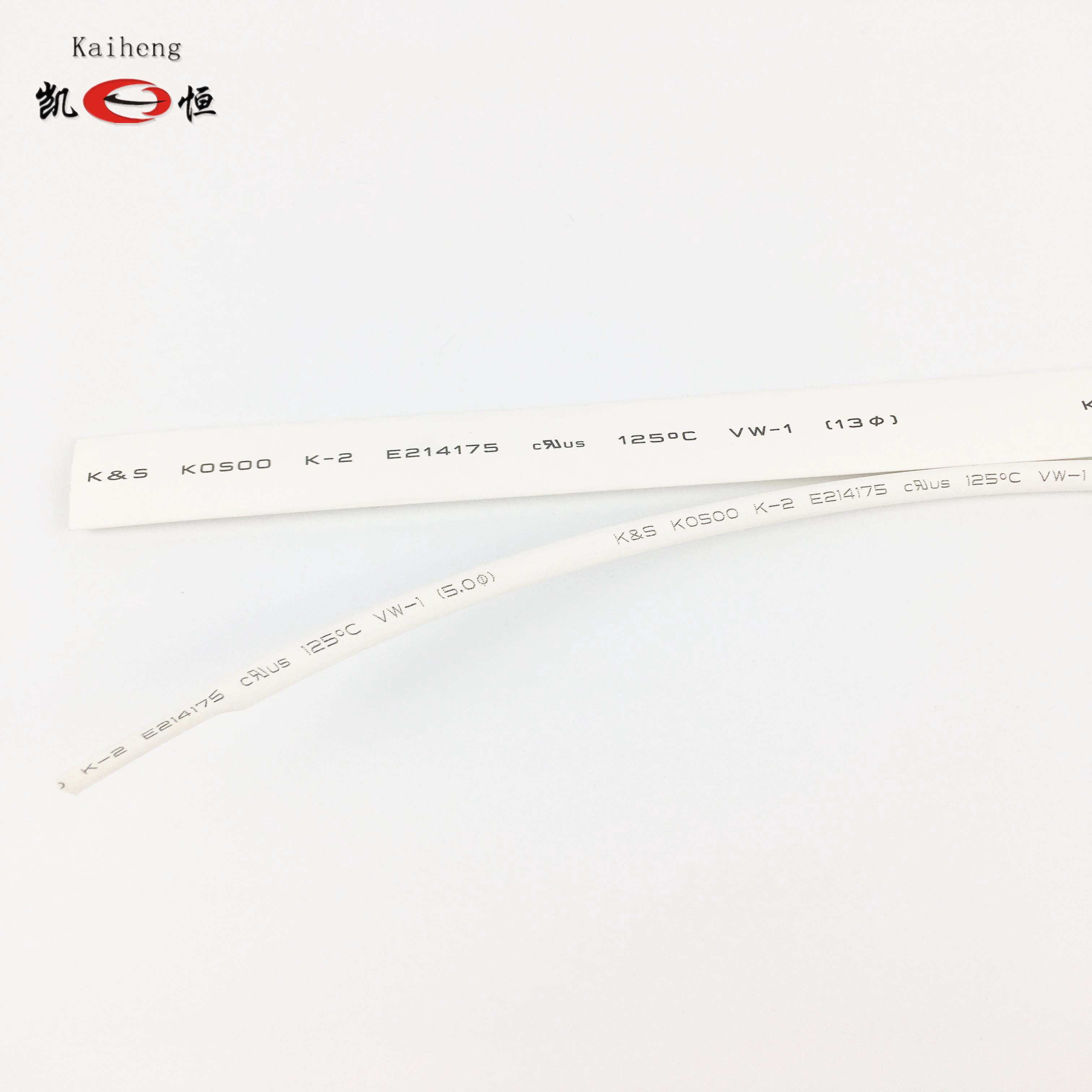
Outdoor cable infrastructure faces relentless environmental challenges that can compromise performance and safety. Water ingress, UV radiation, temperature fluctuations, and mechanical wear threaten the integrity of electrical and telecommunication systems exposed to the elements. Selecting the right protection method is essential to ensure long-term reliability and reduce maintenance costs. This is where shrink tube emerges as a proven, cost-effective solution specifically engineered to address outdoor protection demands.
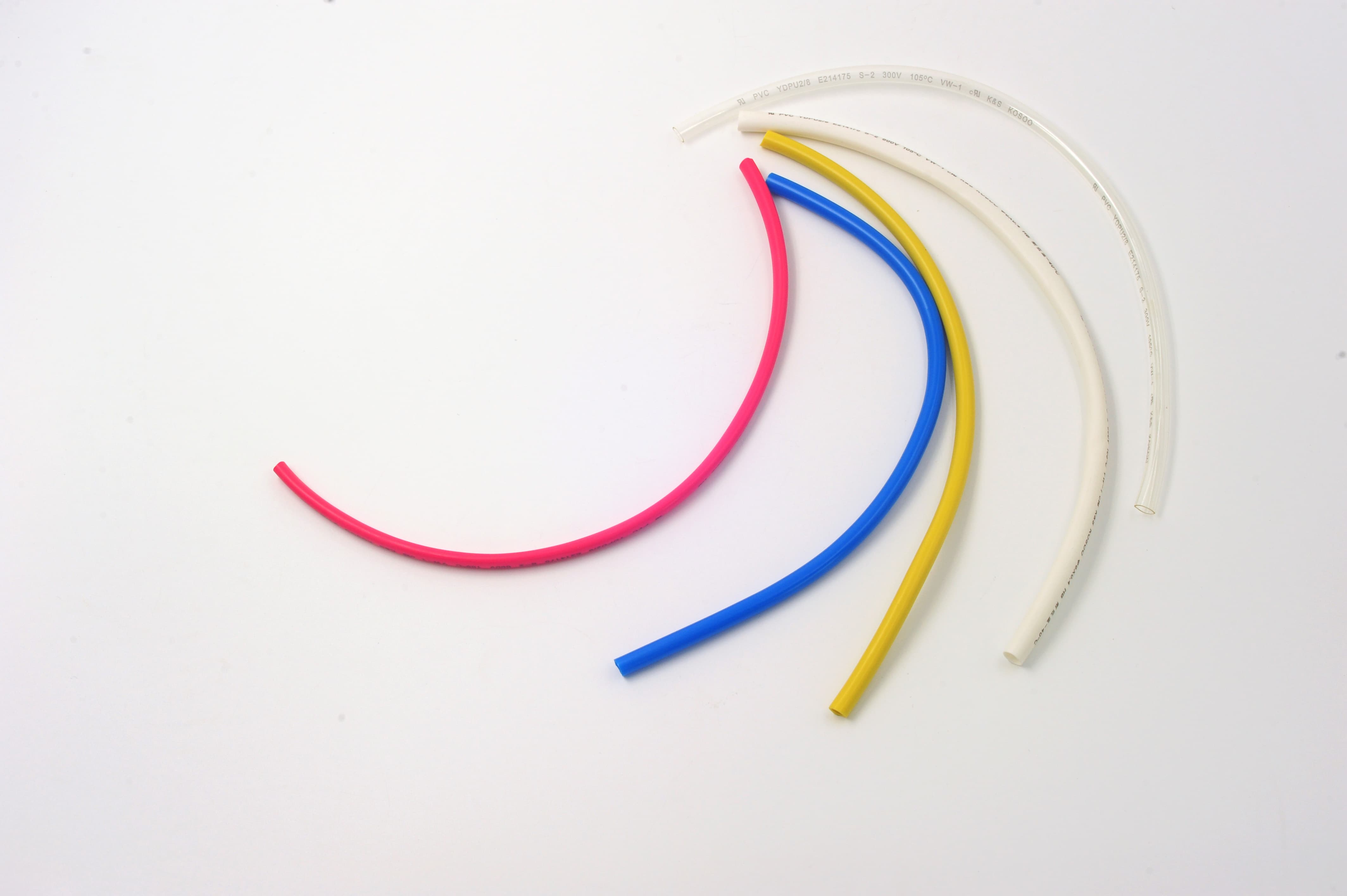
Shrink tube technology has become the standard in industries ranging from telecommunications to power distribution because it provides a seamless, protective barrier that adapts to cable dimensions during installation. The material properties of quality shrink tube make it inherently resistant to moisture, chemicals, and environmental stressors that degrade exposed cables over time. Understanding why shrink tube is suitable for outdoor cable protection requires examining its material composition, installation advantages, and proven performance in harsh field conditions.
Environmental Durability and Material Science
Weather Resistance in Shrink Tube Design
Outdoor cable protection demands materials that withstand direct exposure to rain, snow, UV light, and temperature extremes. Shrink tube is engineered from polyolefin and other advanced polymers specifically formulated to resist environmental degradation. Unlike traditional jackets or tape wrapping, shrink tube creates a continuous, hermetic seal that prevents water penetration at cable joints and terminations. This hermetic property is critical because moisture is the leading cause of cable failure in outdoor installations. The material science behind quality shrink tube includes UV stabilizers and antioxidants that preserve flexibility and integrity even after years of harsh sunlight exposure.
Temperature Performance and Flexibility
Outdoor environments experience wide temperature swings that can crack, become brittle, or lose elasticity in inferior protection materials. Premium shrink tube maintains its protective properties across temperature ranges typically from minus forty to eighty-five degrees Celsius or beyond, depending on the grade selected. This thermal stability ensures that shrink tube remains flexible and bonded to the cable even during freeze-thaw cycles common in northern climates. The molecular structure of shrink tube resists embrittlement at low temperatures and maintains dimensional stability at high temperatures, making it ideal for outdoor cable protection in diverse geographic regions.
Installation Efficiency and Mechanical Protection
Rapid Deployment and Secure Bonding
Field installation speed directly impacts project costs and labor efficiency in outdoor cable infrastructure projects. Shrink tube is applied quickly by heating, and it conforms perfectly to cable geometry regardless of shape or size variation. This self-conforming behavior means a single shrink tube application eliminates the need for multiple wrapping layers, adhesive application, or complex mechanical fasteners. The heat-shrinking process creates an interference fit that bonds firmly to the underlying cable, preventing slippage or unraveling that occurs with traditional wrapping methods. For outdoor cable protection work, this installation advantage translates to reduced labor hours and lower total project cost compared to alternative solutions.
Gap-Free Coverage and Moisture Barrier
Cable joints and splice points are the most vulnerable areas where moisture penetrates and initiates corrosion and electrical leakage. Shrink tube envelops these critical areas completely, leaving no gaps, seams, or exposed edges where water can accumulate. The overlap method commonly used with shrink tube ensures that each section overlaps the next by fifty percent or more, creating multiple moisture barriers that external water must penetrate. This gap-free coverage design makes shrink tube uniquely effective for outdoor cable protection at connection points where traditional rigid conduit or tape fails to seal reliably.
Cost Effectiveness and Long-Term Value
Material Economy and Reduced Maintenance
Outdoor cable infrastructure requires ongoing maintenance to address environmental degradation and prevent service interruptions. Shrink tube reduces lifecycle costs by extending cable lifespan significantly compared to unprotected or poorly protected installations. The material cost of quality shrink tube is modest, and the installation labor is straightforward, making initial investment very attractive for outdoor cable protection projects. Once installed, shrink tube requires minimal maintenance because the material does not degrade, does not require re-tightening, and does not peel away from cables. This low-maintenance characteristic means outdoor cable protection with shrink tube generates superior return on investment compared to alternatives requiring periodic inspection and replacement.
Scalability Across Installation Sizes
Outdoor cable protection needs vary widely, from protecting small diameter signal cables to large power conductors. Shrink tube is available in diverse diameters and wall thicknesses, making it scalable to any outdoor cable protection application. A single contractor or utility can stock a range of shrink tube sizes and deploy them efficiently across multiple project types and cable configurations. This product standardization means outdoor cable protection using shrink tube becomes predictable and consistent regardless of the specific project scope or environmental conditions.
Performance in High-Risk Outdoor Environments
Chemical and Corrosion Resistance
Industrial outdoor environments expose cables to aggressive chemicals including salt spray in coastal regions, acidic industrial emissions, and petroleum-based contaminants. Shrink tube formulations are inherently resistant to these chemical stressors that rapidly degrade unprotected copper and aluminum conductors. The polymer matrix of shrink tube does not absorb or transmit these corrosive substances to the underlying cable. For outdoor cable protection in chemically hostile environments such as coastal power facilities, petrochemical plants, or marine installations, shrink tube is the preferred choice because it provides a chemically inert barrier between external hazards and valuable cable assets.
Mechanical Impact and Abrasion Defense
Outdoor cables are subjected to mechanical stresses including wind-induced movement, thermal expansion and contraction cycles, and physical contact with equipment and structures. Shrink tube provides a tough outer layer that resists abrasion and defers mechanical damage that would otherwise reach the underlying insulation. The continuous protective sleeve created by shrink tube absorbs impact energy and distributes stress across a wider surface area, protecting cables from localized damage. When outdoor cable protection must withstand both environmental and mechanical challenges, shrink tube delivers dual-layer defense that single-function solutions cannot match.
FAQ
What thickness of shrink tube is recommended for outdoor cable protection?
The appropriate shrink tube wall thickness depends on the cable diameter, voltage level, and specific environmental hazards present. For most outdoor cable protection applications, wall thickness between one point five and two millimeters provides adequate protection against moisture, UV, and mechanical damage. Higher voltage cables and installations in extreme environments may require thicker shrink tube for enhanced electrical safety and environmental defense. Consulting the cable manufacturer and environmental exposure assessment ensures correct shrink tube selection for long-term outdoor cable protection reliability.
Can shrink tube be used on wet cables during outdoor installation?
Moisture on cable surfaces can reduce the effectiveness of shrink tube bonding if not properly managed during application. Industry best practice requires drying cables thoroughly before applying shrink tube for optimal outdoor cable protection performance. In damp outdoor environments, using moisture-absorbing materials or allowing adequate air-dry time ensures reliable shrink tube adhesion. Once applied and properly installed, shrink tube maintains its protective barrier even in wet conditions, making it suitable for outdoor cable protection in any weather scenario after initial installation.
How long does shrink tube last in outdoor cable protection installations?
Quality shrink tube formulated with UV stabilizers and antioxidants typically lasts fifteen to twenty-five years or longer in outdoor cable protection applications, depending on climate severity and material grade selected. Installations in moderate climates without extreme UV exposure often see shrink tube functional for thirty years or beyond. Regular visual inspections help identify any degradation early, though properly selected shrink tube rarely fails before cable end-of-life in well-designed outdoor cable protection systems. The longevity of shrink tube makes it a cost-effective long-term investment compared to alternative outdoor cable protection methods requiring frequent replacement.