
 EN


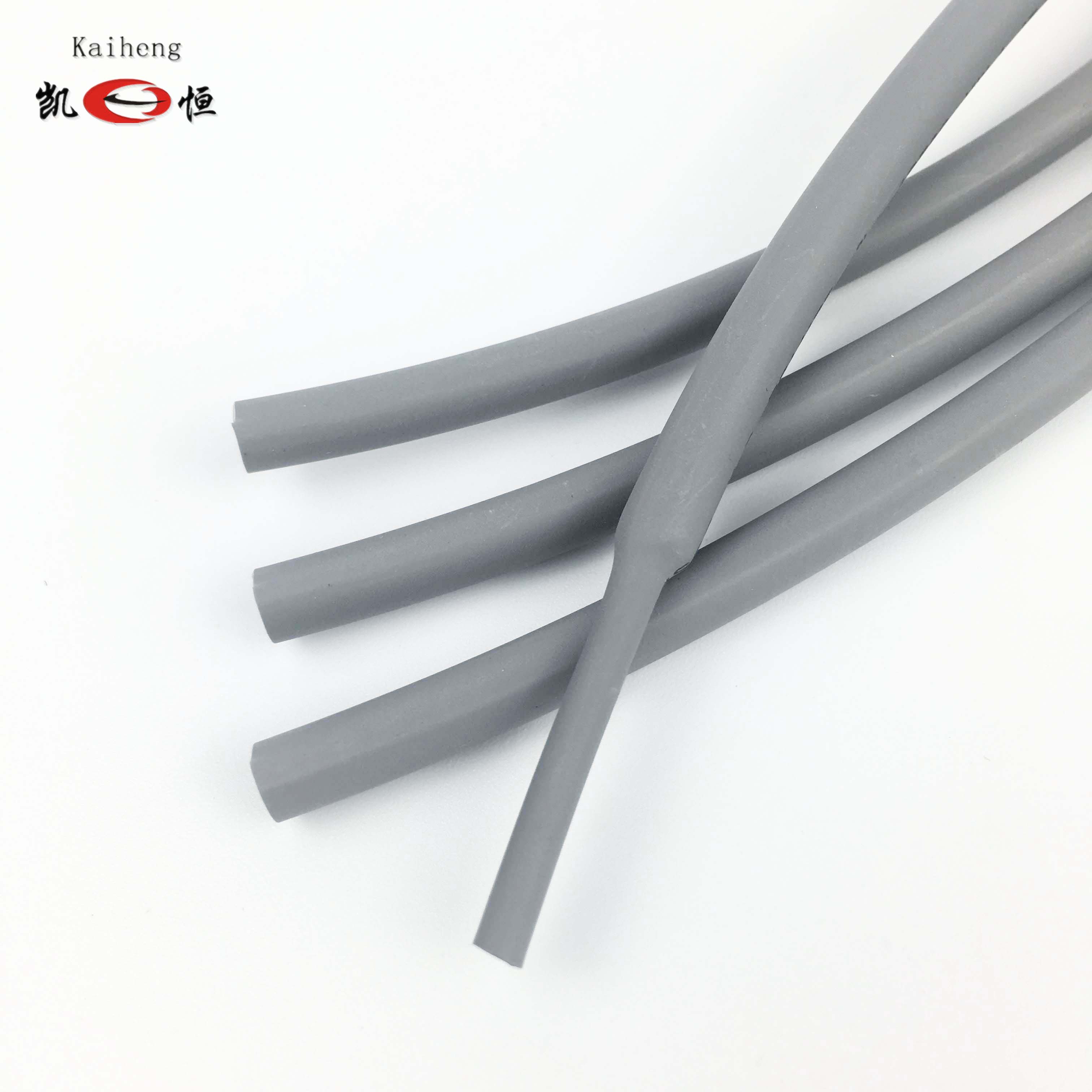
Harsh environmental conditions pose serious challenges to electrical systems, cables, and sensitive components across industrial, marine, and outdoor applications. Without proper protection, moisture, extreme temperatures, chemicals, and ultraviolet radiation can degrade insulation, cause corrosion, and lead to equipment failure or safety hazards. Shrink tube has become the industry standard for safeguarding critical infrastructure because it forms a seamless, durable barrier that adapts to component geometry and provides comprehensive environmental shielding.

Shrink tube works through thermal contraction, tightening around conductors and connections as heat is applied, creating an airtight seal that blocks water, contaminants, and oxidizing elements. This mechanical-chemical protection mechanism makes shrink tube exceptionally effective across industries such as automotive, aerospace, telecommunications, power distribution, and renewable energy. Understanding how shrink tube prevents damage in harsh conditions helps engineers and technicians select the right material grades, sizes, and installation methods for maximum reliability and longevity.
How Shrink Tube Creates Environmental Barriers
Sealing Against Moisture and Water Intrusion
Moisture is one of the primary causes of electrical failure and corrosion in harsh environments. When shrink tube is applied correctly, it bonds tightly to the underlying surface, eliminating air gaps where water can accumulate or wick along cable jackets. The material's low permeability prevents moisture vapor from penetrating the seal, which is critical in high-humidity, coastal, or submersed applications. For this reason, shrink tube is widely used in marine environments, underground installations, and outdoor cable terminations where moisture exposure is continuous and severe.
The adhesive-lined shrink tube variants add an extra layer of protection by creating a waterproof seal at both ends of the tubing, preventing water from entering joints or splice points. This redundant barrier system ensures that even under direct spray, condensation, or temporary submersion, the electrical integrity of conductors remains protected. Industrial facilities near salt water, chemical plants, and areas with high humidity have reported significant reductions in maintenance downtime and replacement costs after switching to premium shrink tube solutions.
Chemical and Corrosion Resistance
Industrial environments often expose shrink tube to aggressive chemicals, oils, solvents, and corrosive gases that can degrade standard plastics. High-quality shrink tube formulations, such as polyolefin and cross-linked polyolefin variants, offer superior chemical resistance compared to PVC or standard rubber. Shrink tube manufactured from specialized materials resists degradation from petroleum products, coolants, battery acid, and factory fumes, extending equipment life in manufacturing plants, refineries, and chemical processing facilities.
The protective barrier created by shrink tube prevents direct contact between corrosive substances and underlying metal conductors or connectors. This is especially important in automotive underbody environments, industrial equipment, and mining operations where splash and chemical exposure occur regularly. By isolating conductors from environmental corrosives, shrink tube eliminates galvanic corrosion pathways and maintains stable electrical conductivity throughout the service life of the installation.
Temperature Extremes and Thermal Protection
Withstanding High-Temperature Environments
Industrial equipment frequently operates in high-temperature zones where standard insulation fails or becomes brittle. Shrink tube rated for extreme temperatures maintains flexibility and insulating properties even in environments exceeding 100°C, 150°C, or in specialized applications, 200°C. This thermal stability prevents cracking, peeling, or embrittlement that would otherwise expose conductors to short circuits or arcing. Power distribution systems, engine compartments, welding equipment, and furnace control circuits all depend on shrink tube to maintain insulation integrity under sustained heat exposure.
The shrink tube contraction process itself generates minimal additional heat, making it suitable for installation on live or hot conductors in certain applications. Once applied, the tight bond created by shrink tube resists thermal cycling stress, which is a primary failure mechanism in equipment that experiences repeated heating and cooling. Components in outdoor HVAC systems, solar installations, and industrial ovens benefit from this thermal cycling resistance because it reduces maintenance frequency and improves system reliability.
Cold-Weather Performance and Flexibility
Conversely, extremely cold environments can make rigid plastics and rubber brittle, causing them to crack and lose protective function. Premium shrink tube formulations maintain pliability at subzero temperatures, ensuring that outdoor installations in northern climates, refrigerated warehouses, and high-altitude environments continue to provide reliable insulation. This low-temperature flexibility is critical because thermal shock from rapid temperature changes can fracture inferior materials, but quality shrink tube adapts without losing its seal integrity.
Arctic and subarctic applications, including offshore oil and gas installations, telecommunications infrastructure in polar regions, and high-altitude wind turbine systems, all rely on shrink tube to maintain protection when ambient temperatures drop to minus 40°C or below. The material's resistance to embrittlement and loss of flexibility makes shrink tube indispensable in these extreme cold-climate scenarios where conventional insulation fails rapidly.
UV Resistance and Long-Term Durability Outdoors
Protecting Against Solar Radiation and Photodegradation
Ultraviolet radiation from sunlight degrades many plastics and elastomers, causing them to become discolored, brittle, and ineffective over time. Shrink tube formulated with UV-stabilizing additives resists photodegradation, maintaining its structural integrity and protective function for decades in outdoor environments. Telecommunications cables, power distribution lines, renewable energy installations, and outdoor industrial equipment are protected from UV-induced failure by selecting shrink tube with proven UV resistance ratings.
The long-term performance of shrink tube in direct sunlight depends on material composition and additive package. High-quality shrink tube retains flexibility and insulating properties even after years of continuous outdoor exposure, whereas lower-grade alternatives become brittle or cracked within months. This difference in durability directly impacts maintenance costs and system availability in utility, telecommunications, and renewable energy sectors.
Combined Environmental Stress and Aging Resistance
Real-world harsh environments rarely present single isolated stresses; instead, components face simultaneous exposure to heat, moisture, chemicals, and UV radiation. Shrink tube must withstand this combined aging effect, which accelerates material degradation far faster than any single environmental factor alone. Specialized formulations designed for extreme environments incorporate multiple protective mechanisms: oxidation inhibitors, UV stabilizers, moisture barriers, and cross-linked polymer structures that maintain integrity under cumulative environmental assault.
Testing protocols for industrial-grade shrink tube simulate these combined stresses through accelerated aging tests that expose samples to elevated temperature, humidity, ozone, and UV light simultaneously. Only shrink tube that passes rigorous multi-factor durability testing should be specified for critical infrastructure, high-reliability systems, or applications where maintenance access is difficult or costly. This comprehensive approach to material selection ensures that shrink tube continues protecting equipment investments long-term.
Installation Best Practices for Maximum Protection
Proper Sizing and Material Selection
Achieving optimal protection with shrink tube requires careful attention to sizing, material grade, and installation technique. Shrink tube must be selected with a diameter that, after shrinking, creates a snug, wrinkle-free fit over the conductor or component being protected. Undersized shrink tube may not seal properly, while oversized tubing leaves gaps that compromise the environmental barrier. Material selection must match the specific environmental hazards: standard polyolefin for general moisture and chemical protection, adhesive-lined variants for critical moisture sealing, and specialty formulations for extreme temperature or chemical resistance.
Engineers and technicians must also consider shrink ratio—the percentage reduction in diameter when heat is applied—to ensure proper coverage and adequate seal quality. Common shrink ratios of 2:1 or 3:1 accommodate different conductor sizes and joint configurations. Selecting the correct shrink tube variant prevents installation errors that would leave protection gaps and reduce the effective environmental shielding that harsh conditions require.
Heat Application and Cure Requirements
Proper heat application ensures that shrink tube achieves full contraction and adhesive activation necessary for environmental protection. Controlled heating using heat guns, shrink tunnels, or induction equipment applies uniform temperature distribution, preventing scorching or incomplete shrinkage. The cure time and temperature profile vary by material type, so following manufacturer specifications is essential to achieve the full protective performance that harsh environments demand from shrink tube.
Inadequate heating leaves the tubing partially unshrunk, creating wrinkles and air pockets that allow moisture and contaminants to penetrate the protective layer. Conversely, excessive heat can damage underlying insulation or melt the shrink tube material itself. Proper training and adherence to installation protocols ensure that every application of shrink tube delivers the intended environmental protection and extends equipment reliability in challenging industrial settings.
FAQ
What environmental conditions is shrink tube designed to protect against?
Shrink tube provides protection against moisture, water intrusion, humidity, extreme temperatures (both high and low), ultraviolet radiation, chemical exposure, oils, solvents, salt spray, and corrosive gases. The specific level of protection depends on the material grade and formulation selected. Premium industrial-grade shrink tube withstands combined environmental stresses including temperature cycling, moisture, chemicals, and UV exposure simultaneously, making it suitable for the most demanding harsh environment applications.
How long does shrink tube protection last in outdoor and harsh industrial environments?
High-quality shrink tube with proper UV stabilization and chemical-resistant formulation can provide effective protection for 10–20 years or more in typical outdoor and harsh industrial environments, depending on material grade, specific environmental stresses, and installation quality. Accelerated aging tests and field data from telecommunications, power utility, and renewable energy installations confirm this long-term durability. Selection of shrink tube rated specifically for the expected environmental conditions is essential to achieve this extended service life.
Can shrink tube be reapplied or removed if equipment needs repair?
Removing and reapplying shrink tube is generally not recommended because the material becomes permanently set after the initial heat shrinking and cooling process. Attempting to remove shrink tube risks damaging underlying insulation, conductors, or connectors. For maintenance or repair work, new shrink tube should be applied over the existing layer or the old tubing carefully cut and peeled away to minimize damage. Planning for potential future maintenance when initially selecting and installing shrink tube ensures that repair access and cost are minimized over the equipment lifetime.