
 EN
EN



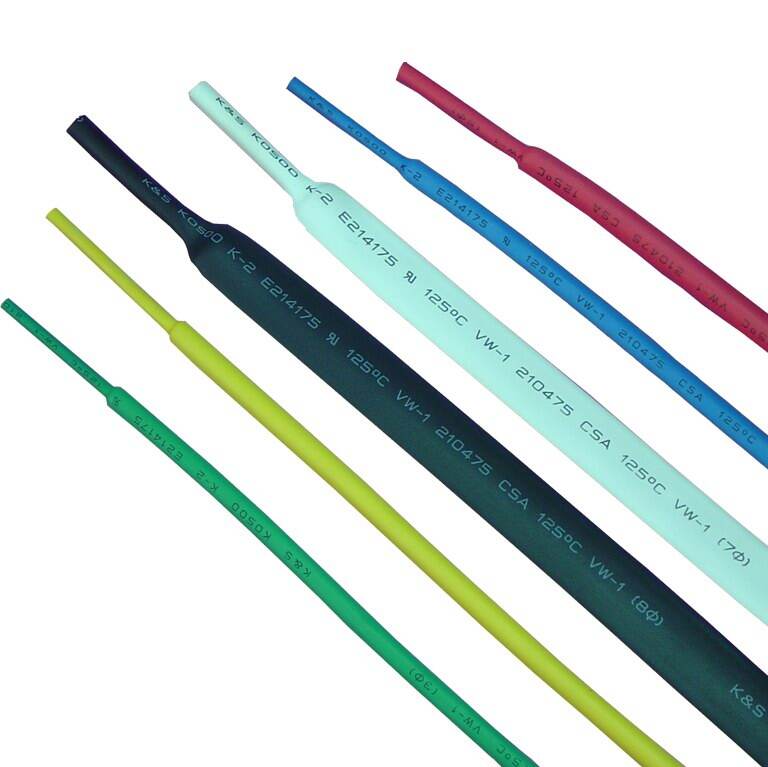
Müteahhitler, elektrik ve mekanik tesisatlarda kablo yönetimi çözümlerini değerlendirirken, sıkıştırma Borusu seçim listesinin en üstünde tutarlı bir şekilde yer alır. İş, bir kontrol panosunda birkaç kabloyu bir araya getirmeyi mi yoksa bir endüstriyel montaj boyunca yüzlerce iletkeni yönetmeyi mi içeriyor, kılıf daraltma malzemesi kullanılmasına karar vermek nadiren tesadüfi olur. Bu karar, yılların saha deneyimini, uygulama gereksinimlerini ve bu malzemenin gerçek dünya koşullarında ne sunduğuna dair net bir anlayışı yansıtır.
Daralma boruları, pazarlama nedeniyle değil, performansı nedeniyle müteahhitlerin araç kutularında yerini almıştır. Isı uygulandığında kablo demetlerinin etrafına sıkıca oturabilme özelliği, onu banttan, kablo kanalından veya kablo bağlayıcılardan temelde farklı kılar. Bu makale, müteahhitlerin kablo demetleme uygulamalarında daralma borularına neden güvendiğini, etkili olmasını sağlayan özelliklerini ve neden inşaat, elektrik, otomotiv ve endüstriyel sektörler genelinde tercih edilen bir çözüm olduğunu ele alır.
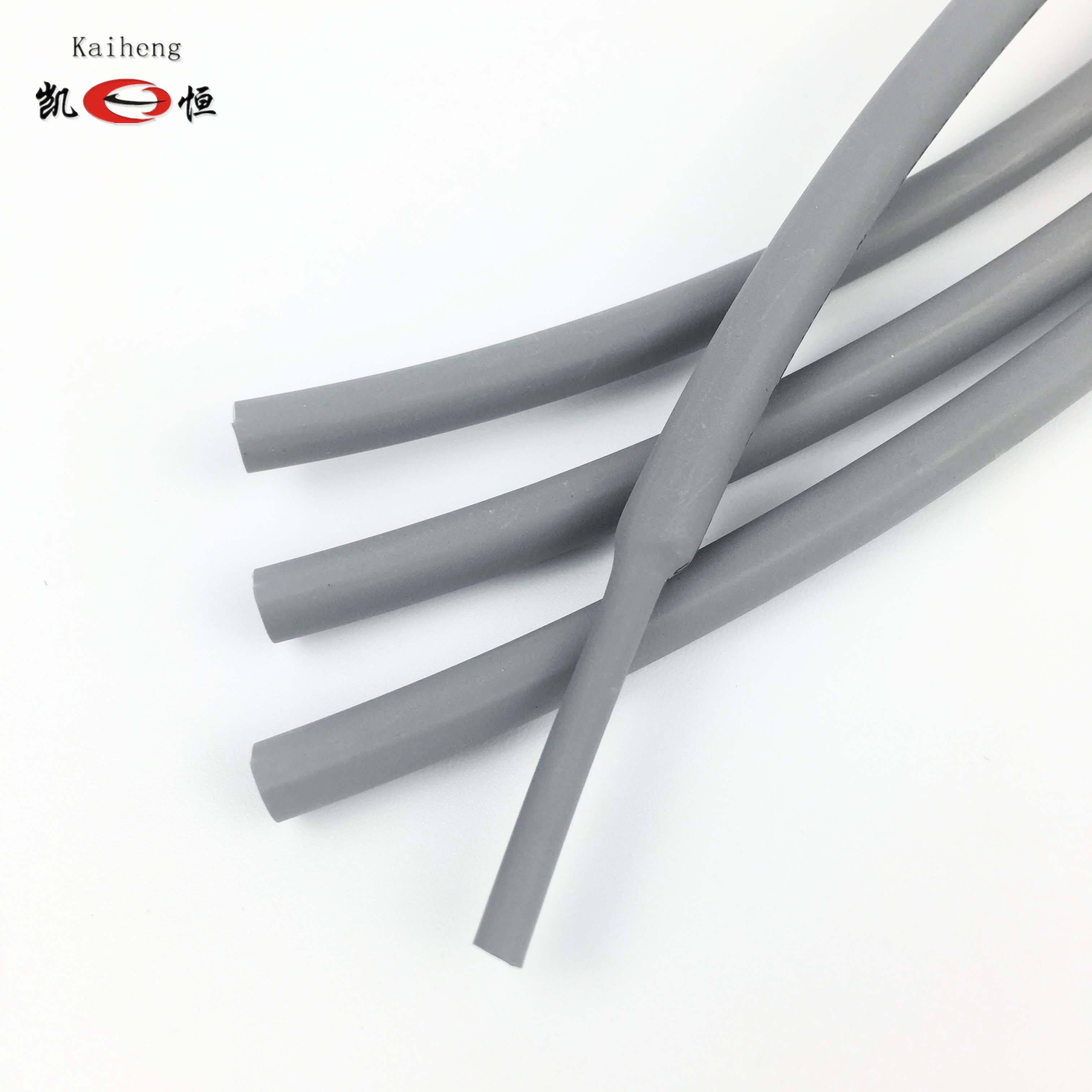
Kablo Demetlemede Daralma Borularının Temel İşlevsel Avantajı
Mekanik Kuvvet Gerektirmeden Sıkı Oturma
Yüklenicilerin alternatif kablo demetleme yöntemlerine kıyasla ısıtmalı büzme borusunu tercih etmelerinin başlıca nedenlerinden biri, kelepçe, yapıştırıcı veya mekanik sıkıştırma gerektirmeden kablo demetinin tam şekline uyum sağlayabilmesidir. Isı eşit şekilde uygulandığında, boru demetin etrafında düzgün bir şekilde büzülerek titreşim, hareket ve sıcaklık değişimlerine karşı şeklini koruyan sıkı ve sağlam bir kılıf oluşturur.
Bu sıkı oturma sadece estetik bir avantaj değildir. Kablo demetleri mekanik stres altına maruz kaldığı ortamlarda gevşek sarım, bireysel iletkenlerin yer değiştirmesine, birbirleriyle aşınmasına veya çevredeki yapılarla takılmasına neden olabilir. Isıyla daralan borular, demeti zaman içinde tutarlı kalan tanımlanmış ve korunaklı bir form faktörüne sabitleyerek bu riski ortadan kaldırır.
Otomotiv montajı, havacılık üretimi ve deniz elektrik tesisatı alanında çalışan müteahhitler, uygulamalarının sürekli titreşim ve hareket içeriyor olması nedeniyle bu özelliği özellikle değerli bulurlar. Bir demetin ısıya duyarlı boru ile sarılması, bantın soyulmasına veya kablo bağlayıcıların gevşemesine neden olacak koşullar altında bile bütünlüğünü korur.
Demet Boyutlarına Göre Ölçeklenebilir Uygulama
Isıya duyarlı borular, çok çeşitli çaplarda ve büzülme oranlarında mevcuttur; bu da müteahhitlere oldukça farklı ölçeklerdeki projeler üzerinde çalışabilmeleri için esneklik sağlar. 2:1 büzülme oranı sunan bir ürün, demet çapındaki küçük değişikliklere uyum sağlar; buna karşılık 3:1 ve 4:1 oranlı ürünler çok daha yüksek uyarlanabilirlik sunar ve tek bir kılıfın, düzensiz kesit şekillerine sahip demetleri ya da farklı kesit alanlarına sahip iletkenleri kapsamasını sağlar.
Bu ölçeklenebilirlik, tek bir kurulumda kablo demetlerinin boyutlarının değiştiği karmaşık işlerde pratik bir avantaj sağlar. Bir yüklenici, birden fazla tür bağlama donanımı stoklamak yerine, hedeflenmiş bir daralan boru çapı seçimiyle çoğu bağlama senaryosunu verimli bir şekilde karşılayabilir. Malzeme envanterindeki azalma, satın alma işlemlerini basitleştirir ve sahada atığı azaltır.
Genel müteahhitlikte en yaygın olarak kullanılan daralan boru türlerinden biri olan poliolefin tabanlı daralan borular, nispeten düşük aktivasyon sıcaklıklarında iyi bir daralma performansı sunar. Bu, yüklenicilerin özel aletlere veya uzun bekletme sürelerine gerek kalmadan standart ısı tabancalarıyla güvenilir bir şekilde uygulamasını sağlar; bu da kurulum işçiliğini verimli tutar.
Yüklenicilerin Tercihini Belirleyen Koruma Özellikleri
Elektriksel Yalıtım ve Dielektrik Performans
Kılıf tüpü, mükemmel bir elektriksel yalıtkan olarak işlev görür ve bu, müteahhitlerin kablo bağlayıcılar gibi sadece mekanik çözümler yerine demetleme uygulamalarında bunu tercih etmelerinin en önemli nedenlerinden biridir. İletkenlerden oluşan bir demet, kılıf tüpüyle kaplandığında dış kılıf, kazara temas, kaçak akım (tracking) ve ark oluşumu karşısında sürekli bir yalıtım bariyeri oluşturur; böylece açıkta kalan iletkenerin tehlike yaratabileceği ortamlarda koruma sağlar.
Kontrol panolarında, bağlantı kutularında ve ölçüm cihazları muhafazalarında kablo demetleri genellikle metal yapılar, topraklanmış yüzeyler veya yan yana bulunan enerjili iletkenerle yakın mesafede geçer. Kılıf tüpü, yalnızca bağlantı noktalarında değil, demetin tam uzunluğu boyunca istemsiz elektriksel temas riskini azaltır. Bu nedenle, kablo yönetimi stratejisinin kendisine katmanlı koruma entegre etmek isteyen elektrikçiler tarafından tercih edilen bir seçenektir.
Kaliteli daralan kaplamaların dielektrik dayanımı, ticari ve endüstriyel tesisat uygulamalarında karşılaşılan çoğu düşük ve orta gerilimli uygulama için yeterlidir. Yükleniciler belirli yalıtım standartlarını karşılamak gerektiğinde, doğrulanmış gerilim derecelendirmelerine sahip daralan kaplamaları seçerler; böylece demetleme malzemesi, tesisatın genel güvenlik uyumluluğuna kendisi de katkı sağlar.
Çevresel ve Kimyasal Etkilere Dayanıklılık
Endüstriyel ve dış mekân tesisatlarındaki kablo demetleri, nem, yağlar, yakıtlar, temizlik kimyasalları ve UV radyasyonu gibi etkenlere maruz kalır. Çapraz bağlı poliolefin veya özel floropolimer malzemelerden üretilen daralan kaplamalar, bu çevresel etkenlere karşı güçlü direnç gösterir. Kaplama bir demetin etrafında daraldığında, kirletici maddelere maruz kalan yüzey alanını azaltır ve bağlantı noktalarında korozyona veya iletken boyunca yalıtım bozulmasına neden olabilecek nem girişi engellenir.
Gıda işleme tesislerinde, deniz ortamlarında veya kimya tesislerinde çalışan müteahhitler, geleneksel bant çözümlerinin sıvıları emmesi, yapıştırıcı katmanlarında bozulması ve sonunda demet üzerindeki tutuşlarını kaybetmesi nedeniyle artmış kimyasal dirençli kılıf malzemesi talep eder. Kılıf malzemesi bir kez ısıyla şekillendirildikten sonra yapıştırıcı bağlamaya dayanmadığından, uzun süreli kimyasal maruziyet altında aynı başarısızlık modundan etkilenmez.
UV direnci, dış mekânda elektrik işleri için kılıf malzemesini pratik bir seçim haline getiren başka bir özelliktir. Binaların dış yüzeylerinde, güneş enerjisi sistemlerinde veya dış mekânda kullanılan ekipman muhafazalarında geçen demetler, uzun süreli güneş ışığı maruziyetinden sonra bile mekanik ve yalıtım özelliklerini koruyan kılıf malzemesinden yararlanır. UV kararlılığı sağlanmış kılıf malzemesi belirten müteahhitler, daha düşük kaliteli alternatiflerde görülebilecek erken dönem gevreklik ve çatlama sorunlarından kaçınır.
Kurulum Verimliliği ve Proje Ekonomisi
Sahada Uygulama Hızı
Taşeronlar sıkı zaman çizelgeleri altında çalışır ve montajı yavaşlatan malzeme seçimleri maliyet aşımalarına neden olur. İş akışı doğru şekilde düzenlendiğinde, büzüşme boruları birçok alternatife kıyasla uygulanması daha hızlıdır. Bir teknisyen, önceden monte edilmiş bir kablo demetinin üzerine boruyu kaydırabilir, doğru konuma getirebilir ve her bölüm için sadece birkaç saniye içinde ısı tabancasıyla aktive edebilir. Katlama süresine, yapıştırıcının kurumasını beklemeye veya çok adımlı sarma işlemine gerek yoktur.
Bu hız avantajı büyük işlerde katlanır. Onlarca kontrol panosu bulunan bir tesisde, her panoda birden fazla kablo demeti bulunur; bu durumda büzüşme borusu yerine bant ya da spiral sarım kullanılması, projenin tamamında saatlerce tasarruf edilen işçilik süresine karşılık gelir. Tecrübeli taşeronlar bu durumu malzeme seçim kararlarına dahil eder ve biraz daha yüksek malzeme maliyetinin genellikle önemli ölçüde daha düşük işçilik süresiyle telafi edildiğini bilir.
Önceden kesilmiş uzunluklar ve önceden monte edilmiş büzüşebilir boru ürünleri, standartlaştırılmış işlerde kurulumu daha da hızlandırır. Bir kurulumda kablolu demetlerin boyutları tutarlıysa, yükleniciler büzüşebilir boru parçalarını önceden hazırlayabilir ve her demet için sahada ölçüm yapmak ve kesmek yerine bunları verimli bir üretim tarzı iş akışı parçası olarak kullanabilirler.
Uzun Vadeli Dayanıklılık ile Tekrar İşleme Maliyetlerinin Azaltılması
Toplam maliyet açısından değerlendirildiğinde, büzüşebilir borular kurulumun kullanım ömrü boyunca değiştirilme, yeniden sıkma veya yeniden işlem gerektirmeden dayanıklılığını koruduğu için iyi bir performans gösterir. Kablo bağları UV ışınlarına maruz kalma veya sıcaklık değişimlerine bağlı olarak gevrekleşebilir ve kopabilir. Bantlar yapışkanlığını kaybedebilir, kayabilir ve sonunda iletkenler üzerinde yapıştırıcı kalıntısı bırakabilir. Büzüşebilir borular bir kez uygulandıktan sonra geçici olmayan bir kılıf haline gelir ve aynı şekilde bozulmaz.
Hizmet garantileri sunan veya bakım sözleşmelerinden sorumlu müteahhitler için bu dayanıklılık bir ticari değerlendirmedir. Ekipmanın tam hizmet ömrü boyunca düzgün düzenlenmiş ve korunmuş kalan bir kablo demeti, işçilik kalitesine olumlu bir izlenim bırakır ve başlangıçta yetersiz koruma nedeniyle bozulan kabloların yeniden demetlenmesi veya yeniden yalıtılması amacıyla yapılacak tekrar ziyaretlerin olasılığını azaltır.
Bina sahipleri ve tesis yöneticileri de bu avantajı takdir eder. Müteahhit tekliflerini değerlendirirken kaliteli büzüşme borularının kullanılması, maliyet indirimine yönelim gösteren bir yaklaşım değil, profesyonel düzeyde işçilik kalitesine işaret eder. Rekabetçi müteahhitlik pazarlarında, malzemenin uzun vadeli performansına ilişkin farkındalığın gösterilmesi bir teklifi ayırt edebilir ve daha yüksek proje kar marjlarını destekleyebilir.
Uyumluluk, Güvenlik Standartları ve Profesyonel En İyi Uygulamalar
Elektrik Kodu ve Güvenlik Gereksinimlerini Karşılamak
Birçok elektrik tesisatı, ulusal veya uluslararası güvenlik standartlarına uymak zorundadır ve kablo yönetimi için kullanılan malzemeler de bu gereksinimlere tabidir. Tanınmış standartlara göre üretilen daralan borular, müteahhitlere belgelenmiş uyum kanıtı sağlar; bu da tesisatların üçüncü taraf denetimine tabi tutulduğu veya ekipmanın güvenlik sertifikaları taşıması gerektiği durumlarda hayati öneme sahiptir.
Alev geciktirici özellikte daralan borular, yangın güvenliği kurallarının kablo demetleme malzemelerinin tutuşmaya dirençli olmasını ve alev yayılmasını sınırlamasını gerektirdiği uygulamalarda belirtilir. Ticari binalarda, veri merkezlerinde, ulaşım araçlarında ve endüstriyel makinelerde alev geciktirici daralan boruların kullanımı genellikle zorunludur; isteğe bağlı değildir. Bu gereksinimleri bilen müteahhitler, başlangıçtan itibaren doğru sınıfı belirtir ve böylece denetimden geçememe nedeniyle yapılacak yeniden işçilikten kaynaklanan maliyetleri ve kesintileri önler.
RoHS uyumluluğu ve halojensiz formülasyonlar, elektronik üretiminde ve ihracat pazarlarında giderek daha fazla talep edilmektedir. Düzenleyici pazarlara yönelik ürünler üzerinde çalışan müteahhitler ve montajcılar, bu kimyasal kısıtlamalara uyan büzüşebilir boru (shrink tubing) belirtirler; böylece kablo demetleme malzemeleri, nihai ürün içinde uyumluluk riski oluşturmaz.
İşçilik Standartları Boyunca Tutarlılık
Profesyonel müteahhitler, işi gerçekleştiren teknisyenin kim olduğundan bağımsız olarak tutarlı sonuçlar sağlayan standartlaştırılmış montaj uygulamaları geliştirirler. Büzüşebilir boru (shrink tubing), uygulama sürecinin yüksek düzeyde tekrarlanabilir olması nedeniyle bu tutarlılığı destekler. Belirli bir kablo demeti türü için doğru çap ve uzunluk bir kez belirlendikten sonra, montaj işlemi basit olur ve her seferinde aynı sonucu verir.
Bu tekrarlanabilirlik, büyük ekipleri yöneten veya genç teknisyenleri eğiten müteahhitler için özellikle değerlidir. Açık ve ısıt-ve-bitir uygulama yöntemi, bant sarma veya bağlama tekniklerini etkileyen beceri değişkenliğini azaltır. Bir demetin üzerine büzüşebilir boru uygulandığında, bu işlemi deneyimli bir elektrikçi mi yoksa belirlenmiş bir prosedürü takip eden birinci sınıf bir çırak mı yapmışsa fark etmez; sonuç her zaman aynı görünür.
Büzüşebilir boru kullanıldığında malzeme seçimlerinin dokümantasyonu da daha basitleşir. Ürün tanımlayıcılar, büzülme oranları, sıcaklık derecelendirmeleri ve uygunluk işaretleri genellikle borunun kendisi üzerine basılır veya kabartılır; bu da inceleme sırasında doğru ürünün kullanıldığından kolayca emin olunmasını sağlar. Bu izlenebilirlik, kalite yönetim sistemlerini destekler ve karmaşık tesisatlar için as-built (gerçekleşen durum) dokümantasyonunu kolaylaştırır.
SSS
Büzüşebilir boruyu kablo bağından daha üstün kılan nedir?
Kılıf boruları, demet boyunca tam uzunlukta kaplama sağlar ve kablo bağlayıcılarının eşleşemeyeceği kadar sürekli bir yalıtım, nem direnci ve mekanik koruma sunar. Kablo bağlayıcıları, demeti belirli noktalarda sabitler ancak bu noktalar arasındaki iletkenleri açık bırakır. Kılıf boruları ise tüm demeti koruyucu bir kılıf içine alır; bu nedenle yalnızca basit gruplandırma değil, demetin tam uzunluğu boyunca koruma gerektiğinde daha güçlü bir seçenektir.
Kılıf boruları farklı kesitteki iletkenlerden oluşan demetlerde kullanılabilir mi?
- Evet, evet. ÜRÜNLER daha yüksek büzülme oranlarına sahip (örneğin 3:1 veya 4:1 tipleri) kılıf boruları, farklı iletken kalınlıklarının karıştırılması ya da demet içine konnektörlerin dahil edilmesi sonucu ortaya çıkan düzensiz şekiller de dahil olmak üzere, demetin kesit alanında önemli değişkenliklere uyum sağlar. Büzülme sırasında boru, demetin gerçek profiline uyar ve alttaki geometriden bağımsız olarak düzensizlikleri doldurarak düzgün bir dış kılıf oluşturur.
Müteahhitler, bir kablo demeti için doğru kılıf borusu çapını nasıl seçer?
Başlangıç noktası, herhangi bir bağlama malzemesi uygulanmadan önce monte edilmiş demetin maksimum çapını ölçmektir. Seçilen büzüşebilir kılıfın, büzüldükten sonra sıkı bir oturma sağlamak amacıyla demet çapından biraz küçük olan kurtarılmış iç çapı olmalıdır; buna karşılık genişletilmiş iç çapı, ısı uygulanmadan önce demetin üzerine rahatça kaydırılabilmesi için yeterince büyük olmalıdır. Üreticiler, hem genişletilmiş hem de kurtarılmış durumlar için çap spesifikasyonlarını sağlar ve müteahhitler bu iki referans boyuta göre seçim yapar.
Büzüşebilir kılıf, dış mekânda kablo demetleme uygulamaları için uygun mudur?
UV kararlılığına sahip büzüşme tüpleri, dış mekânda kullanım için özel olarak formüle edilmiştir ve uzun süreli güneş ışığı maruziyeti, sıcak-soğuk koşullar arasında sıcaklık değişimleri ve nem altında özelliklerini korur. Dış mekânda tesisat uygulamaları için yükleniciler, onaylanmış UV direncine ve tesisat yerinin iklim koşullarına uygun sıcaklık derecelendirmesine sahip tüpleri belirtir. Genel amaçlı iç mekân sınıfları, uzun süreli dış mekân maruziyeti için önerilmez; çünkü zamanla kırılganlaşabilir veya renk değişikliğine uğrayabilir.