
 EN
EN



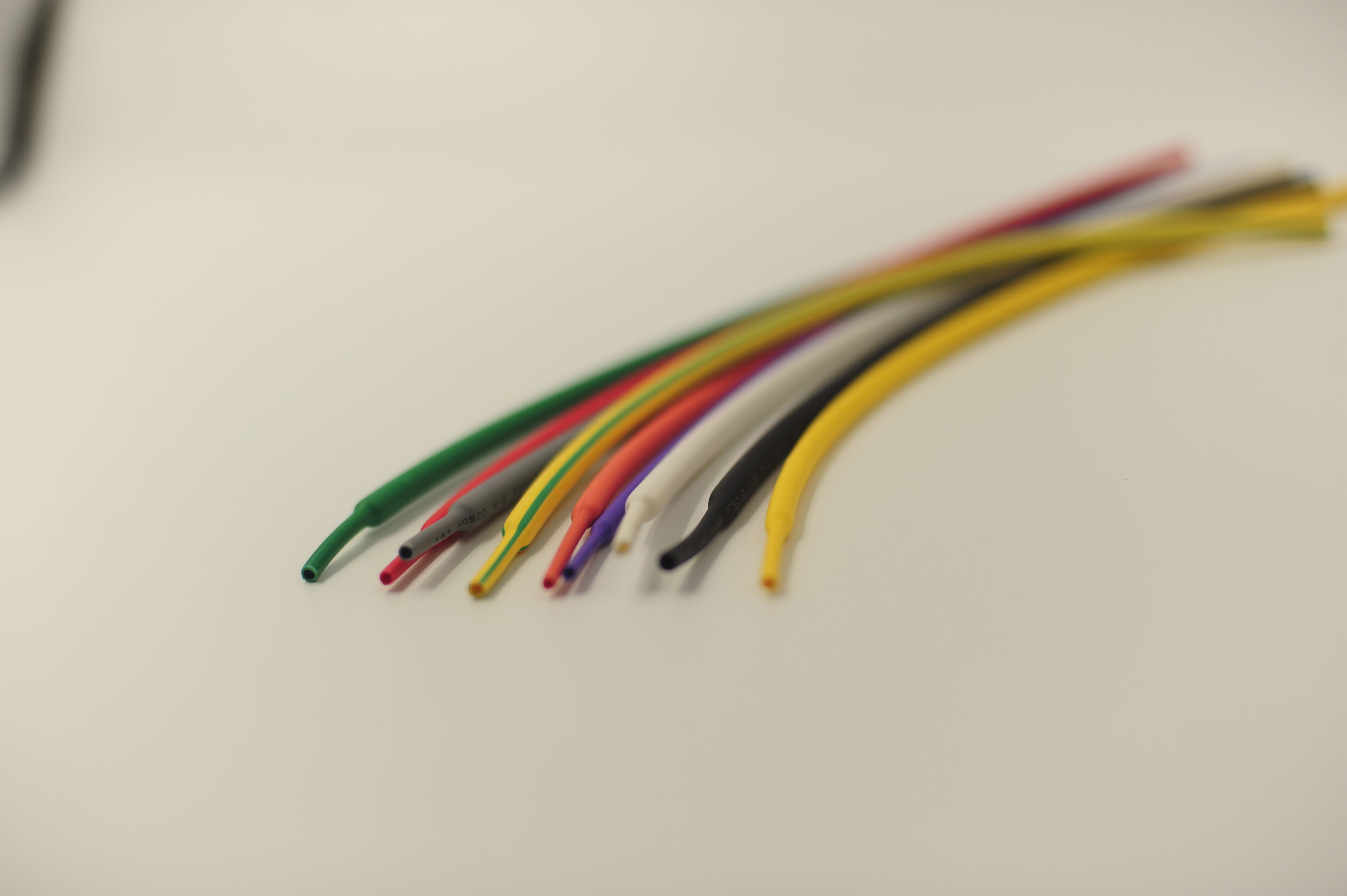
Outdoor cable installations face numerous environmental challenges that can compromise their integrity and performance over time. Weather exposure, UV radiation, moisture ingress, and temperature fluctuations create a hostile environment for electrical connections and cable terminations. A heat shrinkable tube serves as a critical protective barrier that shields cables from these damaging elements while maintaining electrical insulation and mechanical strength. Understanding how this protective technology works is essential for engineers and installers who need reliable long-term performance from their outdoor electrical systems.
The protective mechanism of a heat shrinkable tube operates through controlled polymer shrinkage that creates a tight, conforming seal around cable surfaces. When heated, the tube contracts uniformly to form a protective jacket that eliminates air gaps and provides comprehensive coverage against environmental intrusion. This shrinking action not only creates physical protection but also establishes a secure moisture barrier that prevents water penetration at vulnerable connection points and cable terminations where outdoor installations are most susceptible to failure.
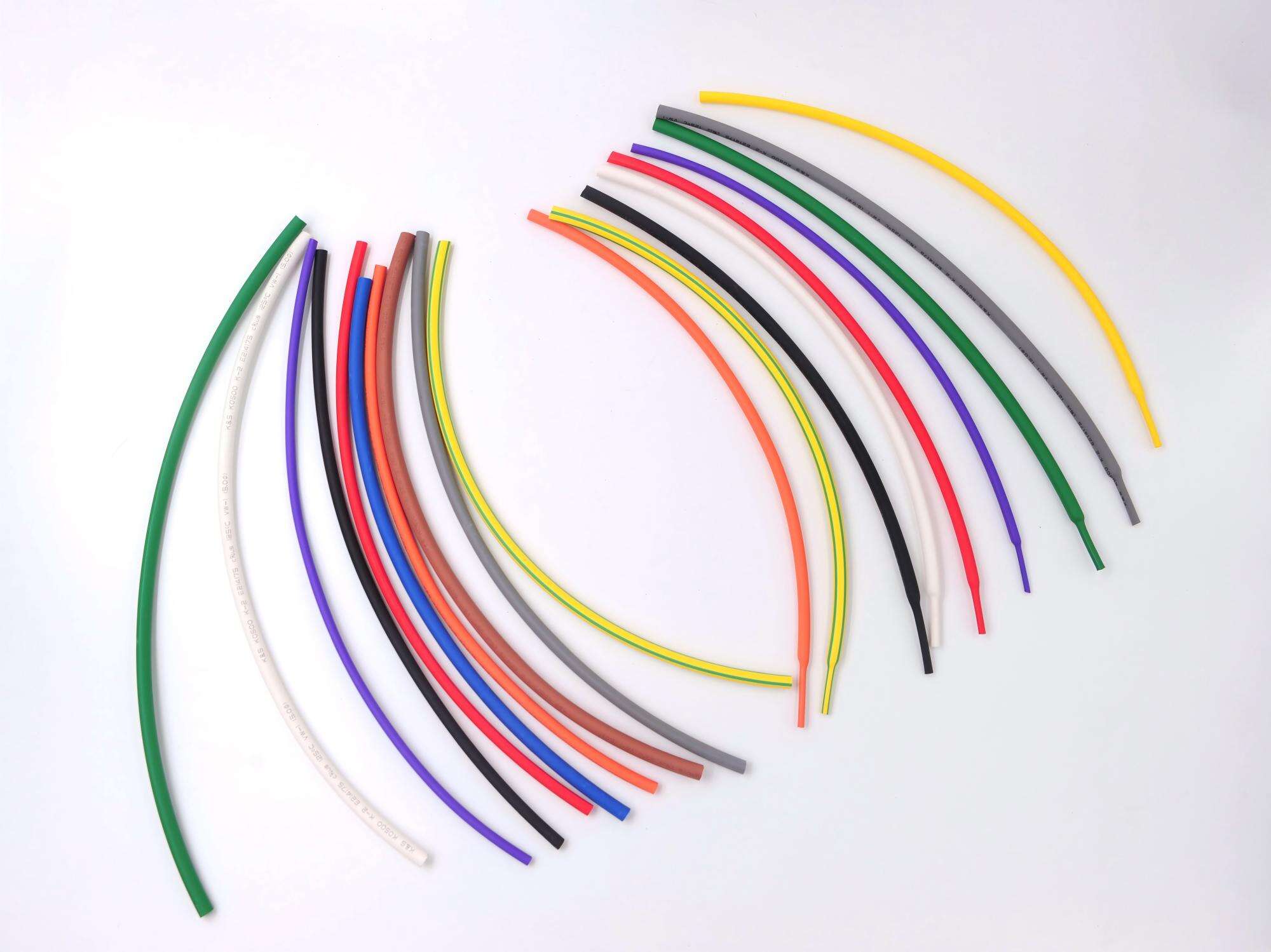
Environmental Protection Mechanisms
Moisture and Water Ingress Prevention
The primary protective function of a heat shrinkable tube in outdoor applications centers on its ability to create an impermeable barrier against moisture penetration. When properly applied and heated, the tube forms a continuous seal that eliminates potential entry points for water, condensation, and humidity. This moisture barrier is particularly critical at cable splices, terminations, and connection points where exposed conductors would otherwise be vulnerable to corrosion and electrical degradation.
The shrinking process forces the tube material to conform closely to irregular cable surfaces, connector shapes, and joint configurations. This tight conformance eliminates air pockets and gaps where moisture could accumulate or freeze during temperature cycles. Advanced heat shrinkable tube formulations include moisture-blocking compounds and adhesive linings that enhance the sealing capability and provide additional protection against water migration along cable surfaces.
Long-term moisture protection depends on the tube's ability to maintain its seal integrity under repeated thermal cycling and mechanical stress. High-quality materials resist cracking, splitting, and adhesion failure that could compromise the moisture barrier over years of outdoor exposure. This durability ensures that cable systems remain protected throughout their intended service life without requiring frequent maintenance or replacement.
UV Radiation and Weather Resistance
Ultraviolet radiation from direct sunlight presents a significant threat to cable insulation and protective materials in outdoor installations. A properly formulated heat shrinkable tube incorporates UV-stabilizing additives and carbon black compounds that absorb and dissipate harmful radiation before it can reach the underlying cable structure. This UV protection prevents polymer degradation, color fading, and material embrittlement that would otherwise compromise the cable's protective properties.
Weather resistance encompasses protection against rain, snow, ice formation, and temperature extremes that characterize outdoor environments. The tube material must maintain flexibility and adhesion properties across a wide temperature range while resisting cracking from thermal stress and mechanical loading. Advanced formulations provide stable performance from sub-zero winter conditions to high summer temperatures without losing their protective effectiveness.
Wind-driven debris, abrasion from vegetation, and impact from falling objects pose additional challenges for outdoor cable systems. The heat shrinkable tube acts as a sacrificial protective layer that absorbs mechanical damage while preserving the integrity of the underlying cable insulation and conductors. This mechanical protection extends cable service life and reduces the frequency of repair interventions in difficult-to-access outdoor installations.
Installation Process and Shrinkage Technology
Heat Application Methods and Temperature Control
Proper installation of a heat shrinkable tube requires controlled heat application to achieve uniform shrinkage and optimal protection. Heat guns, propane torches, and specialized heating tools provide the thermal energy needed to activate the shrinkage process, but temperature control is critical to prevent overheating damage. Most industrial-grade tubes require heating to temperatures between 125°C and 150°C to achieve full shrinkage, though specific requirements vary by material formulation and wall thickness.
The heating process must proceed gradually from the center of the tube outward to prevent air entrapment and ensure complete conformance to the cable surface. Rapid heating or excessive temperatures can cause the tube material to char, crack, or shrink unevenly, compromising its protective capabilities. Professional installers use infrared thermometers and temperature-indicating strips to monitor the shrinkage process and verify complete activation across the entire tube length.
Environmental conditions during installation affect the heating process and final protection quality. Cold weather slows shrinkage and may require extended heating times, while high ambient temperatures can cause premature shrinkage before proper positioning. Wind and moisture during installation can interfere with heat application and affect the final seal quality, making proper installation techniques essential for reliable outdoor protection.
Shrinkage Ratio and Dimensional Considerations
The shrinkage ratio of a heat shrinkable tube determines its ability to accommodate different cable diameters and provide tight conformance around irregular shapes. Common shrinkage ratios range from 2:1 to 4:1, meaning the tube's expanded diameter reduces by half to one-quarter during the heating process. Higher shrinkage ratios provide greater flexibility in cable sizing but require more precise positioning and heating control to achieve optimal results.
Wall thickness recovery occurs simultaneously with diameter shrinkage, concentrating the protective material around the cable for enhanced durability and insulation properties. This thickness recovery is particularly important for outdoor applications where mechanical protection and electrical insulation must withstand harsh environmental conditions over extended periods. The final wall thickness directly influences the tube's resistance to puncture, abrasion, and UV degradation.
Proper sizing selection requires careful consideration of the cable diameter, connector dimensions, and required shrinkage allowance. An oversized heat shrinkable tube may not achieve sufficient tightness for reliable sealing, while an undersized tube may tear during shrinkage or fail to advance over larger connector bodies. Professional installation guidelines specify sizing charts and measurement procedures to ensure optimal fit and protection performance.
Material Properties and Outdoor Performance
Polymer Composition and Chemical Resistance
The base polymer composition of a heat shrinkable tube determines its long-term performance characteristics and suitability for specific outdoor environments. Cross-linked polyolefin materials offer excellent flexibility, chemical resistance, and thermal stability for general-purpose outdoor applications. These materials resist degradation from ozone, acids, alkalis, and many industrial chemicals commonly encountered in outdoor installations.
Advanced formulations incorporate flame-retardant compounds, antioxidants, and thermal stabilizers that enhance safety and extend service life in challenging outdoor conditions. Flame-retardant properties are particularly important for electrical applications where arc faults or overheating could ignite surrounding materials. The tube material must self-extinguish quickly and resist propagating flames to adjacent cable sections or structures.
Chemical compatibility becomes critical in industrial outdoor environments where cables may be exposed to process chemicals, cleaning solvents, or atmospheric pollutants. Specialized heat shrinkable tube formulations provide enhanced resistance to specific chemical families, ensuring long-term protection in petrochemical plants, water treatment facilities, and other challenging outdoor industrial applications.
Temperature Performance and Thermal Cycling
Outdoor cable installations experience significant temperature variations between day and night cycles, seasonal changes, and weather events. A high-performance heat shrinkable tube must maintain its protective properties across the full temperature range expected in the installation environment. Operating temperature ratings typically extend from -55°C to +135°C for standard outdoor applications, with specialized formulations available for extreme temperature conditions.
Thermal cycling stress occurs when repeated expansion and contraction create fatigue in the tube material and its adhesion to the cable surface. Quality materials resist cracking, splitting, and delamination under thousands of thermal cycles while maintaining their moisture seal and electrical insulation properties. This thermal stability is essential for outdoor installations in climates with large daily temperature swings or extreme seasonal variations.
Heat aging resistance determines how well the tube material retains its flexibility and protective properties over years of exposure to elevated temperatures. Accelerated aging tests simulate decades of outdoor exposure to evaluate material stability and predict service life under actual operating conditions. This testing data helps engineers select appropriate materials for specific climate zones and application requirements.
Application Scenarios and Installation Types
Underground and Buried Cable Protection
Underground cable installations present unique challenges where heat shrinkable tube protection becomes essential for long-term reliability. Soil moisture, groundwater, and chemical contamination create aggressive conditions that can penetrate cable insulation and cause premature failure. The tube provides a critical moisture barrier at cable splices, terminations, and transition points where underground cables emerge to above-ground equipment.
Direct burial applications require enhanced mechanical protection against soil settlement, root intrusion, and excavation damage. Heavy-wall heat shrinkable tubes with reinforced construction resist crushing and puncture forces while maintaining their electrical and sealing properties. These applications often incorporate additional protective measures such as warning tapes and concrete encasement to prevent accidental damage during future excavation activities.
Cathodic protection systems used to prevent metallic cable components from corrosion must be compatible with the tube material and installation methods. The heat shrinkable tube must not interfere with protective current flow while providing insulation between dissimilar metals that could create galvanic corrosion cells in the underground environment.
Aerial and Overhead Line Applications
Aerial cable installations expose connections and terminations to the full range of weather conditions, making comprehensive protection essential for reliable operation. A heat shrinkable tube shields overhead line connections from rain, snow, ice accumulation, and wind-driven debris that could cause short circuits or mechanical damage. The tube's flexibility accommodates thermal expansion and wind-induced movement without compromising the protective seal.
Ice loading presents particular challenges for overhead installations where the weight of accumulated ice can stress cable connections and protective materials. The tube must maintain its flexibility at sub-zero temperatures and resist cracking under ice formation and thermal shock conditions. Smooth surface finishes help prevent ice adhesion and facilitate natural shedding during thaw cycles.
Lightning protection considerations become important for elevated outdoor installations where induced surges and direct strikes pose risks to cable systems. While the heat shrinkable tube provides insulation and environmental protection, the overall lightning protection system must include appropriate grounding, surge arresters, and protective gaps to safely handle fault currents without damaging the tube or underlying cables.
FAQ
How long does a heat shrinkable tube last in outdoor conditions?
A high-quality heat shrinkable tube designed for outdoor use typically provides 15-25 years of reliable protection under normal environmental conditions. Service life depends on factors such as UV exposure intensity, temperature extremes, chemical exposure, and mechanical stress. Premium materials with enhanced UV stabilization and weather-resistant formulations can extend service life beyond 30 years in less severe outdoor environments.
What size heat shrinkable tube should I use for my cable installation?
Select a heat shrinkable tube with an expanded diameter 20-30% larger than the largest component it must cover, whether that's the cable diameter, connector body, or splice housing. The tube's recovered diameter should be 10-20% smaller than the smallest component diameter to ensure tight conformance and reliable sealing. Always consult manufacturer sizing charts and consider the specific shrinkage ratio of your selected tube material.
Can heat shrinkable tubes be installed in cold weather conditions?
Yes, heat shrinkable tubes can be installed in cold weather, but special precautions are necessary. Cold temperatures slow the shrinkage process and may require longer heating times and higher application temperatures. Pre-warming the tube and cable components helps ensure uniform shrinkage. Some installers use heated enclosures or tents to create controlled temperature conditions for critical installations during extreme cold weather.
Do I need special tools to install heat shrinkable tubes outdoors?
Professional outdoor installation requires a controlled heat source such as a heat gun with variable temperature settings, infrared thermometer for temperature monitoring, and appropriate safety equipment. For field installations, battery-powered heat guns or butane-powered heating tools provide portable heat sources. Additional tools may include cable preparation equipment, measuring devices, and protective barriers to shield surrounding materials during heating.