
 EN


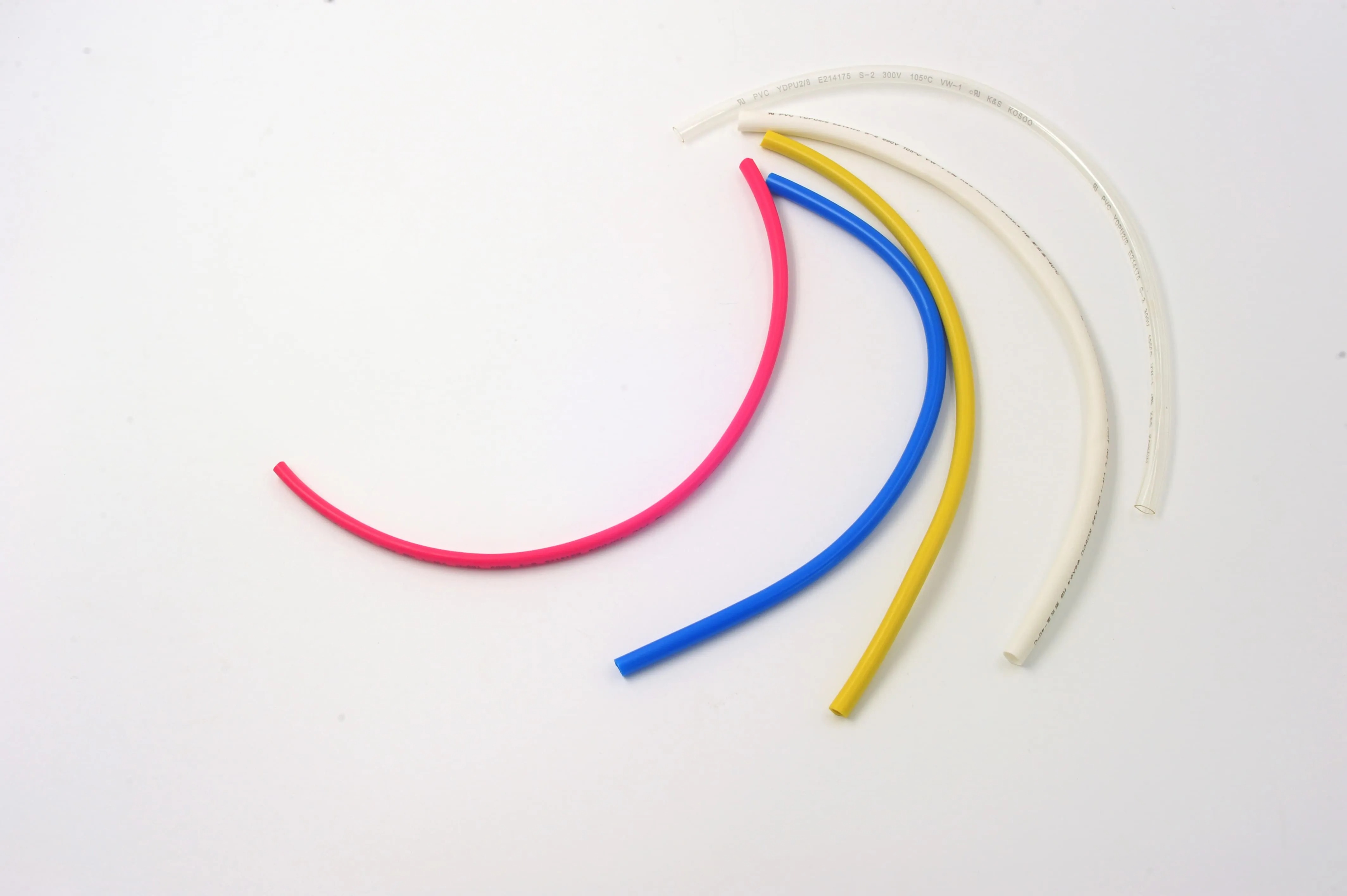
Automotive wiring systems face extreme environmental challenges, from temperature fluctuations and moisture exposure to mechanical stress and chemical corrosion. A heat shrink tube serves as a critical protective component that safeguards electrical connections and wire bundles throughout modern vehicles. Understanding how heat shrink tube functions in automotive applications enables engineers, technicians, and maintenance professionals to implement robust wiring solutions that enhance reliability, longevity, and safety across diverse vehicle platforms and operating conditions.

The automotive industry demands exceptional performance standards from every component in the electrical system. A heat shrink tube delivers consistent protection by forming a tight, seamless barrier around wires and connections through thermal contraction. This simple yet effective method has become the industry standard for insulating joints, repairing damaged wire coatings, and bundling harnesses across light-duty vehicles, heavy trucks, and specialized automotive equipment used in demanding environments worldwide.
Core Protective Functions of Heat Shrink Tube in Automotive Systems
Moisture and Corrosion Barrier
Automotive electrical systems operate in environments where moisture intrusion poses a constant threat to connection integrity. A heat shrink tube creates a waterproof seal that prevents condensation, salt spray, and direct water contact from reaching vulnerable solder joints and connector terminals. This moisture barrier is especially critical in coastal regions, winter climates where road salt is applied, and in underbody applications where the wiring harness sits exposed to splashing and humidity. The sealed environment created by heat shrink tube dramatically reduces oxidation rates on copper conductors and brass terminals, which in turn prevents voltage loss and connection failure over the vehicle's operational lifespan.
Mechanical Abrasion Protection
Wiring bundles in automotive applications must route through engine bays, door frames, and chassis members where sharp edges, vibration, and friction constantly threaten wire jacket integrity. Heat shrink tube serves as a sacrificial outer layer that absorbs abrasion damage that would otherwise reach the underlying insulation. By encasing groups of wires, a heat shrink tube prevents individual conductor abrasion against metal chassis members and reduces friction wear when harnesses move slightly during vehicle acceleration, braking, or suspension articulation. This protective function extends wire life dramatically and prevents short circuits that could otherwise disable critical vehicle systems or trigger underhood fires.
Installation and Application Workflow for Automotive Wiring
Preparation and Sizing Considerations
Proper heat shrink tube selection begins with measuring the wire bundle diameter and determining the appropriate heat shrink tube diameter before application. Undersized heat shrink tube will not contract fully and may slip off connections during vibration or thermal cycling, while oversized tube will not achieve adequate grip and compression. Technicians must account for the shrink ratio, typically 2:1 or 3:1, which indicates how much the heat shrink tube contracts when heated. Pre-application steps include cleaning connection areas to remove flux residue, ensuring all strands are properly twisted or soldered, and selecting tube length that extends slightly beyond the solder joint on all sides to provide complete environmental sealing.
Heat Application and Sealing Technique
Applying heat to shrink the heat shrink tube requires controlled temperature exposure to avoid damage to underlying insulation or conductor material. A heat gun set to approximately 300–350°F (150–175°C) is moved along the tube length at a steady pace, ensuring even contraction from all directions. This technique prevents wrinkles, gaps, or areas where heat shrink tube fails to make full contact with the wire bundle. Automotive technicians performing field repairs must avoid excessive heat that melts the tube material or underlying wire jackets, particularly when working near fuel lines or brake components. After cooling, the heat shrink tube should fit snugly without any hollow spots, bubbles, or separation points that would compromise the protective seal.
Performance Benefits and Long-Term Reliability Outcomes
Enhanced Electrical Conductivity and Voltage Stability
A properly applied heat shrink tube maintains consistent electrical properties by preserving the connection area from oxidation and environmental degradation. Corrosion-free solder joints and terminals retain lower electrical resistance, ensuring that voltage drop remains within specification limits even after years of thermal cycling and exposure. This stable electrical environment is critical for sensitive automotive modules including engine control units, transmission controllers, and battery management systems, where voltage fluctuations can trigger fault codes or system malfunction. By isolating connection points through heat shrink tube application, technicians ensure that automotive electrical systems deliver reliable performance and prevent intermittent faults that create customer complaints and warranty claims.
Compliance with Manufacturing and Aftermarket Standards
Original equipment manufacturers specify heat shrink tube in design standards to ensure consistent quality across production platforms and model years. Aftermarket technicians and fleet maintenance operations follow the same heat shrink tube specifications to maintain factory-equivalent performance and reliability levels. This standardization means that replacement harnesses, repair procedures, and field service bulletins all reference heat shrink tube materials, sizes, and application techniques that have been validated through extensive testing. Adhering to these specifications protects vehicle warranty coverage, maintains liability protection for service facilities, and ensures that repaired wiring systems perform identically to original components throughout the vehicle lifecycle.
FAQ
What is the typical shrink ratio for heat shrink tube used in automotive applications?
Most automotive-grade heat shrink tube uses a 2:1 or 3:1 shrink ratio, meaning the tube contracts to half or one-third its original diameter when heated. The 2:1 ratio is common for general wire bundling and protection, while 3:1 heat shrink tube provides tighter compression and is preferred for repairs where a more secure fit is critical. Selection depends on the wire diameter and the required grip force, with larger conductors and heavier harnesses typically benefiting from the higher compression of 3:1 heat shrink tube.
Can heat shrink tube be reused or removed once applied to automotive wiring?
Once heat shrink tube has cooled and contracted, it cannot be reused on the same location because the material does not re-expand to its original size. Removal requires careful cutting or scraping without damaging the underlying wire insulation. In field service situations where repairs are needed, technicians typically remove the damaged heat shrink tube completely and apply new material rather than attempting to reuse or reposition the original tube, ensuring optimal sealing and protection on the repaired connection.
How does heat shrink tube protect against chemical exposure in automotive underbody environments?
Heat shrink tube creates a sealed barrier that prevents road salt, de-icing compounds, fuel vapors, and coolant splashes from contacting the copper conductors and solder joints beneath. This chemical isolation is especially important in underbody harnesses where salt accumulation during winter months would otherwise accelerate corrosion on unprotected connections. The continuous polymer seal provided by heat shrink tube ensures that chemical exposure remains external, preserving the integrity of the electrical connection and preventing the electrochemical corrosion processes that would otherwise degrade connection quality.