
 EN


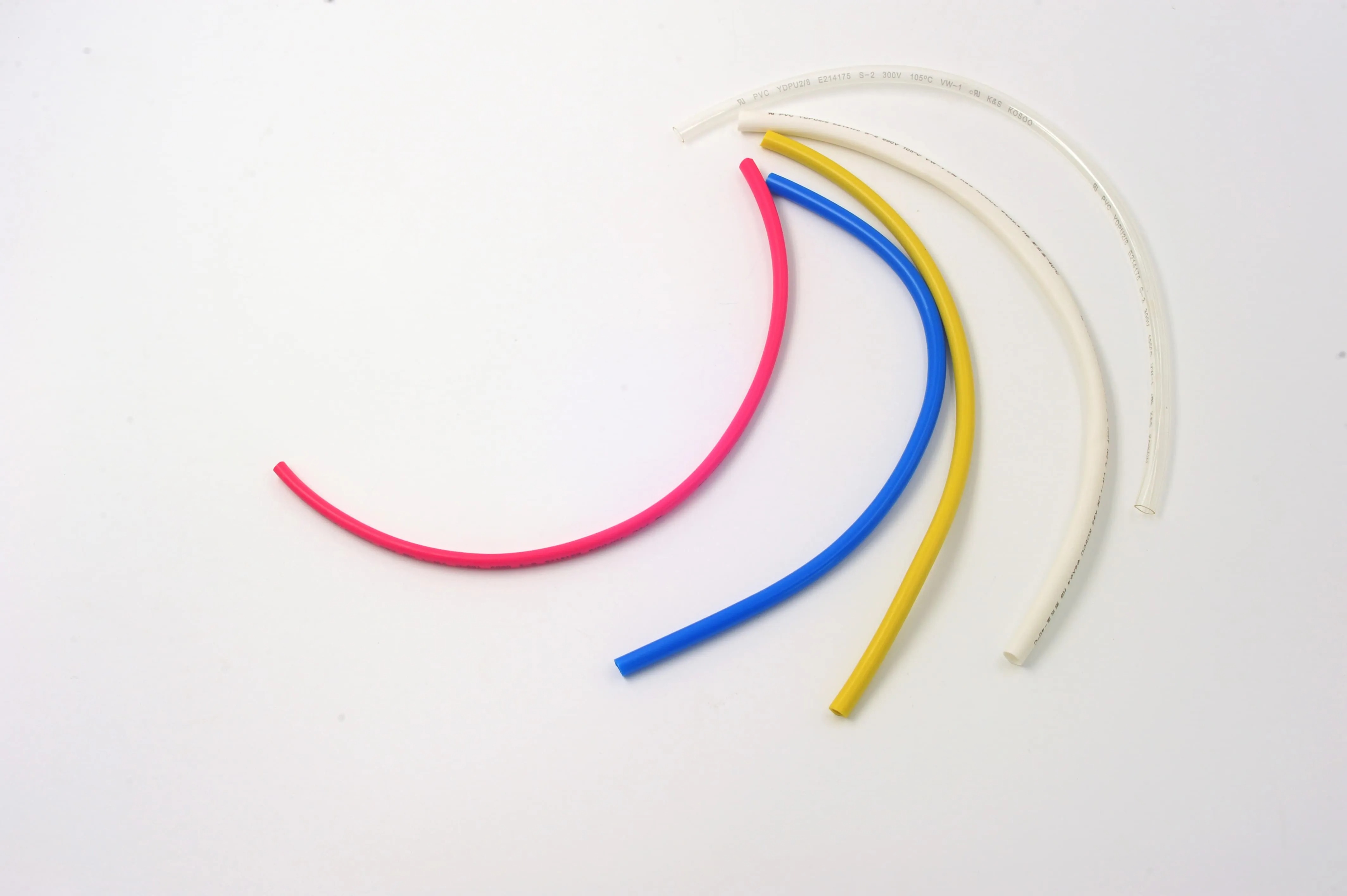
High voltage cable insulation projects demand precision, reliability, and materials that withstand extreme electrical and environmental stress. The heat shrinkable tube has become an indispensable solution for protecting and insulating cable connections, terminations, and damaged sections in demanding industrial applications. Understanding how to properly deploy heat shrinkable tube technology ensures cable longevity, safety compliance, and system performance across power distribution, renewable energy, mining, and manufacturing sectors.

When high voltage systems operate at elevated temperatures or face mechanical stress, standard cable insulation can degrade or fail prematurely. The heat shrinkable tube provides a protective secondary barrier that adheres tightly to cable surfaces, creating a seal against moisture, contaminants, and mechanical abrasion. This article explores the practical application of heat shrinkable tube in high voltage environments, installation workflows, material selection criteria, and proven best practices that ensure project success and regulatory compliance.
Understanding Heat Shrinkable Tube in High Voltage Applications
Core Function and Design Principles
A heat shrinkable tube is engineered from cross-linked polyolefin, fluoropolymer, or other polymeric materials that physically contract when heated. The tube is manufactured at an expanded diameter, then cooled under constraint to create internal mechanical stress. When reheated during installation, the heat shrinkable tube relaxes back to its original smaller diameter, conforming tightly to the underlying cable or connector surface. This molecular-level contraction creates a compression fit that eliminates air gaps, which is critical for high voltage insulation where voids can concentrate electrical fields and trigger failure.
For high voltage cable insulation projects, the heat shrinkable tube must meet specific electrical performance standards. The material must maintain dielectric strength across the operating voltage range, resist tracking and puncture, and preserve flexibility at both minimum and maximum service temperatures. Advanced formulations include additives that improve UV resistance, flame retardancy, and chemical resistance, making the heat shrinkable tube suitable for outdoor, industrial, and chemically aggressive environments. The wall thickness, shrink ratio, and material composition of the heat shrinkable tube are selected based on the specific voltage class, cable diameter, and environmental exposure profile of each project.
Why Heat Shrinkable Tube Outperforms Traditional Insulation Methods
Traditional cable insulation repair methods—such as wrap-around tapes, liquid coatings, or manual sleeving—often leave gaps, exhibit poor adhesion, and require lengthy curing times. In contrast, the heat shrinkable tube provides immediate, permanent protection that requires no mixing, drying, or post-application processing. The heat shrinkable tube also eliminates the labor cost and skill variability associated with tape wrapping or coating application, resulting in faster project timelines and more consistent quality across installations. For high voltage systems where insulation failures create cascade risks and costly downtime, the speed and reliability of heat shrinkable tube installation are major competitive advantages.
Installation Methods and Workflow for High Voltage Cables
Pre-Installation Preparation and Sizing
Before deploying heat shrinkable tube on any high voltage cable, the cable surface must be cleaned thoroughly to remove oils, dirt, oxidation, and corrosion. A solvent wipe or mechanical cleaning ensures the heat shrinkable tube will achieve optimal adhesion and maintains the dielectric integrity of the interface. The correct size heat shrinkable tube must be selected based on the cable or connector outside diameter and the shrink ratio specified by the manufacturer. For example, a heat shrinkable tube with a 2:1 shrink ratio must be sized so that its expanded diameter is roughly twice the final cable diameter; applying an undersized heat shrinkable tube will result in incomplete coverage or excessive stress, while an oversized heat shrinkable tube will not shrink sufficiently to create a seal. Measurements should be taken at multiple points along the cable section to accommodate diameter variations caused by connectors, solder joints, or insulation irregularities.
High voltage projects often require a heat shrinkable tube with specialized features such as flame retardancy, tracking resistance, or enhanced flexibility. The specification sheet for the heat shrinkable tube should be reviewed to confirm that the material meets the voltage class requirements, temperature ratings, and environmental standards relevant to the installation environment. For critical applications, the heat shrinkable tube should carry recognitions from relevant electrical standards organizations, ensuring compliance with codes such as IEEE, IEC, or NEMA.
Heat Application Techniques and Temperature Control
Applying heat to activate the heat shrinkable tube requires careful temperature control to prevent damage to the underlying cable insulation, conductor, or electronic components in proximity to the installation site. Heat guns are the most common tool for shrinking heat shrinkable tube, allowing the operator to direct focused heat precisely to the tubing while monitoring shrink progress. The gun should be held at a distance of 2 to 4 inches from the heat shrinkable tube surface and moved consistently along the length to ensure uniform heating. Overheating a heat shrinkable tube can cause material degradation, discoloration, or weakening of the dielectric properties, so temperature monitoring is essential. Many professional installers use infrared thermometers to verify that surface temperature remains within the recommended activation range specified by the heat shrinkable tube manufacturer.
In some high voltage applications, shrinking tunnels or industrial ovens are used to heat the heat shrinkable tube uniformly across large-scale cable runs or production environments. These controlled-temperature systems minimize the risk of under-shrinking or thermal damage and provide traceability for quality assurance. Regardless of the heating method, the heat shrinkable tube should be observed during the entire shrink cycle; proper shrinking is evidenced by the tubing collapsing tightly onto the cable surface without wrinkles, gaps, or splits. Any visible defects in the heat shrinkable tube after shrinking should trigger removal and replacement to ensure the insulation layer meets electrical and safety standards.
Material Selection and High Voltage Performance Considerations
Polyolefin and Advanced Polymer Formulations
The most widely used heat shrinkable tube for general high voltage applications is cross-linked polyolefin, which offers excellent dielectric strength, flexibility, and cost-effectiveness. Polyolefin-based heat shrinkable tube is suitable for voltages up to approximately 35 kV and provides reliable performance in moderate temperature ranges. For extreme service conditions—such as high ambient temperatures exceeding 125°C or aggressive chemical exposure—specialized heat shrinkable tube formulations using fluoropolymers or silicone elastomers provide superior thermal and chemical resistance. The selection of heat shrinkable tube material directly impacts the reliability and longevity of high voltage cable insulation projects, particularly in harsh industrial or renewable energy environments.
Advanced heat shrinkable tube products also incorporate conductive or semi-conductive layers beneath the outer insulation layer, creating multi-layer constructions that manage electric field distribution and reduce corona discharge risk at very high voltages. For ultra-high voltage applications above 100 kV, specialized heat shrinkable tube with carefully engineered dielectric profiles and additives is essential to prevent premature failure and ensure system safety. The heat shrinkable tube chosen for any project must be rated for the specific voltage class, environmental factors, and mechanical stresses present in the installation.
Adhesive-Lined and Moisture-Barrier Options
Standard heat shrinkable tube relies on mechanical compression and surface contact to create an insulating barrier, but moisture can still penetrate gaps or imperfections if the cable operates in damp or outdoor environments. Adhesive-lined heat shrinkable tube incorporates a thin melt-adhesive layer on the inner surface that bonds permanently to the cable insulation when heated, eliminating micro-gaps and providing superior moisture sealing. For high voltage cable insulation projects in water-rich or underground environments, adhesive-lined heat shrinkable tube is highly recommended because it prevents water ingress and maintains consistent dielectric performance over the cable lifetime. The adhesive also improves mechanical adhesion, reducing the risk of tubing separation due to thermal cycling or vibration stress.
Thin-wall heat shrinkable tube is preferred in space-constrained environments where cable bundles must fit within tight conduit or connector housings, while medium and thick-wall variants offer enhanced mechanical protection for cables exposed to abrasion, puncture hazards, or rough handling. The wall thickness of the heat shrinkable tube should be selected to balance mechanical robustness with flexibility and thermal response characteristics. Most high voltage projects specify either medium-wall or thick-wall heat shrinkable tube to ensure durable, long-term insulation integrity.
FAQ
What is the minimum temperature required to activate heat shrinkable tube?
The activation temperature for heat shrinkable tube typically ranges from 80°C to 120°C, depending on the specific material formulation and shrink ratio. Most polyolefin-based heat shrinkable tube begins to shrink noticeably around 90°C and achieves full contraction by 120°C to 130°C. Manufacturers provide exact activation temperature ranges on product data sheets; exceeding the recommended maximum temperature can degrade the heat shrinkable tube material and compromise its dielectric properties, while temperatures below the minimum will result in incomplete shrinking and poor seal performance. Using an infrared thermometer or heat gun with temperature control ensures that the heat shrinkable tube is activated within the optimal window.
Can heat shrinkable tube be used to repair damaged high voltage cable insulation?
Yes, heat shrinkable tube is an effective repair solution for cables with minor insulation damage, such as cuts, abrasions, or small punctures. The damaged section must be cleaned and dried thoroughly, and the repair area should be wrapped or coated with a conductive adhesive or primer if specified by the heat shrinkable tube manufacturer. A piece of heat shrinkable tube sized to overlap the damage by at least 1 inch on each side is then slipped over the repair area and heated until fully shrunk. For extensive damage, severe punctures, or cases where insulation has been compromised to the conductor level, professional cable replacement or professional repair service should be considered rather than relying solely on heat shrinkable tube patching.
How long does heat shrinkable tube last in outdoor high voltage applications?
When properly selected and installed, high-quality heat shrinkable tube maintains reliable insulation performance for 10 to 30 years or longer in outdoor high voltage environments, depending on the material formulation, UV additives, and environmental conditions such as temperature cycling, chemical exposure, and mechanical stress. UV-stabilized heat shrinkable tube with carbon black additives provides enhanced resistance to solar degradation and oxidation, significantly extending service life in direct sunlight. Periodic visual inspections to check for cracking, discoloration, or separation of the heat shrinkable tube are recommended every 3 to 5 years in demanding outdoor installations. Cables installed underground or in protected conduit typically experience longer heat shrinkable tube service life because they avoid UV and ozone exposure.