
 EN
EN


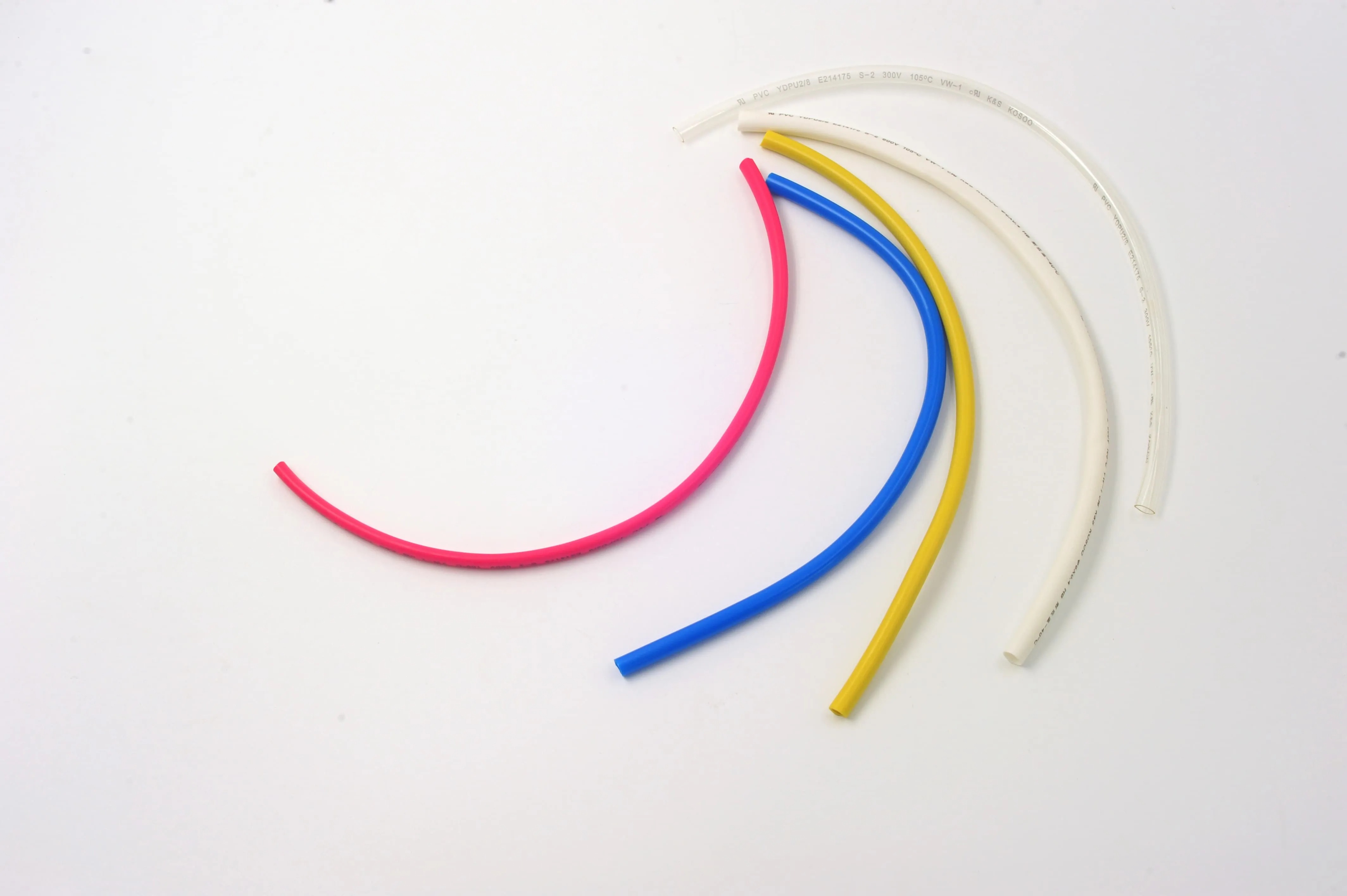
Outdoor cable installations face relentless environmental challenges. Moisture, temperature fluctuations, UV radiation, and chemical exposure threaten cable integrity and system reliability. A heat shrink tube provides an effective solution for protecting exposed connections and vulnerable cable segments in outdoor environments. Understanding why heat shrink tube performs so well in outdoor applications helps engineers and technicians make informed decisions about cable protection strategies. The right heat shrink tube combines material science with practical engineering to create a seal that endures years of harsh weather exposure.

The suitability of heat shrink tube for outdoor cable sealing stems from multiple interconnected factors. Material composition, thermal activation, environmental resistance, and long-term stability all contribute to why heat shrink tube remains the industry standard for outdoor protection. This article explores the specific properties that make heat shrink tube ideal for demanding outdoor cable applications, covering everything from material science to practical installation considerations.
Material Properties That Define Heat Shrink Tube Performance
Polyolefin and Cross-Linked Formulations
Heat shrink tube typically uses polyolefin or cross-linked polyethylene as its base material. These polymers provide exceptional flexibility and durability when properly formulated. The molecular cross-linking process creates a network structure that remembers its original diameter, enabling the heat shrink tube to contract uniformly when exposed to heat. This controlled shrinking mechanism ensures consistent contact around cables and connectors, eliminating gaps that could admit water or contaminants. Cross-linked heat shrink tube maintains structural integrity across wide temperature ranges, from cold winter mornings to intense summer heat, without becoming brittle or losing elasticity.
Adhesive Layer Integration
Many outdoor-grade heat shrink tube products feature an integrated adhesive layer on the inner surface. This dual-wall construction transforms the heat shrink tube into a complete sealing system. When heated, the adhesive melts and flows across the cable surface, filling microscopic voids and creating a hermetic seal. The heat shrink tube adhesive remains tacky and resilient after cooling, accommodating minor cable movements and thermal expansion without losing its seal integrity. This dual functionality—mechanical contraction plus adhesive bonding—explains why heat shrink tube outperforms simple shrink-only solutions in outdoor cable sealing applications.
Environmental Resistance and Weather Protection
Moisture and Water Ingress Prevention
Outdoor cables constantly battle moisture infiltration. Rain, condensation, and ground moisture migrate along cable sheaths and into connection points, causing corrosion and electrical failures. Heat shrink tube creates a continuous protective barrier that blocks water penetration. The material's hydrophobic properties naturally repel moisture, while the adhesive layer seals any potential entry paths. Once properly installed, heat shrink tube maintains its moisture barrier for years, even in coastal environments with salt spray or areas with extended high humidity. This water-blocking capability is why heat shrink tube is non-negotiable in outdoor cable installations where connection reliability directly impacts operational safety.
UV and Oxidation Resistance
Solar ultraviolet radiation progressively degrades unprotected polymers, causing embrittlement and color fading. Quality heat shrink tube formulations include UV stabilizers and carbon black additives that absorb harmful radiation. These additives prevent the heat shrink tube material from becoming brittle or cracking under years of direct sunlight exposure. The outer surface of the heat shrink tube sacrifices itself to UV damage, shielding the cable and connector underneath. In outdoor environments where cables receive constant solar exposure, this UV resistance ensures that heat shrink tube maintains its protective function throughout its service life without requiring replacement due to material degradation.
Installation Reliability and Long-Term Performance
Thermal Activation and Controlled Shrinkage
Heat shrink tube activates at specific temperature thresholds, typically between 100°C and 200°C depending on the formulation. This controlled activation window is critical for outdoor installations. The heat shrink tube shrinks uniformly when heated with a hot air gun, soldering iron, or heat tape, creating consistent compression around the cable diameter. Proper heating ensures the heat shrink tube compresses fully without creating weak spots or incomplete coverage. Unlike manual wrapping methods that depend on installer skill, heat shrink tube provides repeatable, reliable results across every installation. Outdoor cables protected with properly applied heat shrink tube exhibit far lower failure rates because the shrinking mechanism delivers consistent seal quality every time.
Thermal Cycling and Mechanical Durability
Outdoor environments subject cables to dramatic thermal cycling. Daily temperature swings and seasonal extremes cause repeated expansion and contraction of both cables and protective materials. Heat shrink tube accommodates this movement through its inherent elasticity and the resilient nature of its adhesive layer. Unlike rigid conduits or brittle tape wraps that crack under thermal stress, heat shrink tube flexes and recovers without loss of sealing function. The heat shrink tube maintains its grip even as cables shift and move, preventing the separation that leads to moisture ingress. This mechanical durability over thousands of thermal cycles is why heat shrink tube remains effective for decades in challenging outdoor service.
Chemical Resistance and Environmental Stability
Industrial and outdoor environments expose cables to oils, solvents, fertilizers, and airborne chemicals. Heat shrink tube formulations resist attack from these substances, preventing the material degradation that would compromise sealing function. The polyolefin base and the protective adhesive layer maintain their chemical stability when exposed to common industrial contaminants. This chemical resistance means heat shrink tube doesn't require replacement due to environmental exposure, unlike lesser materials that soften or dissolve. For cables running through agricultural areas, coastal zones, or industrial sites, heat shrink tube provides peace of mind through proven material compatibility and long-term resistance to chemical assault.
FAQ
Can heat shrink tube be reused if an installation needs modification?
Once properly heated and sealed, heat shrink tube cannot be reliably reused. The material loses its recovery properties after the initial activation, and the adhesive layer has already bonded permanently. Attempting to reheat heat shrink tube risks damaging the underlying cable insulation or degrading the adhesive seal. For modifications, remove the existing heat shrink tube carefully and apply fresh heat shrink tube to ensure proper sealing and protection. This one-use characteristic actually benefits outdoor installations because technicians know heat shrink tube will maintain consistent performance without concerns about material fatigue from repeated thermal cycles during installation.
What size heat shrink tube should be selected for a specific cable?
Heat shrink tube selection depends on the outer diameter of the cable or connector requiring protection. Standard heat shrink tube products are sized to shrink from their original diameter to approximately 50% of that size. Measure the cable or connector diameter accurately, then select heat shrink tube with an original diameter that accommodates that measurement. The heat shrink tube should fit loosely over the cable before heating, then contract snugly when activated. Oversized heat shrink tube won't compress adequately, leaving gaps that admit water. Undersized heat shrink tube will restrict circulation during installation and may pinch or damage the cable. Proper sizing ensures heat shrink tube delivers its maximum protective benefit.
How long does heat shrink tube typically protect outdoor cables?
Quality heat shrink tube protects outdoor cables for 10 to 20 years or more, depending on environmental severity and material grade. Coastal areas with salt spray and intense UV exposure may see slightly reduced service life compared to temperate inland locations. Professional-grade heat shrink tube with premium adhesives and UV stabilizers consistently outlasts budget alternatives. Regular inspections can identify any degradation, though properly installed heat shrink tube typically shows minimal wear even after years of outdoor exposure. For outdoor cables that are mission-critical or difficult to access for maintenance, investing in premium heat shrink tube ensures extended protection and reliability without unexpected failures.