
 EN
EN


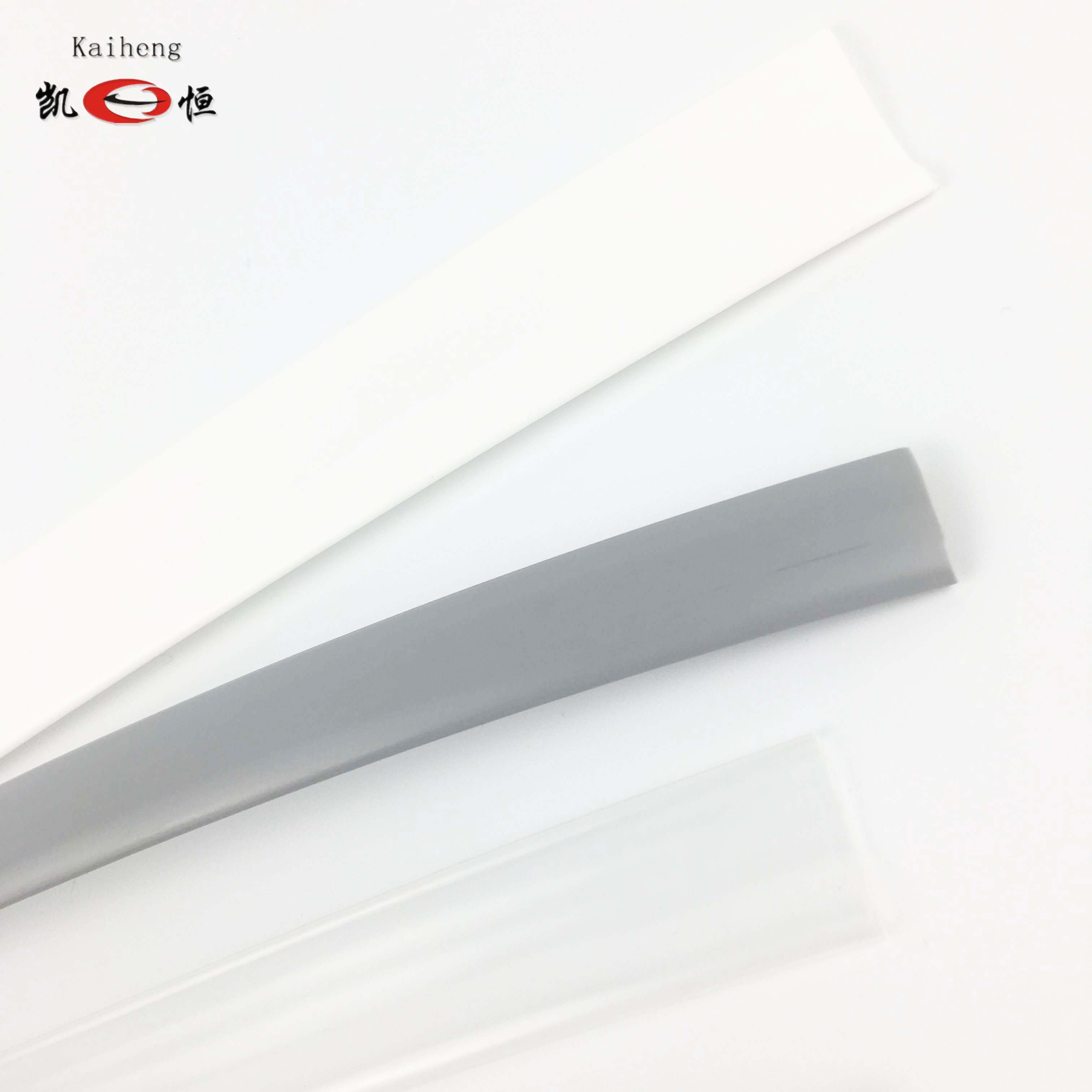
Industrial wiring systems face constant challenges from environmental exposure, mechanical stress, and electrical hazards. Heat shrink tubing serves as a critical protective component that significantly enhances safety across manufacturing facilities, power distribution networks, and complex machinery installations. Understanding how heat shrink tubing works and why it matters is essential for maintenance professionals, facility managers, and electrical engineers who prioritize system reliability and worker safety.
Electrical failures in industrial environments often trace back to inadequate wire protection and poor connection integrity. Heat shrink tubing addresses these vulnerabilities by creating a sealed, protective barrier around wires and connections. This article explores the safety mechanisms that make heat shrink tubing an indispensable choice in modern industrial wiring systems and demonstrates why proper selection and application directly impact operational safety and longevity.
Understanding Heat Shrink Tubing Protection Mechanisms
Insulation and Electrical Safety
Heat shrink tubing provides robust electrical insulation that prevents unwanted contact between live conductors and surrounding materials or personnel. When properly applied, heat shrink tubing creates a complete electrical barrier that isolates wires from moisture, dust, and accidental contact. The polyolefin material used in quality heat shrink tubing offers excellent dielectric properties, meaning it resists electrical current flow while maintaining structural integrity under operational stress. Industrial environments expose wires to splashes, chemical vapors, and temperature fluctuations that would compromise bare connections or inadequate coverings. Heat shrink tubing maintains consistent electrical performance across these challenging conditions, reducing fault risks and improving overall system reliability.
Physical Protection Against Mechanical Damage
Beyond electrical insulation, heat shrink tubing defends wires against mechanical wear, abrasion, and puncture damage. In factories with moving equipment, conveyor systems, and vibrating machinery, exposed wires face constant risk of damage from friction, sharp edges, and impact. Heat shrink tubing acts as a durable shield that absorbs mechanical stress while protecting the conductor itself. The material flexibility allows heat shrink tubing to move with the wire without cracking or separating, maintaining protection even when equipment vibrates or shifts position. This mechanical protection extends wire lifespan significantly, reducing replacement frequency and associated downtime costs.
Environmental and Chemical Resistance Benefits
Moisture and Corrosion Prevention
Industrial facilities often feature humid environments, chemical exposure, or outdoor installations where moisture and corrosive agents threaten wire integrity. Heat shrink tubing creates a sealed barrier that prevents water infiltration, which would otherwise cause oxidation, corrosion, and electrical degradation. Polyolefin-based heat shrink tubing resists many common industrial chemicals, oils, and solvents that could compromise traditional coverings. The sealing action of heat shrink tubing eliminates gaps where moisture could accumulate, preventing the gradual deterioration that leads to short circuits and equipment failures. In coastal or chemically aggressive environments, selecting appropriate heat shrink tubing chemistry becomes critical for maintaining safety and performance over extended service periods.
Temperature Stability and Thermal Management
Industrial wiring operates across wide temperature ranges, from cold outdoor installations to heat-intensive manufacturing areas. Heat shrink tubing maintains dimensional stability and electrical properties across these temperature extremes, unlike materials that become brittle in cold or degrade in heat. Quality heat shrink tubing formulations withstand continuous operating temperatures from minus forty to one hundred twenty degrees Celsius without losing protective capability. This thermal stability ensures that heat shrink tubing remains securely bonded to the wire regardless of seasonal changes or operational temperature cycles. Consistent performance across temperature variations prevents connection failures that would otherwise interrupt production and compromise safety.
Safety Applications Across Industrial Systems
Connection Point Protection and Reliability
Solder joints, crimped terminals, and wire splices represent vulnerability points where electrical connections are most prone to failure. Heat shrink tubing seals these connection points, protecting solder joints from fracture due to vibration and preventing moisture from corroding terminal surfaces. When heat shrink tubing encapsulates a connection point, it provides mechanical support that reduces movement during thermal cycling and vibration exposure. This protection extends connection lifespan and reduces the probability of intermittent faults that are difficult to diagnose and dangerous to operators. Proper application of heat shrink tubing transforms unreliable splice points into robust connections capable of years of trouble-free operation.

Hazard Mitigation and Regulatory Compliance
Industrial safety regulations mandate adequate insulation and protection for all energized conductors to prevent shock hazards and arc flash incidents. Heat shrink tubing directly supports compliance with electrical codes and occupational safety standards that govern industrial wiring systems. Facilities using heat shrink tubing demonstrate commitment to worker protection and reduce liability exposure associated with electrical incidents. Regulatory inspectors and safety auditors recognize heat shrink tubing as a fundamental component of compliant, professionally maintained electrical systems. Beyond regulatory requirements, heat shrink tubing provides practical defense against the catastrophic consequences of electrical accidents, protecting both equipment and personnel.
Selection and Application Best Practices
Material Selection for Specific Environments
Different industrial environments demand heat shrink tubing formulations optimized for local conditions. Standard polyolefin heat shrink tubing suits most general applications but may require specialized variants in extreme chemical or temperature environments. Cross-linked polyolefin heat shrink tubing offers enhanced temperature resistance for high-heat applications, while flame-retardant formulations meet strict safety codes in certain facilities. Adhesive-lined heat shrink tubing provides superior environmental sealing when moisture penetration poses particular risk. Selecting the appropriate heat shrink tubing type prevents premature failure and ensures long-term protection aligned with actual operating conditions.
Proper Installation Techniques
Correct application of heat shrink tubing is fundamental to achieving its full safety benefits. The tubing must be positioned over the connection before heat application and sized appropriately to achieve full contraction without excessive stress. Controlled heating using heat guns or specialized tools ensures uniform shrinkage that creates a secure, wrinkle-free seal around the entire connection. Improper heating creates gaps where moisture could enter or leaves wrinkled sections that reduce mechanical protection. Professional installation of heat shrink tubing transforms its protective potential into measurable safety improvements throughout the industrial wiring system.
FAQ
Can heat shrink tubing completely prevent electrical failures in industrial wiring?
Heat shrink tubing significantly reduces failure risk by protecting wires, connections, and splices from environmental damage and mechanical stress. However, it serves as one component of comprehensive electrical safety rather than a complete solution. Proper wire sizing, correct installation, routine maintenance, and appropriate overcurrent protection remain essential alongside quality heat shrink tubing. When applied correctly as part of a complete safety program, heat shrink tubing substantially improves reliability and reduces downtime.
What temperature range should heat shrink tubing withstand in typical industrial applications?
Standard polyolefin heat shrink tubing typically maintains performance from minus forty to one hundred twenty degrees Celsius, covering most industrial environments. High-temperature variants extend ratings to one hundred thirty to one hundred fifty degrees Celsius for specific applications near machinery or heat sources. Selecting heat shrink tubing rated for temperatures beyond anticipated extremes provides safety margin and ensures consistent protection across seasonal variations and operational peaks.
How does heat shrink tubing improve worker safety beyond electrical insulation?
Beyond preventing electrical shock, heat shrink tubing protects workers by preventing accidental contact with connections that could pull and cause injuries. It eliminates sharp edges on exposed terminals and prevents moisture-related arc flash hazards that could cause severe burns. Heat shrink tubing also reduces maintenance-related injuries by securing connections firmly, preventing them from separating unexpectedly during troubleshooting or repairs. These multiple safety mechanisms make heat shrink tubing an essential component of comprehensive industrial electrical safety programs.