
 EN
EN


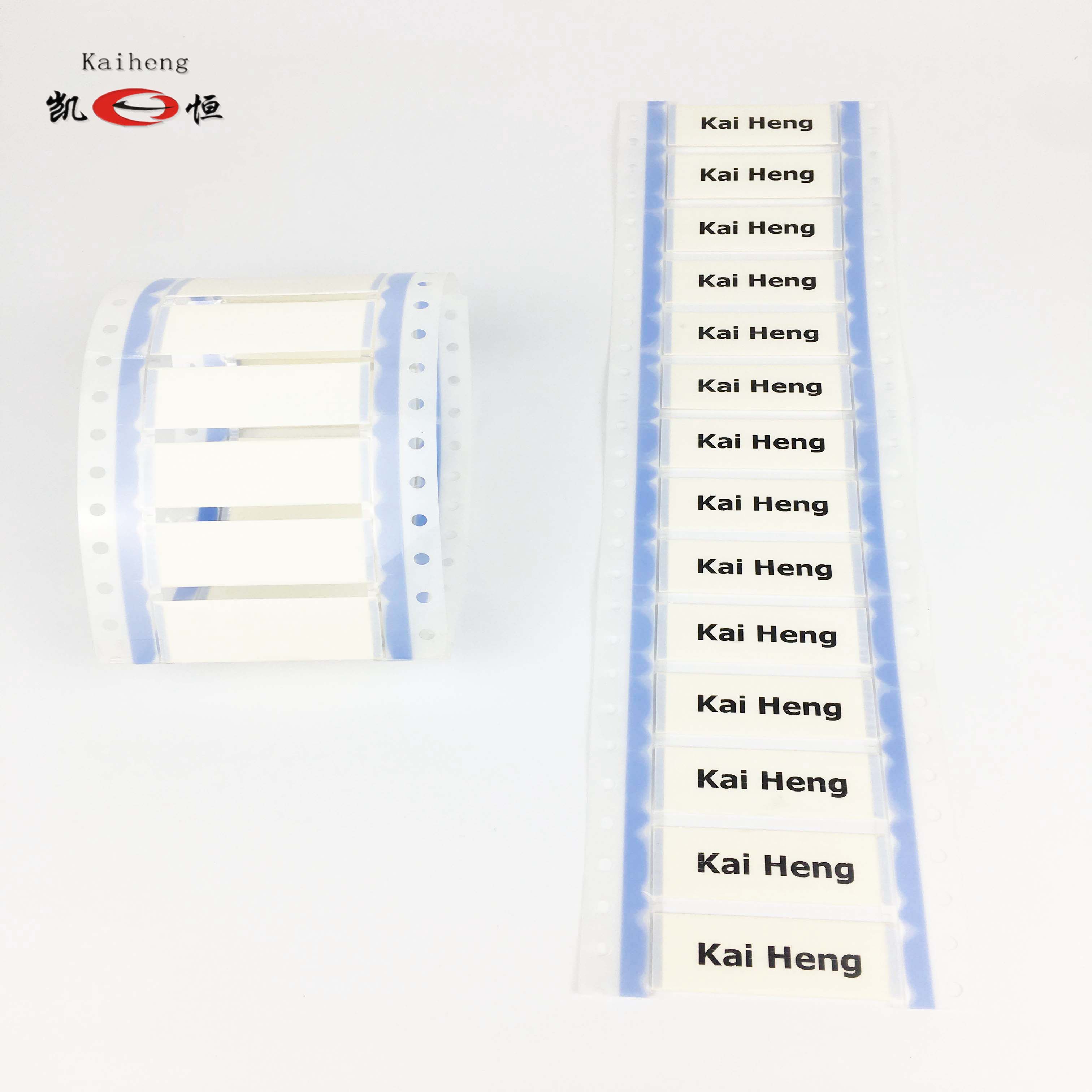
Heat shrink tubing has become the preferred solution for cable management across manufacturing and industrial sectors worldwide. OEM factories consistently select heat shrink tubing because it delivers exceptional reliability, cost efficiency, and protection for electrical and mechanical applications. The widespread adoption of heat shrink tubing among leading manufacturers reflects its proven performance in demanding production environments where cable integrity directly impacts product quality and safety.
The selection of heat shrink tubing for cable management is not arbitrary. OEM factories evaluate numerous factors including material durability, installation speed, cost per unit, long-term environmental resistance, and regulatory compliance. Heat shrink tubing consistently outperforms traditional cable protection methods across these criteria, making it the logical choice for factories operating under tight production schedules and quality standards.
Superior Protection and Durability
Environmental Resistance
OEM factories choose heat shrink tubing because it provides outstanding protection against environmental hazards that threaten cable longevity. Heat shrink tubing resists moisture, oil, chemicals, and UV exposure, ensuring cables remain protected throughout their operational lifespan. In manufacturing facilities where cables encounter harsh conditions, heat shrink tubing creates a protective barrier that prevents degradation and maintains electrical performance. The material composition of quality heat shrink tubing allows it to withstand temperature fluctuations, from extreme cold to high-heat manufacturing environments, without losing its protective properties.
Mechanical Strength
The mechanical properties of heat shrink tubing make it an ideal choice for factories managing complex cable assemblies. When properly applied, heat shrink tubing bonds tightly to cables and connectors, creating a unified structure that resists mechanical stress, abrasion, and vibration. OEM factories recognize that heat shrink tubing absorbs impact better than bare cables or loose cable sleeves, significantly reducing failure rates in high-vibration applications such as automotive, aerospace, and industrial machinery. The shrink-to-fit design ensures heat shrink tubing maintains consistent contact with the cable surface, preventing slippage and maintaining long-term protection.
Manufacturing Efficiency and Cost Advantages
Installation Speed and Simplicity
OEM factories favor heat shrink tubing because installation requires minimal training and operates quickly within production workflows. Unlike complex braiding, wrapping, or bonding processes, heat shrink tubing can be applied in seconds using basic heat guns or automated shrinking equipment. Workers can apply heat shrink tubing to multiple cables simultaneously, reducing labor costs and accelerating production timelines. For factories operating under just-in-time manufacturing principles, the rapid deployment of heat shrink tubing supports their operational requirements without causing bottlenecks in assembly lines.
Reduced Material Waste and Scrap
Heat shrink tubing delivers measurable cost savings through material efficiency. Unlike traditional cable protection methods that generate significant trimming waste, heat shrink tubing is pre-sized and produces minimal scrap during application. OEM factories calculate that heat shrink tubing reduces overall material costs while maintaining quality standards. The pre-cut nature of heat shrink tubing means factories avoid purchasing excess material or managing complex inventory of different sizes. This streamlined approach makes heat shrink tubing especially attractive for high-volume production environments where material efficiency directly impacts profit margins.
Compliance and Regulatory Benefits
Safety and Certification Standards
OEM factories choose heat shrink tubing because it meets stringent safety certifications and regulatory requirements across multiple industries. Quality heat shrink tubing complies with UL, CSA, VDE, and ISO standards that govern electrical safety and material performance. Manufacturers in automotive, medical device, aerospace, and electronics sectors depend on heat shrink tubing to satisfy regulatory audits and customer specifications. The flame-retardant properties of many heat shrink tubing products mean factories can confidently market their products as meeting fire safety requirements, reducing liability and supporting market access in regulated industries.
Traceability and Quality Control
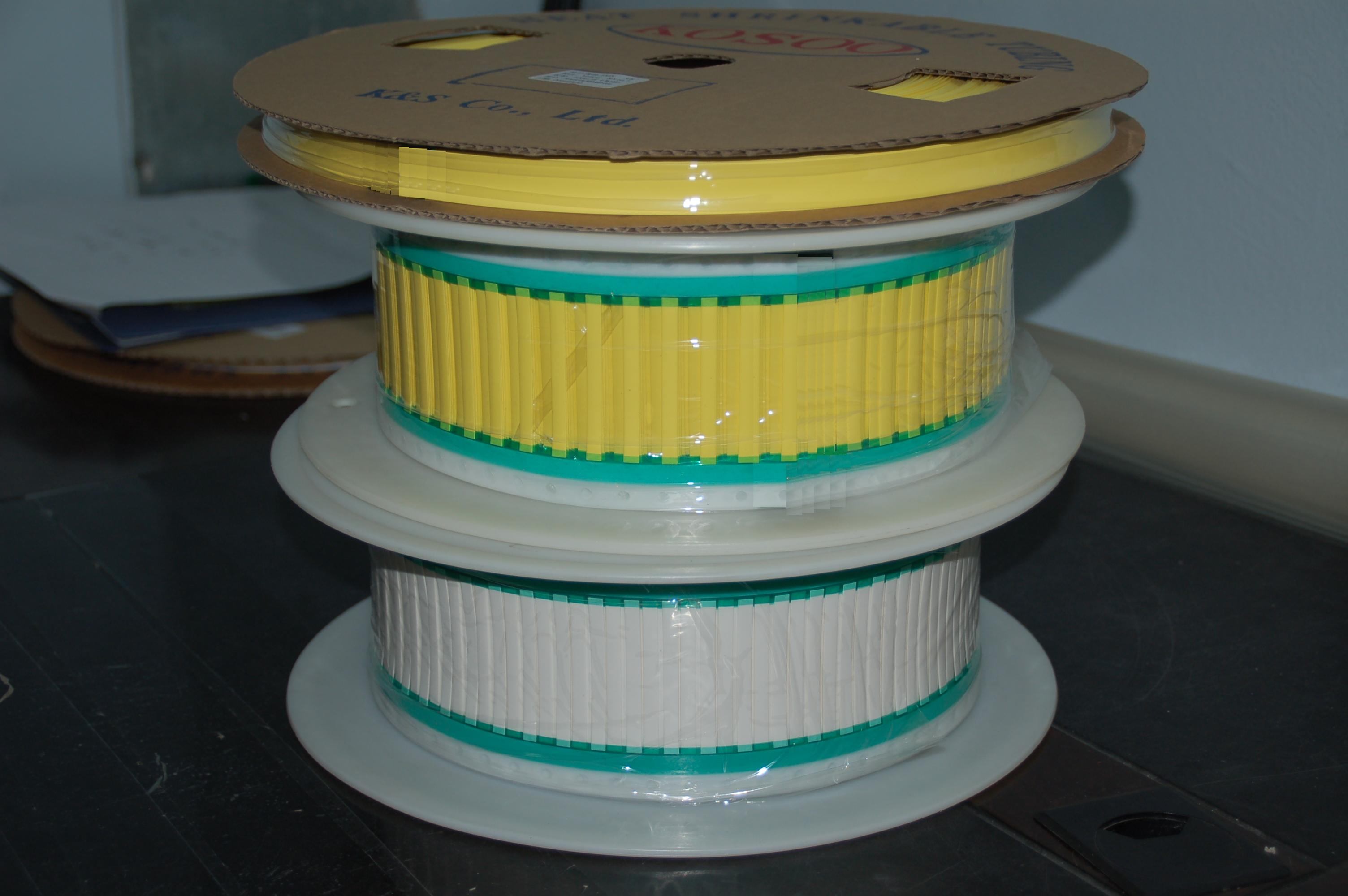
Heat shrink tubing enables factories to implement effective quality control and product traceability systems. Premium heat shrink tubing products feature color coding, printing options, and material certifications that support factory tracking and batch documentation. OEM factories appreciate that heat shrink tubing can be customized with printing for identification, component tracking, and assembly verification. These features streamline quality assurance processes and simplify root-cause analysis if field failures occur. The consistency of heat shrink tubing material and performance characteristics ensures that factories achieve uniform results across production runs, supporting their lean manufacturing and Six Sigma initiatives.
Long-Term Value and Performance Reliability
Extended Service Life
OEM factories recognize that heat shrink tubing extends cable service life, reducing warranty claims and field service costs. Cables protected by heat shrink tubing exhibit lower failure rates in customer hands because the tubing prevents environmental damage before problems develop. By selecting quality heat shrink tubing, factories invest in long-term customer satisfaction and reduced product recall expenses. The protective envelope created by heat shrink tubing prevents small cable defects from escalating into complete failures, extending product reliability throughout the expected service period.
Customization Flexibility
Heat shrink tubing offers design flexibility that appeals to OEM factories managing diverse product lines. Available in multiple diameters, colors, thicknesses, and material compositions, heat shrink tubing can be specified precisely for each application. Factories can select standard heat shrink tubing for high-volume applications while customizing heat shrink tubing specifications for specialized or low-volume products. This flexibility means factories maintain single-vendor relationships while adapting heat shrink tubing solutions to evolving customer requirements and emerging industry standards.
FAQ
What makes heat shrink tubing more cost-effective than other cable protection methods?
Heat shrink tubing reduces costs through rapid installation, minimal material waste, lower labor requirements, and long operational lifespan. Unlike braiding or wrapping processes requiring skilled workers, heat shrink tubing can be applied by any operator with basic training, reducing hiring and training expenses. The pre-sized nature of heat shrink tubing eliminates trimming waste and material handling complexity, further reducing per-unit costs in high-volume production environments.
How does heat shrink tubing improve product quality and reliability?
Heat shrink tubing creates a protective barrier against moisture, chemicals, abrasion, and environmental contaminants that degrade cables over time. This protection reduces failure rates in both manufacturing facilities and customer applications. The tight adhesion of heat shrink tubing to cable surfaces prevents water ingress and mechanical damage, directly improving long-term product reliability and reducing warranty expenses for OEM factories.
Can heat shrink tubing meet regulatory and safety requirements for different industries?
Yes, quality heat shrink tubing complies with major safety standards including UL, CSA, VDE, and ISO certifications required across automotive, aerospace, medical, and electronics sectors. Many heat shrink tubing products feature flame-retardant properties and meet specific industry requirements. OEM factories can confidently specify heat shrink tubing that satisfies customer specifications and regulatory audits across multiple markets and geographies.