
 EN
EN


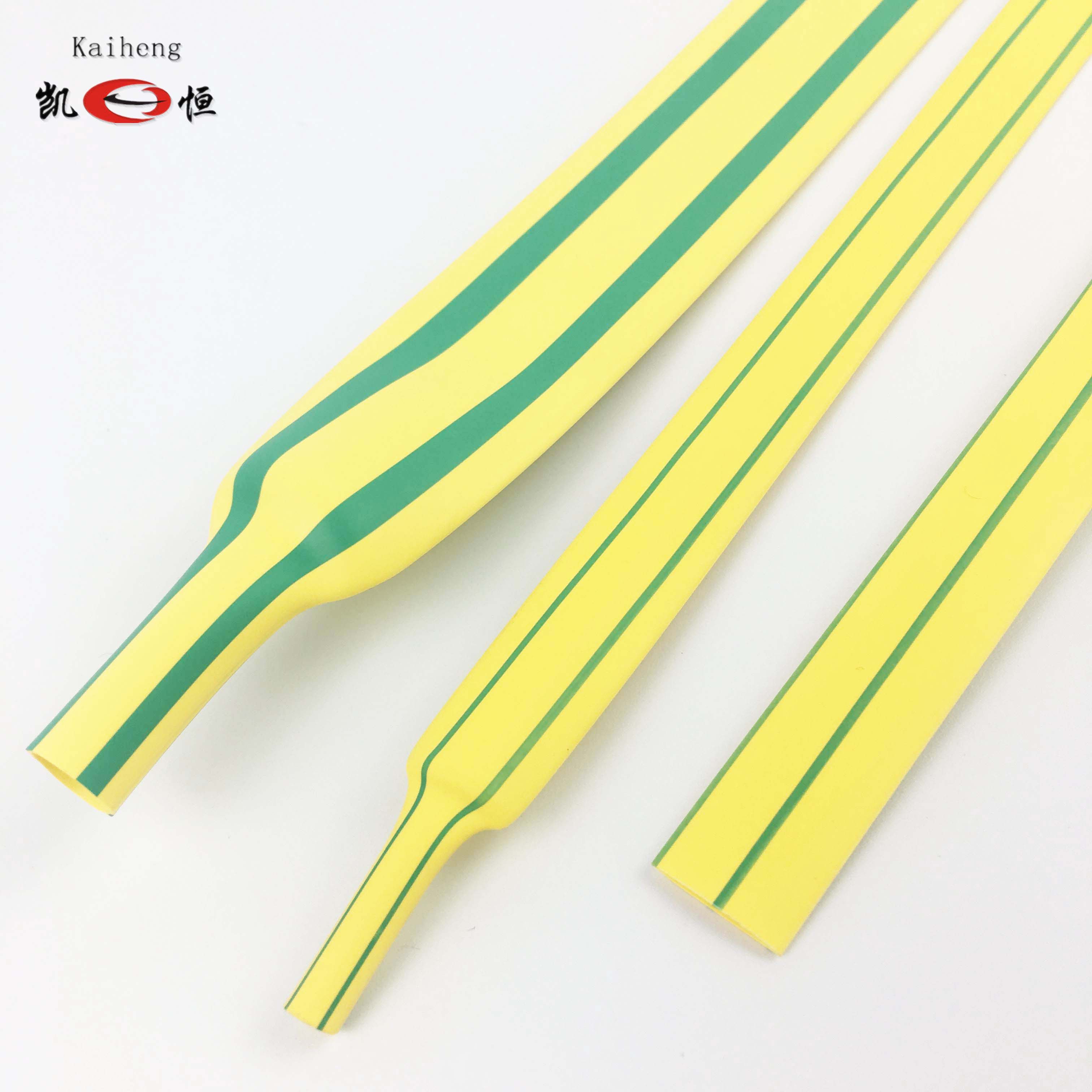
Renewable energy systems depend on robust cable infrastructure to deliver consistent power from solar panels, wind turbines, and battery storage facilities. The exposed cables in these systems face extreme environmental challenges, including UV radiation, temperature fluctuations, moisture exposure, and mechanical stress that can degrade insulation and compromise electrical safety. Heat shrink tubing has emerged as a critical component in renewable energy cable systems, providing durable protection that extends cable lifespan and ensures reliable power transmission. Understanding how heat shrink tubing supports these systems helps energy professionals and installers make informed decisions about cable protection strategies.

Heat shrink tubing works by forming a tight, sealed barrier around cable connections and exposed conductors. When heated to its activation temperature, the material contracts uniformly, creating a weatherproof seal that prevents moisture ingress and UV degradation. In renewable energy applications, this protection is essential because cable failures in solar arrays or wind installations can result in significant downtime and expensive maintenance. Heat shrink tubing provides a cost-effective, reliable solution that integrates seamlessly into renewable energy cable systems across multiple installation scenarios.
Environmental Protection in Renewable Energy Applications
UV and Temperature Resistance for Outdoor Cable Systems
Renewable energy installations operate in direct sunlight for 20 to 30 years, exposing cables to intense UV radiation that degrades conventional insulation materials. Heat shrink tubing manufactured from polyolefin and other UV-resistant polymers maintains structural integrity even after decades of solar exposure. The material prevents ultraviolet light from penetrating to the underlying cable insulation, which otherwise becomes brittle and prone to cracking. In wind turbine applications, heat shrink tubing must also withstand rapid temperature cycles as thermal loads shift between day and night. By maintaining flexibility across a wide temperature range, heat shrink tubing prevents mechanical stress on cable joints and connection points, reducing the risk of insulation failure in renewable energy cable systems.
Moisture and Corrosion Barriers in High-Humidity Environments
Solar installations in coastal regions or tropical climates face constant moisture exposure that corrodes copper conductors and degrades insulation properties. Heat shrink tubing creates a hydrophobic barrier that prevents water vapor from reaching connection points, where corrosion typically begins. The sealed environment maintained by heat shrink tubing keeps moisture away from exposed copper or aluminum connectors, significantly extending their functional lifespan. In renewable energy cable systems installed in agricultural areas or offshore wind farms, this moisture barrier becomes critical to preventing salt-air corrosion and maintaining electrical conductivity. Proper application of heat shrink tubing ensures that renewable energy installations remain protected from environmental degradation even in extreme climates.
Cable Connection Security and Electrical Performance
Strain Relief and Mechanical Protection at Junction Points
Cable connections in renewable energy systems experience mechanical stress from wind movement, thermal expansion, and installation vibration. Heat shrink tubing provides strain relief by distributing stress loads across a wider surface area, preventing concentrated pressure at vulnerable connection points. The tubing grips the cable jacket and connector firmly, eliminating micro-movement that could eventually crack solder joints or loosen crimp connections. In solar combiner boxes and wind turbine control systems, where multiple cables converge in tight spaces, heat shrink tubing ensures connections remain stable under dynamic environmental conditions. This mechanical support is essential for renewable energy cable systems because failures at junction points often cascade, affecting multiple circuits and disrupting energy production across entire installations.
Electrical Insulation Enhancement and Fault Prevention
Many heat shrink tubing products are formulated with specific dielectric properties that enhance electrical insulation around connection points. This additional insulation layer reduces the risk of arcing and electrical faults that could damage equipment or create fire hazards in renewable energy cable systems. Heat shrink tubing with conductive properties can also serve specialized roles, such as shielding or grounding applications in sensitive monitoring circuits. When cable insulation wears or sustains minor damage during installation, heat shrink tubing provides a secondary barrier that prevents direct contact with live conductors. In renewable energy applications where maintenance access is limited or expensive, this redundant protection from heat shrink tubing reduces downtime and improves system reliability across the asset lifecycle.
Installation Integration and Long-Term Performance
Reliable Application Across Diverse Renewable Energy Scenarios
Heat shrink tubing adapts to various cable sizes and connector geometries found in renewable energy cable systems, from small sensor leads to large distribution cables. The tubing is available in multiple diameters and wall thicknesses, allowing installers to select the appropriate heat shrink tubing for each specific connection type. Rapid-shrink formulations reduce installation time on large projects, while dual-wall options combine thin outer layers for flexibility with thicker inner layers that seal around irregular shapes. Whether applied to DC circuit connections in solar farms or AC coupling points in wind facilities, heat shrink tubing provides consistent protection across all renewable energy cable systems. The simplicity of application means that standard technicians can maintain consistent quality without specialized equipment or extensive training.
Long-Term Cost Efficiency and Maintenance Benefits
Investing in quality heat shrink tubing during initial installation prevents costly cable replacement and repair cycles throughout the renewable energy cable systems' operational lifetime. Protective measures taken early reduce maintenance visits by preventing weather-related degradation and electrical faults that require emergency intervention. Heat shrink tubing remains stable for 20+ years without requiring replacement or reapplication, providing passive protection that requires no ongoing monitoring or maintenance. The minimal material cost of heat shrink tubing becomes negligible compared to the expense of replacing entire cable runs or managing unplanned system downtime. For utility-scale renewable energy installations where uptime directly impacts revenue, durable heat shrink tubing protection becomes a strategic investment that protects both equipment and financial performance across renewable energy cable systems.
FAQ
What temperature range should heat shrink tubing maintain in renewable energy installations?
Quality heat shrink tubing designed for renewable energy cable systems should maintain flexibility and seal integrity between -40°C and +125°C, accommodating extreme temperature variations in outdoor installations. This wide range ensures the tubing remains protective during cold winters and hot summer peak production periods, preventing brittleness or separation from the cable. Installers should verify temperature specifications before purchasing heat shrink tubing for specific geographic regions or high-altitude environments where conditions may exceed typical ranges.
Can heat shrink tubing be reapplied or repaired if damaged during installation?
Yes, heat shrink tubing can be carefully removed and replaced if initial application results in incomplete coverage or improper positioning. However, the cable insulation underneath should be inspected for damage before reinstalling new heat shrink tubing. Experienced installers recommend purchasing slightly more tubing than calculated to account for trial applications and ensure optimal coverage across all renewable energy cable systems. If the underlying cable insulation shows damage, repair or cable replacement may be necessary before applying new heat shrink tubing.
How does heat shrink tubing protect against electrical faults in renewable energy cable systems?
Heat shrink tubing provides secondary insulation that prevents exposed conductors from contacting moisture, conductive dust, or other objects that could create unintended electrical paths. The sealed barrier created by heat shrink tubing reduces the likelihood of ground faults, arc events, and short circuits at vulnerable connection points. Additionally, tubing with appropriate dielectric ratings enhances the overall insulation system, providing multiple layers of protection that maintain electrical safety even if the primary cable insulation sustains minor damage during installation or environmental exposure.