
 EN
EN


Heat shrink tubing is one of the most practical and widely used methods for insulating and protecting electrical connections across industrial, automotive, and consumer applications. When properly applied, heat shrink tubing creates a durable, moisture-resistant barrier that shields electrical joints from environmental hazards, mechanical stress, and accidental contact. Understanding how heat shrink tubing works and the correct techniques for installation ensures reliable performance and extends the lifespan of electrical systems in critical operational environments.
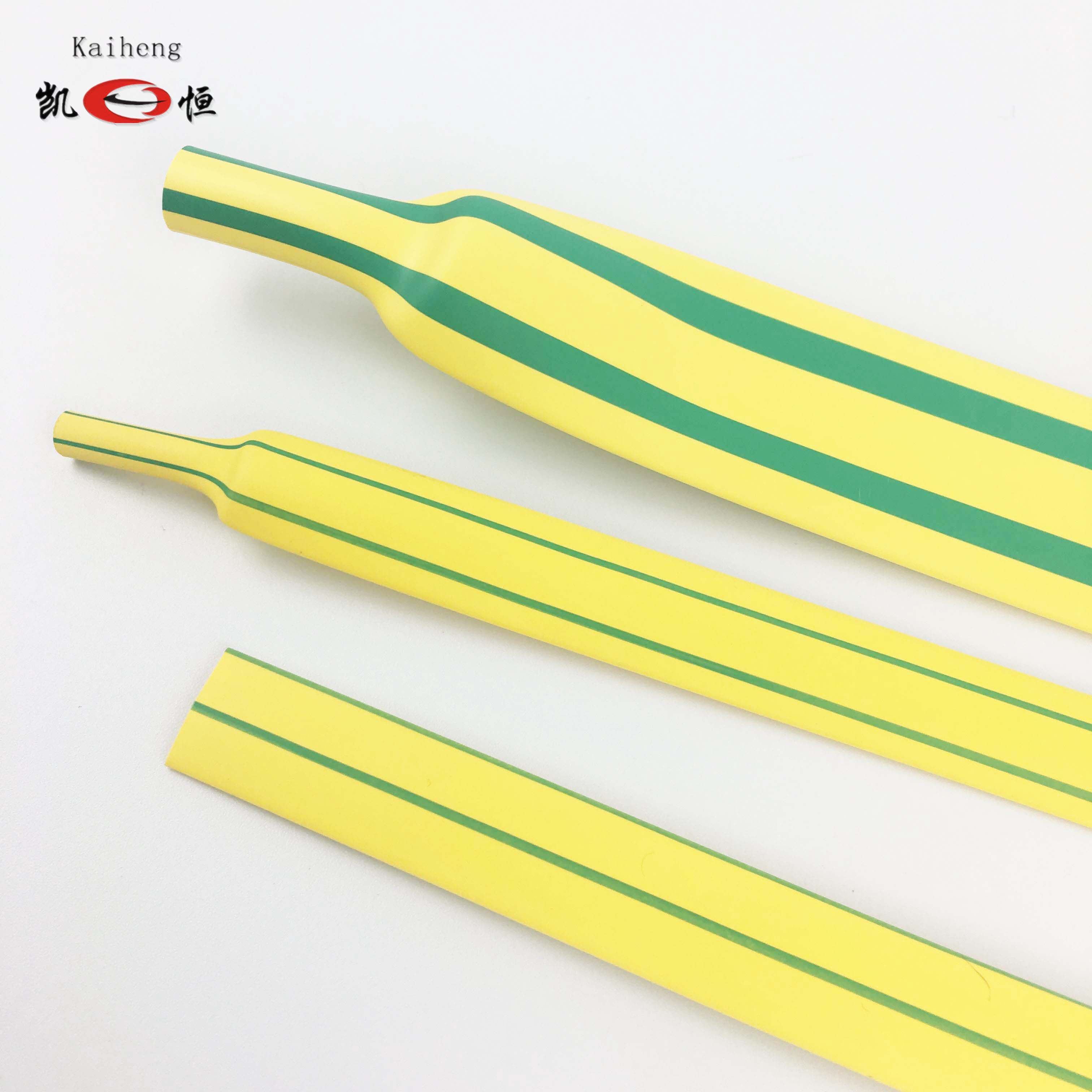
The insulation capability of heat shrink tubing depends on its material composition, wall thickness, and shrink ratio. Polyolefin-based heat shrink tubing remains the industry standard because it offers excellent electrical insulation properties, flexibility, and cost-effectiveness. When exposed to heat, the tubing contracts uniformly around the connection, creating a snug, protective seal that prevents moisture ingress and isolates conductive elements from external contact. This article explores the practical methods, applications, and technical considerations for using heat shrink tubing to achieve reliable electrical insulation in diverse operational contexts.
Understanding Heat Shrink Tubing Composition and Properties
Material Selection for Electrical Insulation
Heat shrink tubing is manufactured from cross-linked polymers, most commonly polyolefin, that possess inherent memory properties. When the tubing is expanded during manufacturing and cooled, it retains the expanded shape until reheated. Upon exposure to heat, the polymeric chains return to their original programmed diameter, causing the tubing to contract and conform tightly to the underlying connection. The electrical insulation characteristics of heat shrink tubing depend largely on the base polymer's dielectric strength, which is the material's ability to resist electrical breakdown under voltage stress.
Polyolefin-based heat shrink tubing provides dielectric strength ratings typically ranging from 1000 to 2000 volts per mil, making it suitable for low to medium voltage applications. The wall thickness of heat shrink tubing also plays a critical role in insulation performance. Thicker-walled tubing offers greater physical protection and higher breakdown voltage ratings, while thinner variants are preferred for space-constrained applications where minimal added diameter is acceptable. Selecting the appropriate heat shrink tubing diameter and wall thickness ensures that the tubing maintains intimate contact with the connection after shrinking, eliminating air gaps that could compromise insulation integrity.
Shrink Ratio and Thermal Activation
Heat shrink tubing is characterized by its shrink ratio, which describes the relationship between the expanded unshrunk diameter and the final contracted diameter. Common shrink ratios include 2:1, 3:1, and 4:1, meaning the tubing can accommodate wires or connections up to two, three, or four times its final inner diameter. This flexibility in sizing makes heat shrink tubing adaptable to various connection diameters within a single product line. The activation temperature for heat shrink tubing typically ranges from 80 to 110 degrees Celsius, depending on the formulation, allowing technicians to use standard heating tools such as heat guns or immersion in hot water to trigger the shrinking process.
The thermal activation of heat shrink tubing must be uniform across the entire circumference to ensure consistent shrinking and proper insulation coverage. Uneven heating can result in incomplete shrinking on one side while over-shrinking occurs on another, potentially creating weak spots or gaps in the insulation barrier. Professional-grade heat shrink tubing installations employ calibrated heat guns or controlled thermal chambers to deliver consistent, monitored heat that activates the tubing without damaging underlying wires or components. Understanding the specific thermal requirements of your chosen heat shrink tubing formulation is essential for achieving reliable insulation performance.
Practical Installation Methods for Heat Shrink Tubing
Preparation and Sizing Procedures
Before applying heat shrink tubing to an electrical connection, thorough preparation ensures optimal insulation performance. First, the wire connection must be clean and dry, free of oxidation, flux residue, or contaminants that could interfere with the tubing's ability to create a complete seal. For soldered connections, excess solder should be trimmed to minimize sharp edges that might puncture the tubing from within during the shrinking process. The heat shrink tubing must be selected with an inner diameter large enough to slide freely over the connection before heating, yet small enough that after shrinking it produces a snug, gap-free fit.
Measuring the required length of heat shrink tubing is equally important. The tubing should extend at least half an inch beyond the solder joint or crimped connection on each side, providing complete coverage of the electrical connection and any exposed stranded wire. For connections between two wire gauges of different diameters, oversized heat shrink tubing with a 3:1 or 4:1 shrink ratio accommodates the diameter transition more effectively, ensuring uniform pressure and complete insulation coverage across the joint. Cutting heat shrink tubing to precise lengths prevents excess tubing that might slip during installation or short tubing that leaves portions of the connection exposed to the environment.
Heat Application Techniques
Applying heat to activate the heat shrink tubing requires controlled, deliberate technique to ensure the insulation forms properly without damaging the underlying wire insulation. A heat gun set to a moderate temperature, typically 200 to 300 degrees Fahrenheit, should be held 3 to 6 inches from the tubing and moved continuously in a circular motion to distribute heat evenly. Beginning at the center of the tubing and moving outward in both directions ensures that the heat shrink tubing contracts uniformly without trapping air pockets or creating wrinkles in the material. Continuous motion prevents localized overheating that could degrade the polymer or create weak spots in the insulation.
Alternative heat application methods include immersing the connection in hot water heated to approximately 150 to 180 degrees Fahrenheit, or using a thermal chamber pre-set to the tubing's activation temperature. For high-volume production environments, industrial heat tunnels provide consistent, repeatable heat shrink tubing activation without operator variability. Regardless of the heating method, the goal remains consistent: activate the tubing's thermal memory uniformly so it contracts evenly and creates a continuous, impermeable insulation barrier around the electrical connection. Over-heating can degrade the polymer structure and reduce the tubing's insulation properties, while under-heating leaves the tubing only partially contracted, resulting in poor coverage and compromised protection.
Applications and Performance Benefits of Heat Shrink Tubing
Common Electrical and Electronic Applications
Heat shrink tubing is employed across diverse industries to insulate and protect electrical connections in demanding environments. In automotive applications, heat shrink tubing protects solder joints and wire connections in engine compartments exposed to high temperatures, vibration, and moisture. Aviation and aerospace systems rely on heat shrink tubing to maintain electrical integrity in cabins, avionics, and propulsion systems where reliability is non-negotiable. Medical device manufacturing uses heat shrink tubing to insulate delicate connections in diagnostic and therapeutic equipment, ensuring patient safety and device accuracy. Telecommunications infrastructure depends on heat shrink tubing to protect junction boxes, spliced connections, and equipment in outdoor installations subject to weather extremes and mechanical stress.
Consumer electronics, renewable energy systems, power distribution networks, and industrial automation all benefit from the consistent performance of properly applied heat shrink tubing. In each application, the tubing serves the same fundamental purpose: creating a protective, insulating barrier that isolates electrical connections from environmental hazards, physical damage, and accidental short circuits. The versatility of heat shrink tubing across these diverse sectors reflects its proven effectiveness and cost-efficiency compared to alternative insulation methods such as electrical tape, sleeving, or potting compounds. When selected and installed correctly, heat shrink tubing delivers decades of reliable protection with minimal maintenance.
Environmental and Mechanical Protection
Beyond electrical insulation, heat shrink tubing provides critical environmental protection that extends component lifespan and reduces maintenance costs. Moisture is one of the most destructive forces affecting electrical connections in outdoor and high-humidity installations, promoting corrosion that degrades conductivity and creates resistance that generates heat. Heat shrink tubing creates a hydrophobic barrier that resists water ingress, protecting copper and other conductive materials from oxidation and corrosion. In high-vibration environments such as vehicle engines or industrial machinery, heat shrink tubing dampens mechanical stress on solder joints and wire connections, reducing fatigue fractures that commonly occur at connection points.
Chemical resistance is another significant advantage of polyolefin-based heat shrink tubing, which withstands exposure to oils, solvents, and cleaning agents commonly encountered in industrial and automotive settings. The tubing's flexibility allows it to accommodate minor movement in connections without cracking or peeling, whereas rigid insulation materials might fracture under thermal cycling or mechanical stress. This combination of environmental protection, chemical resistance, and mechanical resilience makes heat shrink tubing an economical choice for ensuring long-term reliability of electrical connections in challenging operational environments where alternative insulation methods would require frequent replacement or maintenance.
FAQ
What voltage rating should I select for heat shrink tubing in my application?
The voltage rating of heat shrink tubing must exceed the maximum operating voltage of your electrical circuit with an adequate safety margin. For low-voltage applications under 50 volts, standard polyolefin heat shrink tubing with 600 to 1000 volt ratings is sufficient. For medium-voltage applications between 50 and 500 volts, select heat shrink tubing rated for 1000 to 2000 volts. High-voltage systems above 500 volts may require specialized fluoropolymer heat shrink tubing or thicker-walled polyolefin tubing with enhanced dielectric properties. Consulting the product specifications and your system design requirements ensures the selected heat shrink tubing provides adequate insulation safety.
Can heat shrink tubing be reused or removed if applied incorrectly?
Once properly shrunk and cooled, heat shrink tubing forms a permanent bond with the underlying connection and cannot be removed without destroying the tubing itself. If the tubing is applied incorrectly before complete cooling, carefully heating the tubing again may allow removal, though repeated thermal cycling can degrade the polymer's properties. For critical applications, it is generally more cost-effective and reliable to remove the entire heat shrink tubing using a razor blade or hot air and apply new tubing rather than attempting to reposition partially shrunk material. Always perform practice installations on non-critical connections to master proper technique before installing heat shrink tubing on production systems.
How does wall thickness of heat shrink tubing affect insulation performance?
Thicker-walled heat shrink tubing provides superior mechanical protection, higher breakdown voltage ratings, and better resistance to puncture from sharp connection edges. Standard-wall heat shrink tubing typically offers 0.5 to 1.0 millimeter thickness and suits most general-purpose insulation applications with moderate voltage and mechanical stress. Heavy-wall heat shrink tubing, ranging from 1.5 to 3.0 millimeters, is recommended for harsh environments, high-voltage circuits, and applications where additional abrasion or UV resistance is required. Thin-wall heat shrink tubing minimizes added diameter around the connection, making it ideal for space-constrained assemblies where reducing overall cable or bundle diameter is critical, though it sacrifices some mechanical protection.