
 EN
EN


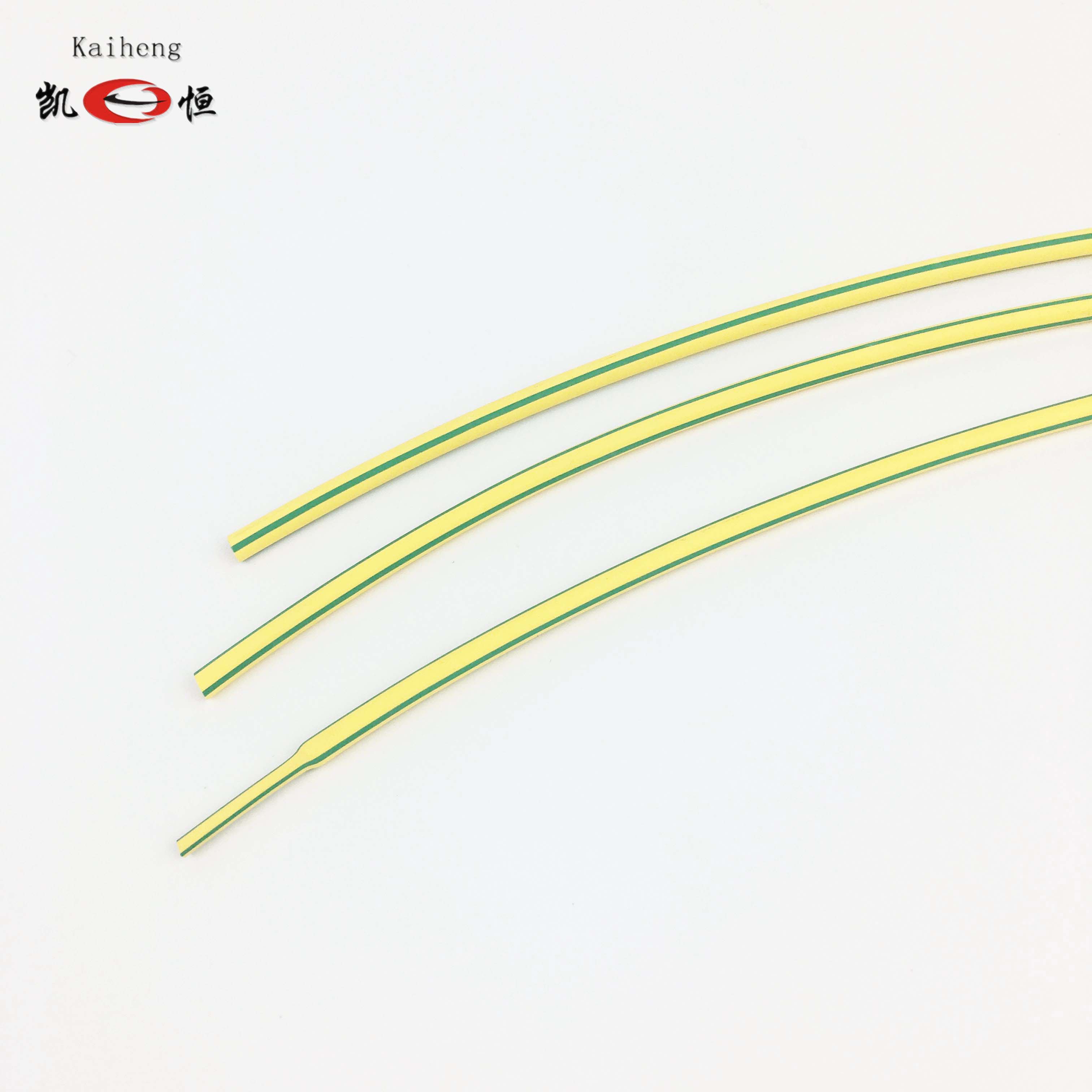
Power distribution systems operate under demanding conditions that expose electrical connections to moisture, temperature fluctuations, mechanical stress, and chemical exposure. Protecting these connections requires reliable insulation solutions that maintain performance across diverse industrial environments. The heat shrink tube has become an essential component in modern power distribution infrastructure, offering both immediate protection and long-term reliability. This specialized tubing provides a seamless barrier around vulnerable connection points, preventing arc faults, environmental contamination, and premature failure. Understanding how to properly apply a heat shrink tube in power distribution systems is critical for engineers, technicians, and facility managers who need to ensure system integrity and worker safety.
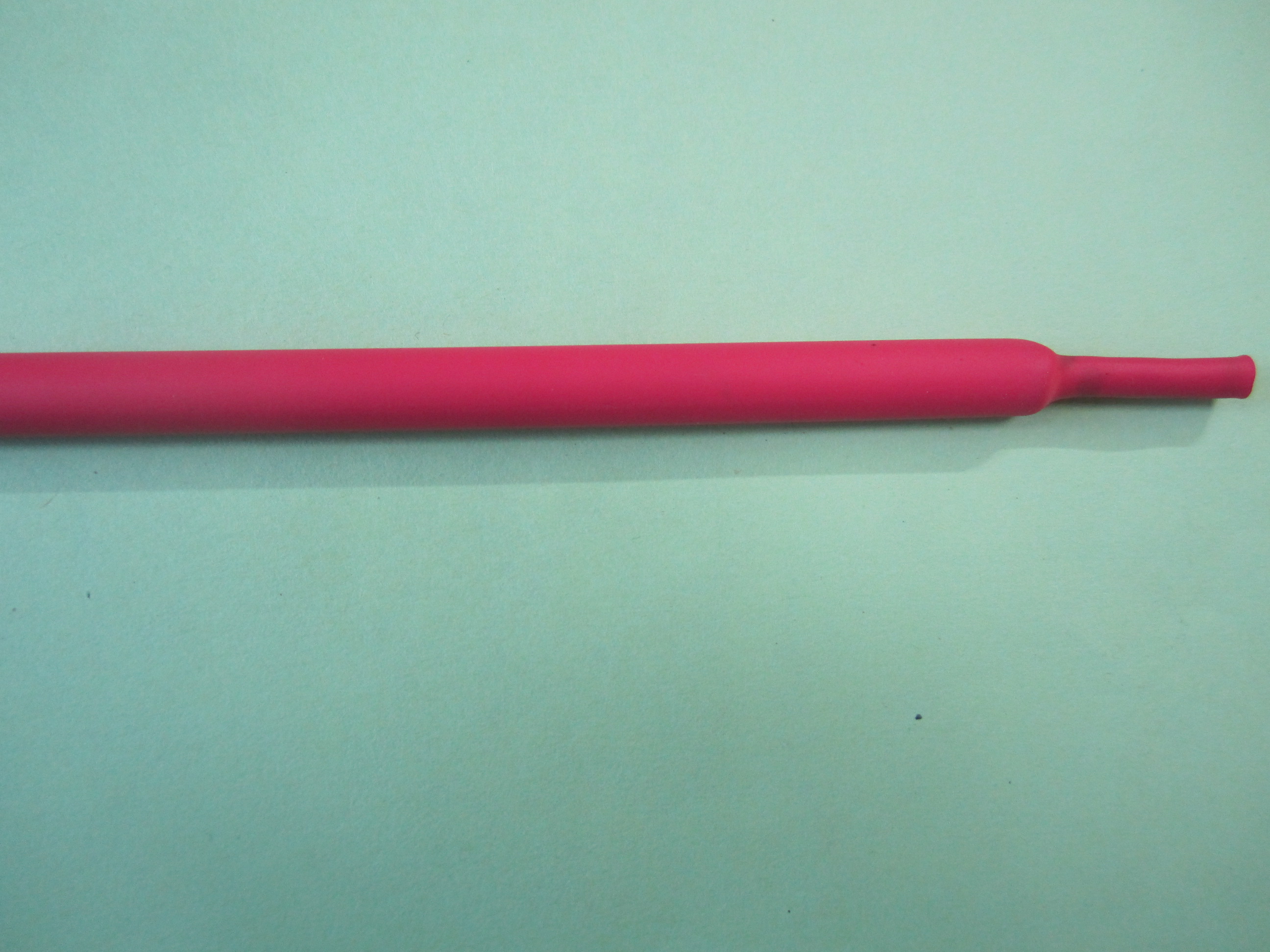
The application of a heat shrink tube in power distribution requires understanding both the material properties and the specific installation methodology. Unlike simple tape wrapping or loose sleeves, a properly applied heat shrink tube creates a permanent, bonded seal that accommodates thermal cycling and mechanical movement without degrading. Power distribution environments—ranging from utility substations to industrial facilities—demand solutions that balance ease of installation with consistent long-term performance. The correct application technique transforms a heat shrink tube into a critical safeguard that extends equipment lifespan while reducing maintenance costs and operational risks.
Understanding Heat Shrink Tube Selection and Sizing in Power Distribution
Material Composition and Temperature Ratings
Selecting the right heat shrink tube for power distribution applications begins with understanding material options and their performance characteristics. Polyolefin-based heat shrink tube products are widely used in moderate-voltage applications because they offer excellent flexibility, consistent shrink ratios, and reliable insulation properties across standard operating temperatures. Cross-linked polyolefin and fluoropolymer variants provide enhanced performance in high-temperature environments or where chemical resistance is required. The temperature rating of a heat shrink tube must exceed the maximum conductor temperature anticipated during fault conditions, not just normal operation. Power distribution systems frequently experience transient temperature spikes during arc events or short circuits, so selecting a heat shrink tube with adequate thermal headroom prevents melting, separation, or loss of insulation integrity. Most industrial-grade heat shrink tube products specify both continuous-use temperature limits and short-duration peak ratings.
Diameter Sizing and Shrink Ratio Calculations
Proper sizing of the heat shrink tube directly impacts seal quality and long-term reliability in power distribution connections. A heat shrink tube must be selected with an inner diameter, before shrinking, that accommodates the conductor bundle or connector assembly without excessive looseness. Standard heat shrink tube products offer shrink ratios ranging from 2:1 to 4:1, meaning they reduce to one-half to one-quarter of their original diameter during heating. For most power distribution applications, a 2:1 shrink ratio heat shrink tube provides adequate coverage while minimizing installation difficulty and material waste. Undersizing the heat shrink tube creates application challenges and risks tearing during installation, while oversizing results in loose, ineffective coverage that fails to seal properly against moisture and contaminants. Manufacturers of industrial heat shrink tube products publish detailed sizing charts that cross-reference conductor sizes, connector types, and required coverage lengths.
Installation Methodology for Heat Shrink Tube in Power Systems
Preparation and Safety Procedures
Before applying a heat shrink tube in power distribution work, strict preparation and safety protocols are essential. All electrical circuits must be de-energized and properly locked out or tagged out according to industry safety standards. Conductors must be cleaned thoroughly to remove oxidation, grease, and debris, which can prevent proper adhesion if the heat shrink tube has an adhesive inner coating. Once the connection has been inspected and approved for coverage, pre-measure the required heat shrink tube length to ensure complete coverage of the splice or terminal. For multi-conductor splices in power distribution applications, position the heat shrink tube so that it overlaps sound insulation on each side of the joint by at least one-quarter inch. This overlap ensures that the heat shrink tube seals the entire vulnerable zone and prevents moisture ingress at the edges. Mark the desired final position of the heat shrink tube with a temporary pencil line before beginning the heating process.
Heating Application Techniques
The heating method used to activate the heat shrink tube significantly affects seal quality and insulation performance in power distribution systems. For low-voltage applications, a heat gun set to approximately 250–350 degrees Fahrenheit is the standard heating tool for applying a heat shrink tube in the field. Direct flame application, such as using a propane torch, risks overheating and charring the heat shrink tube material, compromising its insulation properties and creating brittleness. The heat gun nozzle should maintain a distance of 3–6 inches from the heat shrink tube surface, and the tubing should be heated gradually and evenly around its circumference. Rotate the heat gun continuously while applying a heat shrink tube to prevent localized overheating or incomplete shrinkage. Most industrial heat shrink tube materials reach full shrinkage within 30–60 seconds of continuous heating, though higher shrink ratios may require additional time. Once shrinkage is complete, allow the heat shrink tube to cool to room temperature before handling the connection; premature movement can disrupt the seal and create air pockets within the insulation.
Quality Verification and Maintenance in Power Distribution Installations
Post-Installation Inspection Standards
After applying a heat shrink tube to a power distribution connection, visual and functional inspection confirms proper installation and long-term reliability. A properly installed heat shrink tube should adhere smoothly to the underlying conductors and connectors with no gaps, wrinkles, or loose areas visible. The heat shrink tube surface should appear uniform in color and texture; discoloration, blistering, or cratering indicates overheating or material defects. Gently attempt to peel or separate the heat shrink tube from the connection; a correctly applied heat shrink tube, especially one with an adhesive inner layer, should resist easy removal. Check that the heat shrink tube extends adequately beyond the splice point, covering all exposed conductor strands and terminal hardware. For adhesive-lined heat shrink tube products, confirm that adhesive has flowed to the edges and sealed the tubing ends; this prevents moisture and air infiltration during service. Documentation of heat shrink tube application—including material type, date, technician identification, and visual inspection results—supports maintenance records and regulatory compliance in power distribution systems.
Long-Term Performance and Maintenance Considerations
The durability of an installed heat shrink tube in power distribution systems depends on proper material selection and installation technique, as well as ongoing environmental management. A heat shrink tube protects connections from UV degradation, moisture intrusion, and mechanical abrasion for extended periods when installed correctly. Periodic visual inspections of installed heat shrink tube coverings help detect early signs of degradation, cracking, or separation before failures occur. In harsh environments—such as coastal areas with salt spray, industrial zones with chemical emissions, or high-temperature equipment enclosures—the heat shrink tube material choice becomes critical for maintaining performance. Some applications benefit from additional protection layers, such as outer mechanical wrapping over the heat shrink tube in high-vibration power distribution equipment. Technicians familiar with heat shrink tube maintenance can identify when re-application is necessary, typically after 5–10 years of service depending on environmental exposure. Establishing a systematic maintenance schedule for heat shrink tube-covered connections in critical power distribution circuits ensures system reliability and safety compliance.
FAQ
What shrink ratio should I use for power distribution splice applications?
A 2:1 shrink ratio heat shrink tube is the standard choice for most power distribution splice work because it provides reliable coverage without requiring excessive pre-heating diameter or causing installation difficulties. For very large conductor bundles or where maximum overlap is needed, a heat shrink tube with a 3:1 or 4:1 ratio may be selected, though this requires careful sizing calculation and precise heating control. The most important factor is ensuring the heat shrink tube completely covers all vulnerable connection points without gaps or loose sections that could allow moisture penetration.
Can I use a propane torch to heat shrink tube in power distribution work?
Direct flame should not be used to apply a heat shrink tube in power distribution applications because the intense, localized heat risks charring the tubing material and creating weak points in the insulation. A temperature-controlled heat gun set to 250–350 degrees Fahrenheit provides uniform, consistent heating that fully activates the heat shrink tube without material degradation. Heat guns also allow better control over heating speed and distribution across the tubing circumference, resulting in superior seal quality and long-term reliability for power distribution connections.
How long does a properly installed heat shrink tube last in power systems?
A correctly installed heat shrink tube typically provides 10–15 years or more of reliable protection in typical power distribution environments, with longevity depending on material type, environmental exposure, and installation quality. Adhesive-lined heat shrink tube products often outlast non-adhesive versions because the bonded seal resists moisture infiltration and environmental degradation more effectively. In harsh environments with extreme temperatures, chemical exposure, or high UV radiation, the heat shrink tube service life may be reduced to 5–7 years, necessitating more frequent inspection and potential re-application to maintain system safety and reliability.