
 EN
EN



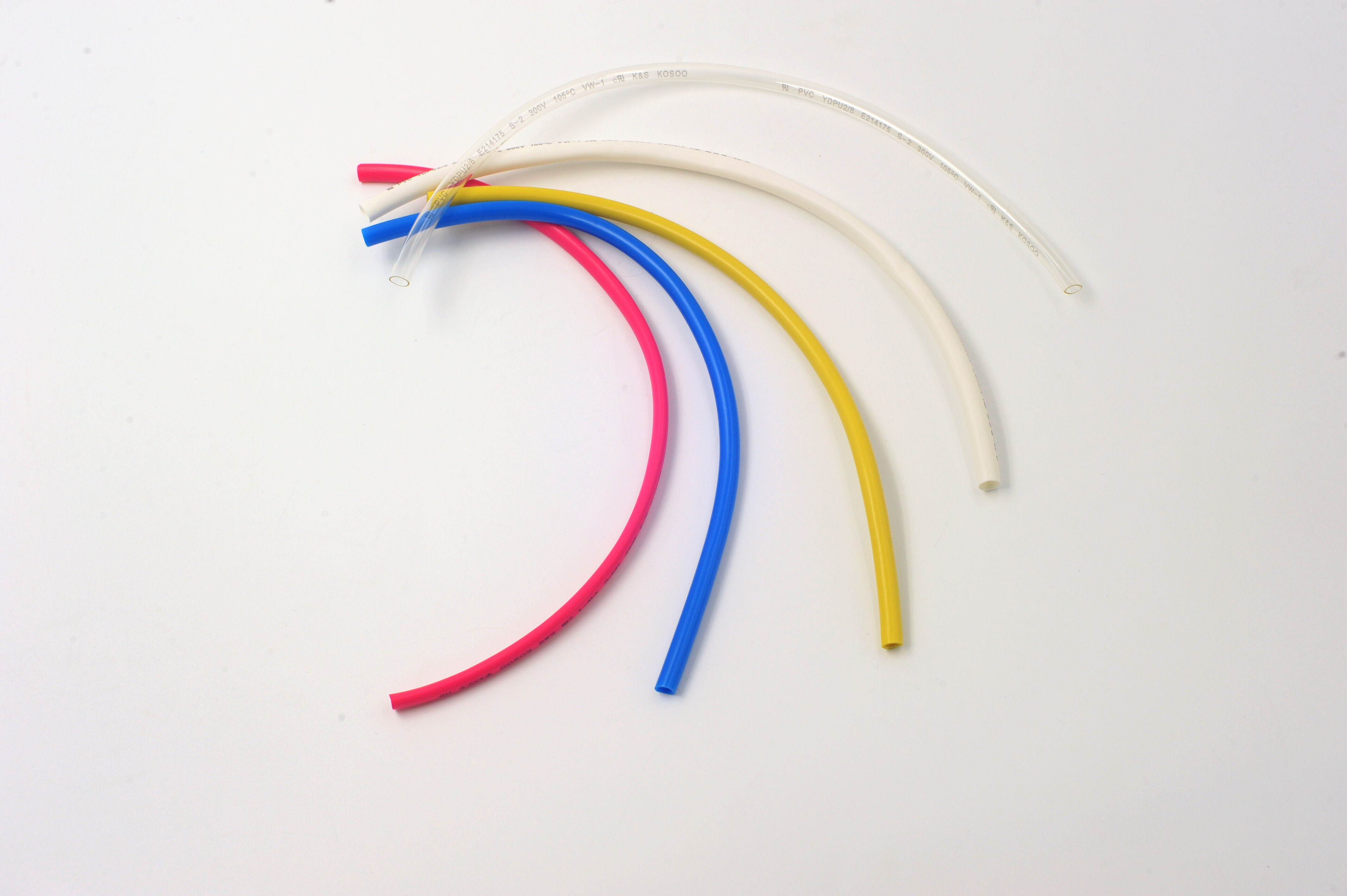
In industrial facilities, commercial buildings, and outdoor installations, wiring systems are constantly exposed to conditions that can compromise their integrity and safety. From mechanical impact to chemical exposure, moisture intrusion, and extreme temperatures, the threats to bare or inadequately protected conductors are numerous. This is precisely where the PVC tube plays a foundational role — offering a durable, cost-effective, and versatile conduit solution that physically and chemically shields electrical wiring from the environment around it.
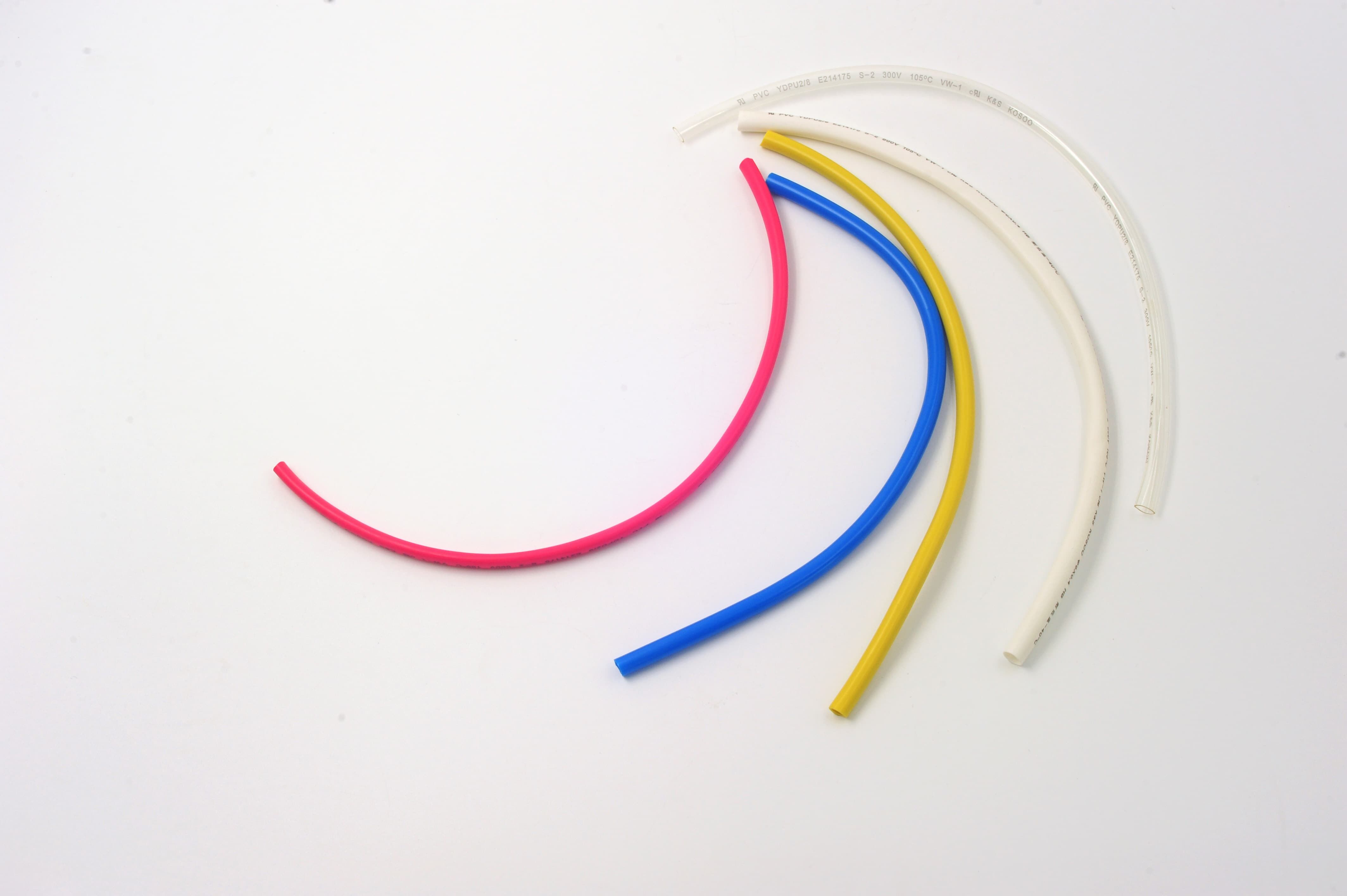
Understanding how a PVC tube functions as a protective conduit requires looking beyond the basic material properties. The real value lies in how this solution addresses the specific and layered demands of harsh operating environments — providing mechanical strength, resistance to corrosive agents, electrical insulation, and long-term structural reliability. This article explores those mechanisms in detail, helping engineers, facility managers, and procurement professionals make informed decisions about wiring protection systems.
The Structural Role of PVC Tube in Wiring Protection
Physical Shielding Against Mechanical Damage
One of the primary ways a PVC tube supports wiring protection is by forming a rigid or semi-rigid physical barrier around conductors. In environments where cables run through walls, along floors, across machinery, or through high-traffic areas, the risk of mechanical damage is significant. Without adequate protection, wires can be crushed, pinched, abraded, or severed.
The wall thickness of a PVC tube is engineered to absorb and distribute impact loads rather than transmitting them directly to the enclosed wiring. This means that incidental contact from tools, equipment, or human activity does not necessarily result in cable damage. The tube acts as a sacrificial protective layer that can sustain minor damage while the conductors inside remain fully intact and functional.
In installations where wiring runs beneath surfaces subject to vibration — such as near heavy machinery or on industrial platforms — the PVC tube also dampens repeated mechanical stress. This reduces conductor fatigue and extends the operational lifespan of the entire wiring system considerably.
Containment and Routing Stability
Beyond protecting against external forces, a PVC tube provides containment that keeps wiring properly routed and organized. In complex installations with multiple cable runs, maintaining clear and consistent routing paths is critical for both safety and maintainability. The rigidity of PVC tube prevents cables from sagging, tangling, or shifting over time.
Proper routing stability also reduces the risk of accidental interference between circuits, which can lead to signal degradation or dangerous cross-wiring scenarios. By channeling each circuit or group of conductors within a dedicated PVC tube, installers create a predictable and inspectable infrastructure that simplifies future maintenance and troubleshooting activities.
This containment function becomes especially important in renovations or expansions, where new wiring must be added without disrupting existing systems. A well-planned PVC tube layout allows additional conductors to be pulled through existing conduit pathways with minimal disruption to operations.
Chemical and Environmental Resistance Properties
Resistance to Moisture and Water Ingress
In harsh environments, moisture is one of the most persistent threats to electrical wiring. Water ingress can cause corrosion of conductors, degradation of insulation, and — in the worst cases — short circuits or electrical fires. A PVC tube offers inherent moisture resistance that makes it suitable for damp locations, outdoor routing, underground conduit applications, and areas subject to frequent washdowns.
The non-porous nature of PVC means that water does not absorb into the material itself, and when joints and fittings are properly sealed, the conduit system can be made effectively watertight. This is particularly relevant in food processing facilities, wastewater treatment plants, and coastal or marine installations where water exposure is continuous rather than occasional.
In underground or direct-burial applications, the PVC tube forms a sealed channel that protects wiring from groundwater, soil moisture, and the chemical compounds found in certain soil types. This dramatically extends the service life of buried electrical infrastructure compared to unprotected cable installations.
Chemical Resistance in Industrial Environments
Many industrial environments expose electrical infrastructure to acids, alkalis, solvents, oils, and cleaning agents. Metallic conduit systems, while strong, can corrode rapidly in such settings. A PVC tube, by contrast, demonstrates broad chemical resistance that allows it to maintain structural integrity even in the presence of many aggressive industrial substances.
This chemical inertness makes the PVC tube a preferred conduit material in chemical processing plants, battery manufacturing facilities, plating operations, and agricultural installations where fertilizers and pesticides may come into contact with wiring infrastructure. The material does not react with most common industrial chemicals, ensuring that the protective function of the conduit is not compromised by the very environment it is designed to operate in.
It is worth noting, however, that the specific chemical resistance of any PVC tube should be verified against the exact substances present in a given installation. While PVC performs well against a broad spectrum of chemicals, certain highly concentrated organic solvents may affect its surface integrity over extended exposure periods.
Electrical Insulation and Safety Contribution
Dielectric Properties of PVC Tube
PVC is an inherently non-conductive material, which means a PVC tube adds a secondary layer of electrical insulation around wiring that already carries its own insulation jacket. This dual-layer protection is especially important in environments where insulation degradation can occur due to heat, abrasion, or chemical exposure. If the primary conductor insulation becomes compromised, the PVC tube can prevent an electrical fault from propagating outward and creating a safety hazard.
For installations where multiple circuits run in parallel and there is a risk of cross-contact or induction interference, the insulating properties of the PVC tube help maintain electrical isolation between separate conduit runs. This is a meaningful safety advantage in control panel wiring, automation system installations, and communication cable routing.
In environments where personnel may come into contact with conduit surfaces, the non-conductive nature of the PVC tube eliminates the risk of electrocution from a faulted conductor making contact with an exposed metallic conduit. This is a critical safety benefit in facilities where non-electrically trained workers regularly operate near wiring infrastructure.
Compliance with Electrical Safety Standards
A PVC tube used in electrical installations must meet recognized safety and performance standards to ensure that its protective claims are validated and reliable. Standards such as UL listings provide independent verification that the product has been tested for flame resistance, dimensional accuracy, mechanical strength, and electrical performance characteristics.
Using a UL-listed PVC tube not only supports regulatory compliance but also provides project engineers and facility operators with documented assurance of the product's capabilities. This is essential in jurisdictions where electrical installation codes mandate the use of listed materials, and it simplifies the inspection and approval process for new construction or renovation projects.
Procurement teams should always verify the listing status of any PVC tube before specifying it for a project, particularly in applications involving high-voltage systems, life safety equipment, or installations subject to third-party audit and certification requirements.
Performance in Extreme Temperature Environments
Behavior of PVC Tube Under Elevated Temperatures
In environments where ambient temperatures are elevated — such as near furnaces, boilers, or process heating equipment — the thermal performance of conduit material becomes a critical selection criterion. Standard PVC tube performs reliably within a defined temperature range, and understanding this range is essential for correct application.
Within its rated temperature range, a PVC tube maintains dimensional stability and mechanical strength, continuing to perform its protective role without softening, warping, or losing its structural shape. However, in applications where temperatures consistently exceed the rated limit, alternative conduit materials may need to be considered, or the PVC tube routing should be positioned away from direct heat sources.
In many industrial installations, it is practical to use the PVC tube for the majority of a cable run while transitioning to a higher-temperature-rated conduit only in the sections immediately adjacent to heat-generating equipment. This hybrid approach optimizes cost and performance across the full installation.
Cold Temperature Resilience and Impact Resistance
In cold environments — such as refrigerated warehouses, outdoor installations in northern climates, or cold storage facilities — PVC can become more brittle and susceptible to impact damage. Installers working with a PVC tube in cold conditions must account for this behavior by handling the material carefully during installation and avoiding excessive bending or impact at low temperatures.
Some PVC tube formulations are specifically designed with impact modifiers that improve cold-temperature resilience, allowing them to withstand incidental impact without cracking or fracturing. Selecting the right formulation for the specific temperature range of the installation is a key step in ensuring long-term protective performance.
For permanently outdoor installations in variable climates, the ability of the PVC tube to cycle through temperature extremes without cracking, expanding excessively, or losing its mechanical properties is an important durability consideration that should be addressed during the specification stage.
Installation Flexibility and Long-Term Maintenance Advantages
Ease of Installation in Complex Routing Scenarios
One of the practical reasons the PVC tube is widely adopted for wiring protection in harsh environments is its relative ease of installation. PVC conduit can be cut, shaped, and joined using standard tools and solvent-cement fittings, allowing installers to create complex routing configurations without specialized equipment. This is a significant advantage in retrofit and renovation projects where routing must navigate around existing structures.
The lightweight nature of PVC compared to steel conduit reduces labor effort and speeds up installation timelines, which directly impacts project costs. In large-scale industrial installations where thousands of meters of conduit may need to be installed, the cumulative savings from using PVC tube instead of heavier metallic alternatives can be substantial.
The availability of a broad range of compatible fittings, connectors, and support hardware specifically designed for PVC tube systems allows installers to build complete, fully integrated conduit networks that maintain consistent protection standards throughout.
Reduced Maintenance Requirements Over Time
Unlike metallic conduit systems that may corrode and require periodic inspection, repainting, or replacement of corroded sections, a PVC tube installed in suitable conditions requires minimal ongoing maintenance. Its resistance to corrosion, moisture, and many chemicals means that the physical condition of the conduit remains stable over long service periods.
This low-maintenance characteristic translates into reduced lifecycle costs for facility operators. When the wiring infrastructure within a PVC tube does need to be upgraded or replaced, the process is straightforward — new conductors can be pulled through the existing conduit without needing to replace the protective housing itself, provided the tube remains structurally sound.
From a total cost of ownership perspective, the combination of competitive initial cost, long service life, and minimal maintenance requirements makes the PVC tube a highly economical choice for protecting wiring in demanding environments where protection is non-negotiable.
FAQ
What makes PVC tube suitable for outdoor wiring protection?
A PVC tube is suitable for outdoor use because of its inherent resistance to moisture, UV exposure (in UV-stabilized grades), and a wide range of weather conditions. It does not corrode like metal conduit when exposed to rain, humidity, or atmospheric pollutants, making it a reliable long-term choice for exterior installations, underground cable routing, and exposed outdoor conduit runs.
Can a PVC tube be used in areas exposed to chemical spills?
In most cases, yes. A PVC tube demonstrates broad resistance to acids, alkalis, oils, and many solvents commonly encountered in industrial settings. However, the specific chemical compatibility should always be verified for the exact substances present in the installation environment. For highly aggressive chemical environments, consulting the manufacturer's chemical resistance data ensures the correct selection.
How does the wall thickness of a PVC tube affect its protective performance?
Wall thickness directly determines the mechanical strength and impact resistance of a PVC tube. Thicker-walled conduit offers greater resistance to crushing, impact, and abrasion, making it more appropriate for demanding environments with higher physical stress. The selection of wall thickness should be matched to the application's mechanical requirements, with standard and heavy-duty options available to suit different levels of protection needed.
Is a UL-listed PVC tube required for electrical installations?
In many jurisdictions governed by the National Electrical Code (NEC) or equivalent standards, using UL-listed conduit products is either required or strongly recommended for compliance with installation codes. A UL-listed PVC tube has been independently tested and certified to meet specific performance criteria, providing assurance to installers, inspectors, and facility operators that the product meets established safety and quality benchmarks.