
 EN
EN



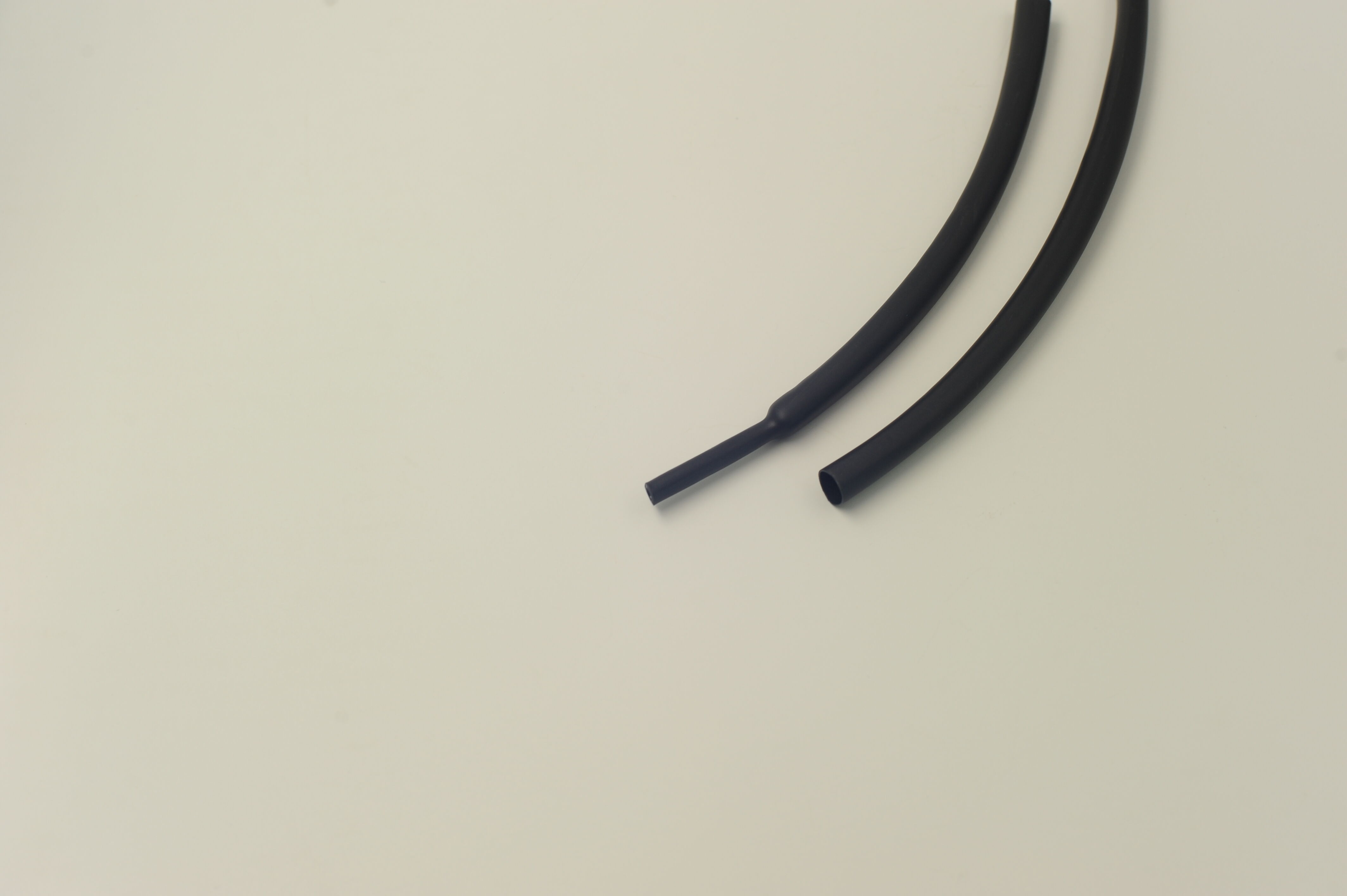
In the fast-evolving world of industrial automation, every component that protects and organizes electrical infrastructure plays a critical role in overall system reliability. Shrink tubing has become one of the most widely adopted solutions for cable insulation, wire bundling, and component protection across automated manufacturing environments. Its ability to conform tightly to virtually any surface when heat is applied makes it an exceptionally versatile material for engineers and system integrators who demand both performance and durability.
The adoption of shrink tubing in industrial automation systems continues to grow because it addresses multiple engineering challenges simultaneously. From protecting sensitive wiring in robotic arms to sealing connectors in high-humidity conveyor systems, the benefits extend well beyond simple insulation. Understanding exactly what those benefits are—and how they apply to real automation contexts—helps procurement teams and design engineers make smarter, longer-lasting decisions when specifying materials for complex automated systems.
Electrical Insulation and Safety Enhancement
Preventing Short Circuits in Densely Wired Panels
Industrial automation control panels are often densely packed with wiring, terminal blocks, and power distribution components. In these environments, bare or inadequately insulated conductors create a constant risk of short circuits that can bring entire production lines to a halt. Shrink tubing provides a reliable dielectric barrier around individual conductors and spliced connections, reducing the risk of accidental contact between live components.
High-quality polyolefin shrink tubing, such as heat-shrinkable polyolefin tubing designed for flexible insulation protection, maintains its dielectric properties even under continuous thermal cycling. This is especially important in automation systems where motors, drives, and controllers generate fluctuating heat loads throughout a production shift. The tubing shrinks uniformly around the conductor surface, eliminating air gaps that could otherwise lead to partial discharge or moisture ingress.
By applying shrink tubing consistently across wire terminations and exposed splice points, maintenance engineers can significantly reduce unplanned downtime caused by electrical faults. This makes it a cost-effective safety measure that pays dividends across the full operational lifespan of an automated system.
Voltage Rating Compliance in Automated Equipment
Automation systems frequently incorporate components operating at different voltage levels within the same enclosure. Servo drives, PLCs, sensors, and power supplies may all coexist in close proximity, requiring careful attention to insulation ratings. Shrink tubing is available in a range of wall thicknesses and material grades that correspond to specific voltage ratings, allowing system designers to match insulation requirements precisely to each wiring application.
Using properly rated shrink tubing ensures compliance with electrical safety standards, which is a non-negotiable requirement in certified industrial installations. Whether the system must conform to IEC, UL, or regional industrial safety codes, selecting the appropriate grade of shrink tubing simplifies the documentation and compliance process for electrical engineers and system integrators.
Mechanical Protection Against Industrial Wear
Abrasion Resistance in Moving Machine Components
One of the most significant mechanical benefits of shrink tubing in automation environments is its ability to protect cables and wires from abrasion caused by moving parts, sharp edges, and vibration. In robotic systems, cable harnesses must flex repeatedly as the robot arm cycles through its motion profile. Without proper protection, the outer jacket of these cables degrades rapidly, exposing conductors to damage and increasing the likelihood of intermittent faults.
Shrink tubing adds a durable protective layer over cable assemblies that resists abrasion from contact with metal channels, cable trays, and machine frames. Flexible polyolefin formulations retain their mechanical integrity even after extended periods of repeated bending, making them well-suited for dynamic cable management in articulated robotic systems and automated guided vehicles.
By extending the mechanical life of cable assemblies, shrink tubing reduces the frequency of cable replacement, lowers maintenance labor costs, and helps maintain consistent signal integrity in sensor and actuator wiring throughout the system's service life.
Impact and Crush Protection in Harsh Production Environments
In heavy industrial automation settings such as stamping presses, forging lines, or automated welding cells, cables and wiring harnesses are routinely exposed to impact forces and compressive loads. Shrink tubing with sufficient wall thickness provides a meaningful buffer against these mechanical stresses, protecting the conductor and its primary insulation from deformation that could compromise electrical performance.
The tight, conforming fit that shrink tubing achieves after heat application is an important mechanical advantage. Unlike spiral wrap or tape-based protection, shrink tubing does not loosen or unravel over time. This means the protective layer remains continuously bonded to the underlying component, maintaining its mechanical shielding function even in the most demanding production cycles.
Environmental and Chemical Resistance Benefits
Protection Against Moisture and Coolants
Industrial automation systems in food processing, pharmaceutical manufacturing, and metalworking are routinely exposed to moisture, cleaning agents, and coolant fluids. Electrical connectors and wire terminations that are not properly sealed in these environments are vulnerable to corrosion, contamination, and insulation breakdown. Shrink tubing—particularly adhesive-lined dual-wall variants—creates an effective moisture seal that prevents liquid ingress at vulnerable connection points.
Even standard single-wall shrink tubing made from polyolefin materials offers a meaningful level of moisture resistance by wrapping connector bodies and terminations in a continuous, gap-free sheath. This is especially valuable in conveyor systems and packaging machinery where washdown cycles are a routine part of production hygiene protocols.
By incorporating shrink tubing into connector protection strategies, automation system designers can reduce corrosion-related failures significantly, contributing to higher machine availability rates and lower maintenance expenditure over the equipment lifecycle.
Resistance to Oils, Solvents, and Industrial Chemicals
Many automation environments expose wiring and cable assemblies to hydraulic oils, lubricants, cleaning solvents, and other chemical agents. Shrink tubing formulated from polyolefin materials demonstrates strong resistance to a broad spectrum of these substances, maintaining its physical and electrical properties even with prolonged chemical exposure.
This chemical resistance is a key reason why shrink tubing is preferred in automotive assembly automation, CNC machining centers, and industrial painting systems. In these applications, unprotected wiring would degrade rapidly due to chemical attack on conventional insulation materials. Selecting the correct grade of shrink tubing for the specific chemical environment extends cable life and reduces the risk of hazardous electrical failures caused by insulation breakdown.
Installation Efficiency and System Organization
Faster Assembly and Reduced Labor Costs
Shrink tubing is one of the most installation-friendly cable protection materials available to automation system builders. Unlike tape wrapping, which requires overlapping passes and careful tension management, shrink tubing is simply slid over the cable assembly and then heated with a heat gun or oven to achieve a uniform, professional fit. The entire process is fast, repeatable, and does not require specialized skills beyond basic heat tool operation.
This ease of application translates directly into lower assembly labor costs, particularly on high-volume cable harness production lines where hundreds or thousands of connections must be protected within tight manufacturing schedules. Pre-cut lengths of shrink tubing can be staged at workstations, further accelerating throughput and reducing material waste during the harness assembly process.
The efficiency advantage of shrink tubing also extends to field maintenance. When a technician needs to repair or replace a wire splice inside a running automation system, shrink tubing enables a clean, code-compliant repair in minimal time compared to tape-based alternatives that are harder to apply neatly in confined panel spaces.
Cable Identification and Color Coding
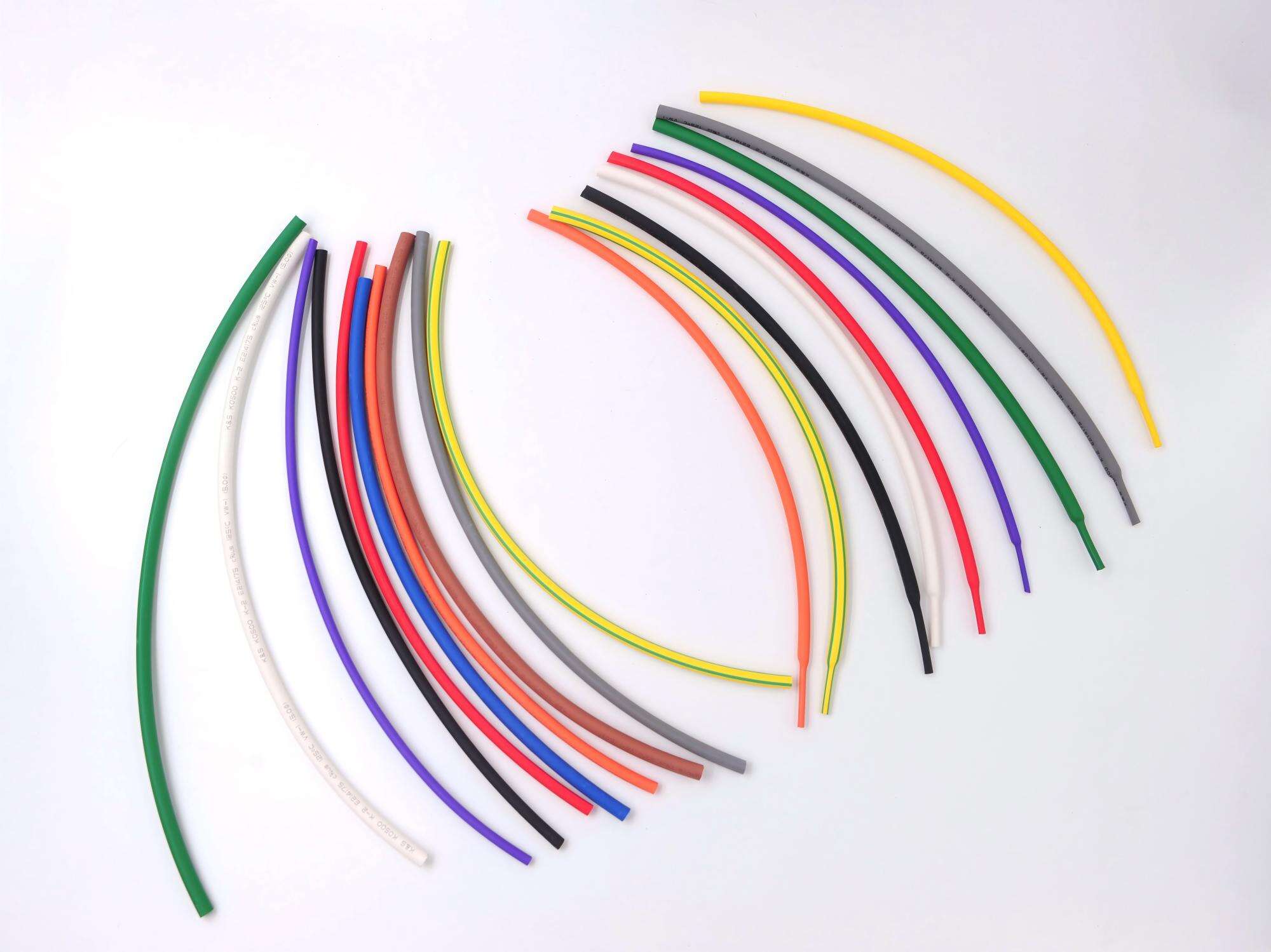
Shrink tubing is available in a wide range of colors, making it a practical tool for color-coded cable identification in complex automation wiring systems. Assigning different colors to different voltage levels, signal types, or functional zones within an automated machine helps technicians quickly identify circuits during troubleshooting, reducing diagnostic time and minimizing the risk of accidental errors during maintenance interventions.
In addition to solid colors, shrink tubing with printed markings or laser-printable surfaces allows for alphanumeric identification directly on the cable sleeve. This is particularly useful in large-scale automation installations with hundreds of individually routed conductors, where clear circuit identification is essential for efficient commissioning and ongoing maintenance management.
Long-Term Reliability and System Lifecycle Value
Thermal Stability Across Automation Operating Conditions
Industrial automation systems operate across a wide temperature range, from cold start conditions in unheated facilities to elevated operating temperatures near drive enclosures, motors, and heat-generating processing equipment. Shrink tubing made from high-grade polyolefin retains its physical properties across this full operating range, neither becoming brittle in cold environments nor softening excessively in hot zones.
This thermal stability ensures that the insulation and mechanical protection provided by shrink tubing remains consistent throughout the operational life of the automated system. Engineers can specify shrink tubing with confidence that the product will continue to perform as designed years after installation, without the cracking, shrinking, or embrittlement that affects lower-quality insulation materials in thermally demanding environments.
Contribution to Overall System Reliability Metrics
In industrial automation, system reliability is measured by metrics such as mean time between failures (MTBF) and overall equipment effectiveness (OEE). Wiring faults caused by inadequate insulation or mechanical damage are a disproportionate contributor to unplanned downtime relative to the cost of the materials involved. Applying shrink tubing correctly throughout an automation system is one of the simplest and most cost-effective ways to improve these reliability metrics.
When procurement teams calculate the total cost of ownership for cable protection materials, the long service life and low maintenance demands of quality shrink tubing consistently justify its selection over cheaper alternatives that require more frequent replacement. The upfront investment in proper insulation and protection translates into measurably better system availability over the equipment's operational lifespan.
For automation engineers and procurement specialists evaluating materials for new system builds or retrofit projects, shrink tubing offers a compelling combination of electrical, mechanical, environmental, and operational benefits that few alternative materials can match across all these dimensions simultaneously.
FAQ
What size of shrink tubing should be selected for automation wiring applications?
Selecting the correct size of shrink tubing requires knowing the maximum diameter of the component to be covered and the minimum diameter after shrinkage. The tubing's expanded inner diameter must be larger than the component, while the recovered diameter must be smaller to ensure a tight fit. Most suppliers provide sizing charts that specify expanded and recovered diameters for each product size, making selection straightforward when the cable or connector dimensions are known.
Can shrink tubing be used for outdoor automation installations?
Yes, many grades of shrink tubing are suitable for outdoor applications when the material includes UV stabilization additives. Standard polyolefin shrink tubing without UV protection may degrade when exposed to prolonged sunlight, so specifying UV-resistant grades is important for automation equipment installed in outdoor environments such as solar tracking systems, outdoor conveyor lines, or mobile automated platforms.
Is shrink tubing compatible with all types of wire and cable insulation materials?
Shrink tubing is broadly compatible with most standard wire and cable insulation materials including PVC, XLPE, silicone, and rubber-jacketed cables. The key consideration is ensuring the heat applied during installation does not exceed the temperature rating of the underlying cable insulation. Using a controlled heat gun with appropriate temperature settings prevents damage to the cable while achieving proper shrinkage of the tubing.
How does shrink tubing compare to tape wrapping for protecting wire splices in automation systems?
Shrink tubing offers several advantages over tape wrapping for splice protection in automation environments. It provides a uniform, seamless covering that does not loosen or unravel over time, whereas tape can lose adhesion due to heat, vibration, or chemical exposure. Shrink tubing also delivers a more consistent insulation thickness around the splice, making it easier to meet electrical safety specifications and produce repeatable, professional-quality cable assemblies at scale.
Table of Contents
- Electrical Insulation and Safety Enhancement
- Mechanical Protection Against Industrial Wear
- Environmental and Chemical Resistance Benefits
- Installation Efficiency and System Organization
- Long-Term Reliability and System Lifecycle Value
-
FAQ
- What size of shrink tubing should be selected for automation wiring applications?
- Can shrink tubing be used for outdoor automation installations?
- Is shrink tubing compatible with all types of wire and cable insulation materials?
- How does shrink tubing compare to tape wrapping for protecting wire splices in automation systems?