
 EN
EN



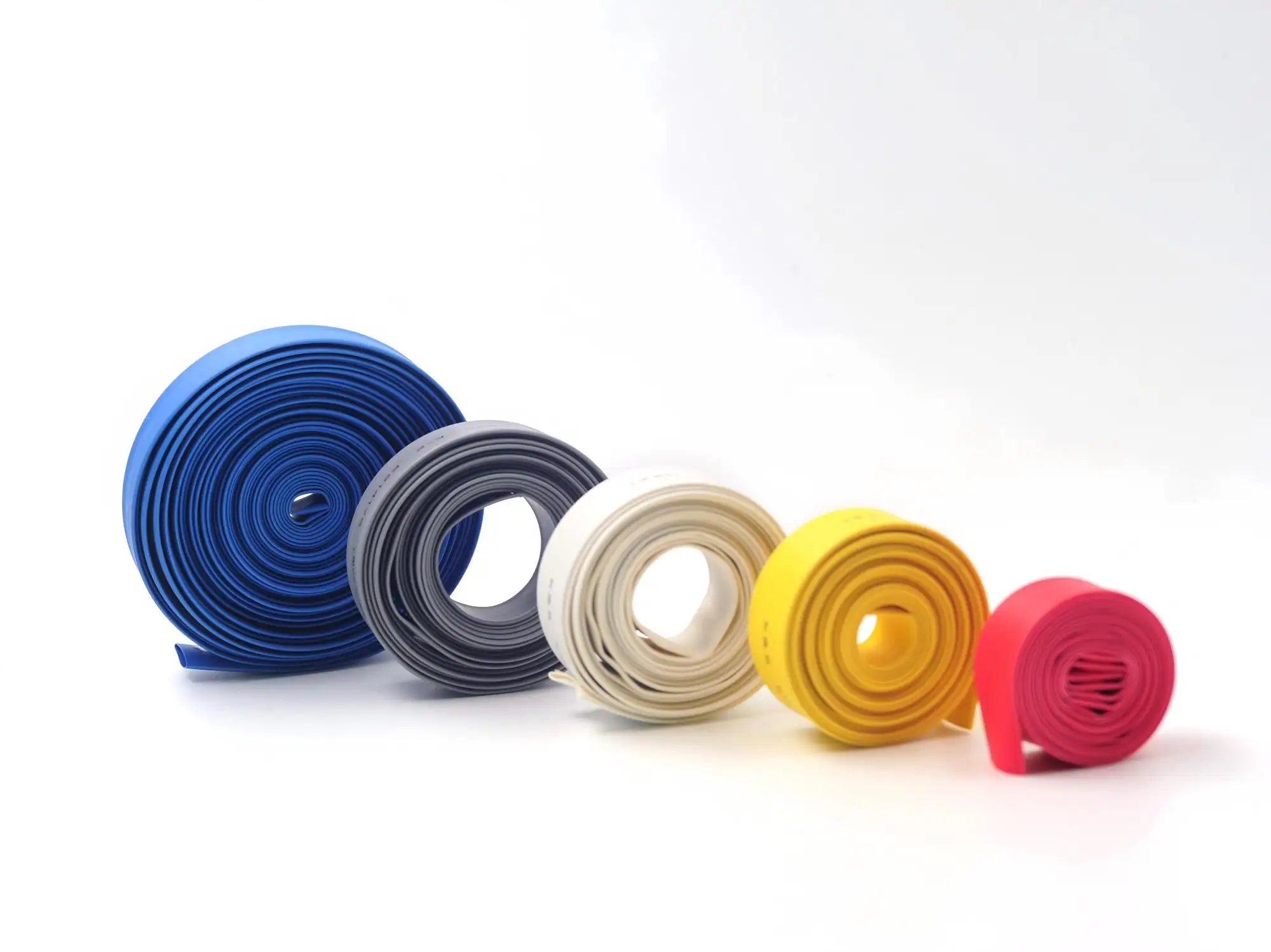
Automotive repair environments are among the most demanding conditions any electrical insulation material can face. From engine bay heat cycles to moisture exposure beneath the chassis, every component in a vehicle's wiring system must withstand physical stress, chemical contact, and temperature extremes simultaneously. shrink tubing has become a cornerstone solution in this environment, providing a reliable, durable, and professional-grade means of protecting wires, connectors, and splices throughout a vehicle's electrical architecture.
Understanding what makes shrink tubing genuinely suitable for automotive repair goes far beyond its ability to contract when heat is applied. The material composition, wall structure, adhesive lining, and environmental resistance ratings all contribute to whether a given product can truly perform under the rigors of automotive use. This article examines each of these factors in depth, giving repair professionals and engineers a clear picture of why shrink tubing is the preferred choice for automotive electrical work.
The Physical Properties That Make Shrink Tubing Effective in Automotive Environments
Thermal Resistance and Heat Shrink Performance
One of the most fundamental requirements in automotive repair is thermal stability. Engine compartments can routinely reach temperatures exceeding 120°C, and components mounted close to exhaust systems or turbochargers may experience even higher ambient conditions. Shrink tubing engineered for automotive use is typically manufactured from polyolefin compounds that maintain structural integrity across a wide temperature range, from sub-zero winter starts to high-heat summer operation.
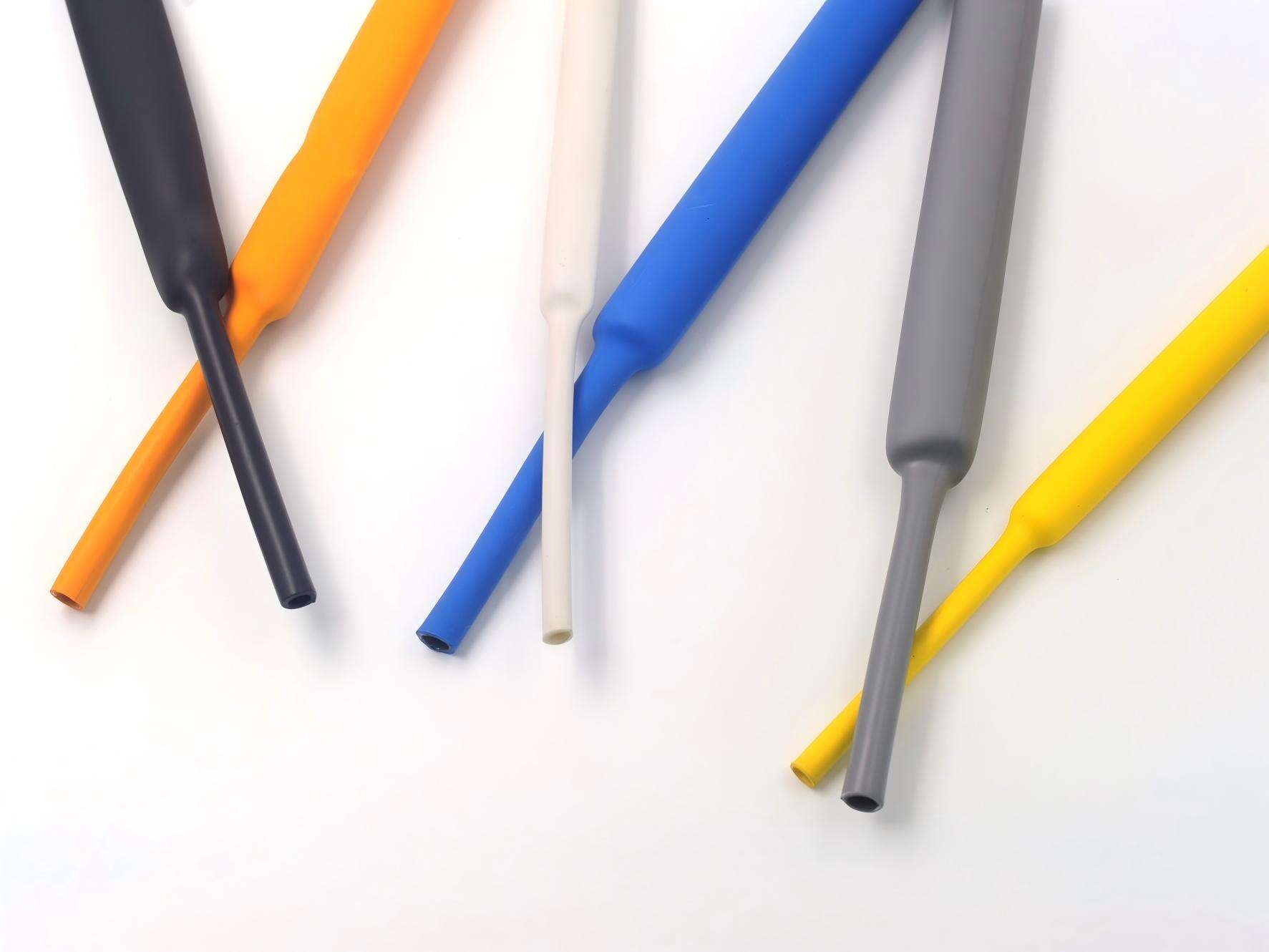
The shrink ratio of the tubing is a critical specification. Most automotive-grade products offer a 2:1 or 3:1 shrink ratio, meaning the tubing's recovered diameter is half or one-third of its supplied diameter. This flexibility allows a single product size to accommodate a range of wire gauges and connector diameters, which is particularly useful when repair work involves mixed or non-standard wiring. The controlled shrink process ensures tight, wrinkle-free coverage that maintains a clean seal around the protected element.
Polyolefin-based shrink tubing does not become brittle after heat application, which is a critical distinction from lower-grade alternatives. Brittleness in a vibration-heavy environment like a vehicle chassis would lead to cracking and exposure, entirely defeating the purpose of the repair. The recovered material retains flexibility while still providing firm mechanical protection, a balance that is essential for long-term reliability in automotive applications.
Mechanical Durability and Abrasion Resistance
Vehicles subject their wiring to continuous mechanical stress. Harnesses routed through the firewall, under the dash, or along the frame rail are exposed to vibration, flex cycles, and contact with metal edges. Shrink tubing with adequate wall thickness and tensile strength acts as a protective sleeve that shields the conductor insulation from abrasion damage over extended service periods.
Dual-wall shrink tubing is particularly well-suited to automotive repair because its outer layer provides hard-wearing mechanical resistance while its inner adhesive layer bonds directly to the wire or connector surface. This dual-layer construction reduces the chance of the tubing sliding, rotating, or peeling away from the repair site under repeated mechanical loading. The result is a repair that maintains its integrity even in locations where the wiring experiences constant movement.
For under-hood applications, where harnesses may rub against engine brackets or pass through grommets in the firewall, the abrasion resistance of shrink tubing is not just a convenience—it is a safety-critical property. A failed insulation repair in a high-current circuit can lead to short circuits, fires, or total electrical system failure. Using correctly specified shrink tubing dramatically reduces this risk.
Moisture and Chemical Protection Provided by Shrink Tubing
Waterproofing Through Adhesive-Lined Construction
Moisture ingress is one of the leading causes of electrical failure in automotive systems. Water finding its way into a splice or connector terminal causes oxidation, increases resistance, and can eventually result in complete circuit failure. Adhesive-lined shrink tubing addresses this vulnerability directly by creating a hermetic seal around the repair point when properly applied.
The hot-melt adhesive lining inside dual-wall shrink tubing flows and bonds during the heat shrink process, filling micro-gaps between the tubing and the wire jacket or connector body. Once cooled and set, this adhesive layer forms a continuous moisture barrier that prevents water from tracking along the conductor. For vehicles operating in wet climates, off-road environments, or applications where the wiring may be submerged during water crossings, this adhesive seal is an indispensable protection mechanism.
Unlike simple electrical tape, which can delaminate over time and allow moisture entry, properly applied shrink tubing maintains its seal throughout the service life of the repair. This permanence is one of the key reasons automotive repair professionals prefer shrink tubing over traditional wrapping methods for splice and terminal protection.
Chemical Resistance to Automotive Fluids
Engine bays and undercarriage environments expose wiring to a broad spectrum of chemicals, including motor oil, transmission fluid, brake fluid, coolant, battery acid vapors, and a variety of cleaning solvents. Shrink tubing formulated for automotive use incorporates materials that resist degradation from these substances, maintaining their physical and insulating properties even after prolonged chemical exposure.
Polyolefin, the most commonly used base material for automotive-grade shrink tubing, offers inherent resistance to hydrocarbons and mild acids. When an adhesive-lined version is used, the additional inner layer provides a secondary chemical barrier that further isolates the conductor from the surrounding environment. This layered protection is especially important for wiring located near the engine oil circuit or fuel system components.
Technicians working on fleet vehicles or commercial transport applications benefit significantly from this chemical resistance, as these vehicles are often exposed to industrial cleaning agents during regular maintenance cycles. Shrink tubing that degrades under solvent exposure would compromise the repair and introduce new failure risks, making chemical compatibility an essential specification criterion.
Electrical Insulation Performance in Automotive Repair
Dielectric Properties and Voltage Rating
Modern automotive electrical systems have grown increasingly complex, with many vehicles now incorporating high-voltage circuits for hybrid drivetrains, advanced driver assistance systems, and comprehensive sensor networks. Shrink tubing used in these environments must provide reliable dielectric insulation to prevent arcing, cross-talk between circuits, and shock hazards during maintenance.
Standard polyolefin shrink tubing offers excellent dielectric strength, making it suitable for the typical 12V to 48V range found in conventional automotive wiring. For hybrid and electric vehicle systems, specialized high-voltage shrink tubing with enhanced insulation ratings is available. The dielectric performance of shrink tubing does not degrade significantly over time, unlike some wrapping materials that may absorb moisture and lose insulating effectiveness.
When repairing sensor wiring or signal-level circuits where noise immunity is important, the consistent and homogeneous insulation provided by shrink tubing helps maintain signal integrity. This is particularly relevant for oxygen sensor cables, ABS sensor leads, and other low-voltage measurement circuits where insulation irregularities can introduce interference into the vehicle's control systems.
Maintaining Insulation Integrity Over Time
One of the less-discussed advantages of shrink tubing in automotive repair is its long-term dimensional stability. Unlike tape or foam wrap, which can compress, migrate, or unwind over years of service, shrink tubing maintains its recovered shape and wall thickness indefinitely under normal conditions. This means the repair continues to provide the same level of insulation protection years after the initial application.
UV resistance is another factor that contributes to long-term insulation integrity, particularly for external wiring on vehicles. Polyolefin shrink tubing compounded with UV stabilizers resists photodegradation, preventing the material from becoming chalky, cracked, or porous when exposed to sunlight over extended periods. For wiring visible on the engine bay lid, trailer connections, or exterior sensor mounts, UV-stabilized shrink tubing maintains its appearance and function far longer than untreated alternatives.
The combination of dimensional stability, UV resistance, and consistent dielectric properties means that a repair made with high-quality shrink tubing effectively restores the original integrity of the wiring, rather than simply providing a temporary fix. This is a critical quality standard in professional automotive repair where long-term reliability is the expectation.
Application Versatility and Ease of Use in Repair Scenarios
Compatibility with a Wide Range of Automotive Wiring Situations
Automotive wiring repairs encompass an enormous variety of situations, from simple insulation damage on a single conductor to complex multi-strand harness splices and corroded connector repair. Shrink tubing is available in a range of diameters, wall thicknesses, and shrink ratios that allow it to be matched precisely to each repair scenario. This versatility means technicians do not need to maintain separate repair materials for different circuit types—a well-selected set of shrink tubing sizes can address the majority of repair situations encountered in a typical automotive workshop.
For connector and terminal repairs, pre-formed shrink tubing boots and end-caps extend the waterproofing capability to connector housings and open wire ends. This makes shrink tubing an integrated system for wire repair rather than a single-purpose product. Technicians who understand the full range of shrink tubing configurations available to them can approach complex wiring damage with greater confidence and efficiency.
The compatibility of shrink tubing with soldering, crimp connections, and butt connectors further extends its application range. When used over a soldered or crimped splice, the tubing encapsulates the mechanical connection and provides both strain relief and environmental protection simultaneously. This combination of mechanical and environmental performance is difficult to achieve with any other single repair material.
Heat Application Methods and Workshop Practicality
Shrink tubing can be activated using a range of heat sources available in typical automotive repair environments, including heat guns, butane torches, or even purpose-built shrink stations. The flexibility in heat application method makes shrink tubing practical in both workshop and roadside repair scenarios, where access to specific tools may be limited.
For technicians new to using shrink tubing, the process is straightforward. The tubing is slid over the wire before the splice or connection is made, then positioned over the completed repair and heat is applied evenly along its length until recovery is complete. For adhesive-lined products, a bead of adhesive typically flows from the tube ends, indicating that full activation has been achieved and the seal is complete.
This simplicity of application, combined with the high-performance outcome, makes shrink tubing one of the most practical and cost-effective repair materials available to automotive professionals. The reduced labor time compared to tape wrapping, combined with a superior and more durable result, delivers clear value in a professional workshop context.
FAQ
What type of shrink tubing is best for automotive wiring repairs?
Dual-wall adhesive-lined shrink tubing made from polyolefin is generally considered the best choice for automotive wiring repairs. It offers waterproofing through its adhesive inner layer, mechanical protection from its thick outer wall, and chemical resistance that allows it to perform reliably in engine bays and undercarriage environments. For high-voltage hybrid or EV applications, specialized high-voltage rated shrink tubing should be selected.
Can shrink tubing be used in high-temperature automotive environments?
Yes. Automotive-grade shrink tubing is specifically formulated to maintain its physical and insulating properties at elevated temperatures. Most polyolefin-based products are rated to at least 125°C continuous operating temperature, which covers the majority of engine bay and exhaust-adjacent applications. For extreme heat zones, higher-rated materials are available. Always verify the temperature rating of the specific product against the application requirements.
How does shrink tubing compare to electrical tape for automotive repairs?
Shrink tubing provides a significantly more durable and reliable repair than electrical tape in automotive contexts. Tape is prone to unwinding under heat, absorbing moisture, losing adhesive strength over time, and failing under sustained vibration. Shrink tubing, once applied, maintains its position, shape, and protective properties indefinitely under normal service conditions. It also creates a sealed barrier against moisture and chemicals that tape cannot reliably achieve.
Is shrink tubing suitable for repairing automotive sensor wiring?
Shrink tubing is well-suited to sensor wiring repairs, provided the correct diameter is selected to avoid constricting the wire. For small-gauge sensor cables, thin-wall or standard-wall shrink tubing in an appropriate size will provide insulation protection without affecting cable flexibility. In applications where the sensor wiring is exposed to moisture, adhesive-lined shrink tubing is recommended to prevent moisture from compromising sensor signal quality over time.