
 EN
EN



Consumer electronics manufacturing is one of the most demanding production environments in the world, where precision, reliability, and miniaturization all converge under intense competitive pressure. Among the many materials that enable modern electronics to function safely and durably, shrink tubing stands out as an indispensable component. It is used at nearly every stage of electronics assembly — from protecting individual wire connections to organizing complex cable harnesses inside compact devices. Understanding how it is applied in this context is essential for engineers, procurement specialists, and quality managers who need consistent, cost-effective insulation and protection solutions.
The application of shrink tubing in consumer electronics is not a one-size-fits-all process. Different product types, assembly stages, and performance requirements call for different tubing specifications, shrink ratios, and installation methods. This article breaks down the full workflow — from material selection through post-installation quality checks — to give you a clear picture of how shrink tubing is integrated into high-volume electronics production. Whether you are working with smartphones, wearables, home appliances, or audio equipment, the principles described here apply broadly and practically.
Understanding Shrink Tubing in the Context of Electronics Assembly
What Shrink Tubing Actually Does in an Electronics Setting
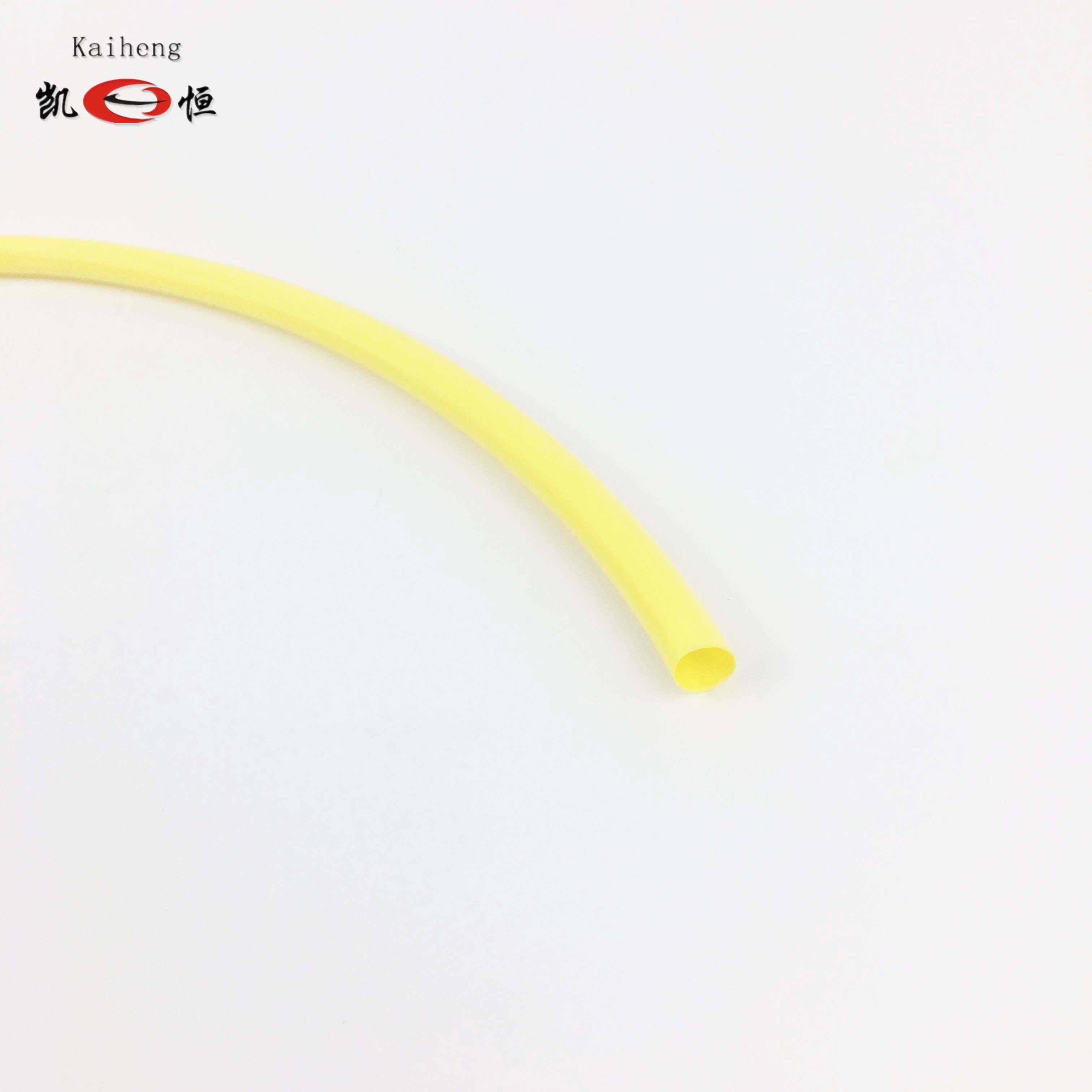
Shrink tubing is a thermoplastic sleeve that, when exposed to heat, contracts uniformly around the component it encases. In consumer electronics, this property is exploited to create tight, conforming insulation over wire ends, solder joints, connector bodies, and cable bundles. The result is a protective layer that guards against electrical shorts, moisture ingress, mechanical abrasion, and chemical exposure.
Beyond simple insulation, shrink tubing also contributes to strain relief — a critical function in portable electronics where cables and connectors are subject to repeated bending, pulling, and vibration. When properly applied at flex points such as cable exits from a housing or at connector entries, it distributes mechanical stress across a broader area, significantly reducing the risk of wire fatigue and breakage over the product's service life.
Many engineers also use shrink tubing to provide color-coded identification within complex wiring assemblies. In consumer electronics, where space is limited and maintenance windows are narrow, color differentiation helps technicians quickly identify wire functions during assembly, testing, and repair. This dual role — functional protection and visual organization — makes shrink tubing one of the most versatile materials in the electronics toolkit.
Material Choices That Drive Application Decisions
The most widely used material for shrink tubing in consumer electronics is polyolefin, prized for its balance of flexibility, electrical insulation properties, and processing ease. Polyolefin-based shrink tubing typically operates across a temperature range suitable for both the heat activation process and the final use environment of consumer devices. It adheres well to irregular surfaces after shrinking and maintains its dimensional integrity over time.
For applications requiring enhanced moisture sealing, adhesive-lined shrink tubing is the preferred choice. This variant features an inner layer of thermoplastic adhesive that melts during the shrinking process, flowing into gaps and creating a near-waterproof seal around the covered component. This is particularly relevant in outdoor consumer electronics, wearable fitness devices, and any product with an IP rating requirement.
The shrink ratio — typically expressed as 2:1, 3:1, or higher — determines how much the tubing can contract from its expanded diameter. Selecting the correct shrink ratio is crucial in electronics manufacturing because components vary greatly in diameter. A 2:1 ratio tubing that starts at 6mm will shrink to approximately 3mm, which works well for standard wire sizes but may be insufficient to securely grip very thin conductors. Getting this selection right during the design phase prevents rework and ensures consistent protection across production batches.
The Step-by-Step Application Process in Manufacturing
Pre-Installation Preparation and Sizing
Before any shrink tubing is applied, the manufacturing team must verify that the correct size, material grade, and length have been specified for each application point. In consumer electronics manufacturing, this is typically governed by a Bill of Materials (BOM) and assembly drawings that designate tubing placement, dimensions, and color. Deviating from these specifications can introduce electrical or mechanical weaknesses that only manifest under field conditions.
The tubing is cut to length — either manually on small production runs or using automated cutting machines in high-volume operations. Precision cutting is important because tubing that is too short will leave exposed conductors, while tubing that is too long adds unnecessary bulk in compact assemblies. Many electronics manufacturers pre-cut tubing into standardized lengths and store them in bins by color and size to streamline the assembly process.
Cleanliness of the substrate is another preparation step that is often overlooked. Contamination from flux residues, oils, or particulates on wire surfaces can prevent adhesive-lined shrink tubing from forming a proper seal. For critical applications — such as battery connection points or sensor leads — surfaces are cleaned before the shrink tubing is positioned, ensuring maximum adhesion and long-term sealing performance.
Positioning and Heat Application Techniques
Once cut and inspected, the shrink tubing is slid over the wire, cable, or component it will protect. In manual assembly lines, operators position the tubing by hand, ensuring it is centered over the joint or protected area with sufficient overlap on each side. Industry practice commonly recommends a minimum overlap of 5mm beyond the edge of the joint on each end, though this varies by application and product specification.
Heat is then applied to activate the shrinking process. In consumer electronics manufacturing, the most common heat sources are hot air guns, conveyor oven systems, and infrared heaters. Hot air guns are versatile and suitable for varied component sizes and short production runs. Conveyor ovens are preferred in high-volume lines where consistent, repeatable thermal profiles are required. The temperature range for activating polyolefin shrink tubing typically falls between 90°C and 120°C, though exact parameters depend on wall thickness and the specific material formulation.
The direction of heat application matters. Skilled operators apply heat evenly from the center of the tubing outward toward each end to prevent air pockets from becoming trapped beneath the tubing wall. Trapped air creates weak points in the insulation and can cause localized stress concentrations. In automated systems, this is managed through precisely calibrated nozzle positions and airflow patterns that ensure uniform shrinkage across every unit produced.
Integration into Automated and Semi-Automated Production Lines
Automation Strategies for High-Volume Electronics Manufacturing
Consumer electronics companies producing millions of units per year cannot rely solely on manual shrink tubing application. Automation is essential for maintaining consistency, throughput, and quality across large production volumes. Several automation approaches have been developed specifically for shrink tubing integration, each suited to different production configurations.
Automated cut-and-strip-and-sleeve machines are common in wire harness manufacturing facilities that supply consumer electronics assemblers. These machines measure, cut, and sleeve wire ends with shrink tubing in a single continuous operation, eliminating human error and dramatically increasing throughput. They can be programmed for different tubing diameters, lengths, and cut-to-sleeve ratios, making changeovers between product models relatively fast.
For in-line shrink processing, conveyor-based hot air tunnels are the industry standard. Wire assemblies or sub-assemblies with pre-positioned shrink tubing are loaded onto the conveyor and pass through a precisely controlled heat zone. The residence time and temperature profile are calibrated to fully activate the shrink tubing without damaging adjacent components or cable jackets. These systems are often integrated directly into the main assembly line to eliminate handling steps between insulation and final assembly.
Quality Verification After Shrink Tubing Application
Post-application inspection is a mandatory step in any serious electronics manufacturing operation. Quality checks for shrink tubing typically include visual inspection for complete shrinkage, absence of air bubbles, uniform surface appearance, and adequate overlap coverage. In automated lines, camera-based vision systems can perform these checks at production speed, flagging any non-conforming assemblies for rework or rejection.
Dimensional verification is also conducted to confirm that the tubing has achieved its target recovered diameter and wall thickness. This is especially important in applications where the shrink tubing must fit within a tight mechanical envelope — such as inside a smartphone chassis or within a wearable device's compact casing. Tubing that hasn't fully recovered may create fit issues during final assembly.
Electrical testing follows mechanical inspection in most electronics manufacturing protocols. Insulation resistance tests verify that the applied shrink tubing provides adequate electrical isolation at the required voltage levels. High-pot testing may also be conducted on safety-critical connections to confirm that the insulation can withstand transient overvoltages without breakdown. These tests close the loop on the quality assurance process and provide documented evidence of compliance with product specifications.
Application-Specific Scenarios in Consumer Electronics
Cable and Wire Harness Protection
In consumer electronics, cable harnesses connect power supplies, circuit boards, displays, speakers, and sensors. The junctions within these harnesses — soldered connections, crimped terminals, and spliced wires — are among the most vulnerable points in the entire assembly. Shrink tubing is routinely applied over these junctions to provide insulation, mechanical protection, and in some cases environmental sealing.
For USB cables, charging leads, and data transfer cables used in consumer products, shrink tubing is applied at the cable-to-connector interface to provide strain relief and a professional finished appearance. This application is visible to the end user, so the tubing must also meet aesthetic standards — consistent color, smooth surface finish, and no wrinkles or voids. Consumer perception of product quality is directly influenced by the visible quality of cable finishing.
In high-frequency signal cables used in audio and video equipment, the electromagnetic shielding of the cable must be carefully maintained through the connector termination zone. Shrink tubing with thin wall sections is preferred here to avoid adding significant impedance-affecting bulk. The tubing's role in this context is primarily mechanical protection and strain relief, with minimal impact on signal integrity.
PCB and Component-Level Applications
Beyond cable harnesses, shrink tubing is also applied at the component level on printed circuit boards in some consumer electronics applications. Individual component leads, high-voltage traces, or exposed component bodies may require insulation that cannot be provided by conformal coating alone. In these cases, small-diameter shrink tubing — sometimes as narrow as 1mm in recovered diameter — is placed over the at-risk element and heat-activated using a precision hot air tool.
Battery pack assemblies in portable electronics are another area where shrink tubing plays a critical protective role. The cell interconnections within multi-cell battery packs are often insulated with shrink tubing to prevent accidental short circuits during assembly and throughout the battery's service life. The tubing must be compatible with the chemical environment of the battery chemistry in use, making material selection particularly important in this context.
LED lighting assemblies used in consumer products — from smart home devices to decorative lighting — frequently incorporate shrink tubing at wire-to-board solder joints and at driver connection points. The thermal environment in LED applications places specific demands on the tubing's heat resistance, requiring materials that can withstand sustained elevated temperatures without hardening, cracking, or losing their insulating properties.
Selecting the Right Shrink Tubing for Consumer Electronics Applications
Key Specification Parameters
Selecting shrink tubing for a consumer electronics application involves evaluating several interdependent parameters. The recovered inside diameter must be small enough to grip the substrate securely without excessive compressive force. The expanded inside diameter must be large enough to allow easy positioning over the component before heat is applied. Wall thickness in the recovered state determines the mechanical robustness and electrical insulation level of the applied tubing.
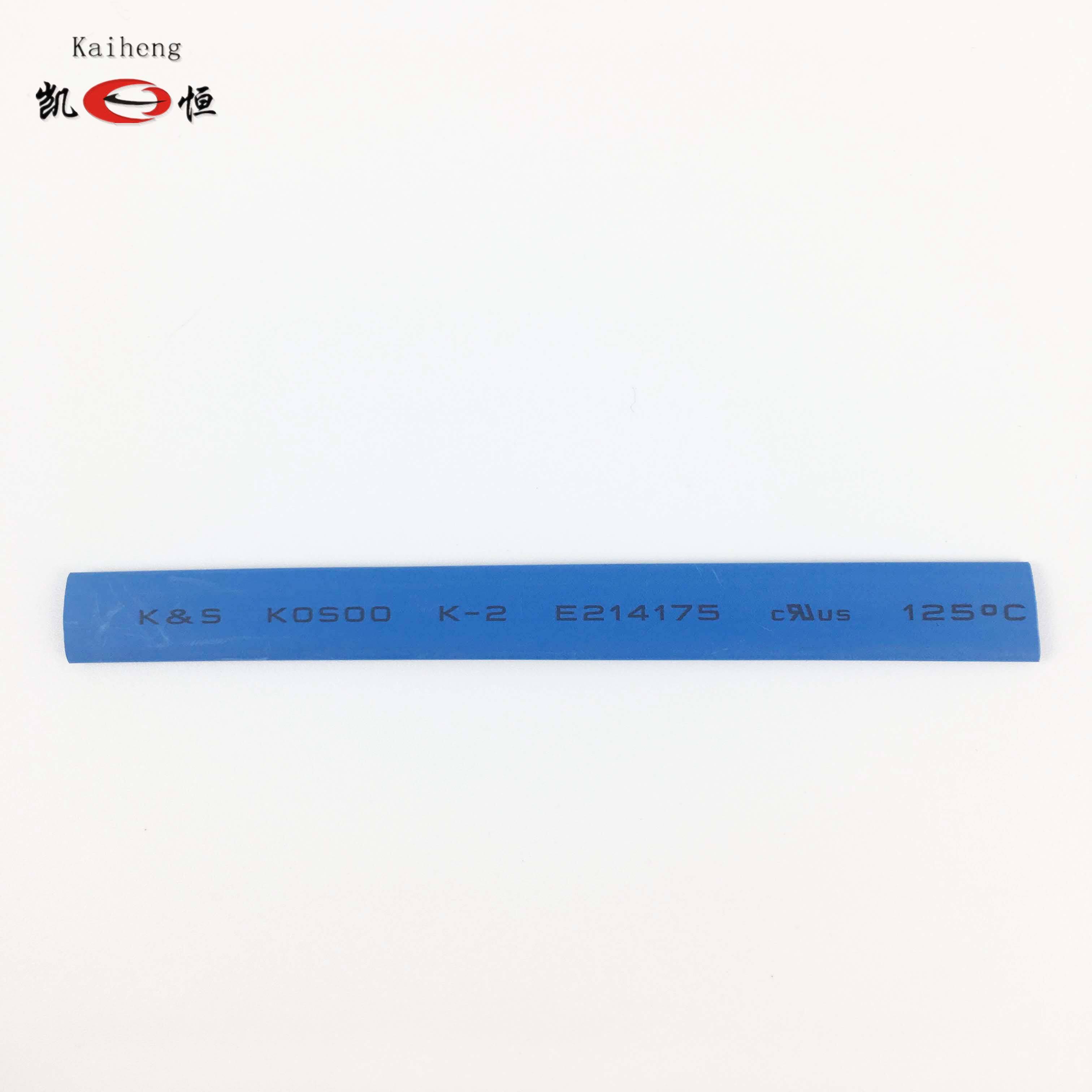
Temperature ratings are equally important. The tubing must activate reliably within the process temperature window available in the manufacturing environment, yet remain stable at the maximum operating temperature of the final product. For most consumer electronics, a continuous operating rating of 125°C is adequate, but specific sub-assemblies — near processors, power stages, or batteries — may require higher-rated materials.
Flame retardancy is a specification that consumer electronics regulations in major markets increasingly mandate. Materials that comply with UL standards for flammability, or equivalent international norms, are preferred for all internal wiring applications in finished consumer products. Specifying compliant shrink tubing from the outset avoids costly redesigns and regulatory delays during product certification.
Balancing Performance, Cost, and Processability
In consumer electronics manufacturing, cost efficiency is always a key consideration alongside performance. Shrink tubing selection must balance the technical requirements of the application against the economics of the production environment. High-performance specialty materials may offer superior properties but at a cost premium that is difficult to justify for low-risk, non-critical applications.
Processability — the ease with which a material can be handled, cut, positioned, and activated in the manufacturing environment — is another factor that is often underweighted in material selection. Tubing that kinks easily, is difficult to slide over connectors, or requires precisely controlled activation temperatures can slow assembly lines and increase rework rates. A material that is slightly less impressive on a data sheet but performs reliably in the actual production environment often delivers better total value.
Working closely with tubing suppliers to qualify materials on actual production processes — rather than making decisions based purely on data sheets — is a practice that leading electronics manufacturers consistently follow. This qualification process identifies potential issues with specific shrink tubing grades before they reach volume production, protecting both product quality and production efficiency.
FAQ
What shrink ratio is most commonly used for consumer electronics applications?
A 2:1 shrink ratio is the most common choice for general consumer electronics wiring applications because it accommodates the typical range of wire and connector diameters encountered in these products. For applications where the substrate diameter varies significantly along the covered length, or where a particularly tight final fit is required, a 3:1 ratio shrink tubing provides greater dimensional flexibility. The appropriate ratio should always be verified against the actual component dimensions before committing to a specification.
Can shrink tubing be applied after final assembly in a finished device?
In most cases, shrink tubing is applied at the sub-assembly stage before the component is integrated into the final product, because the heat required for activation could damage surrounding components, adhesives, or plastic housings if applied in a fully assembled device. However, in repair and rework scenarios, precision hot air tools with fine nozzles can sometimes allow localized application without affecting nearby components. This requires careful heat management and is generally not recommended for high-volume production environments.
How does shrink tubing compare with other insulation methods used in consumer electronics?
Shrink tubing offers advantages over alternative insulation approaches such as electrical tape, conformal coating, and potting compounds in specific situations. Unlike tape, it does not rely on adhesive that can degrade over time or under elevated temperatures. Unlike conformal coating, it provides substantial mechanical protection and strain relief in addition to electrical insulation. Unlike potting, it is non-permanent and allows access for inspection or rework where needed. The choice between these methods depends on the specific protection requirements, production process, and serviceability needs of the application.
What are the most common causes of shrink tubing failure in consumer electronics?
The most frequent causes of shrink tubing failure in consumer electronics include incorrect sizing that results in inadequate coverage or mechanical grip, insufficient or uneven heat activation that leaves portions of the tubing partially recovered, material incompatibility with the thermal or chemical environment of the application, and physical damage during assembly or use. Specifying the correct shrink tubing grade for each application, following validated activation parameters, and implementing post-application inspection routines are the most effective countermeasures against these failure modes.
Table of Contents
- Understanding Shrink Tubing in the Context of Electronics Assembly
- The Step-by-Step Application Process in Manufacturing
- Integration into Automated and Semi-Automated Production Lines
- Application-Specific Scenarios in Consumer Electronics
- Selecting the Right Shrink Tubing for Consumer Electronics Applications
-
FAQ
- What shrink ratio is most commonly used for consumer electronics applications?
- Can shrink tubing be applied after final assembly in a finished device?
- How does shrink tubing compare with other insulation methods used in consumer electronics?
- What are the most common causes of shrink tubing failure in consumer electronics?