
 EN
EN



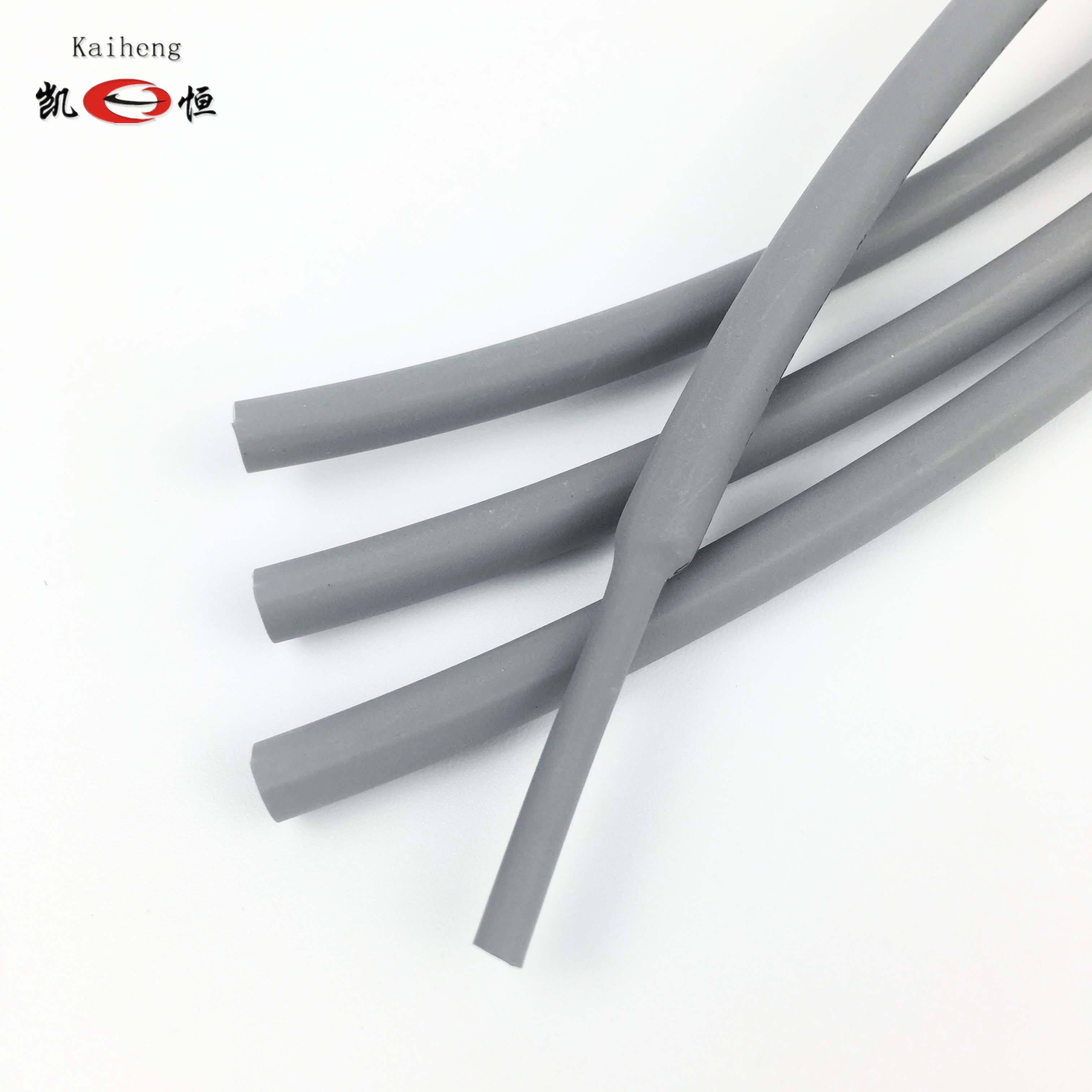
Industrial wiring systems operate under relentless physical, thermal, and chemical stress. Cables and wire bundles in factories, automotive assemblies, marine environments, and heavy machinery face abrasion, moisture ingress, temperature cycling, and mechanical vibration on a daily basis. Without adequate protection, even the most precisely engineered electrical connections become vulnerable to failure. This is where shrink tubing steps in as a proven, practical solution for extending the service life and reliability of industrial wiring.
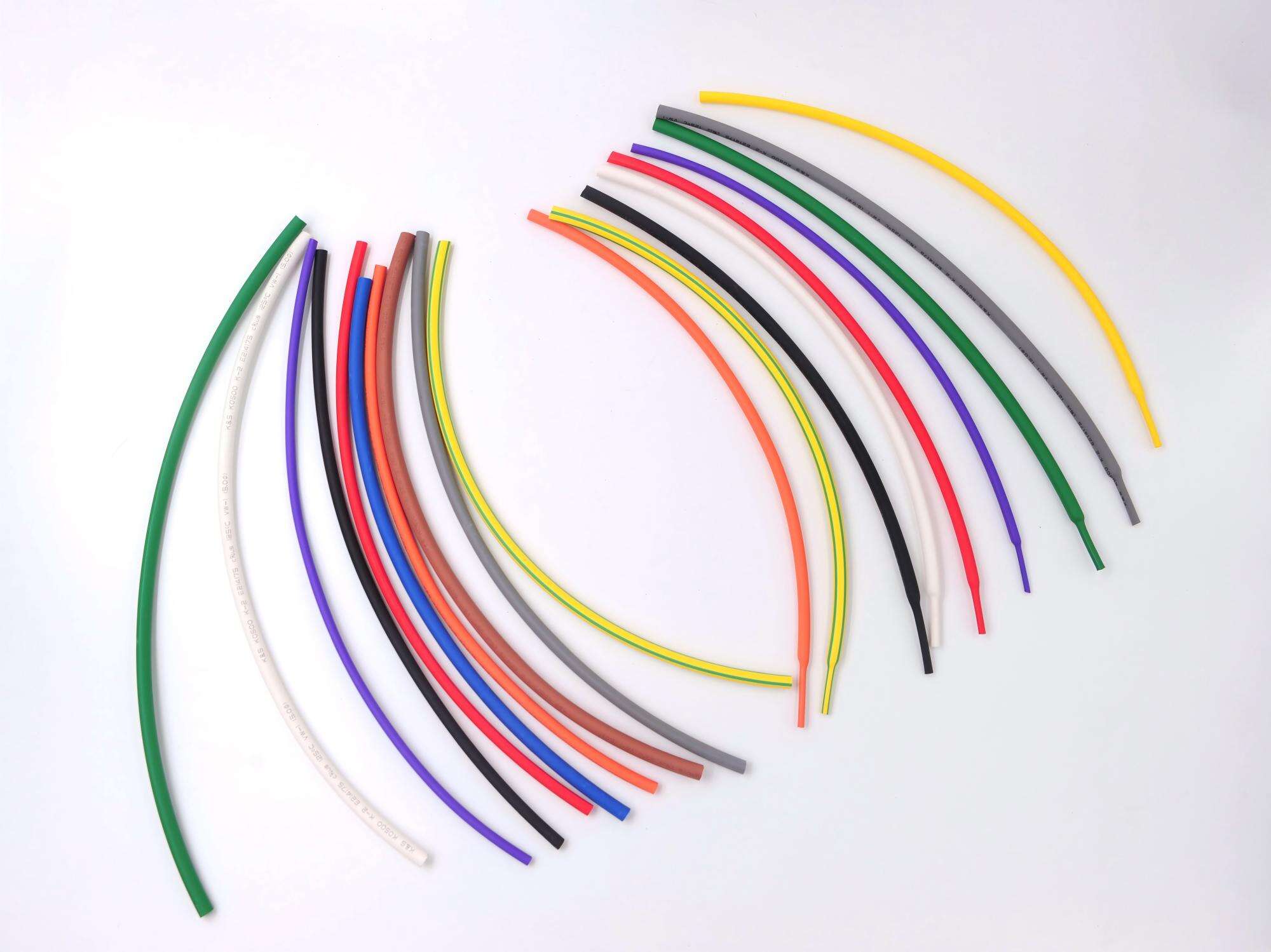
Shrink tubing is a thermoplastic sleeve that contracts tightly around wires, connectors, and terminals when heat is applied, forming a snug, protective layer that conforms precisely to the underlying geometry. Its capacity to improve wiring durability is not limited to a single mechanism. Instead, shrink tubing addresses multiple failure modes simultaneously, making it an indispensable component in professional wiring systems across industrial sectors. Understanding exactly how it achieves this durability improvement helps engineers and procurement specialists make better decisions about material selection and application design.
The Core Mechanisms Behind Durability Enhancement
Physical Protection Against Abrasion and Mechanical Stress
One of the most direct ways shrink tubing improves wiring durability is by providing a robust outer jacket that resists abrasion. In industrial environments, cables routinely contact metal conduit edges, cable trays, moving parts, and rough surfaces. Without protection, insulation degrades through surface wear, eventually exposing conductors and creating short circuit or ground fault risks.
Shrink tubing made from polyolefin and other engineering-grade polymers offers meaningful resistance to this kind of wear. The sleeve absorbs surface contact and distributes mechanical stress away from the original wire insulation. Over time, this preserves the structural integrity of the conductor assembly and delays the onset of insulation breakdown that would otherwise require costly rewiring or unplanned downtime.
In applications where cables pass through bulkheads, grommets, or routing channels, shrink tubing also acts as a strain relief element. It stiffens the entry point of a wire bundle just enough to prevent repeated flexing from concentrating at one spot, which is the typical initiation point for fatigue cracking in both conductors and insulation jackets.
Environmental Sealing and Moisture Resistance
Moisture is one of the most persistent enemies of industrial wiring. Water and humidity enter through connector interfaces, cable jacket defects, and anywhere insulation has been compromised. Once inside a connection, moisture accelerates oxidation, promotes galvanic corrosion at dissimilar metal joints, and reduces insulation resistance to the point where leakage current becomes a reliability concern.
Shrink tubing creates a physical barrier that slows or entirely prevents moisture ingress at vulnerable points. Dual-wall shrink tubing variants include an inner adhesive lining that melts and flows during the heat-shrink process, filling micro-gaps around connectors, terminals, and splice joints. This forms a near-hermetic seal that is particularly valuable in outdoor installations, food processing facilities, marine wiring, and underground cable systems.
Even single-wall shrink tubing without adhesive significantly reduces the surface area through which humidity can diffuse into a cable assembly. The tight conformance achieved after shrinkage eliminates air pockets and loose-fitting sections where condensation would otherwise collect. For industrial systems where long intervals between maintenance inspections are the norm, this level of passive environmental protection directly translates to improved long-term durability.
Thermal Performance and Chemical Resistance
How Shrink Tubing Handles Elevated Operating Temperatures
Industrial wiring systems frequently operate at elevated temperatures due to high current loads, proximity to heat sources, or enclosed installation environments. Standard wire insulation may soften, deform, or develop surface tackiness under sustained heat, compromising both its protective function and its dielectric properties. Shrink tubing, particularly polyolefin-based grades, is designed to maintain dimensional stability and electrical insulation performance across a wide temperature range.
Polyolefin shrink tubing typically maintains reliable performance from below freezing temperatures to well above 100 degrees Celsius depending on the specific formulation. This thermal stability means the sleeve does not become brittle in cold storage environments and does not soften or flow in hot engine bays or near industrial heating equipment. The consistent mechanical properties across this range are a key reason why shrink tubing is specified in automotive, aerospace, and heavy industrial wiring systems.
It is worth noting that shrink tubing also provides a degree of thermal insulation for the underlying wire. While it is not a primary heat management solution, the additional polymer layer moderates the rate of temperature change experienced by the wire insulation, which reduces thermal cycling fatigue in applications where temperatures rise and fall repeatedly over the system lifetime.
Resistance to Oils, Fuels, and Industrial Chemicals
Many industrial environments expose wiring to hydraulic fluid, lubricating oils, cleaning solvents, and process chemicals. These substances attack standard wire insulation through swelling, plasticizer extraction, and surface degradation. Once insulation integrity is compromised, the electrical risks compound rapidly.
Shrink tubing formulated from polyolefin and specialty polymers offers meaningful resistance to a broad spectrum of these chemicals. The cross-linked polymer structure resists absorption and swelling when exposed to petroleum-based fluids, and it maintains surface integrity when contacted by common industrial cleaning agents. This chemical resistance extends the effective service life of wiring harnesses installed in environments that would otherwise demand frequent inspection and replacement cycles.
In applications such as manufacturing floor wiring, machine tool cable management, and automotive underhood assemblies, the combination of abrasion resistance and chemical resistance delivered by shrink tubing represents a compounding durability benefit. Each failure mode that shrink tubing addresses reduces the probability of early-life wiring failures and the associated labor costs of remediation.
Electrical Integrity and Connection Reliability
Insulation and Dielectric Strengthening at Splice Points
Splice joints and terminal connections are consistently the weakest points in any wiring system from a durability standpoint. These locations involve transitions between different materials, geometric discontinuities, and areas where the original factory insulation has been intentionally removed. If left unprotected or poorly finished, they become preferential sites for moisture ingress, mechanical damage, and electrical failure.
Shrink tubing provides a uniform, continuous insulation layer over splice joints that restores the dielectric strength of the cable assembly to a level comparable to the original wire insulation. The precisely recovered diameter of the sleeve after heat application ensures intimate contact with the splice geometry, leaving no voids where contamination could accumulate. This is significantly more reliable than tape wrapping, which loosens over time and allows moisture wicking along the tape overlap lines.
From a long-term reliability standpoint, the durability improvement at splice points is one of the most measurable contributions of shrink tubing to overall system performance. Properly sleeved splices resist environmental and mechanical degradation far longer than unprotected or tape-wrapped joints, which directly reduces the failure rate of wiring systems over their intended service life.
Vibration and Flex Fatigue Reduction
Vibration is a persistent durability challenge in industrial and automotive wiring. Cables attached to engines, compressors, pumps, and rotating machinery experience continuous micro-movement that induces fatigue cracking in conductors and insulation. The failure typically initiates at points of restraint or geometric change, where repeated bending stress concentrates.
Shrink tubing applied over these critical areas modifies the local bending stiffness of the cable assembly. By distributing the flex radius over a longer length rather than allowing it to concentrate at a single point, the sleeve reduces the peak strain seen by the conductor on each vibration cycle. This fatigue life extension is especially significant in high-cycle applications where the cumulative damage from millions of small deflections would otherwise cause premature conductor breakage.
The wall thickness and polymer stiffness of the shrink tubing can be selected to match the specific vibration characteristics of the installation. Thicker-walled tubing provides more substantial strain relief but also adds stiffness that may be undesirable in highly flexible routing. Matching the shrink tubing specification to the application requirements is therefore an important step in realizing the full durability benefit.
Application Versatility and Long-Term Maintenance Value
Wide Applicability Across Industrial Sectors
One of the practical strengths of shrink tubing as a durability solution is that it applies across an exceptionally wide range of industrial sectors and wiring scenarios. From compact sensor cables in automated production lines to large-diameter power cables in substations, the available range of shrink tubing diameters, wall thicknesses, and polymer formulations allows the same fundamental protective strategy to be applied consistently.
In the automotive sector, shrink tubing protects wiring harnesses in underhood and underbody locations where heat, vibration, and fluid exposure are constant. In marine and offshore applications, it provides the moisture and corrosion protection needed in salt-laden environments. In food and beverage processing, it creates smooth, cleanable surfaces over connections that must withstand frequent washdowns with hot water and caustic cleaning solutions.
This versatility means that specifying shrink tubing as a standard element of an industrial wiring design provides consistent durability benefits without requiring different protective strategies for different environments. Standardization itself is a durability asset because it reduces the probability of incorrect material selection and simplifies maintenance procedures.
Reducing Long-Term Maintenance Burden
The durability improvements delivered by shrink tubing translate directly into reduced maintenance frequency and lower lifecycle costs for industrial wiring systems. When wiring connections are properly protected at installation, the intervals between necessary inspection and remediation extend significantly. This is particularly valuable in installations that are difficult or expensive to access, such as underground cabling, inside sealed enclosures, or on equipment that requires extended downtime to service.
Wiring systems that rely on shrink tubing at all critical points also tend to exhibit more predictable failure patterns. Rather than experiencing random, environmentally driven failures at unprotected locations throughout a harness, properly sleeved systems typically fail at the end of their designed service life through gradual, detectable degradation rather than sudden catastrophic events. This predictability supports planned maintenance strategies and reduces the operational risk of unexpected wiring failures.
From a total cost perspective, the material cost of shrink tubing is minimal relative to the labor and downtime costs associated with rewiring or repairing degraded industrial connections. Investing in quality shrink tubing during initial installation is consistently one of the most cost-effective durability measures available to industrial wiring designers and maintenance engineers alike.
FAQ
What types of shrink tubing are best suited for high-temperature industrial environments?
Polyolefin shrink tubing with cross-linked polymer formulations is the most widely specified option for high-temperature industrial environments. These materials maintain mechanical and dielectric properties at sustained operating temperatures significantly above what standard insulation can tolerate. For the most demanding thermal environments, specialty grades using fluoropolymer or elastomeric materials are available, though polyolefin remains the practical standard for the majority of industrial wiring applications.
Does shrink tubing provide effective protection against chemical exposure in manufacturing environments?
Yes, polyolefin-based shrink tubing offers solid resistance to petroleum-based fluids, hydraulic oils, and many common industrial solvents and cleaning agents. The cross-linked polymer structure resists swelling and surface degradation from these substances. For environments with aggressive chemical exposure, it is important to match the specific shrink tubing formulation to the chemicals present, as no single material is universally resistant to all industrial chemicals.
How does shrink tubing compare to tape wrapping for protecting wiring splices?
Shrink tubing provides a substantially more durable and reliable result than tape wrapping for splice protection. Tape tends to loosen over time due to temperature cycling, vibration, and adhesive degradation, which allows moisture wicking and mechanical loosening at the splice interface. Shrink tubing, once recovered, maintains a consistent, intimate fit over the splice geometry without relying on adhesive or overlap tension. This makes it the preferred choice for industrial splices where long-term reliability is a requirement.
Can shrink tubing be applied during field repairs as well as original assembly?
Shrink tubing is well suited to field repair applications, which is one reason it is a standard item in industrial maintenance toolkits. Pre-cut lengths can be slid over the repair area and recovered using a heat gun. The main practical consideration in field repairs is ensuring that the tubing is positioned before any connectors or terminals are attached that would prevent it from sliding into place. For retrofitting protection onto existing connections where removal is impractical, split-seam shrink products are available as an alternative approach.
Table of Contents
- The Core Mechanisms Behind Durability Enhancement
- Thermal Performance and Chemical Resistance
- Electrical Integrity and Connection Reliability
- Application Versatility and Long-Term Maintenance Value
-
FAQ
- What types of shrink tubing are best suited for high-temperature industrial environments?
- Does shrink tubing provide effective protection against chemical exposure in manufacturing environments?
- How does shrink tubing compare to tape wrapping for protecting wiring splices?
- Can shrink tubing be applied during field repairs as well as original assembly?