
 EN
EN



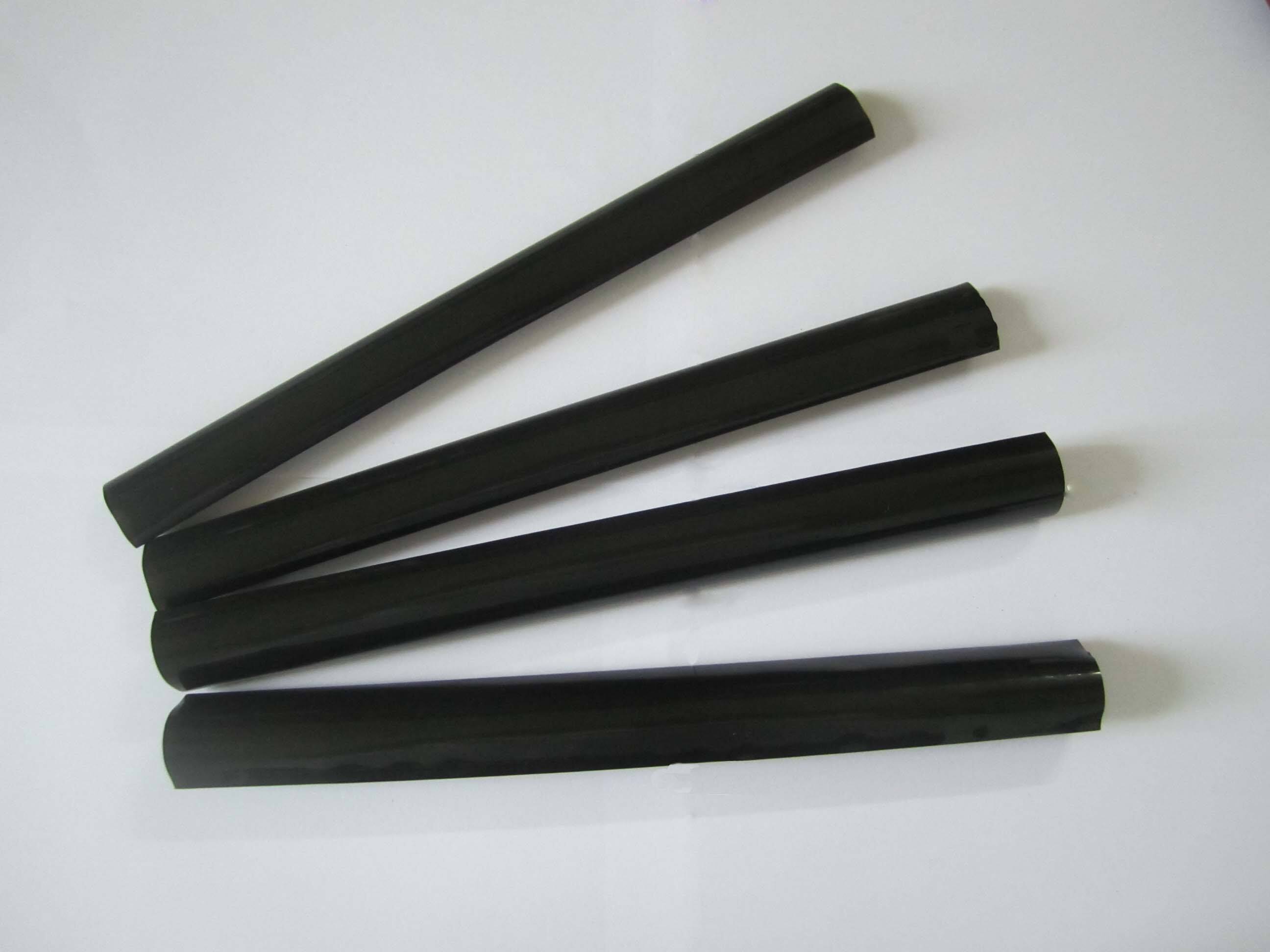
When a large-scale project calls for reliable electrical insulation, mechanical protection, and durable bundling across thousands of components, the logistics and supply chain behind shrink tubing become just as critical as the material itself. Engineers and procurement specialists managing infrastructure builds, industrial automation systems, automotive assemblies, or aerospace wiring harnesses understand that sourcing shrink tubing at scale is a fundamentally different challenge than placing a small workshop order. Volume, consistency, lead times, custom specifications, and supplier flexibility all come into play when the scope of a project demands hundreds of meters—or even kilometers—of precision-grade tubing.
Understanding how suppliers structure their services, production capabilities, and logistics workflows for large-scale orders gives procurement teams a decisive advantage. The process involves far more than simply ordering a higher quantity. Suppliers capable of supporting major projects typically offer customized formulations, coordinated delivery schedules, quality documentation, and technical support that smaller vendors simply cannot match. This article examines every layer of how professional shrink tubing suppliers approach large-scale project fulfillment—from production planning and material selection to delivery management and post-order support.
Production Capacity and Material Readiness for High-Volume Orders
Manufacturing Infrastructure Behind Bulk Shrink Tubing Supply
Suppliers servicing large-scale projects invest heavily in manufacturing infrastructure capable of sustaining high output without compromising tolerances. Shrink tubing produced for industrial or commercial projects must meet precise dimensional specifications, consistent wall thickness, and uniform shrink ratios across every batch. A supplier with dedicated extrusion lines, cross-linking chambers, and quality control checkpoints can maintain this consistency even at volumes that stress standard production workflows.
For polyolefin-based shrink tubing—one of the most widely used materials in large industrial applications—the extrusion and radiation cross-linking process must be tightly controlled. Any deviation in the cross-linking energy applied during production can affect the tubing's recovery ratio, tensile strength, and long-term thermal resistance. High-volume suppliers invest in calibrated equipment and batch-testing protocols to ensure that every spool delivered to a project site performs identically to the approved sample.
In addition to raw manufacturing capacity, leading suppliers maintain buffer stock of common sizes and formulations. This inventory strategy allows them to begin partial fulfillment immediately while custom production runs continue. For time-sensitive projects, this combination of pre-stocked inventory and active production is often the difference between staying on schedule and facing costly delays.
Material Selection Aligned with Project Specifications
Large-scale projects rarely accept a generic approach to material selection. Suppliers providing shrink tubing for demanding applications must offer a range of base materials—polyolefin, fluoropolymer, elastomeric, or dual-wall adhesive-lined variants—each suited to specific environmental and mechanical conditions. A mining facility, for instance, may require shrink tubing with enhanced chemical resistance and UV stability, while a data center installation may prioritize flame-retardant and low-smoke materials.
Professional suppliers work with project engineers during the specification phase to identify the right material profile. This collaboration includes reviewing operating temperature ranges, exposure to fluids or chemicals, abrasion risk, voltage requirements, and agency certifications needed. By aligning material selection at the outset, suppliers reduce the risk of rework, returns, or performance failures once installation begins. The shrink tubing used in large projects must be vetted not just for mechanical fit, but for its ability to perform consistently under the real-world conditions specific to each deployment environment.
Suppliers who stock a broad range of diameter sizes—from sub-millimeter to several hundred millimeters—also simplify the procurement process. When a single supplier can fulfill the full diameter range required by a complex wiring system, it reduces vendor fragmentation, simplifies quality auditing, and streamlines logistics coordination across the project lifecycle.
Custom Specifications and Engineering Support
Tailoring Shrink Tubing Dimensions and Properties to Project Needs
One of the most significant advantages that large-scale suppliers offer is the ability to produce shrink tubing to custom dimensions. Standard catalog sizes cover many common applications, but complex projects—particularly in aerospace, defense, automotive OEM, and utility infrastructure—often require specific inner diameters, wall thicknesses, shrink ratios, or color coding that falls outside standard production ranges. Reputable suppliers maintain the tooling flexibility to produce custom dies and extrusion profiles upon request.
Custom shrink tubing orders for large projects typically involve a formal specification submission process. The procurement or engineering team provides detailed drawings or test standards, and the supplier's engineering department reviews them for manufacturability. This process may include prototype runs and third-party testing before full production is approved. While this adds lead time compared to off-the-shelf orders, it ensures that every unit of shrink tubing installed in the field meets the exacting requirements of the application.
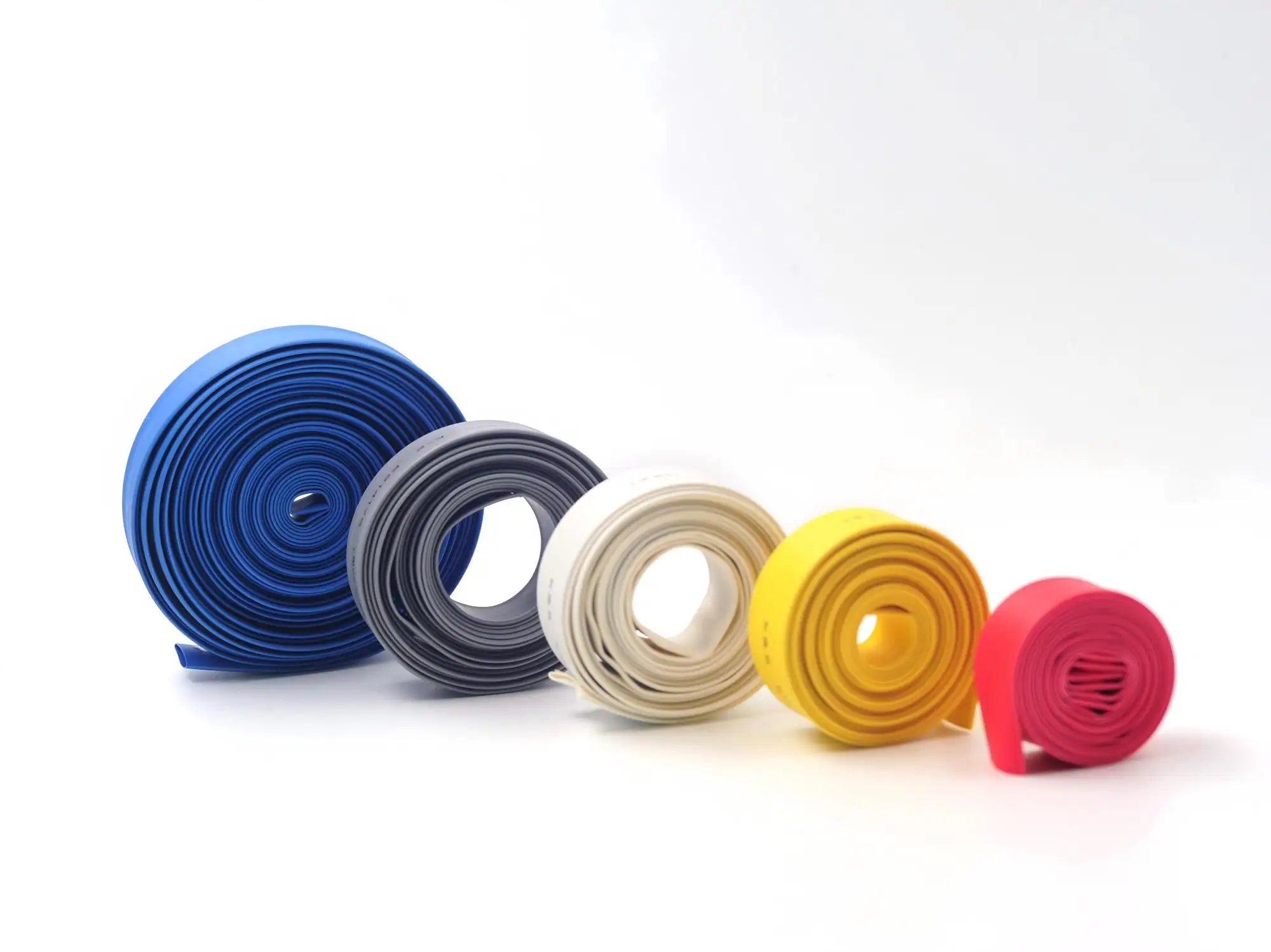
Color coding is another dimension of customization that carries real operational value in large installations. Projects involving multiple cable types, voltage levels, or system zones benefit from using distinctly colored shrink tubing to aid identification and reduce wiring errors during installation and maintenance. Suppliers with pigment compounding capabilities can produce custom color runs alongside standard production without contaminating existing material lines.
Technical Consultation and Application Engineering
Beyond material production, experienced shrink tubing suppliers contribute engineering knowledge that directly improves project outcomes. Technical consultants at the supplier level can advise on selection criteria, installation tooling, heat gun specifications, and common failure modes to avoid. This applied expertise is especially valuable in projects where technicians may be installing shrink tubing in unconventional orientations, confined spaces, or environments with limited heat control.
Application engineering support also extends to helping project teams evaluate competing material options using objective performance data. Datasheets, test reports, and material certifications provided by qualified suppliers allow procurement engineers to make decisions based on verified performance rather than marketing claims. For projects subject to regulatory or client-imposed standards, this documentation plays a crucial role in inspection readiness and compliance verification.
Suppliers who embed technical support as a standard service—rather than an add-on—create long-term value for large project clients. The relationship becomes consultative rather than purely transactional, which is critical when project conditions change mid-execution and rapid technical guidance is needed to adapt the shrink tubing strategy without disrupting the schedule.
Logistics, Packaging, and Delivery Coordination at Scale
Structured Delivery Schedules Aligned with Project Phases
Large-scale construction or manufacturing projects rarely require all materials delivered in a single shipment. Instead, delivery of shrink tubing and other consumable materials must align with project phases, installation sequences, and site storage capacity. Professional suppliers understand this operational reality and offer phased delivery programs—also called scheduled release orders or blanket purchase orders—that spread shipments across defined milestones.
This approach provides several benefits for the project team. It reduces on-site inventory accumulation and the associated risk of damage or loss. It also allows the project procurement team to reconcile delivered quantities against installation progress, catching discrepancies early. For suppliers, phased delivery programs allow better production planning and warehouse utilization, which often translates to more competitive pricing on high-volume shrink tubing orders.
Logistics coordination for large projects may also involve direct delivery to multiple installation sites. In infrastructure projects spanning large geographical areas—such as power grid upgrades or pipeline instrumentation—shrink tubing must reach different work crews at different locations according to separate schedules. Suppliers with established freight partnerships and warehouse distribution networks can manage these multi-site deliveries with minimal administrative burden on the project team.
Packaging Solutions Designed for Large-Volume Handling
The packaging format of shrink tubing matters considerably when large quantities are in use. Retail-style packaging optimized for shelf display is impractical in a bulk industrial context. High-volume suppliers offer shrink tubing in bulk spools, continuous reels, or pre-cut sticks packaged for efficient dispensing on production lines or installation sites. The right packaging format reduces material handling time, minimizes waste from miscut lengths, and improves worker efficiency during installation.
For projects where traceability is required—such as aerospace component assembly or nuclear facility maintenance—suppliers may offer special labeling on packaging that includes batch numbers, production dates, and testing certifications. This allows the project quality team to correlate installed shrink tubing with production records, supporting audit trails and regulatory documentation requirements. Well-structured packaging also reduces the risk of mixing materials from different batches, which can create subtle performance inconsistencies that are difficult to diagnose after installation.
Environmental packaging considerations are increasingly relevant for large industrial projects. Suppliers attuned to sustainability goals can provide shrink tubing in reduced-plastic packaging, recyclable reel cores, or with consolidated packaging that minimizes per-unit material usage. While this may seem like a secondary concern compared to technical performance, it aligns with the corporate sustainability commitments of major infrastructure developers and OEM clients.
Quality Assurance and Compliance Documentation
Testing Protocols and Certification Standards
Quality assurance is non-negotiable when shrink tubing is installed in critical applications across a large project. Suppliers capable of servicing major projects operate under recognized quality management systems and conduct systematic testing at multiple production stages. Incoming raw material inspection, in-process dimensional checks, post-extrusion shrink ratio testing, and final mechanical property verification are all standard elements of a rigorous QA workflow.
Certifications relevant to shrink tubing in industrial and commercial applications may include RoHS compliance, UL recognition, IEC testing standards, MIL-spec conformance, or flame-spread classifications such as UL 224. Large project clients often specify which certifications are mandatory, and suppliers must demonstrate ongoing compliance rather than relying on one-time historical test results. Annual renewal, third-party audits, and continuous production monitoring are hallmarks of suppliers whose quality systems are genuinely robust.
For international projects, import documentation and country-specific regulatory compliance add another layer of complexity. Suppliers with global experience understand how to prepare the documentation required for customs clearance, material origin declarations, and regional environmental compliance—ensuring that shrink tubing shipments clear borders without delays that could disrupt the project timeline.
Batch Traceability and Inspection Report Delivery
Traceability systems allow project quality teams to identify and isolate specific production batches if a performance concern emerges post-installation. A supplier with full batch traceability can quickly retrieve the production record for any spool of shrink tubing and confirm the exact raw material lot, processing parameters, and test results associated with that batch. This capability is especially important in safety-critical projects where material failures could have significant consequences.
Certificate of conformance (CoC) and certificate of test (CoT) documentation are typically required by large project clients and their end customers. These documents confirm that the shrink tubing supplied meets the specifications agreed upon at the time of order. Suppliers who generate these documents from genuine production data—rather than issuing generic paperwork—provide a measurable level of assurance that supports project sign-off and handover requirements.
Inspection report delivery can be structured as part of each shipment or maintained in a digital supplier portal accessible to the project quality team. Modern supplier portals that allow real-time access to quality documentation reduce the administrative back-and-forth that has historically consumed significant project management time. For recurring large-scale projects, this digital infrastructure represents a meaningful efficiency gain in the overall procurement workflow.
Pricing Structures and Long-Term Supply Agreements
Volume Pricing Models for Large Project Procurement
Pricing for shrink tubing at project scale differs substantially from retail or spot-buy pricing. Suppliers serving large projects typically offer tiered pricing structures where the per-unit cost decreases as committed volume increases. This incentive aligns supplier production planning with the buyer's cost reduction goals, and it creates a mutual interest in making the supply relationship work smoothly over the duration of the project.
Fixed-price agreements for extended project durations protect the project budget from raw material price fluctuations. Polyolefin resins and cross-linking agents—the primary inputs in standard shrink tubing production—are subject to petrochemical market movements. Suppliers willing to lock in pricing for the project term carry some of that market risk, which they manage through forward purchasing and supply chain hedging. For project teams working within fixed budgets, this price stability is a significant procurement advantage.
Transparent cost breakdowns also allow engineering and procurement teams to make informed decisions about specification trade-offs. If a premium-grade shrink tubing formulation adds ten percent to material cost but eliminates a secondary protection layer, the net project economics may favor the upgrade. Suppliers who present pricing in a structured, auditable format support this kind of value engineering conversation rather than treating pricing as a black box.
Framework Agreements and Preferred Supplier Relationships
Large-scale project clients often establish framework agreements—also called master supply agreements—with qualified shrink tubing suppliers. These agreements define pricing structures, quality standards, lead times, delivery formats, and dispute resolution procedures for an extended period, often covering multiple project phases or an entire multi-year program. The framework eliminates repetitive tender processes and allows both parties to invest in a productive, knowledge-rich supply relationship.
Preferred supplier status also enables the supplier to better allocate production capacity for the client. When a supplier knows that a client will consume a defined minimum volume of shrink tubing over a set period, they can plan production runs more efficiently, maintain appropriate raw material inventory, and prioritize technical support resources accordingly. This coordination ultimately results in more reliable supply performance than a transactional purchasing approach could achieve.
As procurement functions in major organizations continue to mature, the shift from reactive spot buying toward strategic supplier partnerships for materials like shrink tubing reflects a broader understanding that supply chain quality directly determines project outcome quality. The supplier relationship is an asset to be managed, not just a cost to be minimized.
FAQ
What quantities of shrink tubing can suppliers typically support for large projects?
Established industrial suppliers can fulfill orders ranging from hundreds to tens of thousands of meters of shrink tubing, depending on diameter and formulation. Many maintain standing inventory for common sizes and can produce custom specifications in dedicated production runs. The key is to communicate the full project volume and delivery timeline early in the procurement process so the supplier can allocate production capacity appropriately.
How do suppliers ensure consistency across multiple production batches of shrink tubing?
Reputable suppliers use standardized raw material sourcing, calibrated extrusion and cross-linking equipment, and systematic in-process quality checks to maintain dimensional and mechanical consistency across batches. Each batch of shrink tubing is tested against the same specification before release, and batch traceability records allow any deviation to be identified and investigated. Requesting test certificates with each delivery is a standard practice that supports batch-to-batch quality verification.
Can suppliers provide shrink tubing with custom colors or markings for large installations?
Yes, most industrial shrink tubing suppliers offer custom color options and can incorporate printed markings, logos, or sequential numbering for traceability purposes. Custom color runs are typically subject to minimum order quantities and may require an additional lead time for pigment preparation and equipment changeover. These customizations are particularly valuable in complex wiring systems where color coding aids installation accuracy and long-term maintenance efficiency.
What documentation should project teams request from shrink tubing suppliers for compliance purposes?
Project teams should request certificates of conformance, material test reports, applicable certifications such as UL recognition or RoHS compliance declarations, and safety data sheets for each grade of shrink tubing being used. For regulated industries, additional documentation such as material origin declarations or country-specific environmental compliance certificates may be necessary. Establishing documentation requirements upfront—before the order is placed—prevents delays during project inspection and handover phases.
Table of Contents
- Production Capacity and Material Readiness for High-Volume Orders
- Custom Specifications and Engineering Support
- Logistics, Packaging, and Delivery Coordination at Scale
- Quality Assurance and Compliance Documentation
- Pricing Structures and Long-Term Supply Agreements
-
FAQ
- What quantities of shrink tubing can suppliers typically support for large projects?
- How do suppliers ensure consistency across multiple production batches of shrink tubing?
- Can suppliers provide shrink tubing with custom colors or markings for large installations?
- What documentation should project teams request from shrink tubing suppliers for compliance purposes?