
 EN
EN



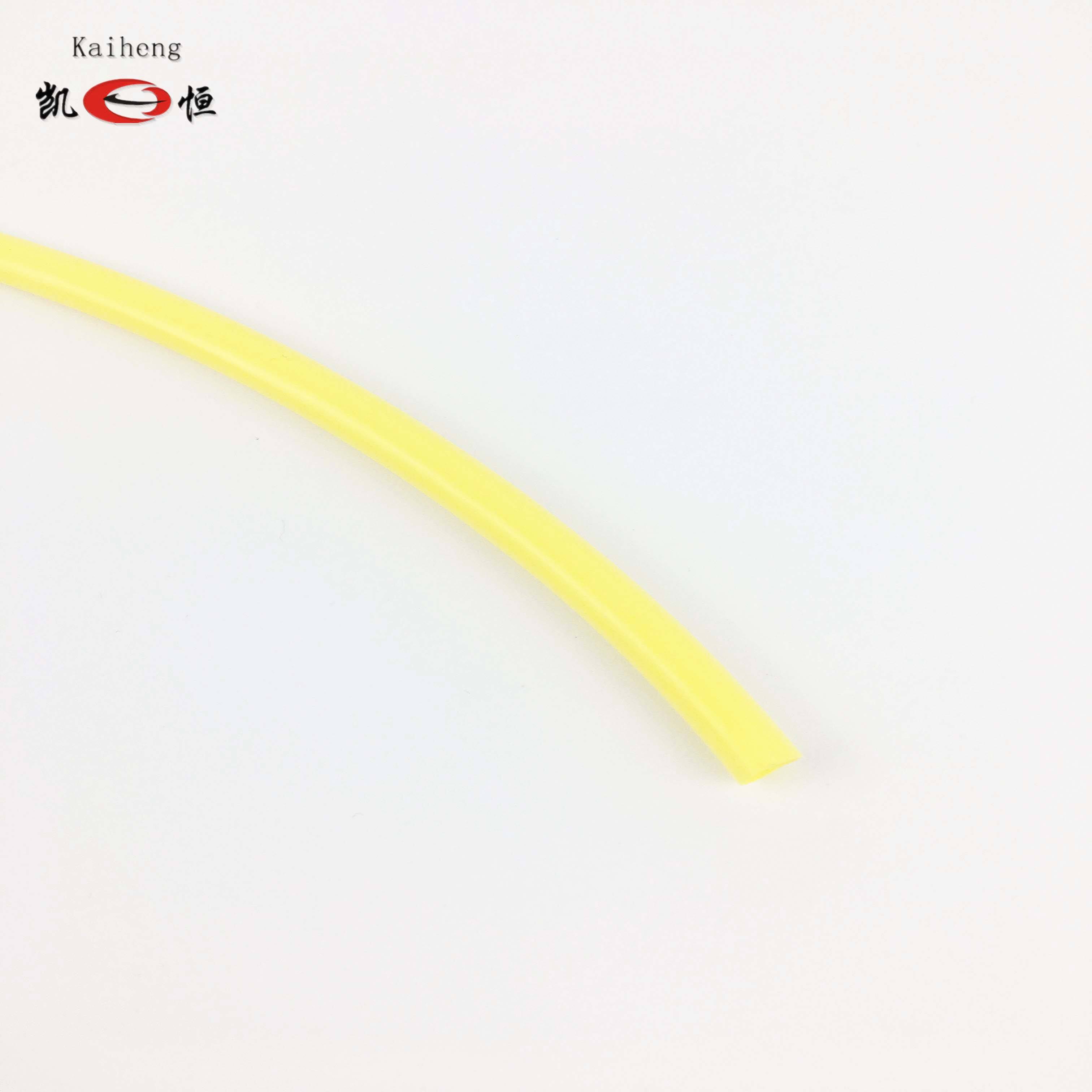
When engineers and technicians approach electrical cable insulation projects, one component consistently proves its value across industries and applications: shrink tubing. This versatile material, typically made from polyolefin or similar thermoplastic compounds, is designed to contract tightly around cables, wires, and connectors when heat is applied. The result is a secure, uniform layer of insulation that protects the underlying conductors from moisture, abrasion, electrical faults, and environmental exposure. Understanding exactly how shrink tubing integrates into cable insulation work helps procurement teams, project managers, and electrical engineers make smarter decisions about materials and installation methods.
Electrical cable insulation is not a single-step process. It involves careful preparation, material selection, and precise application techniques that together determine the long-term reliability of a wiring system. Shrink tubing plays a central role in this workflow, offering a practical solution for insulating splices, terminations, and exposed conductors. Whether the project involves low-voltage control wiring or demanding industrial power cables, shrink tubing delivers consistent performance when it is selected and installed correctly. This article walks through the full picture of how shrink tubing is used throughout electrical cable insulation projects.
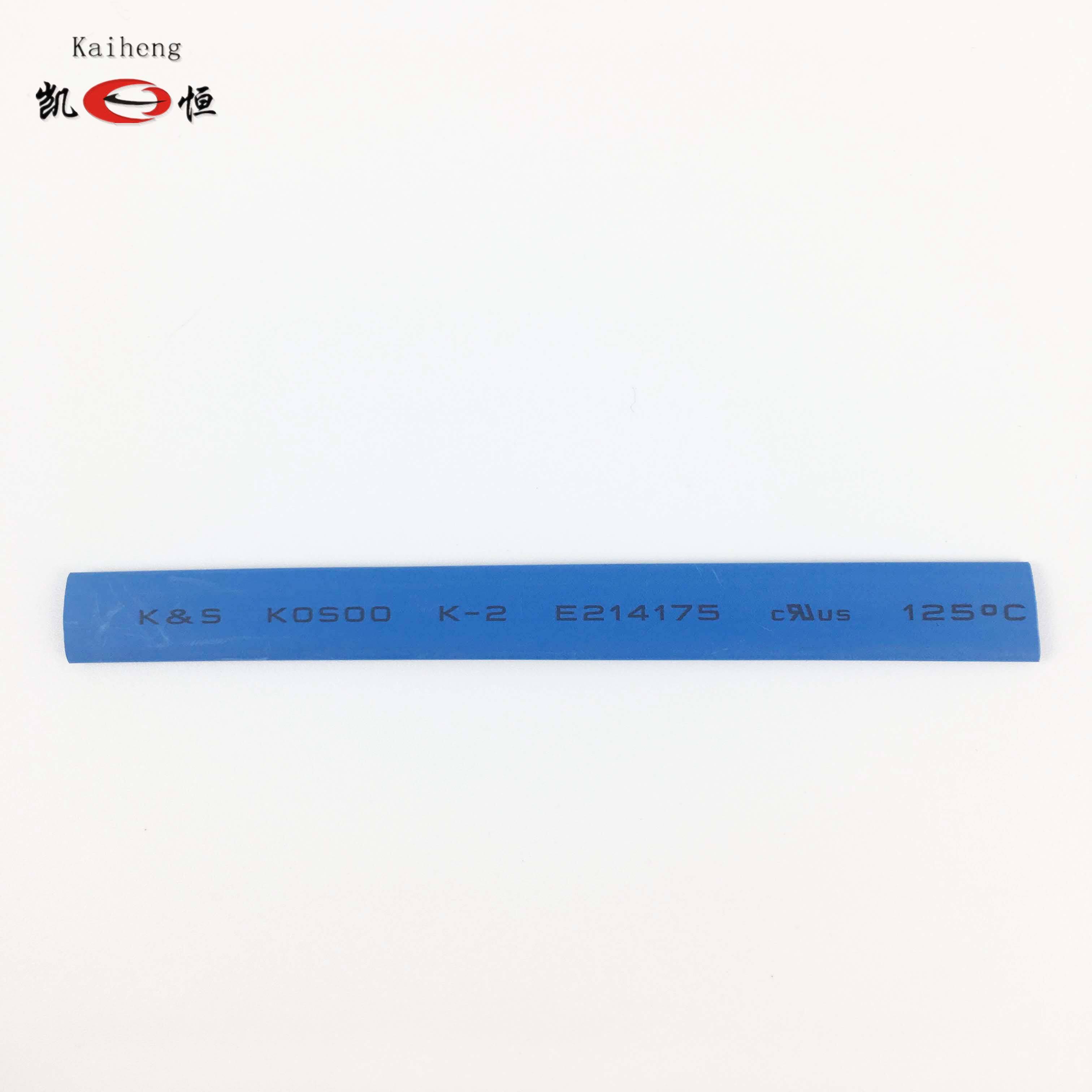
The Fundamental Role of Shrink Tubing in Cable Insulation
Why Insulation Integrity Depends on Proper Sleeving
Every electrical cable carries a risk of failure at its most vulnerable points: joints, terminations, and areas where the outer jacket has been stripped or damaged. These exposed sections invite moisture ingress, short circuits, and mechanical wear. Shrink tubing addresses all of these risks simultaneously by creating a continuous, form-fitting sleeve that conforms precisely to the geometry of the cable or connector beneath it.
The physics behind shrink tubing are straightforward. The tubing is manufactured in an expanded state, held open by cross-linking processes within the polymer structure. Once positioned over the target area and exposed to a heat source such as a heat gun or oven, the material contracts — typically to half or one-third of its original diameter — and grips the substrate tightly. This shrinkage creates a mechanically bonded seal without adhesives, fasteners, or additional tools beyond the heat source itself.
In cable insulation projects, this mechanism means that shrink tubing can restore or enhance the dielectric properties of a cable at any point along its length. Electricians rely on this capability during repair work, field modifications, and original assembly alike. The seamless outer surface it creates reduces the likelihood of current leakage and provides a durable barrier against the chemicals and physical stresses common in industrial environments.
Material Composition and Its Impact on Insulation Performance
Shrink tubing is not a one-material product. Polyolefin is by far the most common base compound used in general electrical cable insulation applications. It offers a reliable balance of flexibility, dielectric strength, chemical resistance, and temperature tolerance. Polyolefin-based shrink tubing typically handles continuous operating temperatures up to around 125 degrees Celsius, making it suitable for most commercial and industrial wiring scenarios.
For more demanding environments, specialty variants using materials such as fluoropolymers or elastomers extend performance envelopes significantly. However, for the vast majority of electrical cable insulation projects involving control systems, automation wiring, and panel assemblies, polyolefin shrink tubing delivers exactly the protection engineers need without over-specifying the material or inflating project costs.
The wall thickness of the tubing also matters. Thin-wall shrink tubing is lightweight and ideal for neat, compact terminations in tight cable trays or junction boxes. Thick-wall variants, sometimes incorporating an inner adhesive lining, provide additional mechanical protection and a fully sealed barrier against moisture and fluid penetration. Selecting the right wall thickness is part of how shrink tubing is matched to the specific demands of each insulation project.
Step-by-Step: How Shrink Tubing Is Applied in Cable Insulation Work
Preparing the Cable Before Sleeve Installation
Proper preparation is the foundation of any successful shrink tubing application. Before the tubing is placed, the cable must be clean, dry, and free of sharp burrs or edges that could puncture the sleeve during shrinkage. In splice insulation work, the joint itself must be completed and mechanically secure before shrink tubing is slid into position. Any contamination — oils, flux residue, or moisture — can compromise the bond between the tubing and the cable surface, particularly when using adhesive-lined variants.
Technicians typically cut the shrink tubing to a length that extends beyond the insulation repair zone on both sides. This overlap ensures that the contracted sleeve makes firm contact with the intact jacket on either end, creating a transition-free seal. The amount of overlap depends on the application, but a general rule of thumb in cable insulation work is to leave at least 6 to 10 millimeters of overlap on each side of the exposed or repaired area.
For multi-conductor cables where individual conductors are being insulated before the bundle is rejoined, each conductor receives its own length of shrink tubing before the splice is made. This pre-positioning technique is essential because once the splice is completed, sliding tubing onto individual conductors becomes impossible. Experienced cable assembly teams build this pre-threading step into their standard workflow from the outset.
Applying Heat Correctly for Uniform Shrinkage
The application of heat is where shrink tubing transitions from a loose sleeve to a precision insulation layer. A hot air gun is the most common tool for this process in field and workshop settings. The technician moves the heat source in a steady, sweeping motion from the center of the tubing outward toward the ends, or from one end to the other in a consistent pass. This technique prevents air from being trapped beneath the tubing, which would create bubbles or uneven shrinkage.
Temperature control matters. Most polyolefin shrink tubing requires heat in the range of 90 to 120 degrees Celsius to activate the shrinkage process fully. Applying too little heat results in incomplete contraction and loose, ineffective insulation. Applying excessive heat risks burning the tubing, degrading the material, or damaging heat-sensitive components nearby. In precision applications involving sensitive electronics or connectors, infrared heat guns or temperature-controlled ovens are preferred over open-flame torches.
Visual inspection during and after shrinkage confirms success. A properly shrunk sleeve shows uniform contact across its entire length, with no wrinkles, bubbles, or lifted edges. The ends should feather smoothly onto the cable jacket without gaps. For adhesive-lined shrink tubing, a small bead of adhesive visible at each end of the sleeve confirms that the inner layer has fully melted and sealed the interface between tubing and cable.
Key Applications of Shrink Tubing Across Cable Insulation Projects
Splice Insulation and Joint Protection
One of the most critical uses of shrink tubing in electrical cable work is insulating wire splices. When two conductors are joined — whether by soldering, crimping, or mechanical connectors — the connection point becomes a vulnerable node in the circuit. Bare metal at a splice can cause arcing, short circuits, or corrosion failures. Shrink tubing restores the full insulation profile of the cable at that point, matching or exceeding the dielectric properties of the original jacket material.
In low-voltage control wiring, individual conductor splices are routinely insulated using small-diameter shrink tubing before the multi-conductor bundle is reassembled. In higher-voltage power cable work, larger-diameter tubing with greater wall thickness is used over crimped lugs and connector barrels. Both scenarios rely on the same shrink tubing principle: a heat-activated contraction that produces a tight, reliable insulation layer without mechanical fasteners or messy tapes.
Shrink tubing used in splice applications must be selected with the right shrink ratio to account for the increased diameter at the joint. A 2:1 shrink ratio — meaning the tubing contracts to half its original diameter — is standard for most wire insulation work. For large crimped joints or irregular geometries, a 3:1 or 4:1 ratio product ensures that the tubing can bridge the size difference between the cable body and the connection point without leaving loose material at either end.
Terminal and Connector Insulation
Cable terminations are another high-priority area where shrink tubing delivers measurable insulation value. At the point where a cable meets a terminal block, connector, or piece of equipment, the transition zone between the cable jacket and the bare conductor or terminal is mechanically stressed and electrically exposed. Shrink tubing applied over this zone protects against accidental contact, vibration-induced wear, and contamination from dust or fluids.
Pre-made shrink boots and molded pieces are available for standardized connector types, but for custom assemblies or field repairs, straight shrink tubing cut to length provides equivalent protection with greater flexibility. Many panel builders and harness manufacturers apply shrink tubing over every terminal in their assemblies as a standard quality measure, regardless of whether the installation environment demands it. This practice reflects how shrink tubing has become a baseline expectation in professional cable insulation work.
Adhesive-lined shrink tubing is especially useful at terminations where the cable will experience repeated flexing or exposure to moisture. The hot-melt adhesive inner layer bonds to both the cable jacket and the metal terminal or connector body, creating a mechanical anchor that resists pull-out forces and prevents water migration along the cable axis. This sealed interface is critical in outdoor installations, marine environments, and any location where condensation is a consistent concern.
Selecting the Right Shrink Tubing for Different Insulation Scenarios
Matching Diameter and Shrink Ratio to the Cable Profile
Choosing the correct shrink tubing diameter is the first practical decision in any cable insulation project. The tubing must be large enough in its expanded state to slide freely over the cable, connector, or splice, but small enough after shrinking to make firm, uniform contact without excess material. Most manufacturers provide sizing charts that map the supplied diameter to the effective post-shrink diameter range, making it straightforward to select tubing that fits the intended application.
A common sizing error is selecting tubing that is marginally too large, assuming that a tighter shrink will compensate. When the tubing diameter is too far from the target cable diameter, the resulting insulation layer may wrinkle or leave gaps at the transition zones, reducing the protective value significantly. For critical insulation applications, it is worth ordering a sample and testing fit before committing to large quantities.
The shrink ratio selection — 2:1, 3:1, or 4:1 — depends on the variation in diameter across the area being insulated. Standard wire insulation work with uniform cables typically only requires a 2:1 product. Applications where shrink tubing must bridge a step change in diameter, such as from a cable to a large connector, benefit from the added flexibility of higher-ratio products. This diameter management is a key part of how shrink tubing is engineered to serve diverse cable insulation scenarios without requiring custom tooling or complex procedures.
Environmental Ratings and Long-Term Performance Considerations
Shrink tubing selected for electrical cable insulation projects must match the environmental demands of the installation. Temperature cycling, UV exposure, chemical splash, and mechanical abrasion all influence which material formulation is appropriate. Polyolefin shrink tubing with UV stabilizers is available for outdoor wiring applications, while standard grades without stabilizers are fully adequate for indoor panel wiring and enclosed cable trays.
Flame retardancy is another specification that cable insulation projects in commercial buildings and industrial facilities often require. Flame-retardant polyolefin shrink tubing carries ratings such as UL 224 or equivalent international standards, confirming that the material meets defined fire resistance criteria. Specifying flame-retardant shrink tubing where codes mandate it is not optional — it is a fundamental part of compliant cable insulation design.
Long-term chemical resistance is particularly relevant in manufacturing environments where oils, solvents, or cleaning agents contact wiring regularly. Standard polyolefin shrink tubing handles most mild chemical exposures well, but for harsher chemical environments, reviewing the material's chemical resistance data is essential before finalizing the insulation specification. Getting this selection right at the project planning stage prevents premature insulation failure and costly rework later.
FAQ
What sizes of shrink tubing are typically used for electrical cable insulation projects?
Shrink tubing is available in a wide range of inner diameters, from less than 1 millimeter for fine instrument wiring up to several centimeters for large power cable terminations. The most commonly used sizes in general electrical cable insulation work fall between 1.5 millimeters and 25 millimeters in supplied diameter. Selecting the right size requires knowing both the maximum diameter of the area to be covered and the minimum diameter after shrinkage, then matching these measurements to the product's stated shrink range.
Can shrink tubing be used as the primary insulation on a bare conductor?
Yes, shrink tubing can serve as the primary insulation on bare conductors, provided the tubing selected has an adequate voltage rating for the circuit in question. Many standard polyolefin shrink tubing products carry voltage ratings of 600 volts or higher, which covers the majority of low-voltage cable insulation applications. For higher-voltage work, it is important to verify that the wall thickness and dielectric strength of the chosen product match the system voltage and applicable wiring standards before use.
How does adhesive-lined shrink tubing differ from standard shrink tubing in cable insulation applications?
Adhesive-lined shrink tubing incorporates a thermoplastic adhesive layer on its inner wall that melts and flows during the heat shrinking process, bonding the tubing to the cable or connector surface. This creates a fully sealed, waterproof interface that standard shrink tubing without adhesive does not provide. In cable insulation projects exposed to moisture, vibration, or fluid ingress, adhesive-lined shrink tubing offers significantly greater environmental protection and mechanical retention than the non-adhesive alternative.
Does the color of shrink tubing affect its performance in electrical cable insulation work?
Color does not affect the electrical insulation performance of shrink tubing. However, color plays an important functional role in cable insulation projects because it allows technicians to use color coding as a visual identification system for conductors, phases, voltage levels, or circuit functions. Standard color conventions — such as black for general use, red and black for DC positive and negative, or the phase colors required by regional wiring regulations — help maintenance teams quickly identify circuits without tracing wires manually. Selecting colored shrink tubing for organization purposes is a widely practiced and professionally recommended approach in structured cable insulation work.
Table of Contents
- The Fundamental Role of Shrink Tubing in Cable Insulation
- Step-by-Step: How Shrink Tubing Is Applied in Cable Insulation Work
- Key Applications of Shrink Tubing Across Cable Insulation Projects
- Selecting the Right Shrink Tubing for Different Insulation Scenarios
-
FAQ
- What sizes of shrink tubing are typically used for electrical cable insulation projects?
- Can shrink tubing be used as the primary insulation on a bare conductor?
- How does adhesive-lined shrink tubing differ from standard shrink tubing in cable insulation applications?
- Does the color of shrink tubing affect its performance in electrical cable insulation work?