
 EN
EN



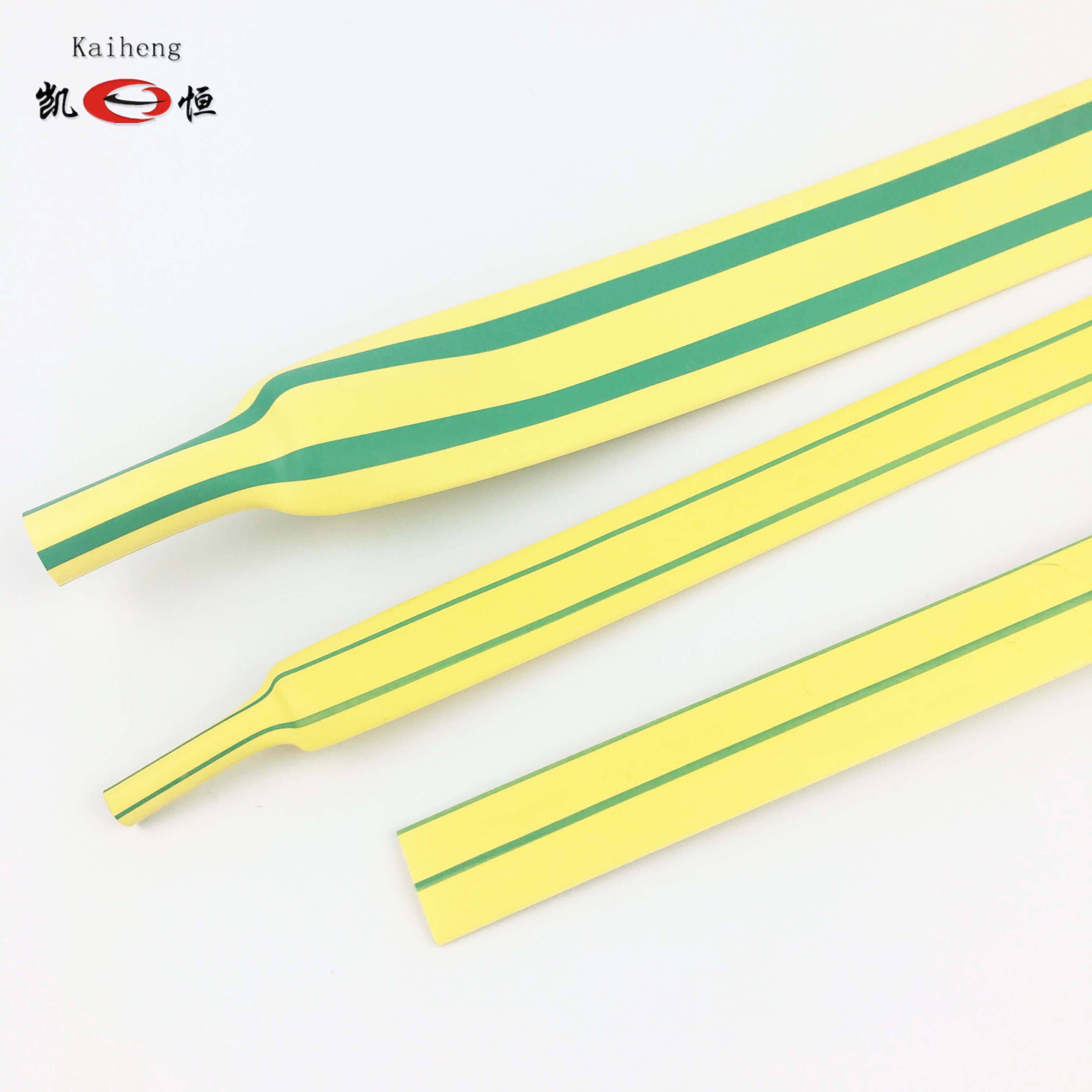
Aerospace wiring systems operate under some of the most extreme and unforgiving conditions imaginable. From the temperature swings experienced at high altitude to the constant vibration that resonates through an airframe, every component in an aircraft's electrical architecture must perform without compromise. Among the many materials that protect and organize these critical wire bundles, heat shrink tubing stands out as one of the most versatile and essential protective elements. Its role is not decorative or secondary — it is structural, protective, and often mission-critical.
Understanding the specific functions that heat shrink tubing fulfills in aerospace wiring solutions requires more than a surface-level overview of the material. It demands an exploration of engineering challenges unique to aviation environments, how different grades and formulations of the tubing respond to those challenges, and why this one product category has become indispensable to aerospace wire harness design. This article explores the functional, safety, and structural roles that heat shrink tubing plays across modern aerospace wiring applications.
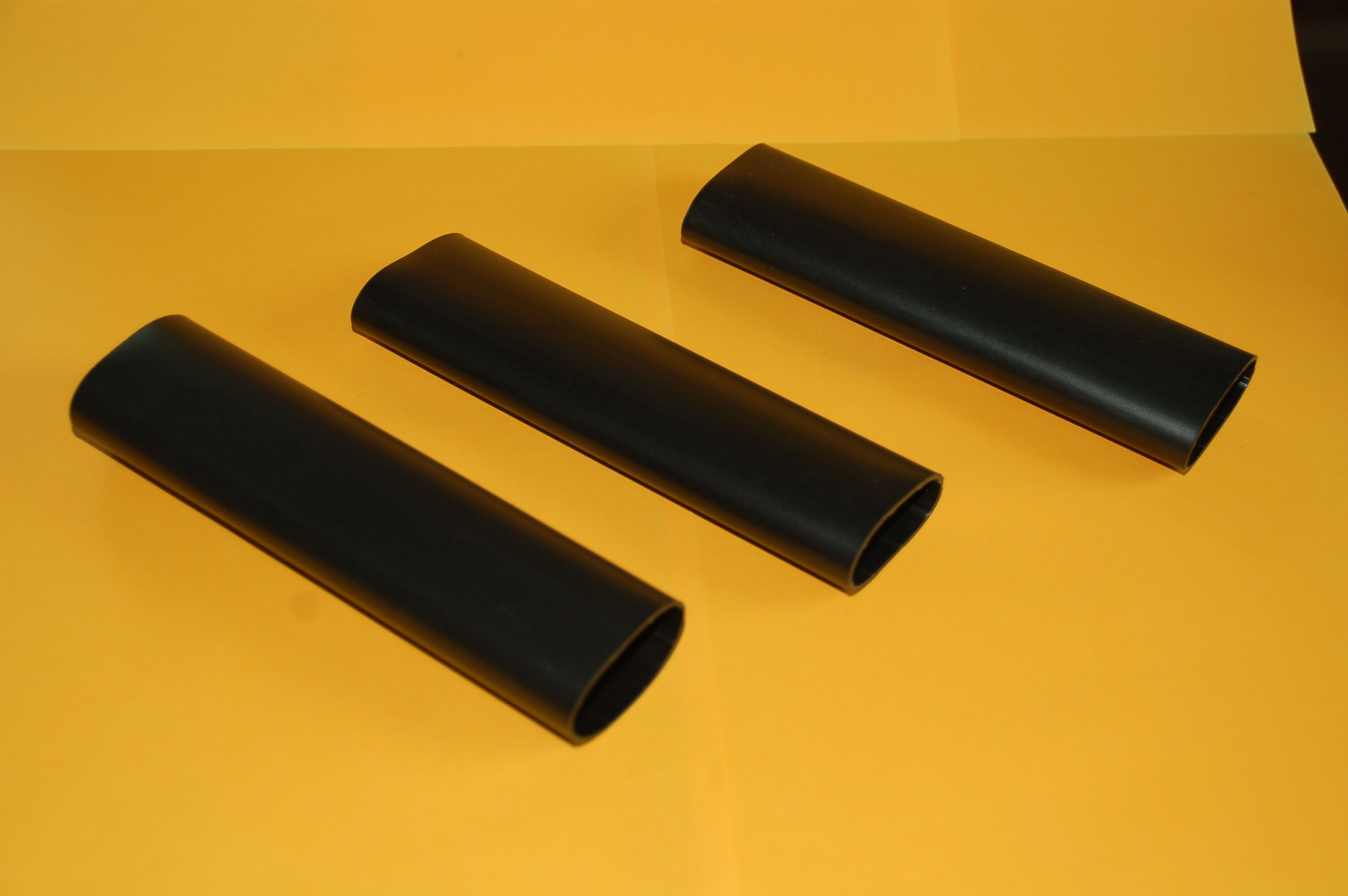
The Aerospace Wiring Environment and Why It Demands Specialized Protection
Extreme Temperature and Altitude Conditions
Aircraft routinely experience temperature extremes that would degrade standard electrical insulation materials within hours. On the ground in desert climates, ambient temperatures can exceed 60°C, while at cruising altitude, the external temperature may plunge to -55°C or lower. Wiring systems must maintain their insulation integrity, flexibility, and mechanical strength across this entire range. Heat shrink tubing formulated from cross-linked polyolefin is engineered specifically to retain its dimensional and electrical properties through these temperature swings without cracking, hardening, or losing adhesion.
When heat shrink tubing is applied over a conductor or wire bundle, it conforms tightly to the underlying geometry, eliminating air gaps that could trap moisture or allow contaminant ingress. This tight-fitting characteristic is not just cosmetic. At altitude, pressure differentials and condensation cycles can introduce moisture into wire bundles, leading to corrosion, short circuits, and insulation breakdown. The snug encapsulation provided by properly applied heat shrink tubing forms a first line of defense against this moisture intrusion.
Cross-linked materials used in aerospace-grade heat shrink tubing maintain their structural form under prolonged thermal stress because the cross-linking process creates a polymer network that resists both melting and embrittlement. This is a distinct advantage over non-cross-linked alternatives, which may deform under heat or become brittle when exposed to sustained cold. In aerospace wiring, failure is not an option, and the material science behind the tubing reflects that operational reality.
Vibration, Abrasion, and Mechanical Stress
Vibration is a constant companion in every phase of an aircraft's operational life. Engine vibration, aerodynamic turbulence, and the resonance effects during takeoff and landing all transmit mechanical energy directly into the airframe and its wiring systems. Without adequate protection, wire insulation can abrade against brackets, bulkheads, and other wire strands, leading to insulation wear and eventually to short circuits or open-circuit failures. Heat shrink tubing acts as a robust outer sleeve that absorbs and distributes mechanical stress along the length of the wire, significantly reducing localized wear points.
In harness breakout areas, where a primary bundle splits into multiple branch circuits, the mechanical stresses are especially concentrated. These junctions must be protected from both torsional and tensile forces while maintaining a compact, organized form factor. Heat shrink tubing applied at these breakout points provides strain relief that prevents repeated flexing from fatiguing the conductor strands at the junction point. The result is a wiring harness that maintains its integrity over thousands of flight cycles.
Abrasion resistance is another dimension of the mechanical protection role. Aerospace wiring often routes through tight conduit paths, over sharp edges, and through grommet interfaces. Thin-wall heat shrink tubing can be layered over standard wire insulation to build up the outer diameter and increase abrasion resistance without adding significant weight. This weight-consciousness is critical in aerospace design, where every gram saved on non-structural components contributes to fuel efficiency and payload capacity.
Electrical Insulation and Dielectric Performance in Aerospace Applications
Maintaining Dielectric Integrity Under High Voltage Stress
Modern aircraft contain an increasing number of high-voltage systems, including power distribution buses, flight control actuators, and increasingly, electric propulsion components in emerging hybrid aircraft platforms. These systems place elevated dielectric demands on every insulation element, including heat shrink tubing. Aerospace-grade formulations must meet strict dielectric strength requirements to ensure that insulation failures do not propagate into broader electrical faults.
The dielectric strength of quality heat shrink tubing typically exceeds 15 kV per millimeter, providing a reliable insulation barrier even when the tubing wall thickness is relatively thin. This high dielectric strength allows engineers to use the tubing confidently in both low-voltage signal circuits and in higher-voltage power distribution lines. When properly selected and installed, heat shrink tubing eliminates potential arc paths between adjacent conductors in dense wire bundles, which is a real and significant risk in tightly packed aircraft wiring compartments.
Insulation resistance is equally important as dielectric strength. Even in humid environments — such as the wheel well areas, wing roots, and unpressurized cargo bays where moisture ingress is most likely — heat shrink tubing must resist current leakage between conductors. High-quality tubing formulations maintain insulation resistance values well above the minimum thresholds specified in aerospace wiring standards, even after extended exposure to humidity cycling tests.
Chemical and Fluid Resistance in Aircraft Environments
Aircraft are routinely exposed to a range of aggressive chemicals including hydraulic fluids, de-icing compounds, aviation fuel, and lubricating oils. Any wiring that routes through engine bays, wheel wells, or fuel system areas must be protected against these fluid exposures. Heat shrink tubing made from cross-linked polyolefin offers broad chemical resistance, maintaining its mechanical and electrical properties even after prolonged contact with many of the fluids common in aviation environments.
The chemical resistance of heat shrink tubing is not simply about surviving surface contact. In some zones of an aircraft, wiring may be partially submerged in pooled fluids during maintenance cycles or in abnormal operating conditions. The tubing must resist fluid permeation — the slow absorption of chemical molecules into the polymer matrix — as well as surface attack. Cross-linked formulations perform particularly well in this regard because the dense polymer network restricts molecular diffusion from the surface into the bulk of the material.
Fuel tank wiring represents one of the most demanding chemical environments in the entire aircraft. Any heat shrink tubing used in these zones must demonstrate proven resistance to Jet-A and AVGAS fuel types over extended immersion periods. Aerospace wiring standards typically call out specific test protocols for fuel resistance, and qualified heat shrink tubing products are validated against these tests before being approved for use in critical zones.
Mechanical Organization and Harness Management Functions
Bundling, Breakout, and Strain Relief
Beyond protection, heat shrink tubing serves a critical organizational role in aerospace wire harness construction. Large-diameter tubing is used to bundle individual wire circuits into organized groups, creating clean, manageable harness sections that are easier to route, inspect, and maintain. The bundling function of heat shrink tubing reduces the risk of individual wire strands working loose from the harness over time, which can lead to chafing damage and insulation wear in adjacent wire runs.
At termination points, connectors, and splice locations, heat shrink tubing provides the strain relief necessary to prevent mechanical loads from being transferred into the connection point itself. Connector backshells are frequently overmolded or supplemented with heat shrink tubing sections that grip both the connector body and the wire bundle, distributing any tensile or torsional load along the wire length rather than concentrating it at the fragile connection interface. This strain relief function directly extends the service life of connectors and splice joints in high-vibration areas.
Dual-wall heat shrink tubing — which incorporates an inner adhesive layer that melts and flows during installation — provides an especially strong mechanical bond and an environmental seal simultaneously. When used at connector entries or wire bundle termination points, the adhesive liner bonds to both the inner conductors and the outer connector body or bracket, creating a mechanically robust and moisture-resistant assembly that resists vibration loosening over the aircraft's service life.
Identification, Marking, and Traceability in Aircraft Harnesses
Aerospace maintenance programs depend heavily on accurate wire identification and circuit traceability. During installation, maintenance, and troubleshooting activities, technicians must be able to quickly identify individual circuits within complex wire bundles. Heat shrink tubing plays a supporting role in this identification system by accepting printed markings that remain legible throughout the aircraft's operational life. Heat-applied printing on heat shrink tubing is far more durable than adhesive labels, which can peel or degrade in harsh environments.
Color-coded heat shrink tubing is another identification tool widely used in aerospace harness fabrication. Different circuit functions — power, signal, control, and grounding — may be assigned distinct colors of tubing at breakout points and transition zones, allowing technicians to identify circuit types at a glance without consulting wiring diagrams. This color-coding practice, when consistently applied, reduces diagnostic time and the risk of maintenance errors during harness repairs.
The traceability requirements of aerospace wiring standards extend to the tubing materials themselves. Approved heat shrink tubing products carry lot traceability documentation that links every installed meter of material back to its batch of manufacture, quality testing records, and material certification. This traceability is essential for airworthiness documentation and for responding efficiently to any future airworthiness directives that may require inspection or replacement of specific material batches.
Standards, Qualification, and Selection Criteria for Aerospace Heat Shrink Tubing
Relevant Industry and Military Standards
The aerospace industry governs the use of heat shrink tubing through a layered set of standards that define minimum performance requirements, test methods, and qualification procedures. Military specifications such as MIL-DTL-23053 establish detailed requirements for shrink ratio, wall thickness, dielectric strength, flame resistance, and environmental performance. These standards ensure that heat shrink tubing used in both military and commercial aerospace programs meets a consistent baseline of quality and reliability regardless of the source.
Commercial aerospace programs are increasingly governed by standards from organizations such as SAE International and ASTM, which provide equivalent coverage of performance requirements with test methodologies adapted to commercial aviation operating conditions. Wire harness manufacturers building assemblies for certified aircraft must use heat shrink tubing that has been qualified under applicable standards and approved by the aircraft original equipment manufacturer's approved materials list. This qualification process involves extensive physical and environmental testing before any product receives approval for use in flight hardware.
Flame resistance is one of the most strictly enforced properties for aerospace heat shrink tubing. All materials used inside a pressurized airframe must meet defined self-extinguishing performance requirements to limit fire propagation risk. Qualified heat shrink tubing is tested under standardized vertical and horizontal flame exposure conditions, and only materials that demonstrate self-extinguishing behavior within defined time limits are approved for use in pressurized zones of the aircraft.
Selecting the Right Grade and Configuration for Each Application Zone
Selecting the appropriate grade of heat shrink tubing for a specific aerospace wiring application requires a systematic analysis of the operating environment. Engineers must consider the ambient temperature range, exposure to chemicals or fluids, required flexibility, dielectric demands, and whether environmental sealing is needed. Single-wall tubing is appropriate for general insulation and bundling duties in benign environments, while dual-wall adhesive-lined heat shrink tubing is preferred where environmental sealing and maximum mechanical retention are required.
The shrink ratio of the tubing — typically expressed as 2:1 or 3:1 — determines how much the tubing will contract from its supplied diameter to its recovered diameter. Selecting the correct ratio ensures a tight, bubble-free fit over the target wire or bundle without over-stressing the underlying conductors during the shrinking process. For wire bundles that vary significantly in cross-sectional dimension along their length, 3:1 ratio heat shrink tubing provides greater installation flexibility and a more consistent final fit.
Wall thickness selection balances protection requirements against weight and flexibility demands. Thicker-wall heat shrink tubing offers greater physical protection and higher dielectric strength but adds weight and may reduce the flexibility needed for tight-radius routing paths. Aerospace wiring designers typically specify the minimum wall thickness that meets the protection requirements of the application, optimizing the trade-off between protection, flexibility, and mass. The availability of heat shrink tubing in a wide range of diameters and wall thicknesses enables this level of optimization across every zone of a complex wire harness.
FAQ
What makes aerospace-grade heat shrink tubing different from standard industrial tubing?
Aerospace-grade heat shrink tubing is qualified against specific military or industry standards that mandate tighter control over dielectric strength, flame resistance, shrink ratio consistency, and chemical resistance compared to general industrial grades. It also carries lot traceability documentation required for airworthiness compliance. Standard industrial tubing may not meet the self-extinguishing flame requirements or the low-temperature flexibility requirements that aerospace applications demand.
Can heat shrink tubing be used for both power and signal wiring in aircraft?
Yes, heat shrink tubing is suitable for both power and signal wiring in aircraft, but the specific grade must be selected to match the voltage and current characteristics of each circuit. Signal wiring applications typically require thin-wall, highly flexible tubing that does not add significant stiffness to fine-gauge conductors. Power distribution circuits may require thicker-wall tubing with higher dielectric ratings to accommodate elevated voltage stress between adjacent conductors in tight wiring bundles.
How is heat shrink tubing installed on aircraft wiring harnesses during production?
During harness fabrication, heat shrink tubing sections are cut to length and slipped over the wire or bundle before termination. After connectors or splices are installed, the tubing is positioned correctly and then heated using regulated hot air guns or oven tunnels to achieve uniform, controlled shrinkage. Installation procedures specify the required temperature range and dwell time to ensure complete recovery without overheating the underlying conductors. Dual-wall adhesive-lined heat shrink tubing requires slightly higher temperatures to fully activate the inner adhesive layer.
How does heat shrink tubing contribute to the maintenance lifecycle of aircraft wiring?
Heat shrink tubing reduces maintenance frequency by providing long-term physical protection that delays or prevents insulation degradation from abrasion, fluid exposure, and thermal cycling. Its ability to accept permanent printed identification markings reduces misidentification errors during maintenance activities. When damage does occur, sections of heat shrink tubing can be carefully slit and replaced during approved repair procedures, allowing targeted refurbishment of damaged harness sections without replacing entire wire runs.
Table of Contents
- The Aerospace Wiring Environment and Why It Demands Specialized Protection
- Electrical Insulation and Dielectric Performance in Aerospace Applications
- Mechanical Organization and Harness Management Functions
- Standards, Qualification, and Selection Criteria for Aerospace Heat Shrink Tubing
-
FAQ
- What makes aerospace-grade heat shrink tubing different from standard industrial tubing?
- Can heat shrink tubing be used for both power and signal wiring in aircraft?
- How is heat shrink tubing installed on aircraft wiring harnesses during production?
- How does heat shrink tubing contribute to the maintenance lifecycle of aircraft wiring?