Premium Insulated Heat Shrink Tubing - Advanced Electrical Protection Solutions

Get a Free Quote

Our representative will contact you soon.
Email
Name
Company Name
Message
0/1000

insulated heat shrink tubing

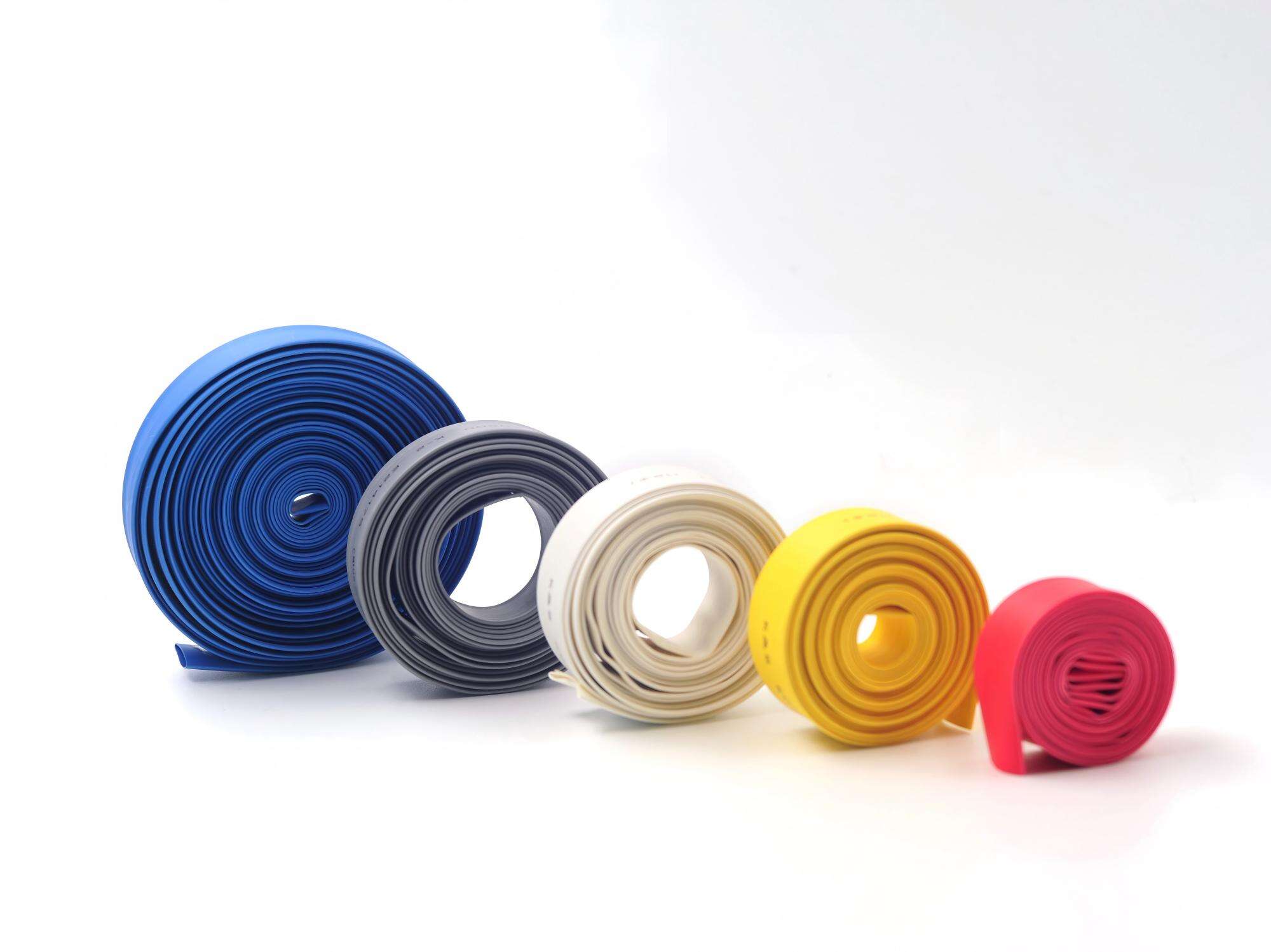
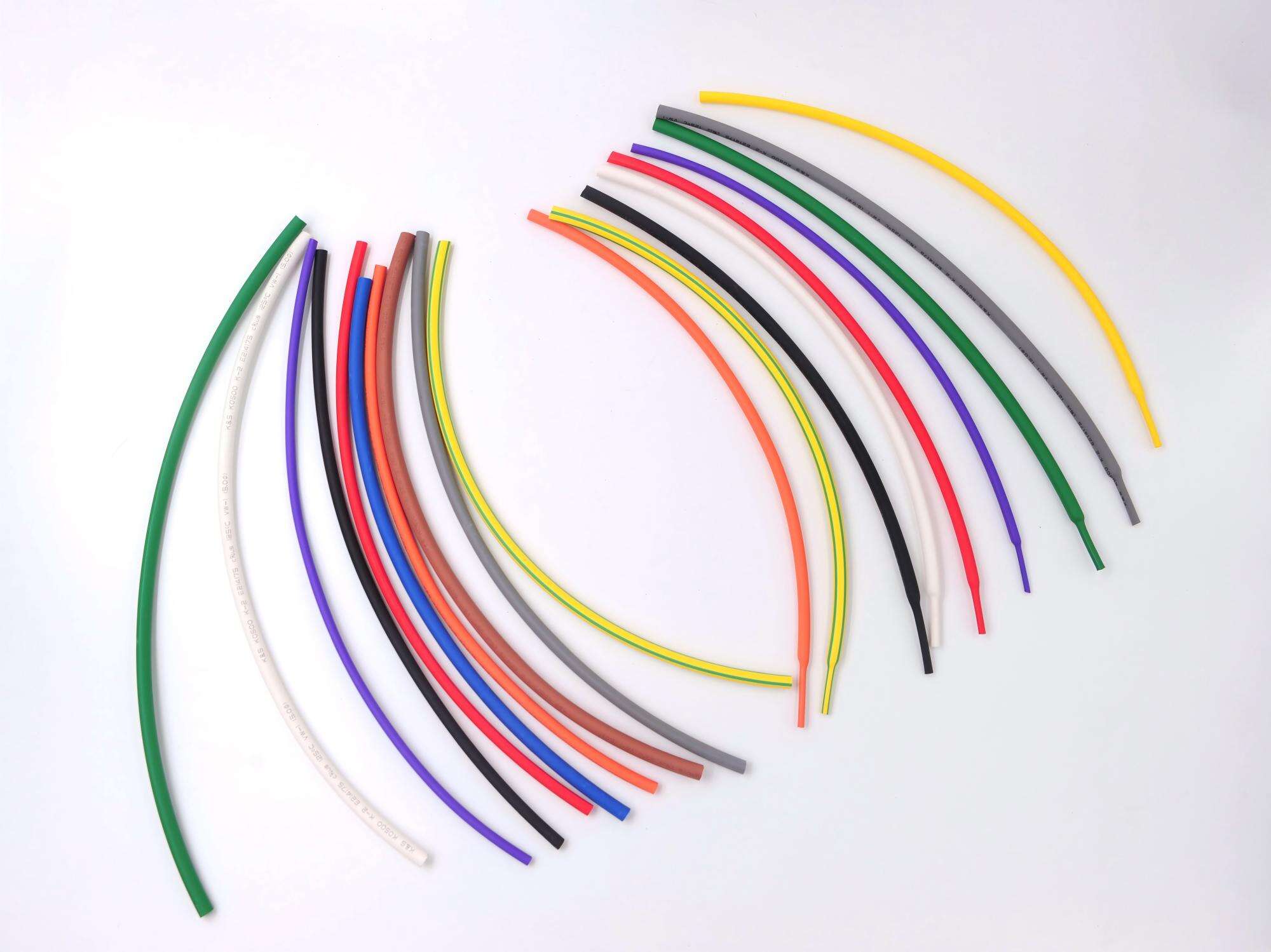
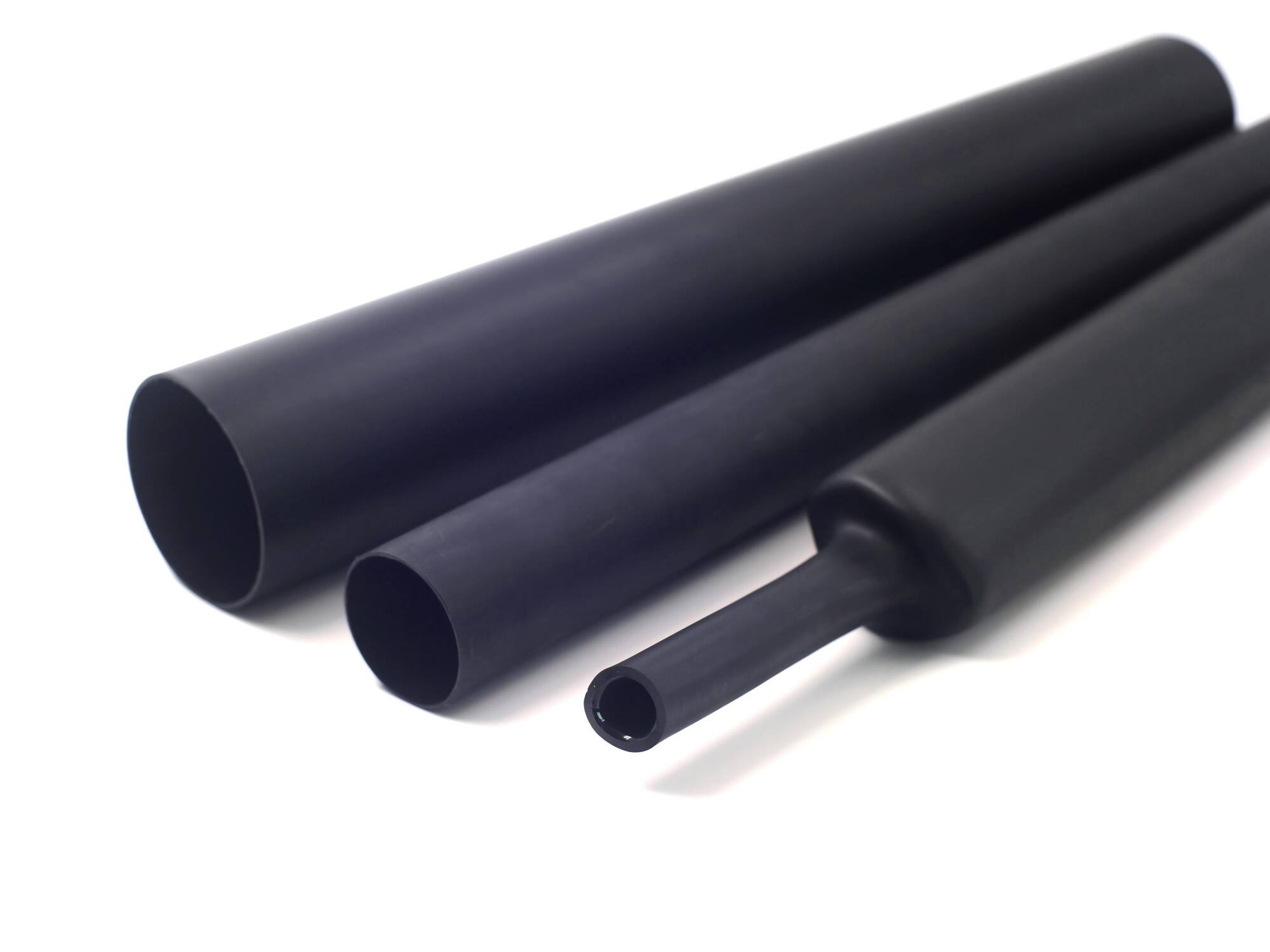
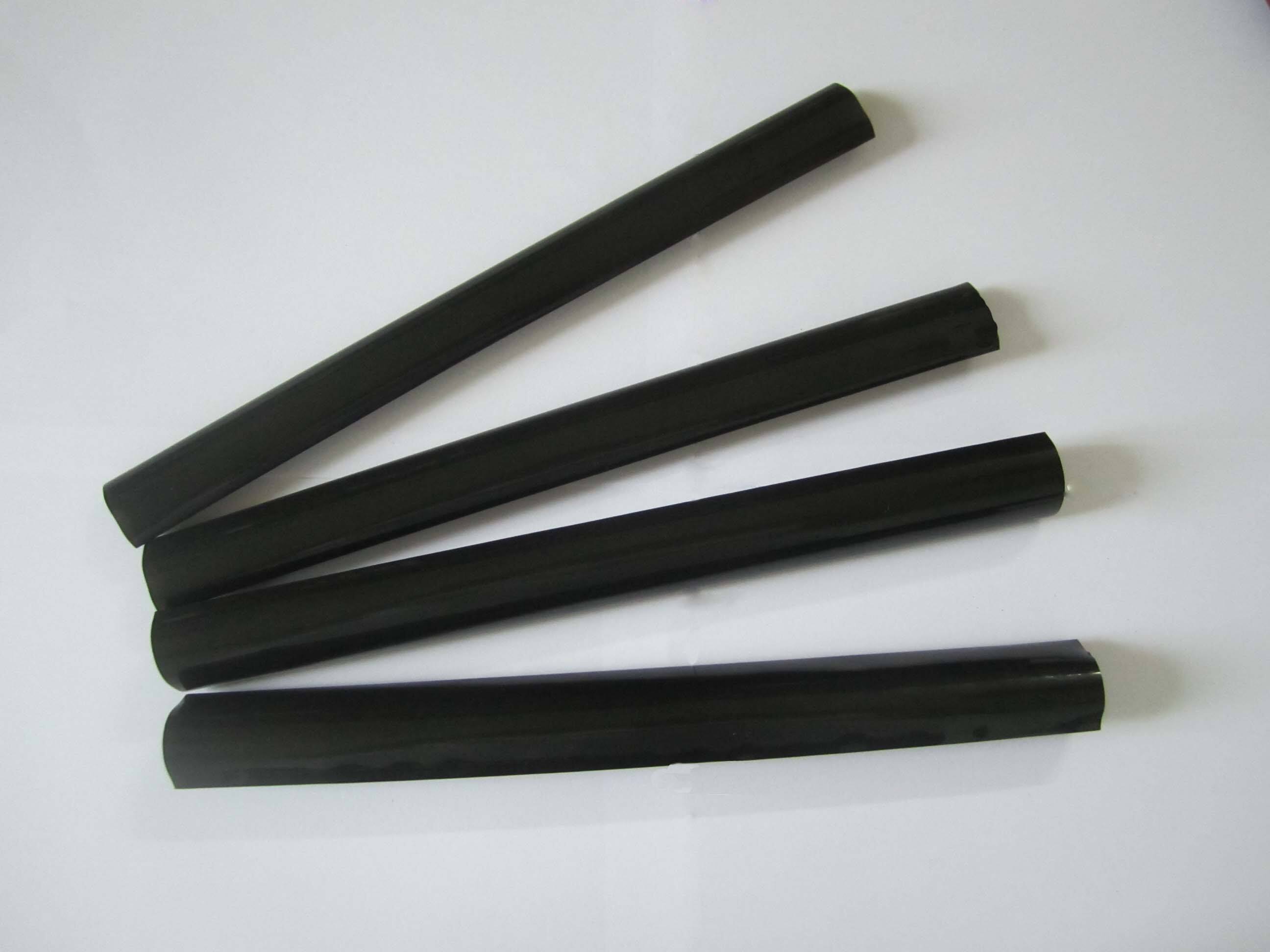
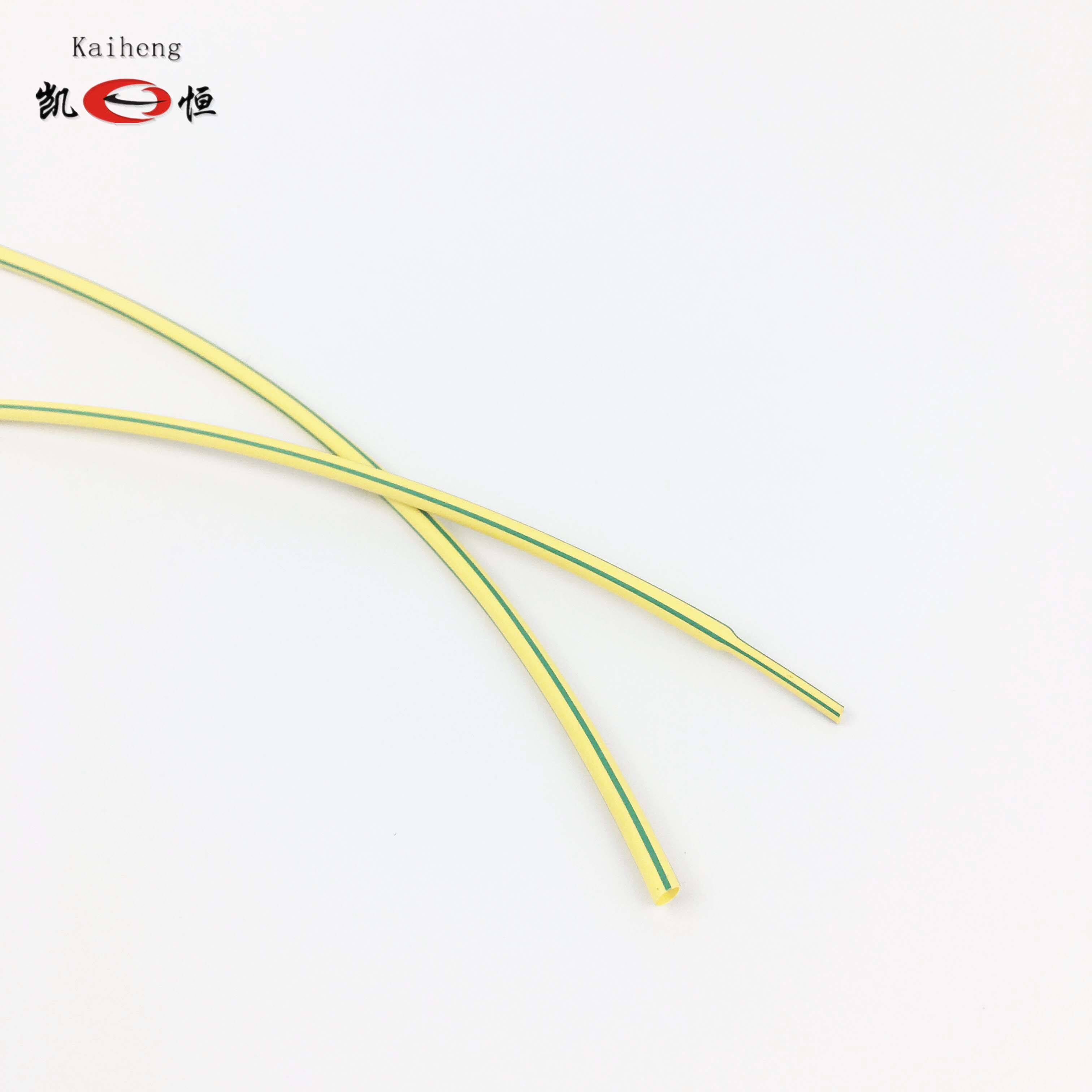
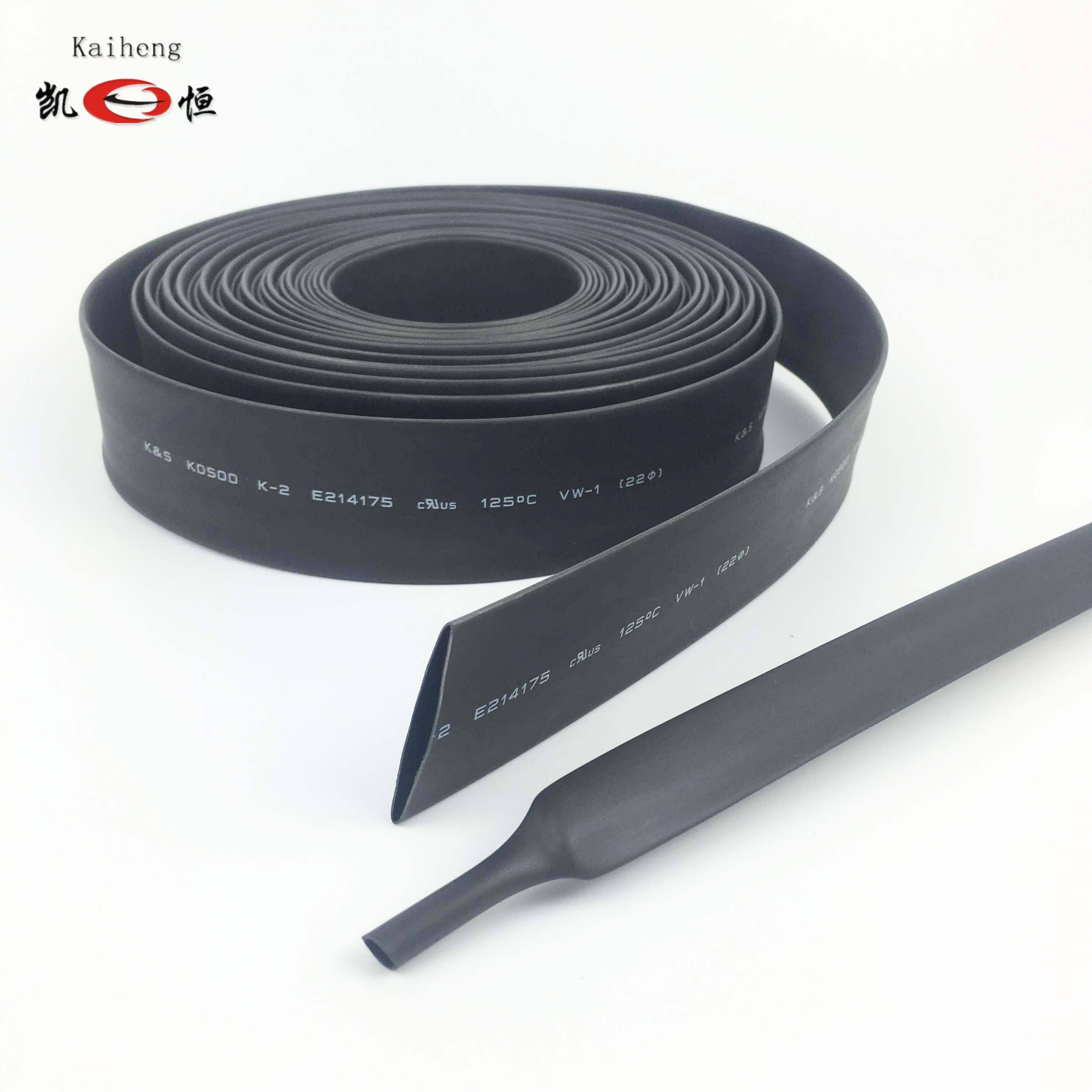
Insulated heat shrink tubing represents a revolutionary solution in electrical protection and cable management systems. This specialized protective sleeve combines advanced polymer technology with superior insulation properties to deliver exceptional performance across diverse industrial applications. The core functionality of insulated heat shrink tubing centers on its ability to shrink uniformly when exposed to controlled heat, creating a tight, protective seal around wires, cables, and electrical connections. This shrinkage process typically occurs at temperatures between 80 to 125 degrees Celsius, depending on the specific material composition. The primary functions of insulated heat shrink tubing include electrical insulation, mechanical protection, environmental sealing, and strain relief. These tubes effectively prevent electrical shorts, reduce electromagnetic interference, and protect against moisture, chemicals, and physical damage. Technologically, insulated heat shrink tubing features cross-linked polyolefin construction that ensures consistent shrinkage ratios, typically ranging from 2:1 to 4:1. Advanced manufacturing processes incorporate flame-retardant additives, UV stabilizers, and anti-tracking compounds to enhance durability and safety performance. The material exhibits excellent dielectric strength, often exceeding 15 kV per millimeter, making it suitable for high-voltage applications. Temperature resistance varies by grade, with standard versions operating from -55°C to +135°C, while specialized variants can withstand extreme conditions up to +200°C. Applications span across automotive wiring harnesses, telecommunications infrastructure, aerospace systems, marine electronics, renewable energy installations, and industrial automation equipment. The versatility of insulated heat shrink tubing makes it indispensable for wire splicing, terminal protection, component bundling, and corrosion prevention in harsh environments.

Popular Products

Insulated heat shrink tubing offers numerous practical benefits that make it an essential component for electrical professionals and manufacturers worldwide. First, this protective solution provides superior electrical insulation that significantly reduces the risk of short circuits and electrical failures. The cross-linked polymer construction ensures consistent dielectric properties, protecting sensitive electronic components from voltage fluctuations and power surges. Users experience enhanced system reliability because the tubing maintains its insulation properties even under extreme temperature variations and mechanical stress. Second, the environmental protection capabilities of insulated heat shrink tubing extend equipment lifespan considerably. The sealed barrier prevents moisture ingress, chemical contamination, and dust accumulation that commonly cause premature component failure. This protection translates directly into reduced maintenance costs and fewer system downtimes, providing substantial long-term savings for businesses. Third, installation simplicity represents a major advantage for technicians and engineers. The application process requires only basic heat application tools, eliminating the need for specialized equipment or extensive training. The tubing shrinks evenly and predictably, creating professional-looking installations consistently. Fourth, mechanical strain relief properties prevent wire fatigue and connection failures at critical junction points. The flexible yet durable material absorbs vibrations and movement stresses that would otherwise damage delicate electrical connections. Fifth, space efficiency makes insulated heat shrink tubing ideal for compact electronic assemblies. The thin wall construction adds minimal bulk while providing maximum protection, allowing for higher component density in modern electronic designs. Sixth, chemical resistance ensures performance in aggressive industrial environments where exposure to oils, solvents, and corrosive substances is common. The polymer formulation resists degradation from most industrial chemicals, maintaining protective properties over extended periods. Finally, cost-effectiveness makes this solution attractive across all budget ranges. The combination of low material costs, simple installation procedures, and extended service life delivers exceptional return on investment compared to alternative protection methods.

Practical Tips

How Is Heat Shrinkable Tube Applied in Power Cable Joint Protection?

10

Apr

How Is Heat Shrinkable Tube Applied in Power Cable Joint Protection?

Heat shrinkable tube application in power cable joint protection represents a critical process that ensures long-term electrical system reliability and safety. This specialized protective method involves applying thermally activated polymer sleeves o...
View More
How Is Heat Shrinkable Tube Used in Cable Insulation Applications?

17

Apr

How Is Heat Shrinkable Tube Used in Cable Insulation Applications?

Heat shrinkable tube represents a critical component in modern cable insulation applications, offering engineers and technicians a reliable method to protect electrical connections from environmental hazards and mechanical stress. When heated, these ...
View More
What Applications Require Heat Shrinkable Tube in Automotive Projects?

23

Apr

What Applications Require Heat Shrinkable Tube in Automotive Projects?

Automotive projects demand exceptional protection for electrical systems, wiring harnesses, and sensitive components that operate under extreme conditions. Heat shrinkable tube technology has become an indispensable solution for automotive engineers ...
View More
How Does Heat Shrinkable Tube Improve Electrical Safety in Industry?

30

Apr

How Does Heat Shrinkable Tube Improve Electrical Safety in Industry?

Heat shrinkable tube technology has revolutionized electrical safety protocols across industrial applications, providing a critical barrier against electrical hazards that can cause equipment failure, workplace accidents, and costly downtime. When ex...
View More

Get a Free Quote

Our representative will contact you soon.
Email
Name
Company Name
Message
0/1000

insulated heat shrink tubing

Advanced Cross-Linked Polymer Technology Delivers Unmatched Protection

Advanced Cross-Linked Polymer Technology Delivers Unmatched Protection

The foundation of superior insulated heat shrink tubing performance lies in its advanced cross-linked polymer construction, which represents a significant technological advancement over conventional protective materials. This sophisticated manufacturing process creates molecular bonds that fundamentally alter the material properties, resulting in exceptional durability and consistent performance characteristics. Cross-linking transforms the basic polymer structure into a three-dimensional network that cannot be melted or dissolved once formed, ensuring the tubing maintains its protective properties even under extreme conditions. This molecular modification process enhances the material's resistance to cracking, splitting, and degradation from environmental factors such as UV radiation, ozone exposure, and temperature cycling. The cross-linked structure provides superior mechanical strength while maintaining flexibility, allowing the insulated heat shrink tubing to conform perfectly to irregular shapes and contours. Temperature stability becomes remarkably enhanced through cross-linking, with operating ranges extending from -55°C to +200°C depending on the specific formulation. This wide temperature tolerance ensures reliable protection in aerospace applications, automotive engine compartments, industrial furnaces, and arctic installations. The cross-linked polymer technology also delivers exceptional dielectric strength, often exceeding 20 kV per millimeter thickness, making it suitable for high-voltage power distribution systems and sensitive electronic equipment. Chemical resistance properties are significantly improved through the cross-linking process, allowing the tubing to withstand exposure to hydraulic fluids, aviation fuels, industrial solvents, and corrosive chemicals without degradation. Recovery properties after deformation represent another crucial advantage, as the cross-linked structure enables the material to return to its original shape after temporary compression or stretching. This resilience ensures long-term sealing effectiveness and prevents gap formation that could compromise protection. Manufacturing quality control benefits from cross-linked technology because the molecular structure remains stable throughout the production process, resulting in consistent wall thickness, uniform shrinkage ratios, and predictable performance characteristics across entire production runs.
Precision-Engineered Shrinkage Ratios Ensure Perfect Fit Every Time

Precision-Engineered Shrinkage Ratios Ensure Perfect Fit Every Time

The engineering precision behind insulated heat shrink tubing shrinkage ratios represents a critical factor that determines installation success and long-term performance reliability. Modern manufacturing techniques enable precise control over shrinkage characteristics, typically offering ratios ranging from 2:1 to 6:1, with specialized applications requiring even higher ratios. This precision engineering ensures that users can select the optimal tubing size for any specific application, guaranteeing proper fit regardless of substrate geometry or dimensional variations. The shrinkage process occurs uniformly along both radial and longitudinal dimensions, preventing the formation of air pockets, wrinkles, or loose areas that could compromise protection effectiveness. Temperature activation curves are carefully controlled during manufacturing, ensuring consistent shrinkage initiation and completion temperatures across different environmental conditions. This predictability allows technicians to achieve professional installations using standard heat guns, ovens, or specialized shrinking equipment without guesswork or trial-and-error procedures. Wall thickness distribution remains uniform throughout the shrinkage process, maintaining consistent protection levels across the entire covered area. This uniformity is particularly crucial for high-voltage applications where any thin spots could create electrical weak points. Recovery force characteristics are engineered to provide sufficient sealing pressure without damaging delicate substrates such as fiber optic cables or sensitive electronic components. The controlled shrinkage process creates intimate contact with substrate surfaces, eliminating gaps where moisture or contaminants could penetrate. Quality assurance testing validates shrinkage performance under various conditions, including rapid temperature changes, humidity variations, and mechanical stress scenarios. Dimensional stability after shrinkage ensures that the tubing maintains its protective seal over extended service periods without loosening or degrading. Advanced formulations incorporate memory properties that allow the material to continue shrinking gradually over time, compensating for minor substrate dimensional changes due to temperature cycling or aging. This self-adjusting characteristic maintains optimal sealing pressure throughout the product lifecycle, ensuring continuous protection effectiveness.
Multi-Layer Construction Provides Comprehensive Environmental Protection

Multi-Layer Construction Provides Comprehensive Environmental Protection

The sophisticated multi-layer construction of premium insulated heat shrink tubing creates a comprehensive barrier system that addresses multiple environmental challenges simultaneously. This advanced design philosophy recognizes that modern electrical systems face diverse threats requiring specialized protection strategies for optimal performance and longevity. The outer layer typically incorporates UV stabilizers and weather-resistant compounds that protect against solar radiation, ozone exposure, and atmospheric pollutants that cause material degradation over time. This protective barrier maintains color stability and prevents surface cracking that could compromise the underlying protection layers. Intermediate layers often feature flame-retardant additives that meet stringent safety standards such as UL 224, CSA, and international fire safety regulations. These compounds prevent flame propagation along cable runs, providing crucial fire safety protection in commercial buildings, transportation systems, and industrial facilities. The flame-retardant properties activate automatically when exposed to ignition sources, forming protective char layers that insulate underlying materials from heat damage. Inner adhesive layers, when present, create hermetic seals that prevent moisture ingress and chemical contamination. These specialized adhesives maintain bonding strength across wide temperature ranges while remaining flexible to accommodate substrate movement and thermal expansion. Chemical resistance properties are engineered into each layer to address specific environmental challenges such as hydraulic fluid exposure in aerospace applications, salt spray in marine environments, or industrial chemical exposure in manufacturing facilities. The multi-layer approach allows engineers to optimize each stratum for specific performance requirements without compromising overall material properties. Barrier properties against gas and vapor transmission are enhanced through layer interaction, creating effective seals against hydrogen permeation in fuel cell applications or moisture transmission in outdoor installations. Mechanical protection capabilities are distributed across layers, with outer surfaces providing abrasion resistance while inner layers offer cushioning against impact damage. This construction approach enables thinner wall designs that provide equivalent protection to thicker single-layer alternatives, supporting miniaturization trends in modern electronics. Quality control testing validates inter-layer adhesion strength and long-term compatibility, ensuring that the multi-layer construction maintains integrity throughout the specified service life under all expected operating conditions.

Get a Free Quote

Our representative will contact you soon.
Email
Name
Company Name
Message
0/1000