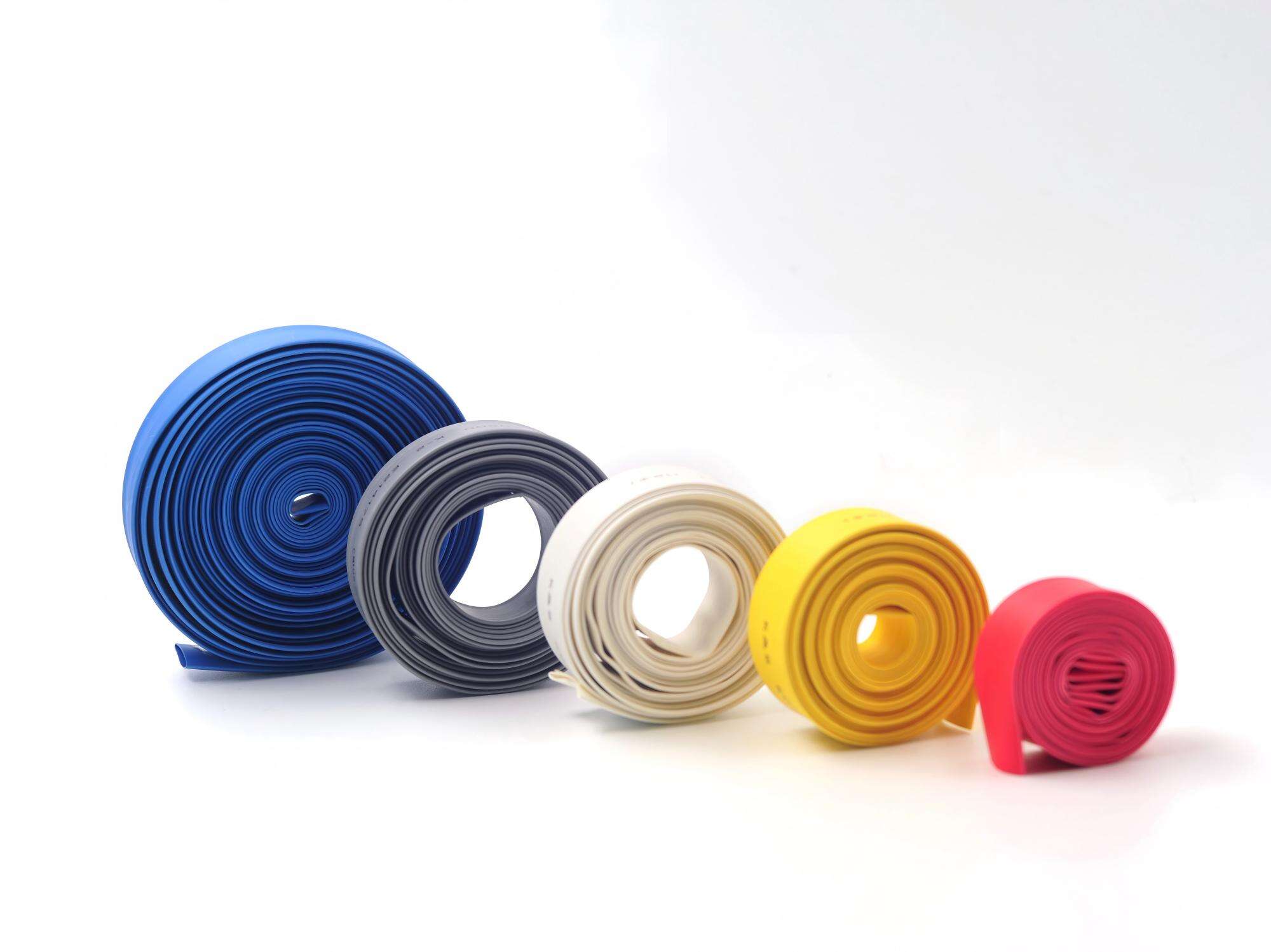
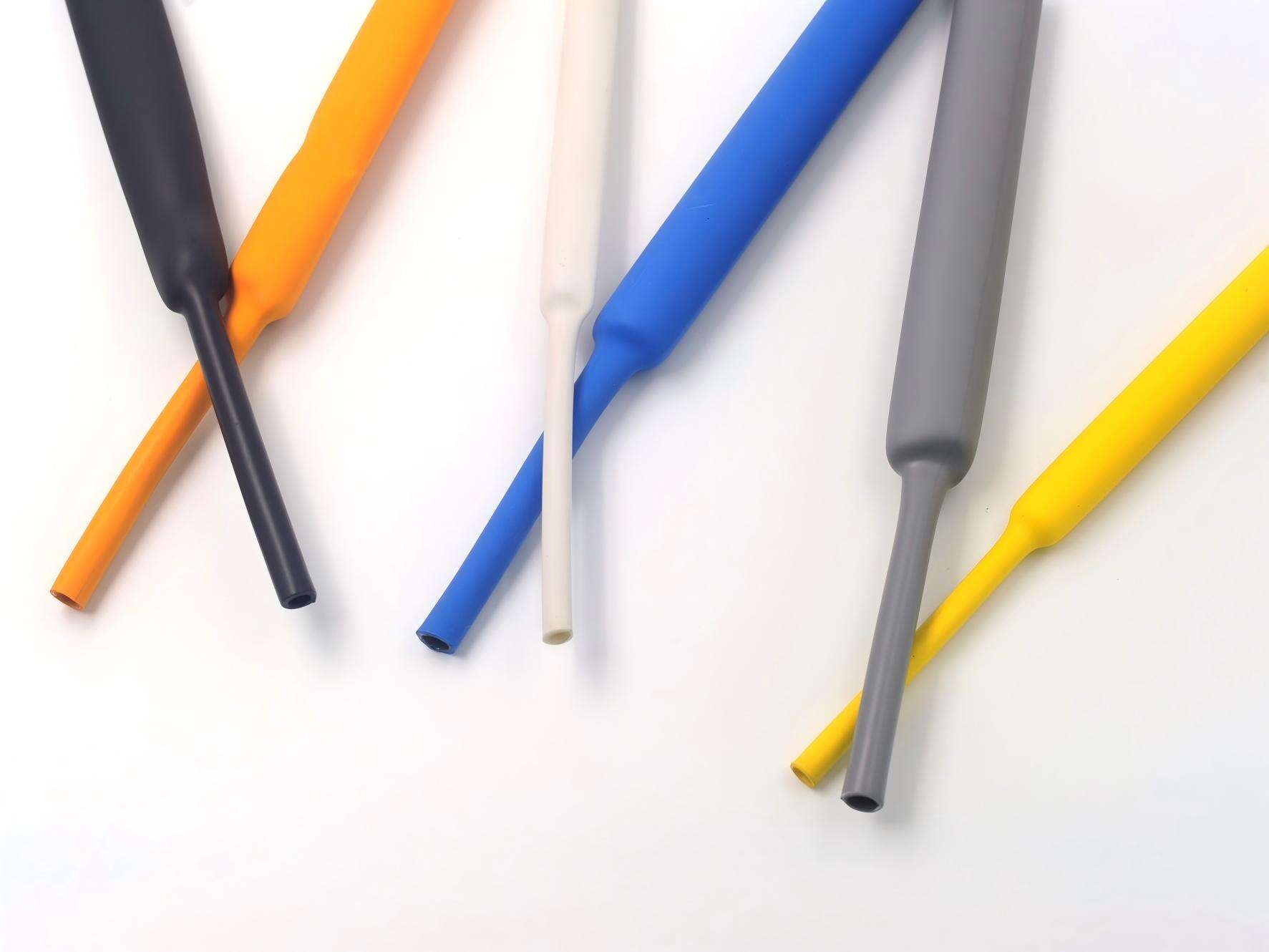
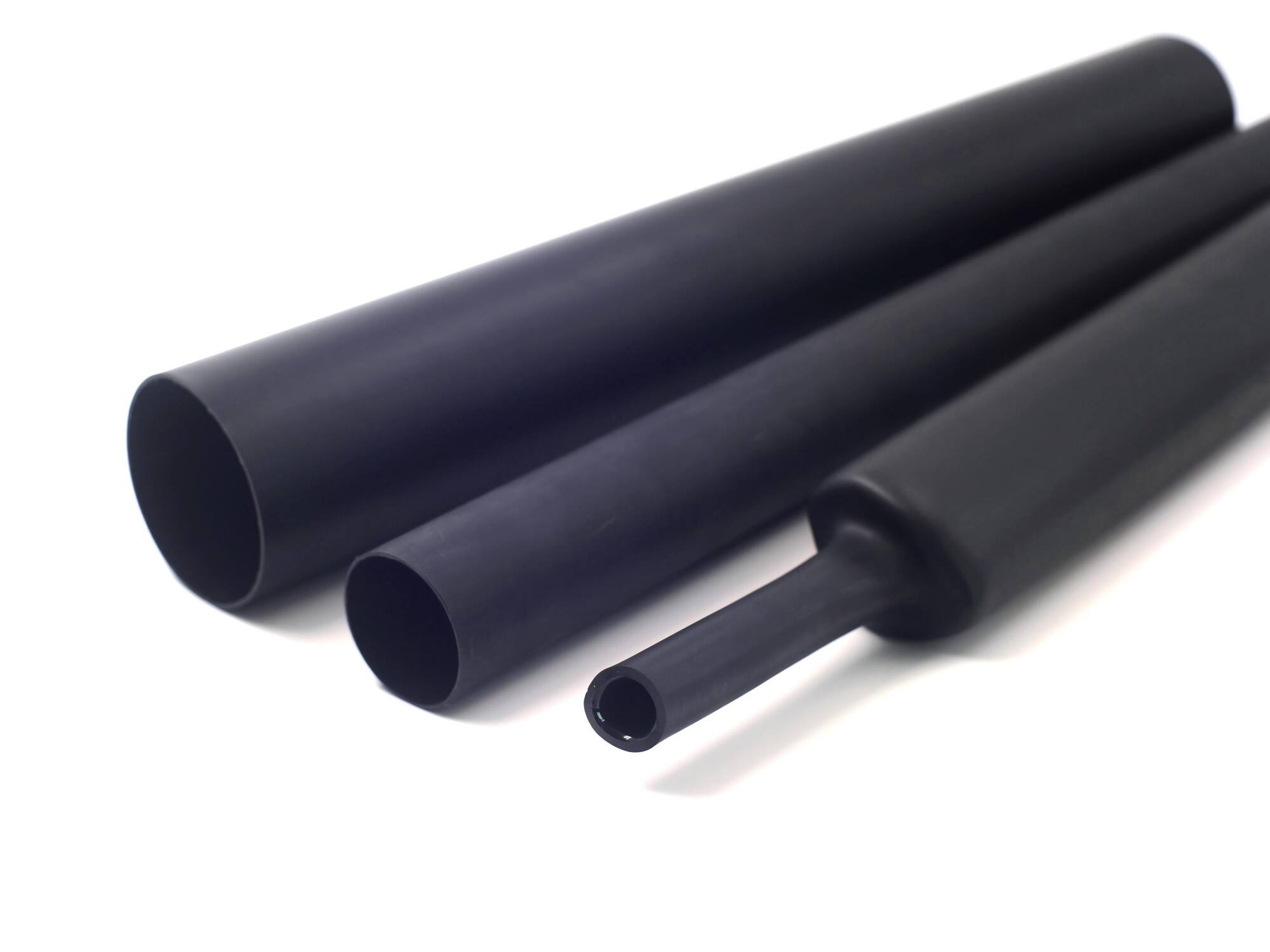
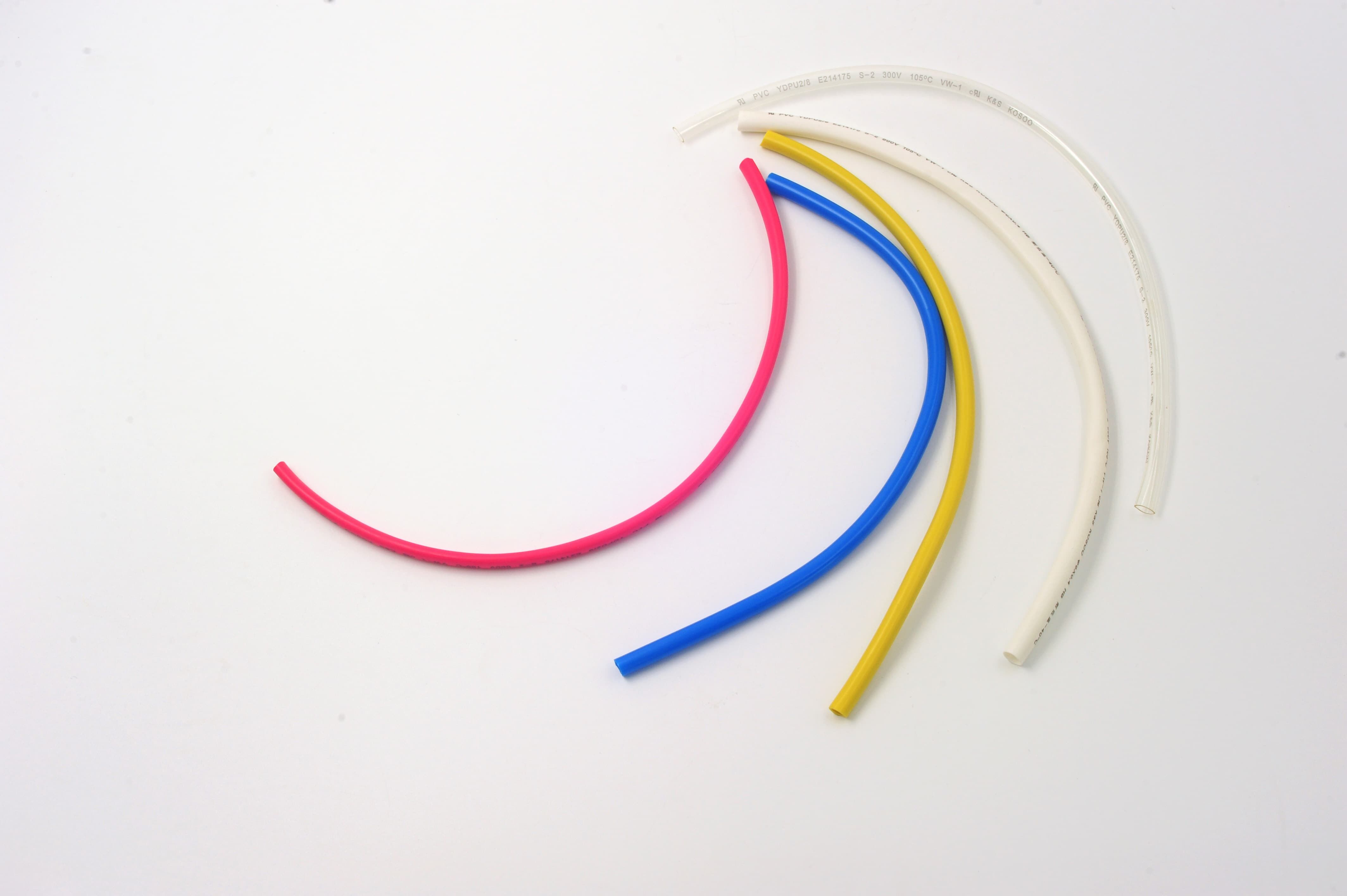
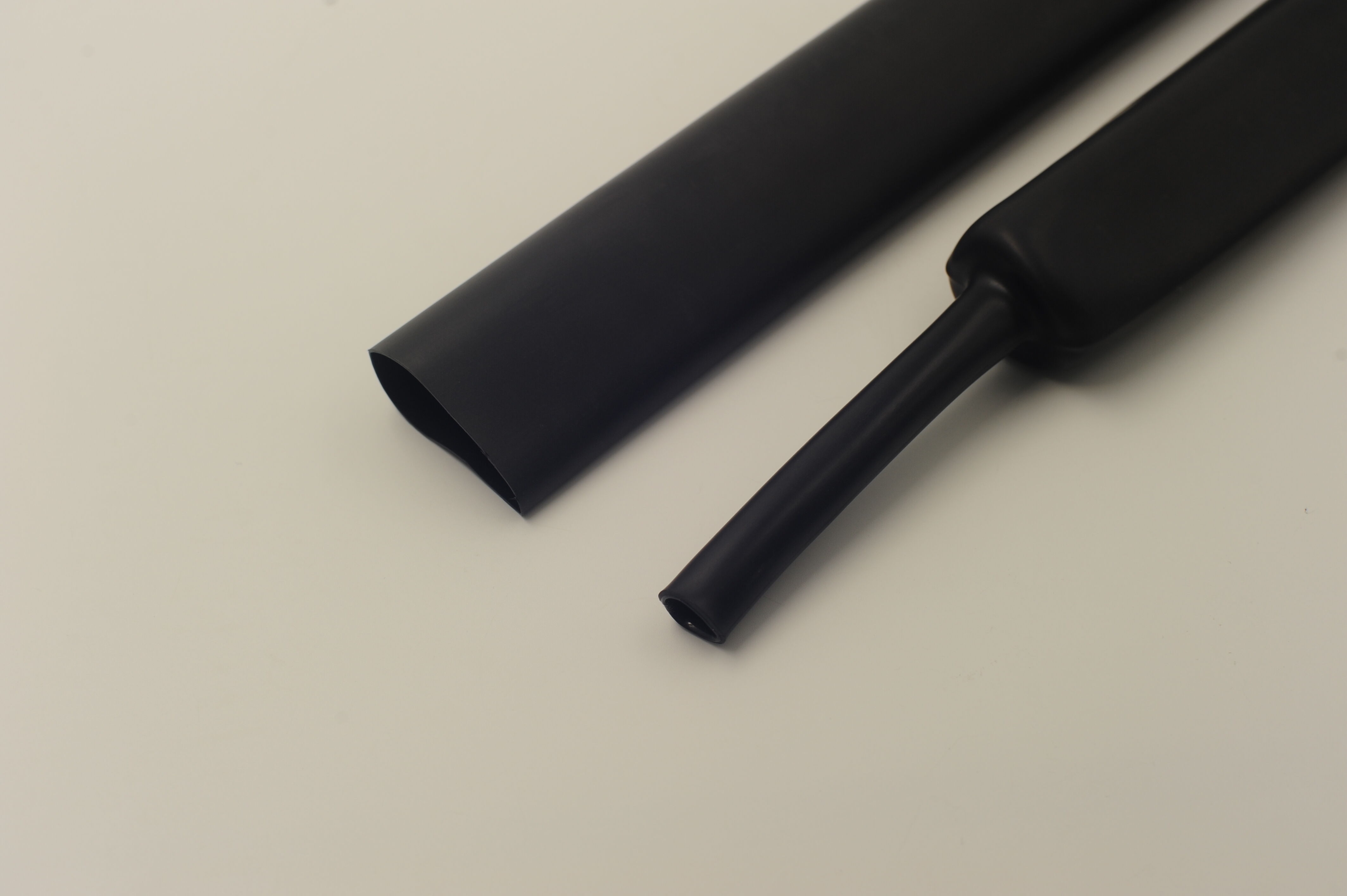
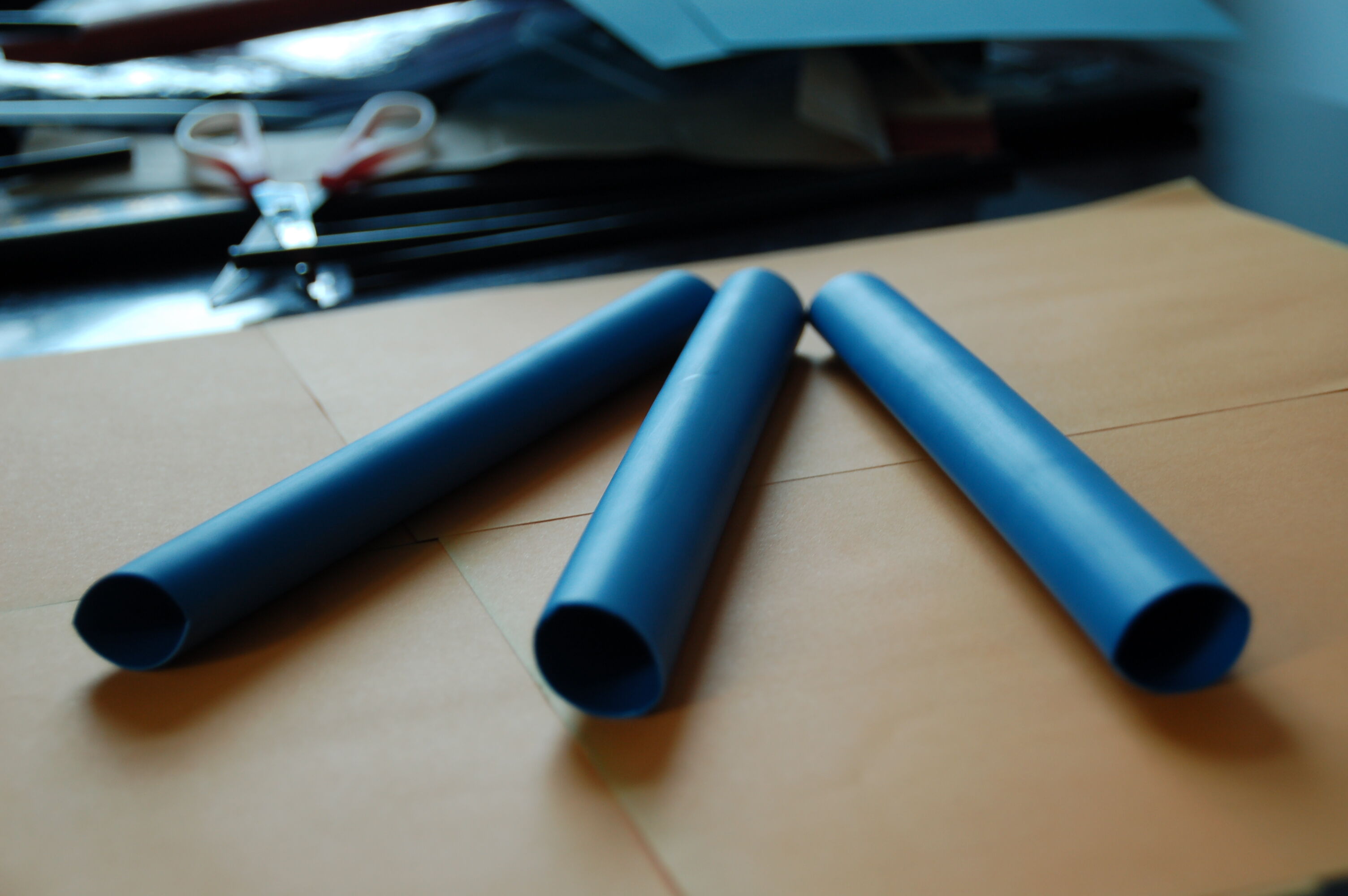
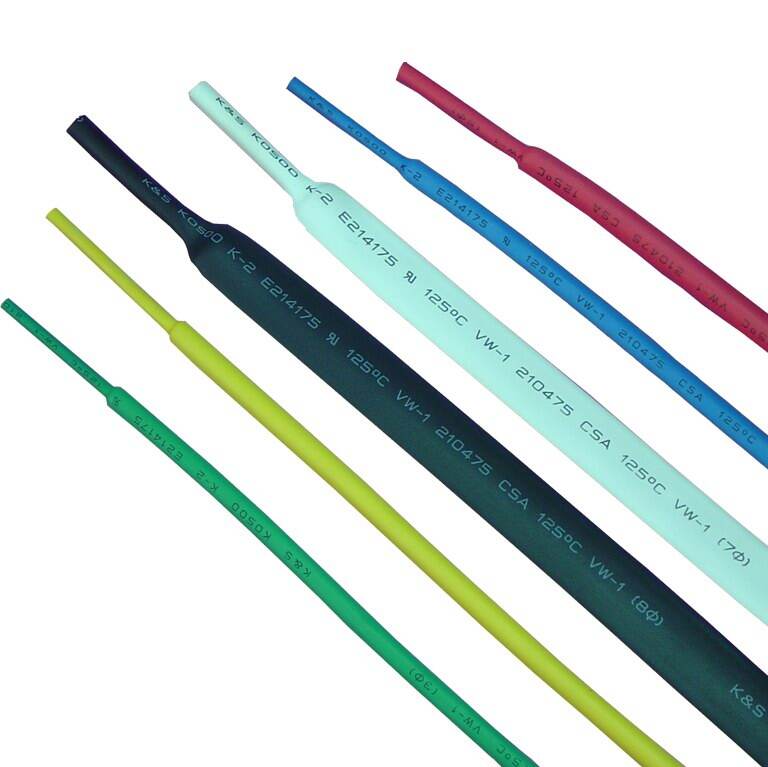
dual wall heat shrink tube
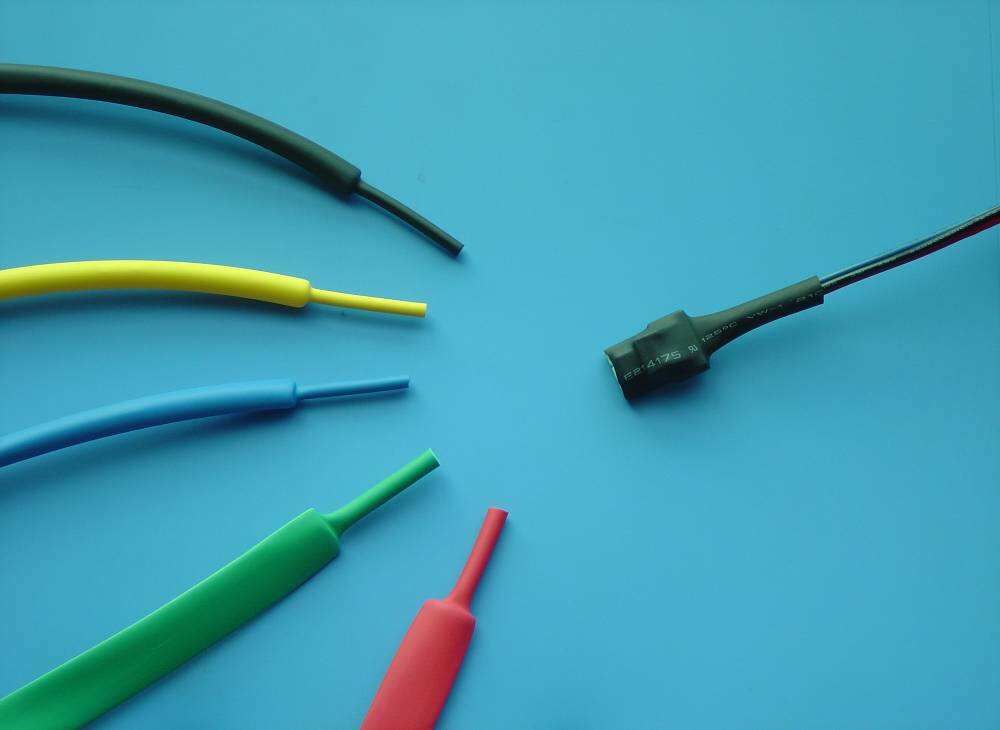
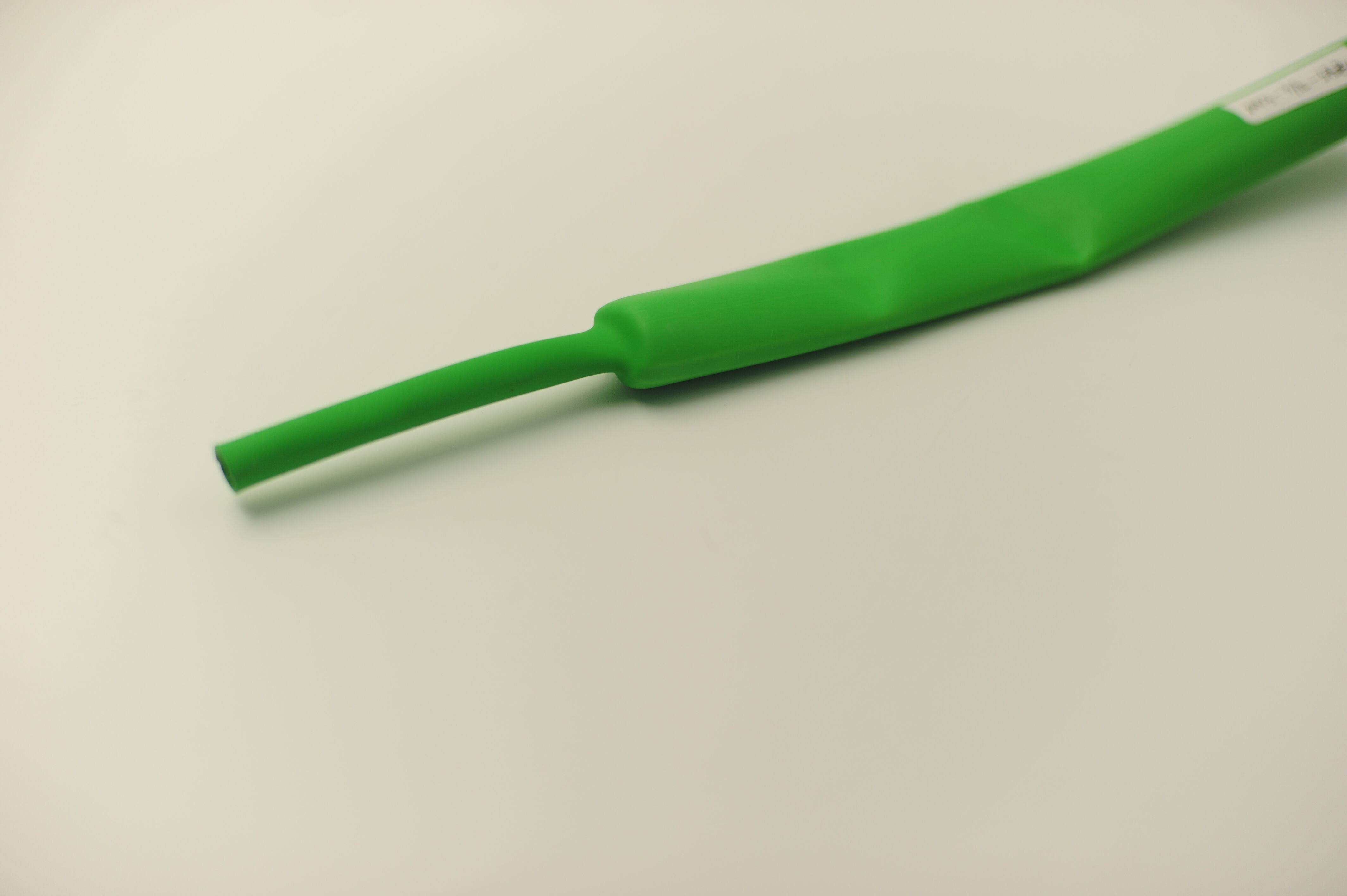
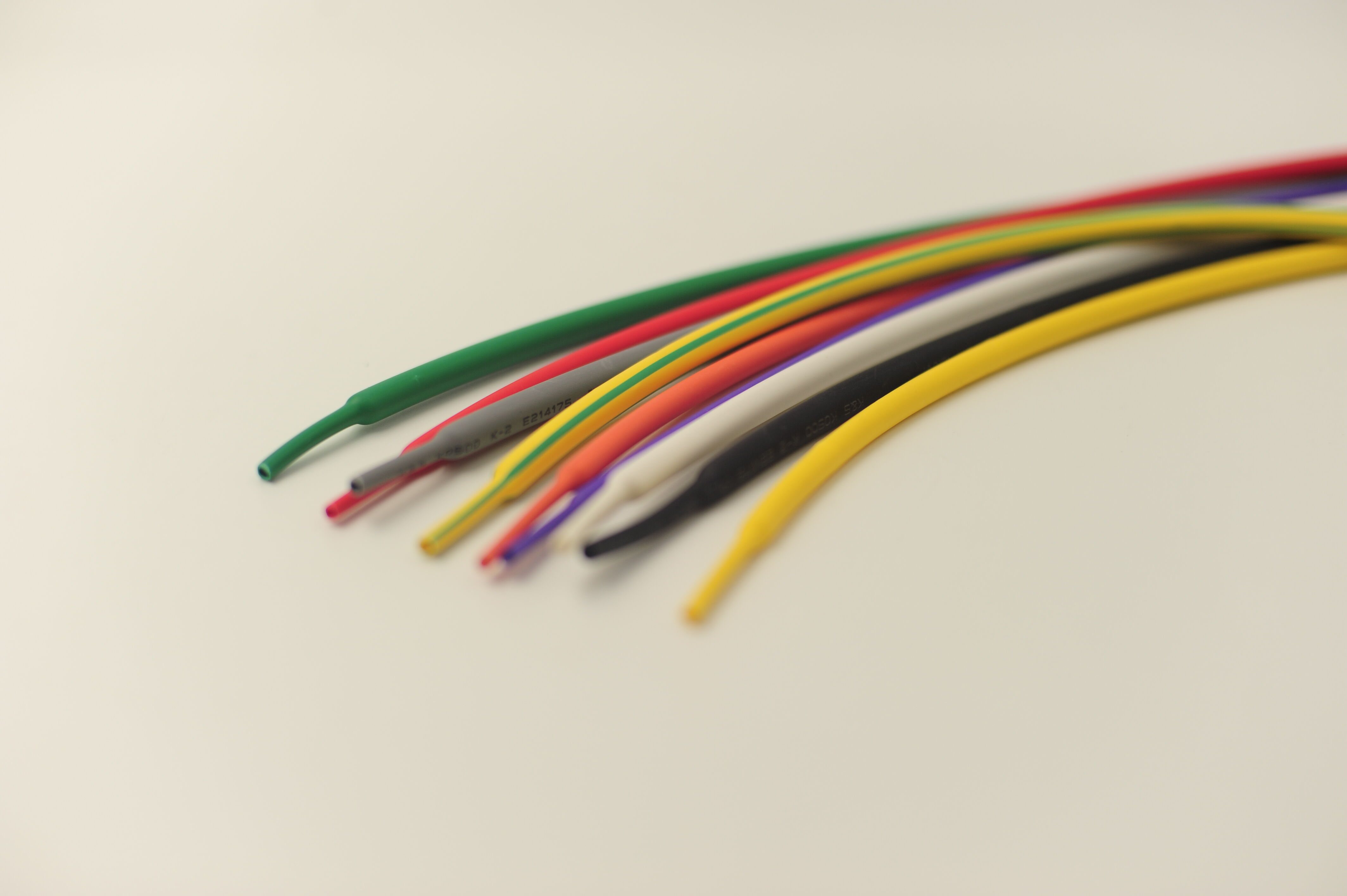
Dual wall heat shrink tube represents a sophisticated cable protection solution that combines advanced polymer technology with practical engineering design. This specialized tubing consists of two distinct layers: an outer cross-linked polyolefin layer that provides mechanical strength and environmental resistance, and an inner adhesive layer that creates a permanent, waterproof seal when heated. The dual wall heat shrink tube activates through controlled heat application, typically between 120-140 degrees Celsius, causing both layers to shrink uniformly while the inner adhesive flows to fill gaps and create an impermeable barrier. The main functions of dual wall heat shrink tube include electrical insulation, moisture protection, strain relief, and mechanical shielding for wire splices, cable joints, and component connections. Technological features encompass excellent dimensional stability, superior adhesion properties, UV resistance, chemical compatibility, and flame retardant characteristics that meet international safety standards. The outer wall maintains structural integrity under extreme temperatures ranging from -55 to 125 degrees Celsius, while the inner adhesive layer ensures complete environmental sealing even in harsh conditions. Applications span across telecommunications, automotive wiring, marine electronics, aerospace systems, industrial automation, and renewable energy installations. The dual wall heat shrink tube effectively protects against corrosion, vibration damage, and electrical interference in critical connections. Installation requires standard heat guns or ovens, making it accessible for both professional technicians and maintenance personnel. Quality dual wall heat shrink tube products typically feature longitudinal shrink ratios of 3:1 or 4:1, enabling coverage of various cable sizes with minimal inventory requirements. The technology ensures long-term reliability in outdoor environments, underground installations, and high-moisture applications where traditional single-wall solutions prove inadequate.

 EN
EN