×
×

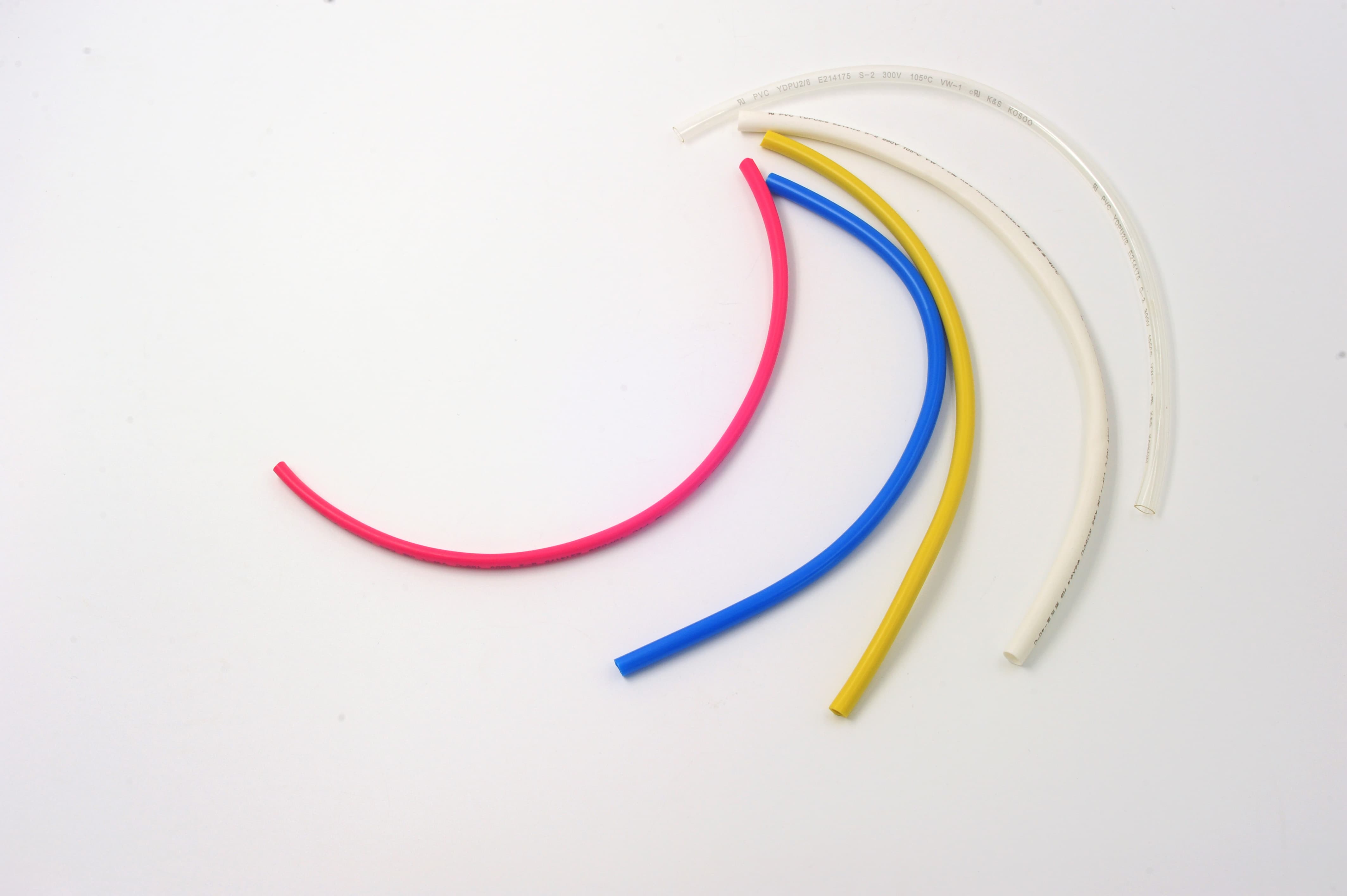
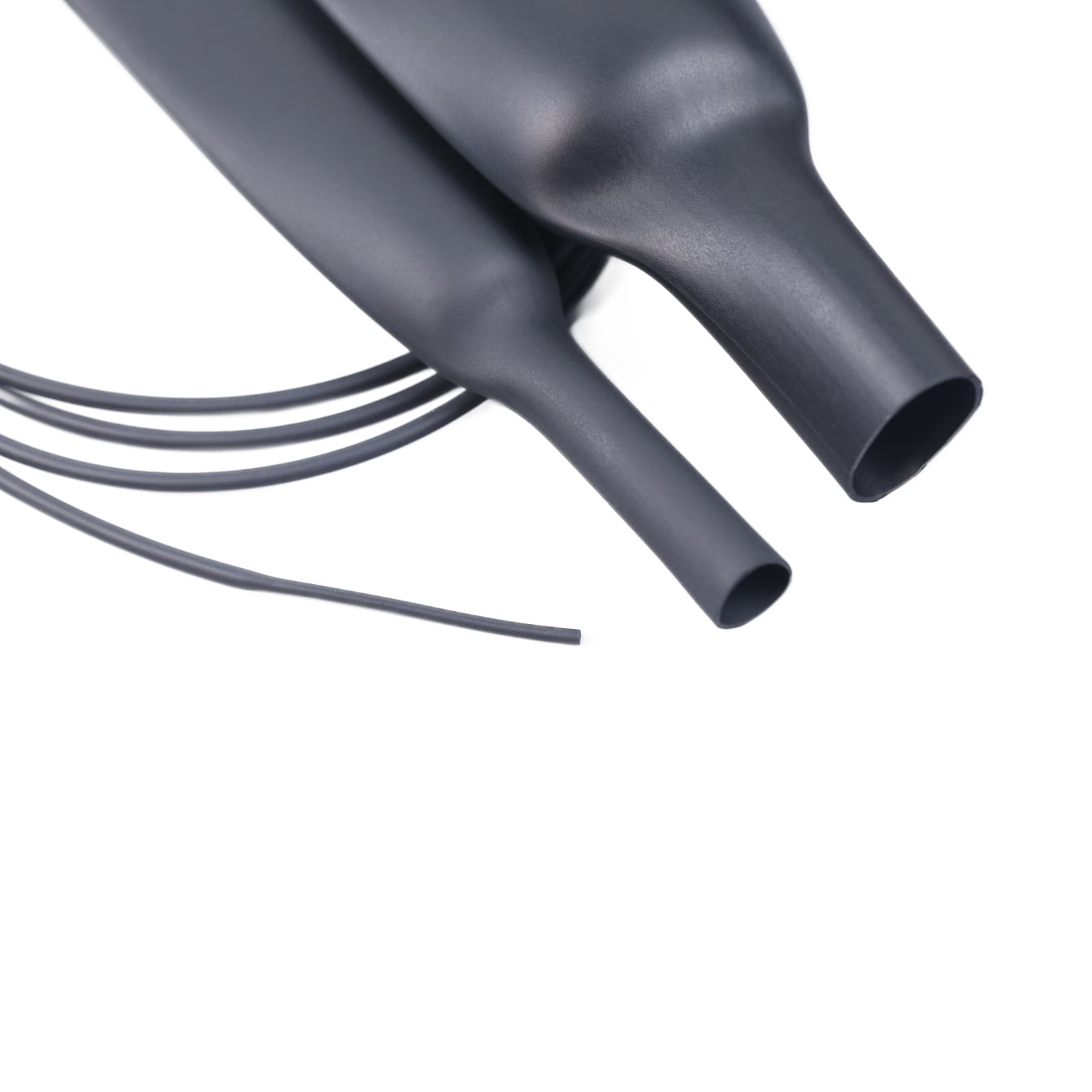
Heat shrink tubing is a widely used technology that evolved to solve practical industrial problems. Its basic working principle—applying heat to make a pre-stretched plastic tube shrink tightly around an object—was established in the late 1950s. Early materials like cross-linked polyolefins provided reliable insulation for aerospace and military wiring.
Over time, specialized materials were developed for different conditions. Heat-resistant types were created for high-temperature environments, while flexible, tough varieties were made for automotive and marine uses. An important practical advancement was adhesive-lined tubing, which melts when heated to form a waterproof seal, ideal for underground cable connections.
Electronics: Protecting wire connections, organizing cables, and color-coding wires.
Automotive & Aerospace: Shielding wiring from heat, oil, and vibration, and meeting industry safety standards.
Energy & Construction: Sealing and insulating electrical connections in buildings and renewable energy systems.
Medical: Insulating electronic components in devices, using safe, sterilizable materials.
Modern heat shrink tubing comes in various certified types, including some that are flame-retardant, extra thick for physical protection, or designed for military or specialized industrial use. Its development reflects how material science has responded to real-world engineering needs, resulting in a versatile product essential in today’s manufacturing and technology.
 Hot News
2026-06-10
2026-06-09
2026-03-10
2026-02-26
2026-02-25
2026-02-24
GUANGZHOU KAIHENG K&S CO.,LTD provides high-quality heat shrinkable tubes, solder sleeves, and wiring harness accessories for automotive, electronics, and telecom industries. UL224/ROHS/ISO9001 certified. Trusted global supplier — request a quote today.
No.148 Chang'an, Guangshan Highway, Huangpu District, Guangzhou 510520, Guangdong China.
Copyright © 2026 GUANGZHOU KAIHENG K&S CO.,LTD All Rights Reserved. Privacy Policy

 EN
EN