×
×

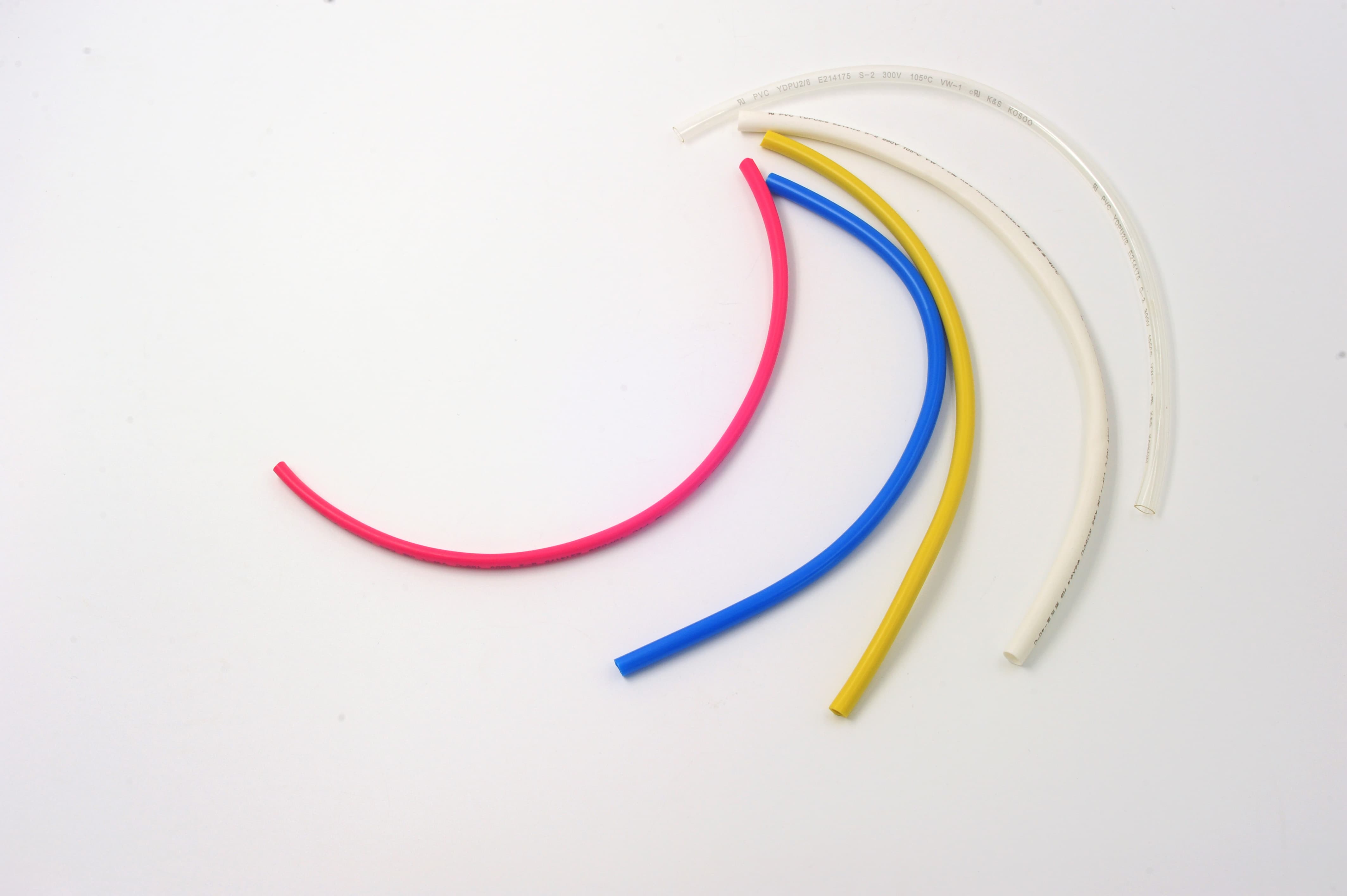
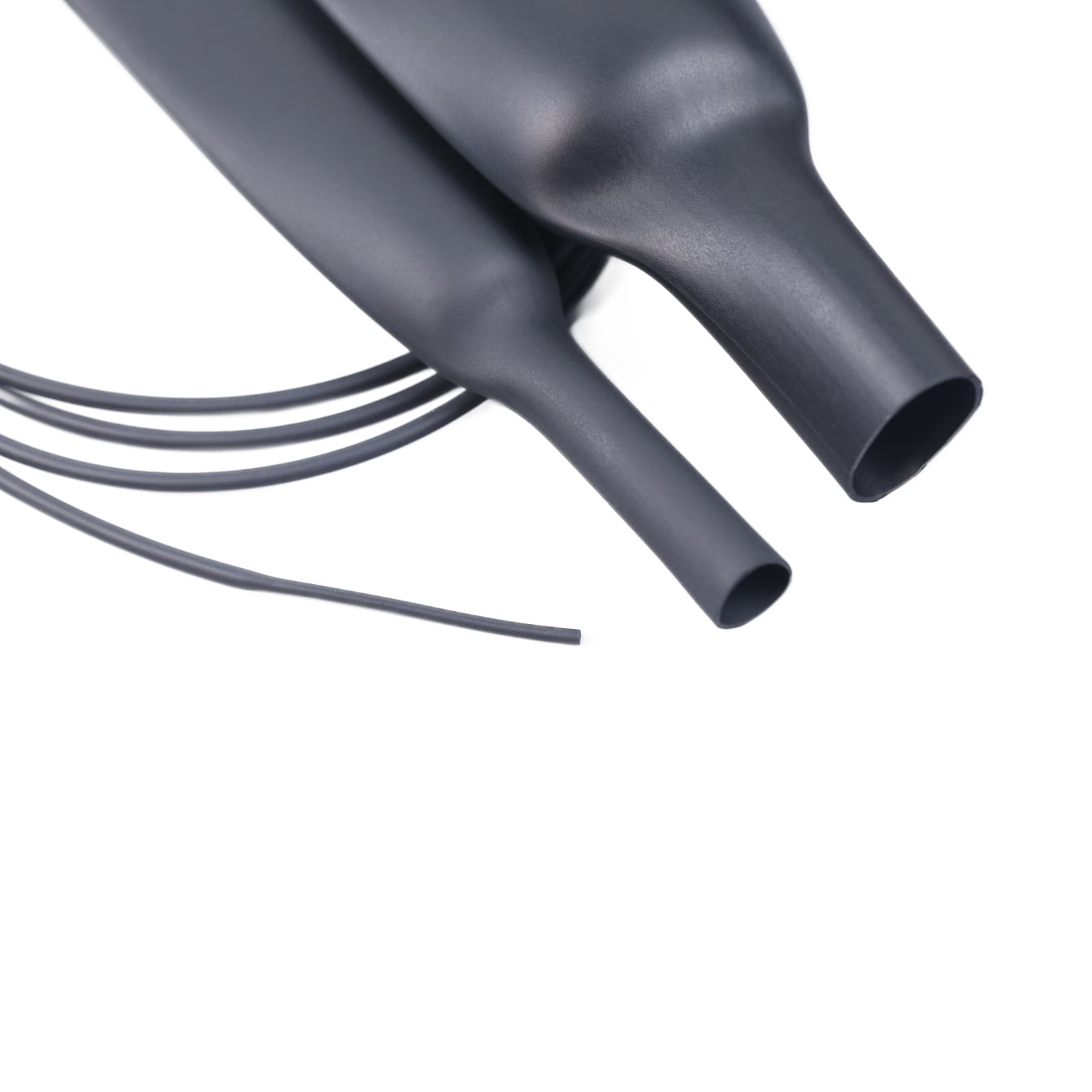
Heat shrink tubing possesses a remarkable shape-memory function that allows it to shrink upon heating, making it indispensable for sealing, insulating, protecting against corrosion and moisture, and labeling cables and pipelines. Since its invention, it has found widespread use across industries such as electronics, power, construction, transportation, oil and gas, chemical engineering, telecommunications, marine, aerospace, and defense.
The history of heat shrink tubing traces back to 1959 when A. Charlesby and his student Pinner filed the first patent for polyethylene heat shrink tubing on behalf of Raychem Corporation, marking a revolutionary milestone in heat-shrinkable materials. Shortly afterward, Raychem achieved mass production and popularized its polyethylene tubing globally. China developed its first-generation heat shrink tubing for the historic "Dongfanghong-1" satellite, though commercialization occurred much later compared to Western countries.
Today, the global heat shrink tubing market continues to expand, driven by increasing demand from emerging industries. With advancements in polymer technology, heat shrink tubing now offers superior performance, including enhanced temperature resistance and durability, ensuring its position as a vital material across diverse applications worldwide. As technology evolves, the potential for innovative heat shrink solutions remains vast, promising further growth in this dynamic industry.
 Hot News
2026-06-10
2026-06-09
2026-03-10
2026-02-26
2026-02-25
2026-02-24
GUANGZHOU KAIHENG K&S CO.,LTD provides high-quality heat shrinkable tubes, solder sleeves, and wiring harness accessories for automotive, electronics, and telecom industries. UL224/ROHS/ISO9001 certified. Trusted global supplier — request a quote today.
No.148 Chang'an, Guangshan Highway, Huangpu District, Guangzhou 510520, Guangdong China.
Copyright © 2026 GUANGZHOU KAIHENG K&S CO.,LTD All Rights Reserved. Privacy Policy

 EN
EN