heat shrink tubing for electronics
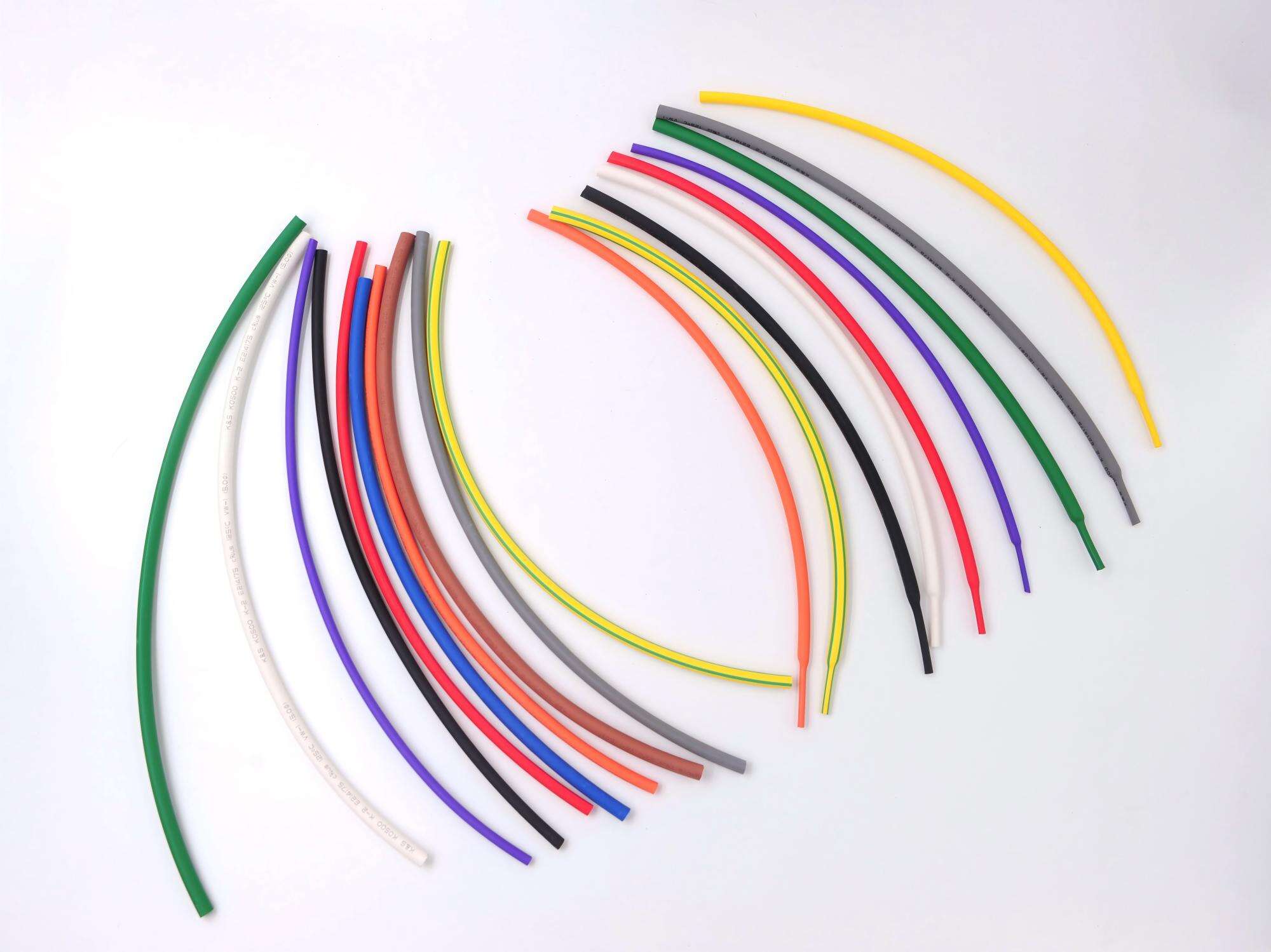
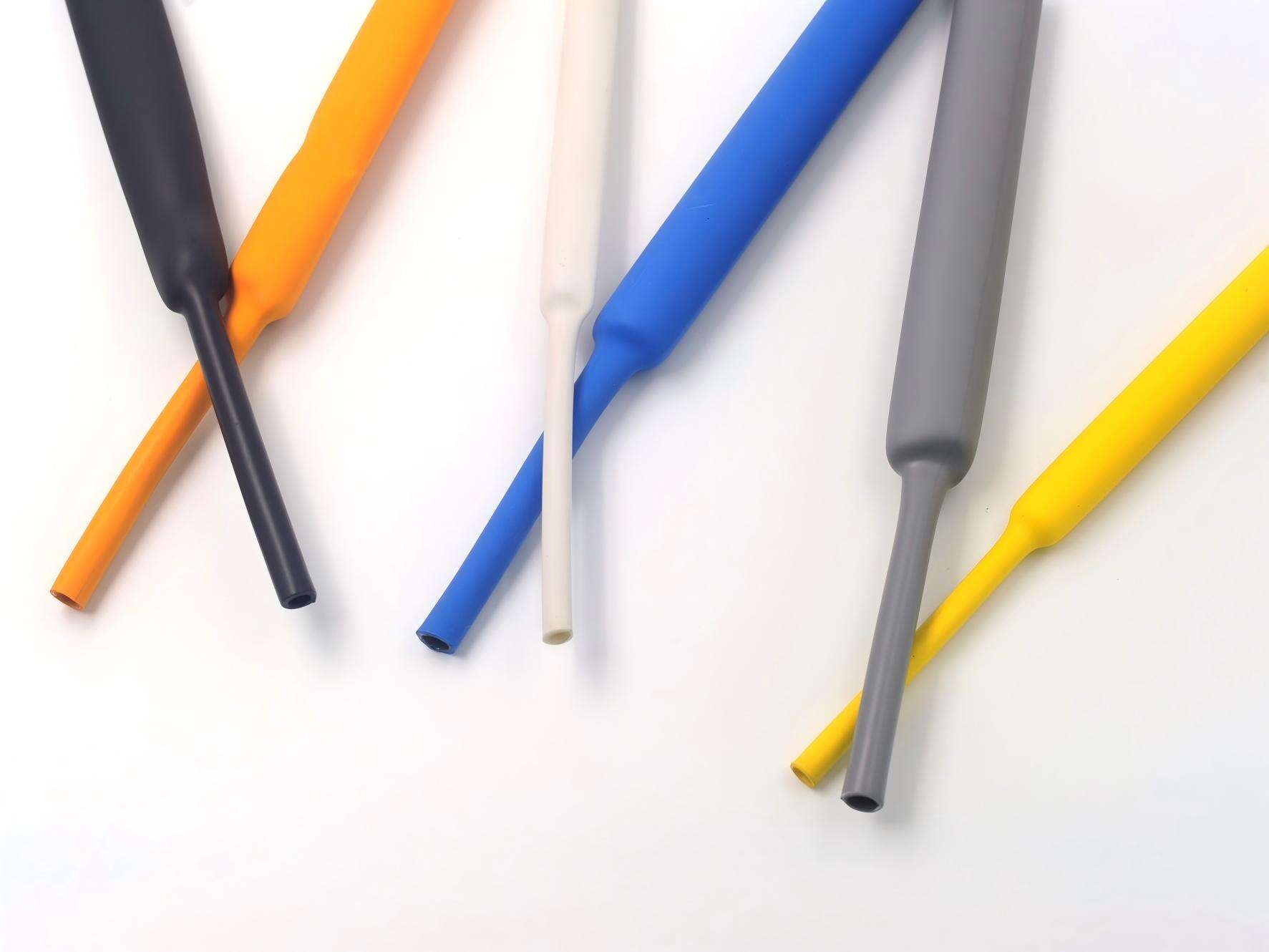
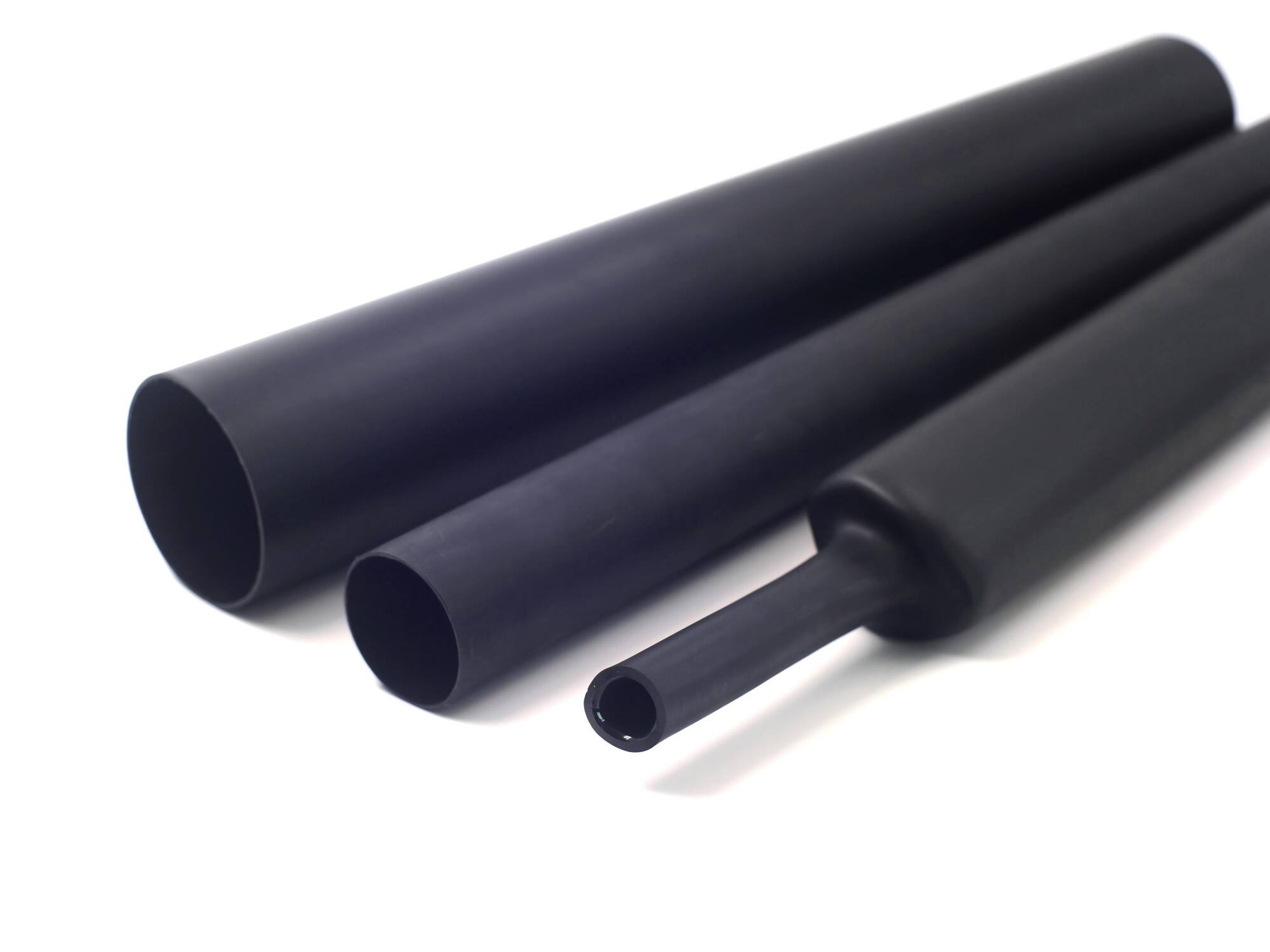
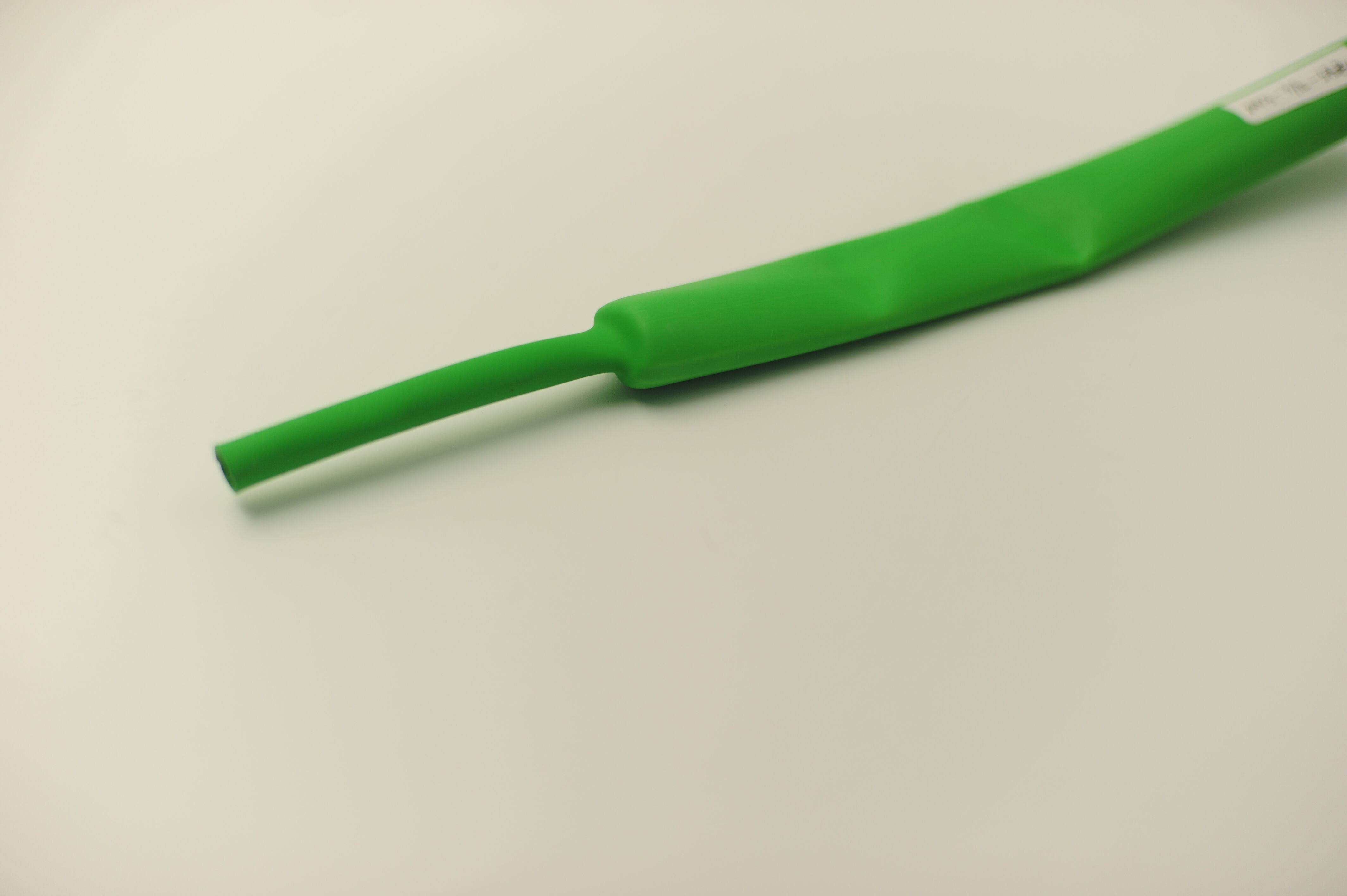
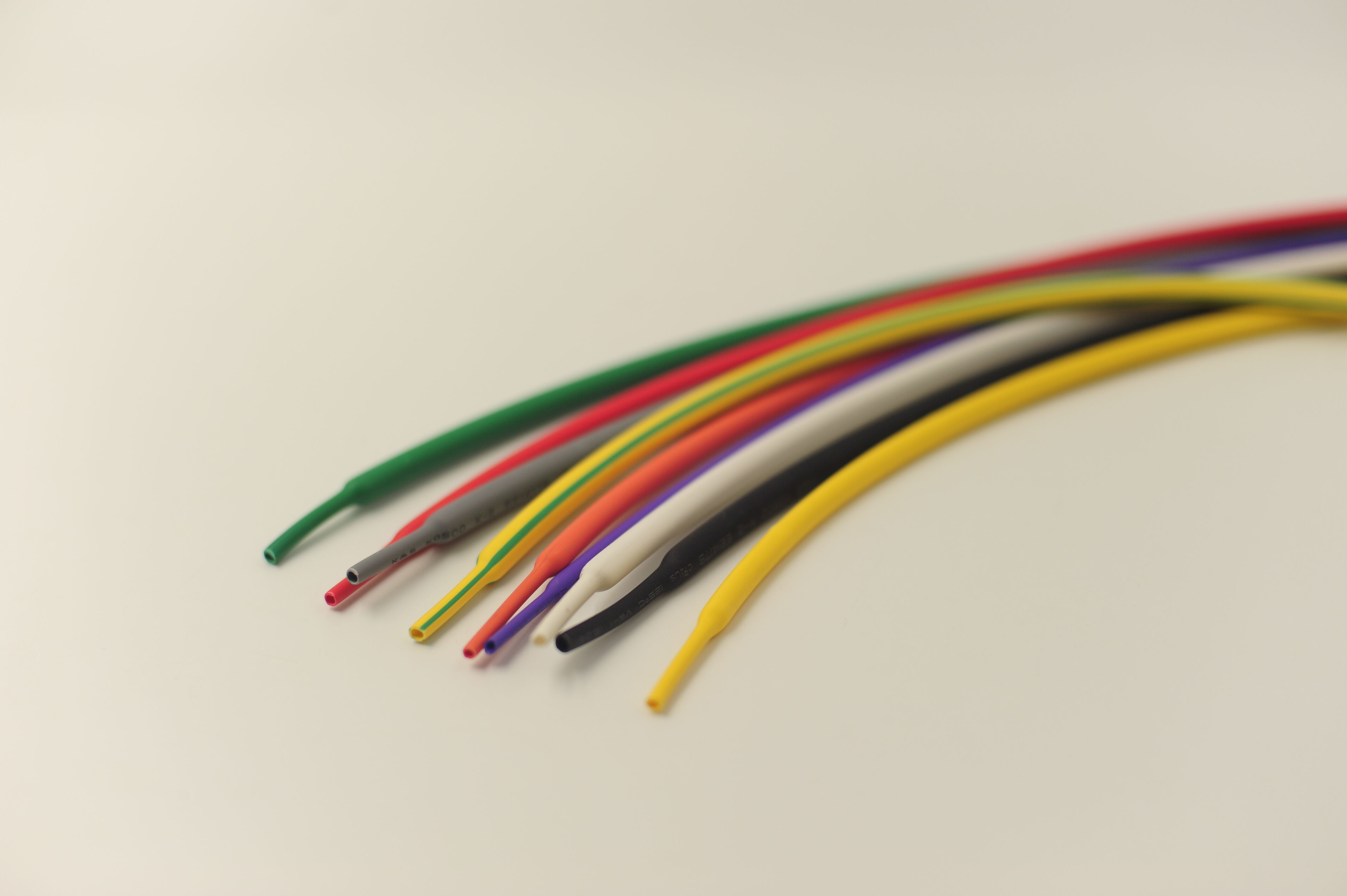
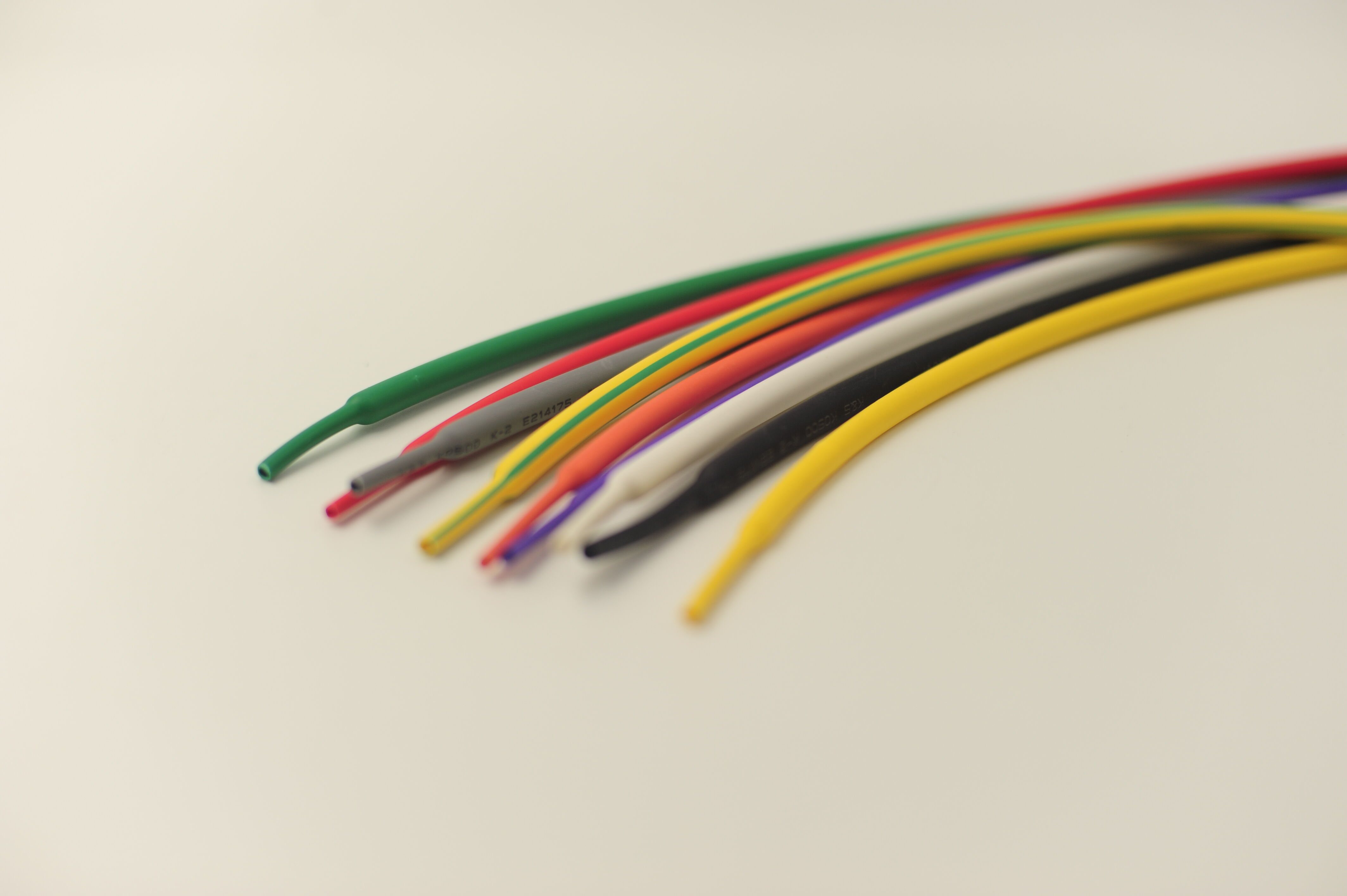
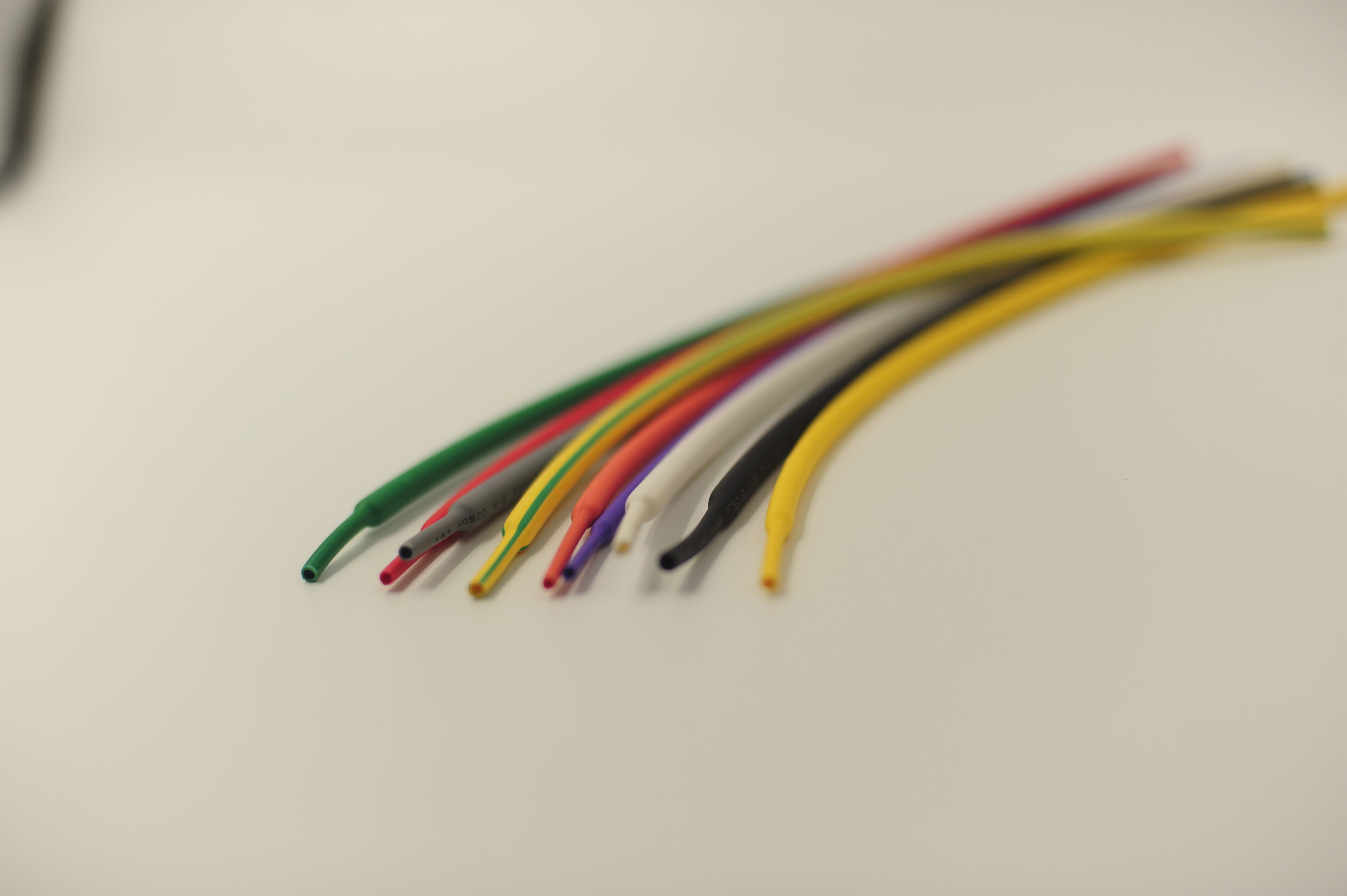
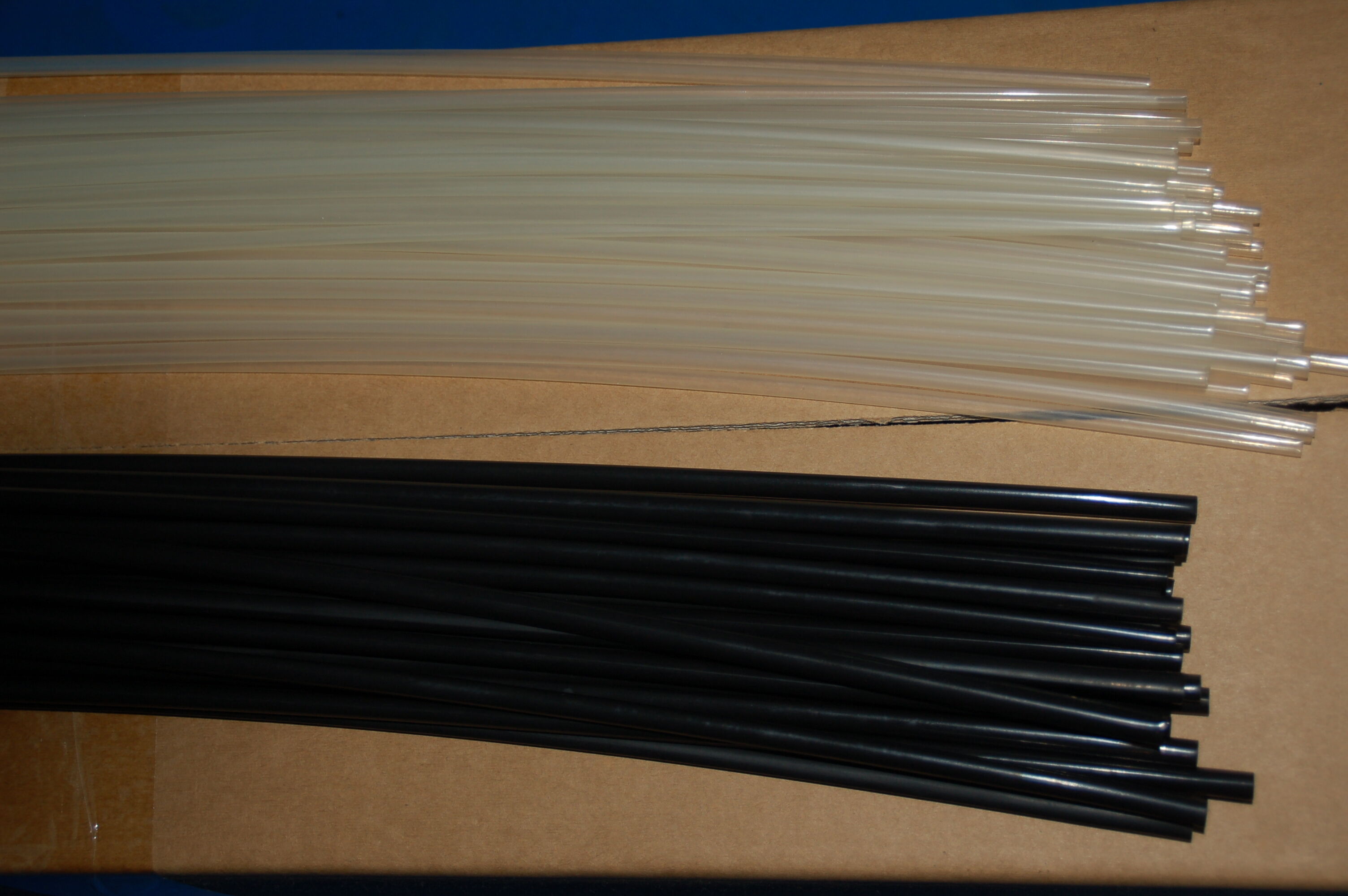
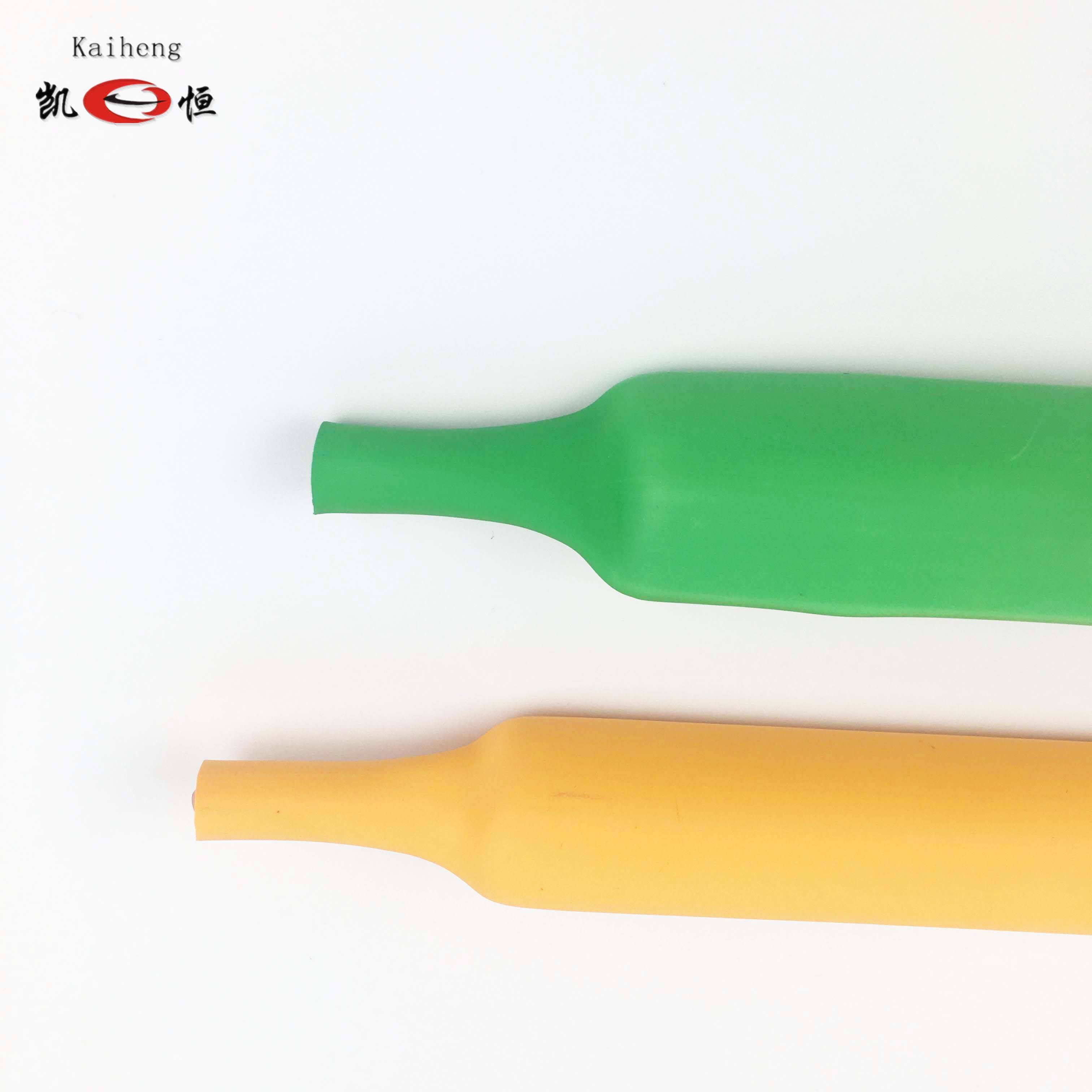
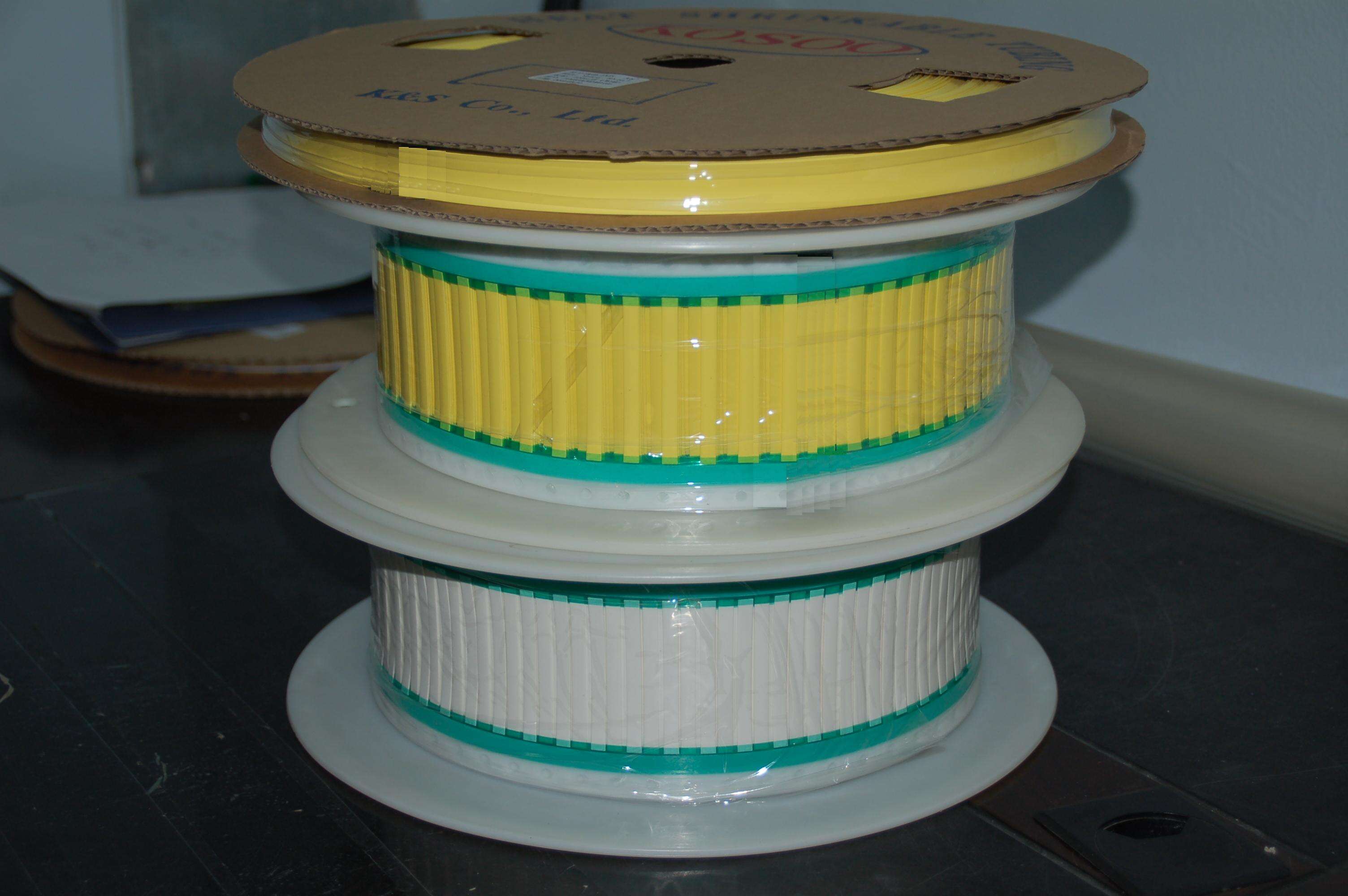
Heat shrink tubing for electronics represents a critical component in modern electrical and electronic applications, serving as a versatile protective solution that combines functionality with reliability. This specialized tubing material contracts uniformly when exposed to heat, creating a tight, secure fit around wires, cables, and electronic components. The fundamental principle behind heat shrink tubing for electronics involves a cross-linked polymer structure that has been expanded during manufacturing and retains memory of its original dimensions. When heated to specific activation temperatures, typically ranging from 70°C to 135°C depending on the material composition, the tubing shrinks to its original size, forming a protective sleeve that conforms precisely to the underlying substrate. The primary functions of heat shrink tubing for electronics encompass insulation, protection, strain relief, and component identification. As an insulating material, it prevents electrical shorts and reduces the risk of accidental contact with live conductors. The protective qualities shield sensitive components from environmental factors including moisture, dust, chemicals, and mechanical abrasion. Strain relief capabilities help prevent wire fatigue and connection failures at critical junction points. Technological features of modern heat shrink tubing for electronics include excellent dielectric strength, superior chemical resistance, and wide operating temperature ranges. Advanced formulations offer UV stability, flame retardancy, and specialized properties such as adhesive lining for enhanced sealing performance. The tubing maintains flexibility across temperature extremes while providing consistent shrinkage ratios, typically 2:1 or 3:1, ensuring reliable coverage. Applications span across telecommunications, automotive electronics, aerospace systems, consumer electronics, and industrial control systems. In telecommunications, heat shrink tubing for electronics protects fiber optic splices and cable connections. Automotive applications include wire harness protection and sensor cable management. The aerospace industry relies on heat shrink tubing for electronics to meet stringent reliability standards in harsh operating environments.

 EN
EN