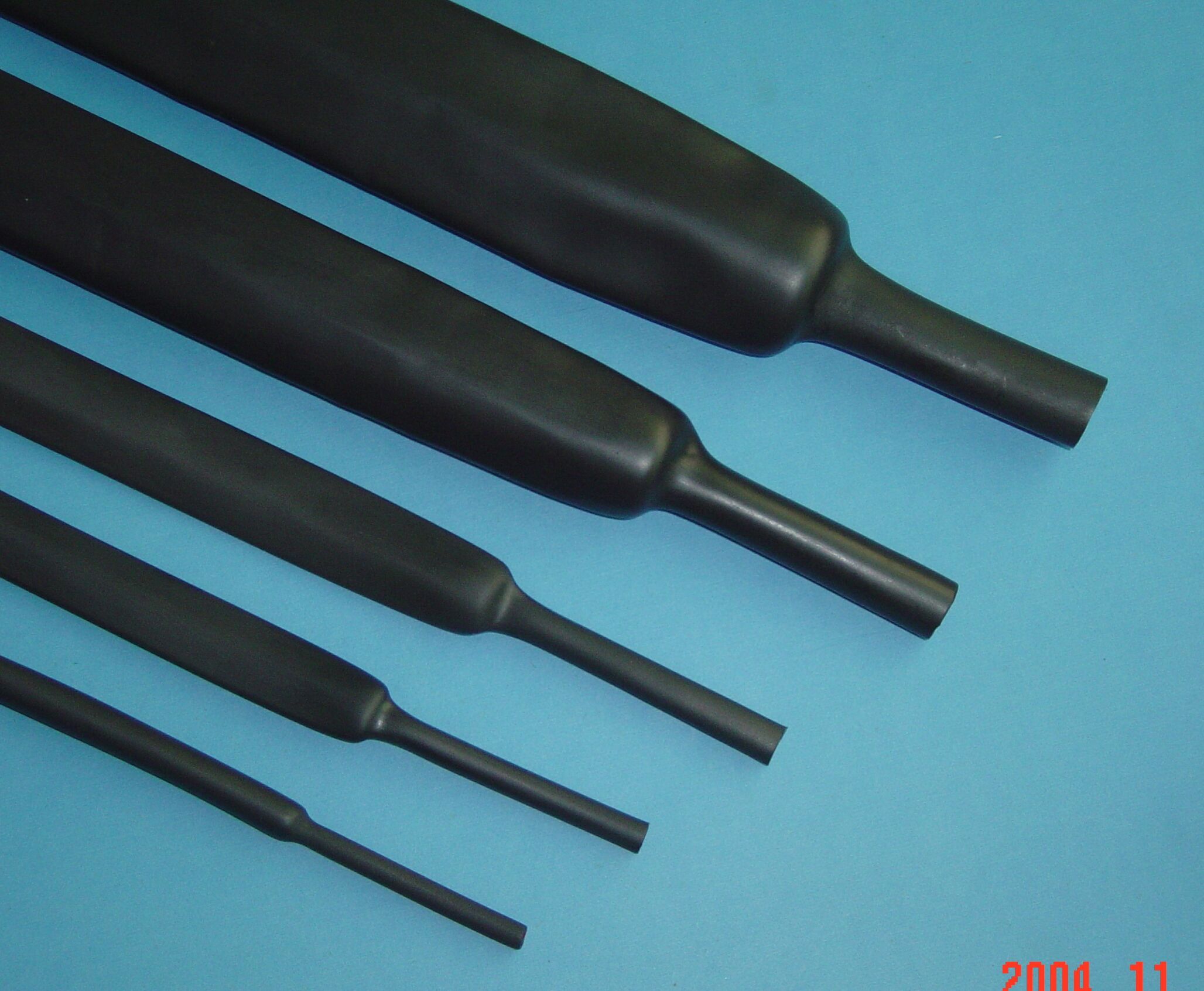
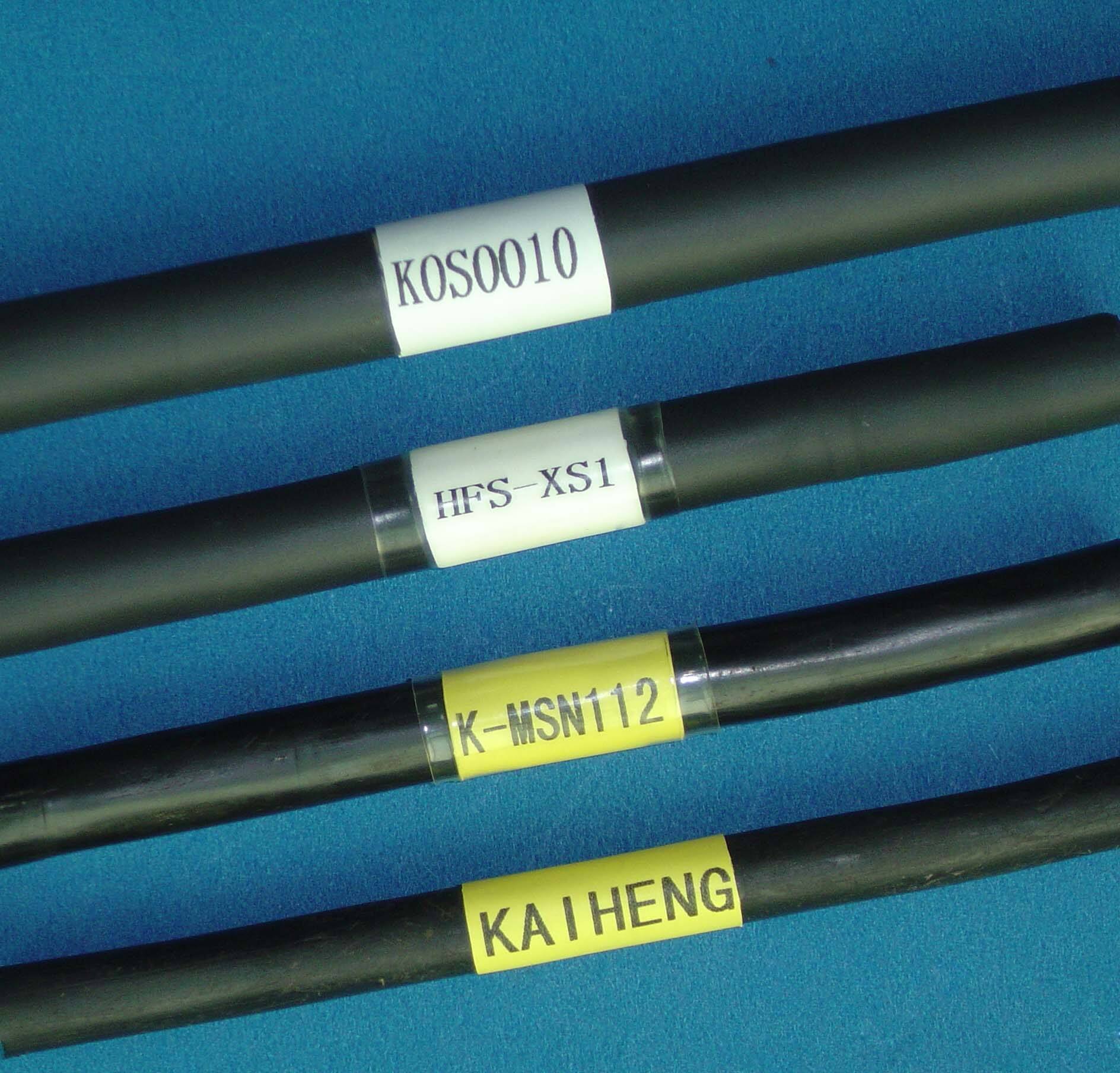
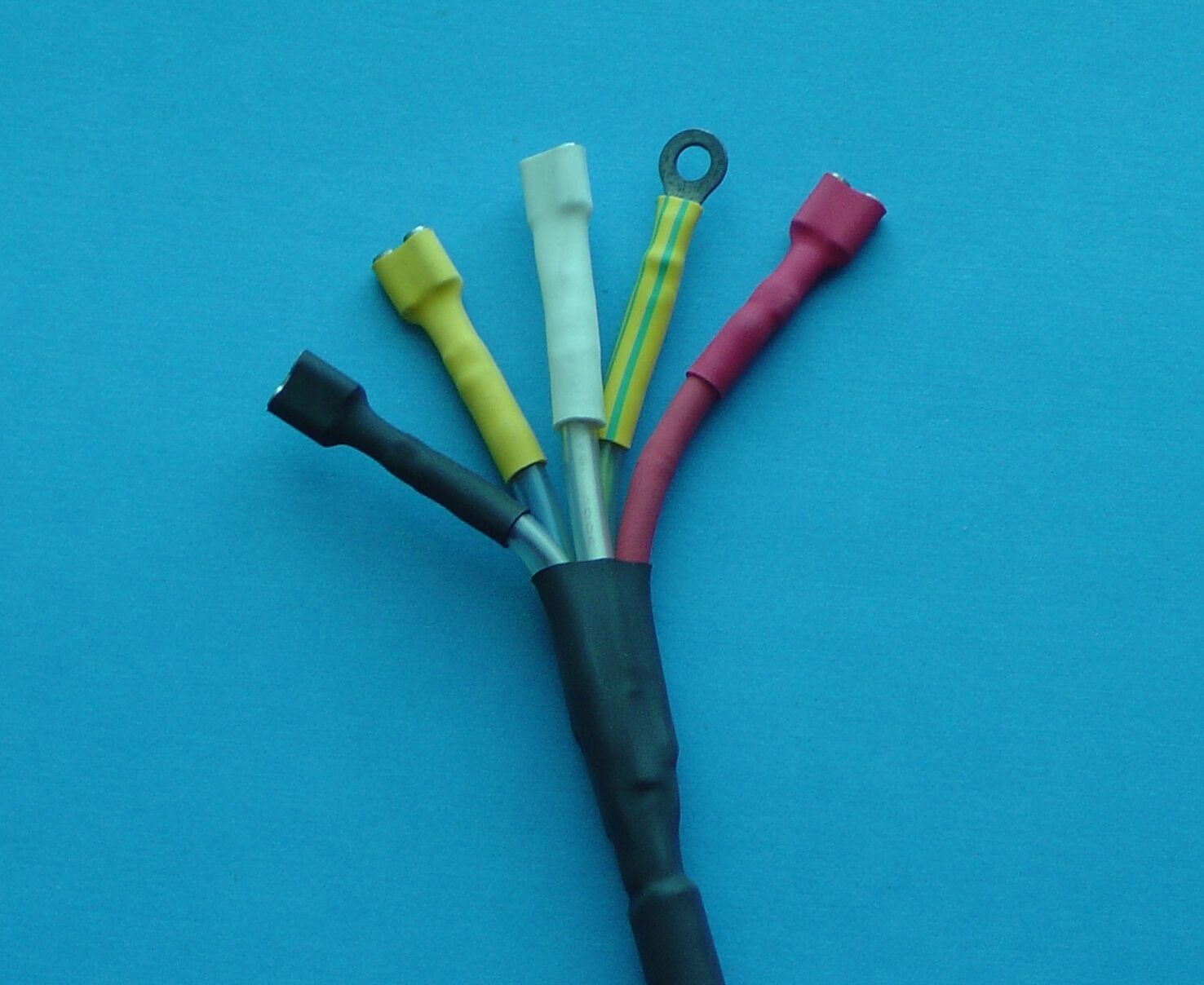
wire insulation tubing
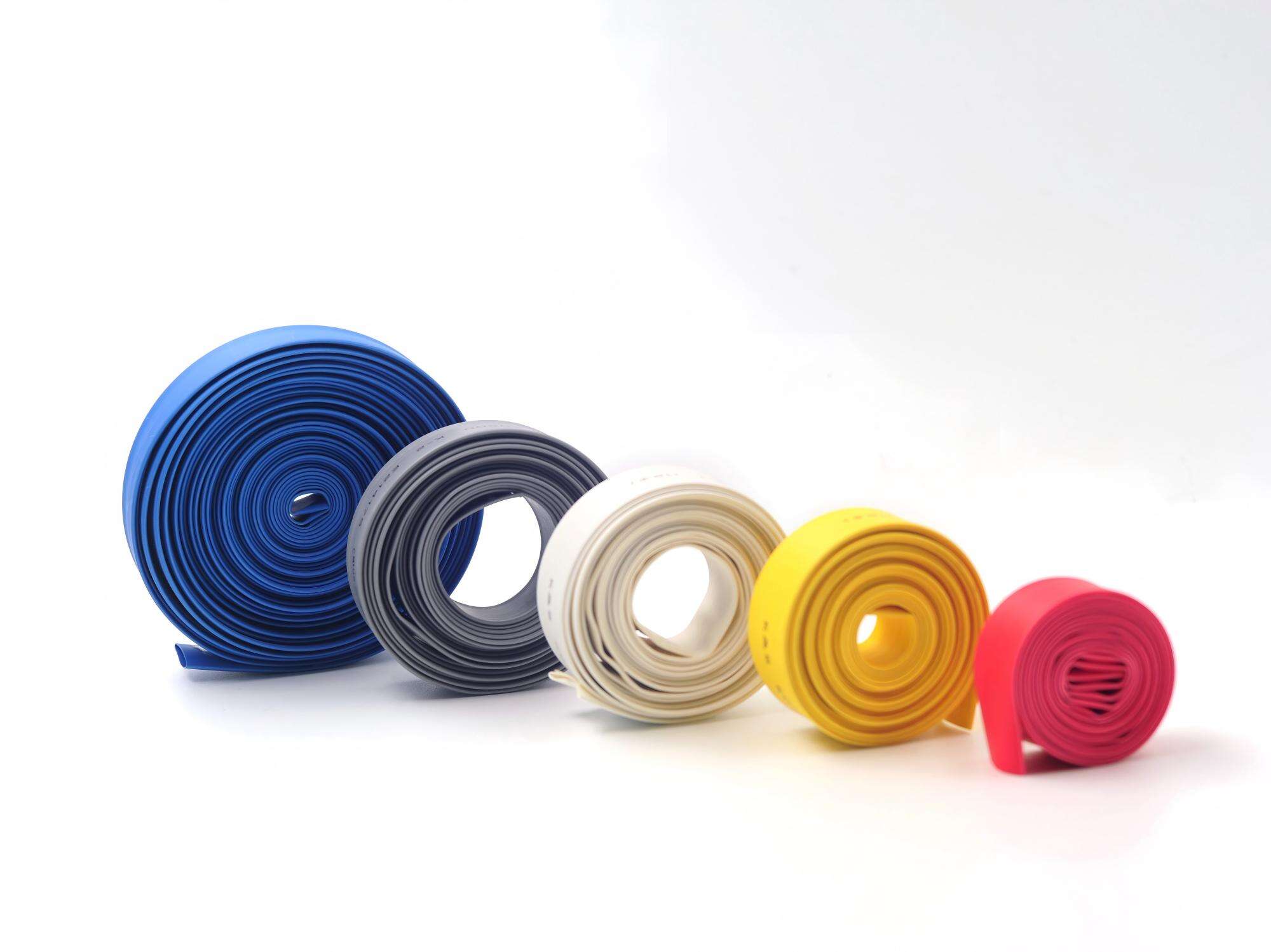
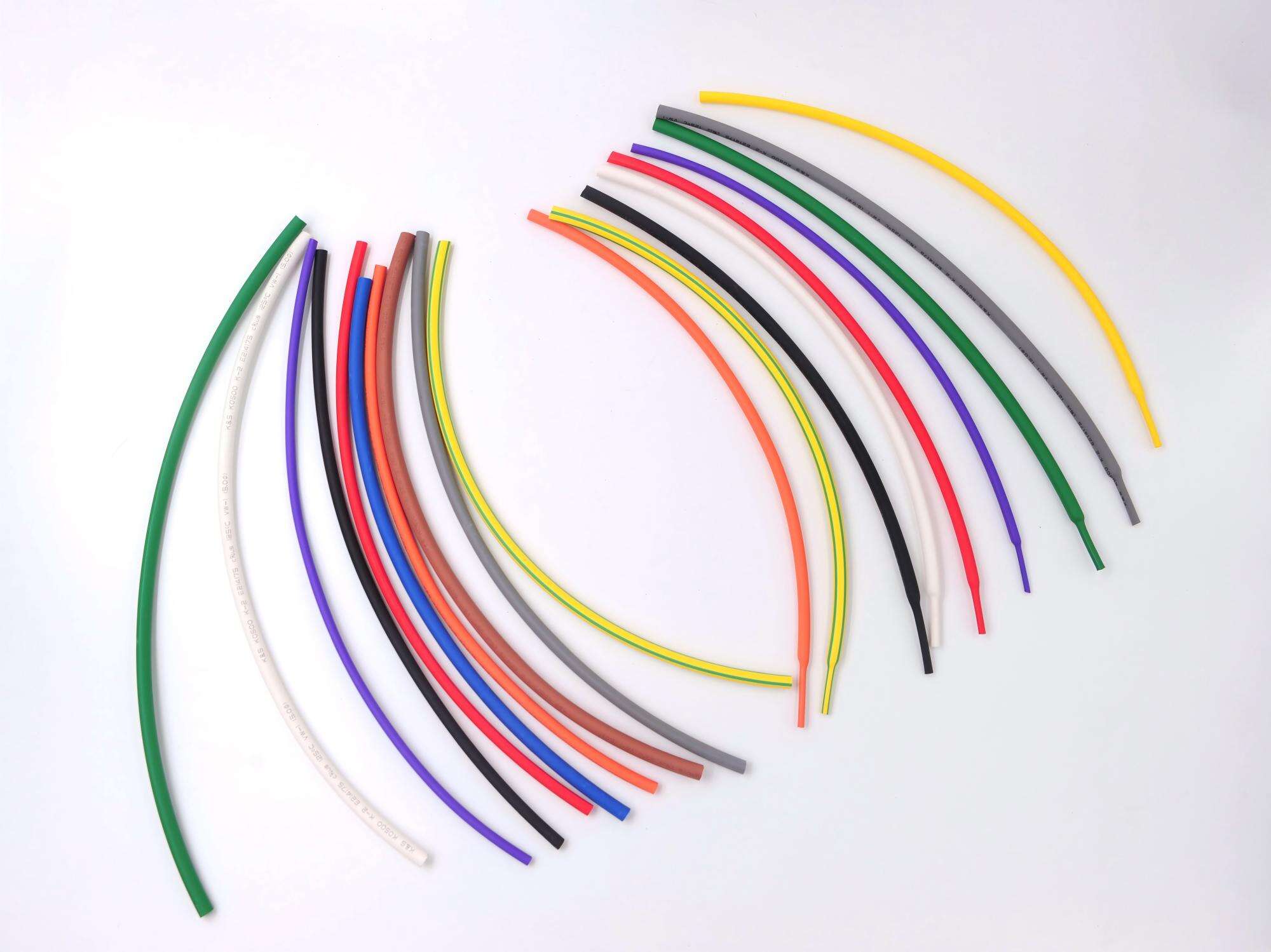
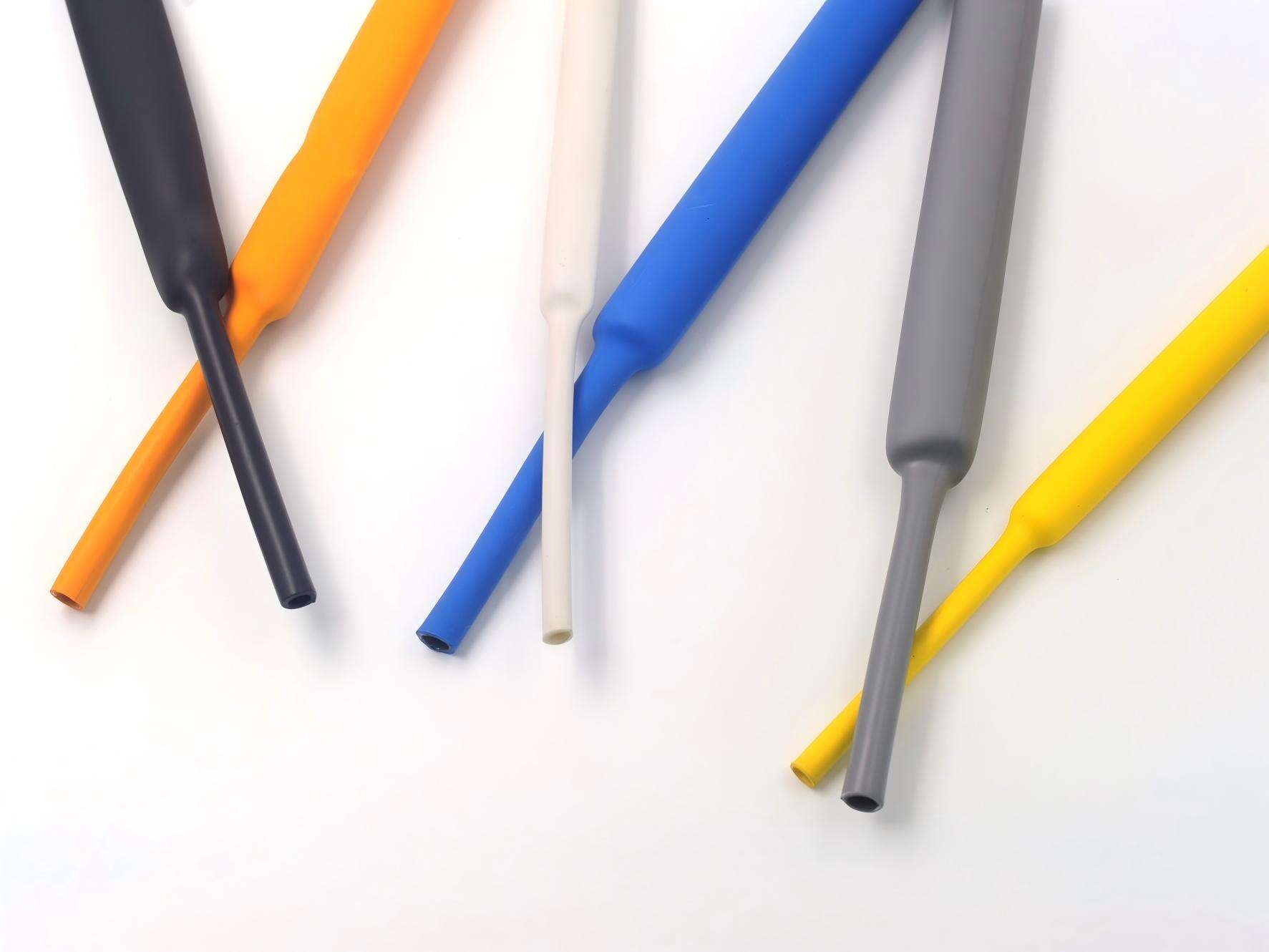
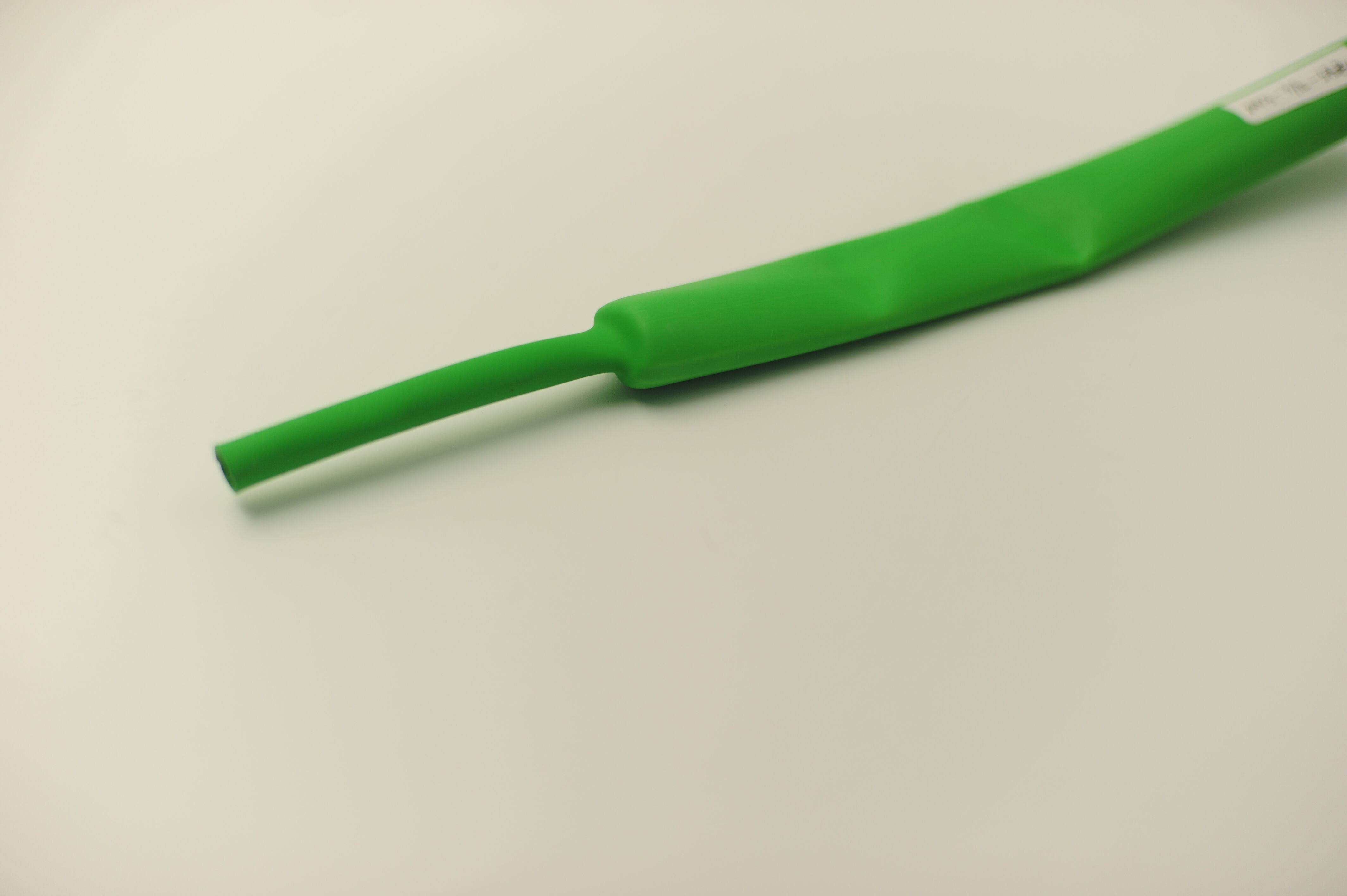
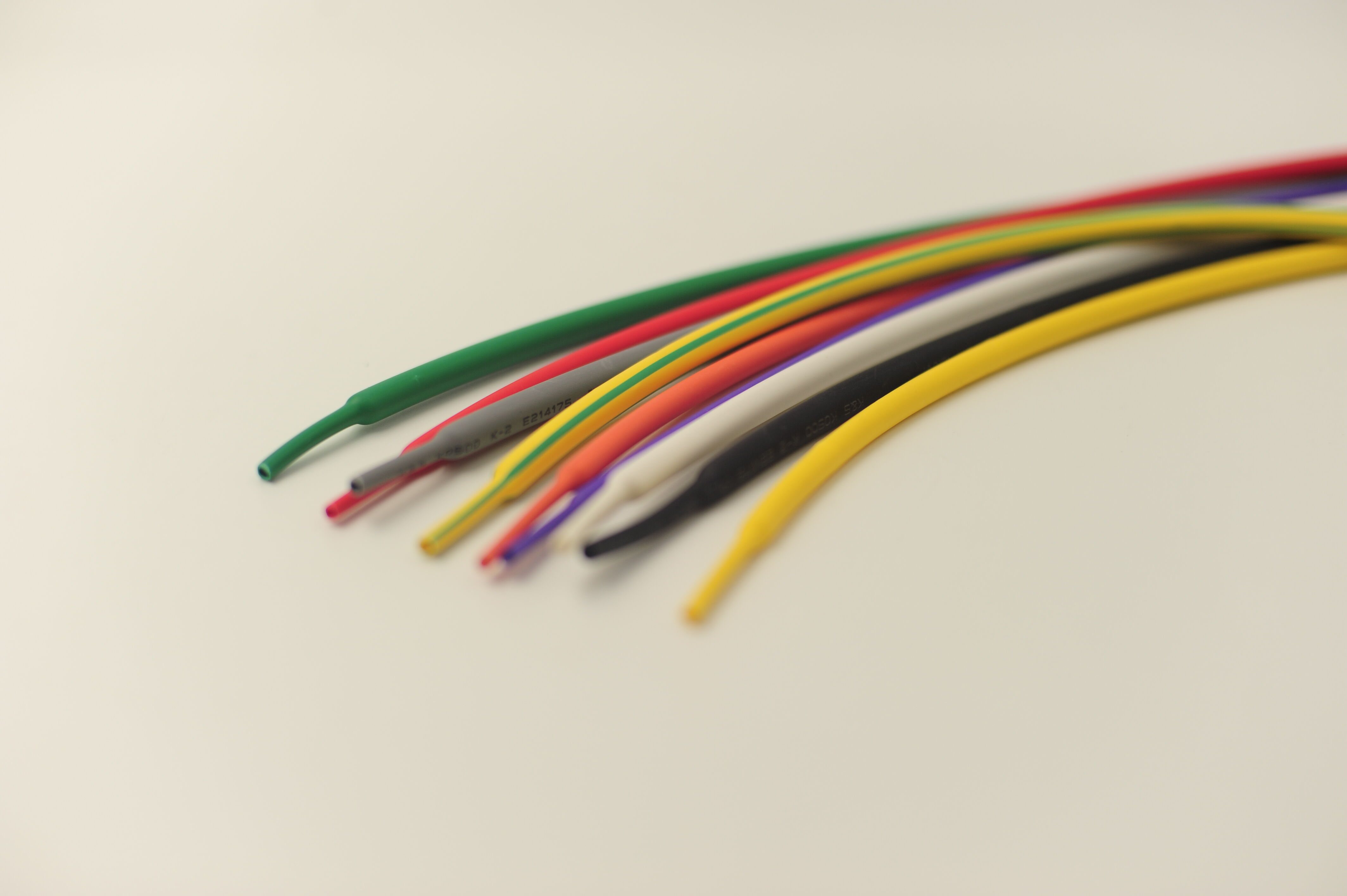
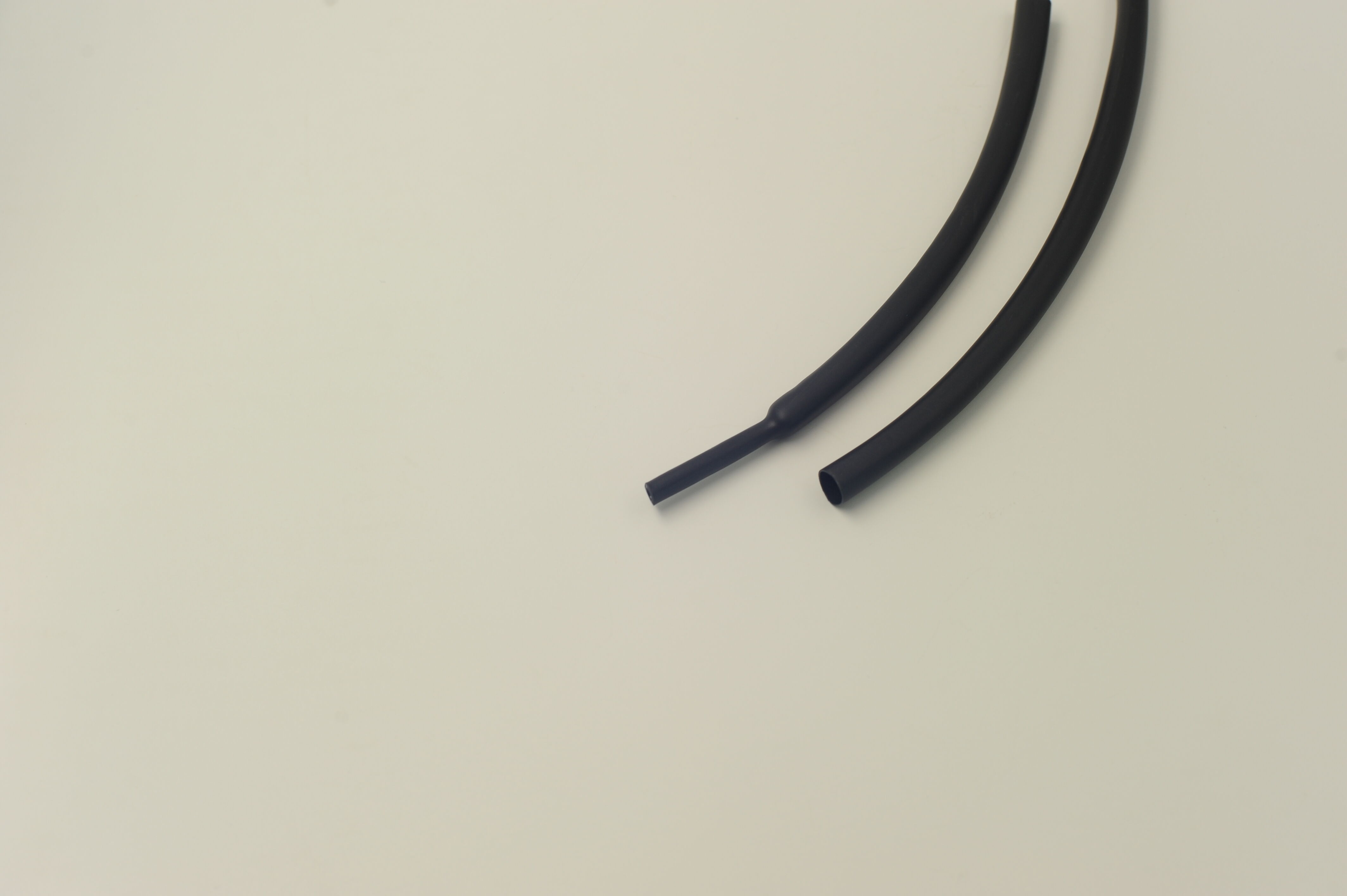
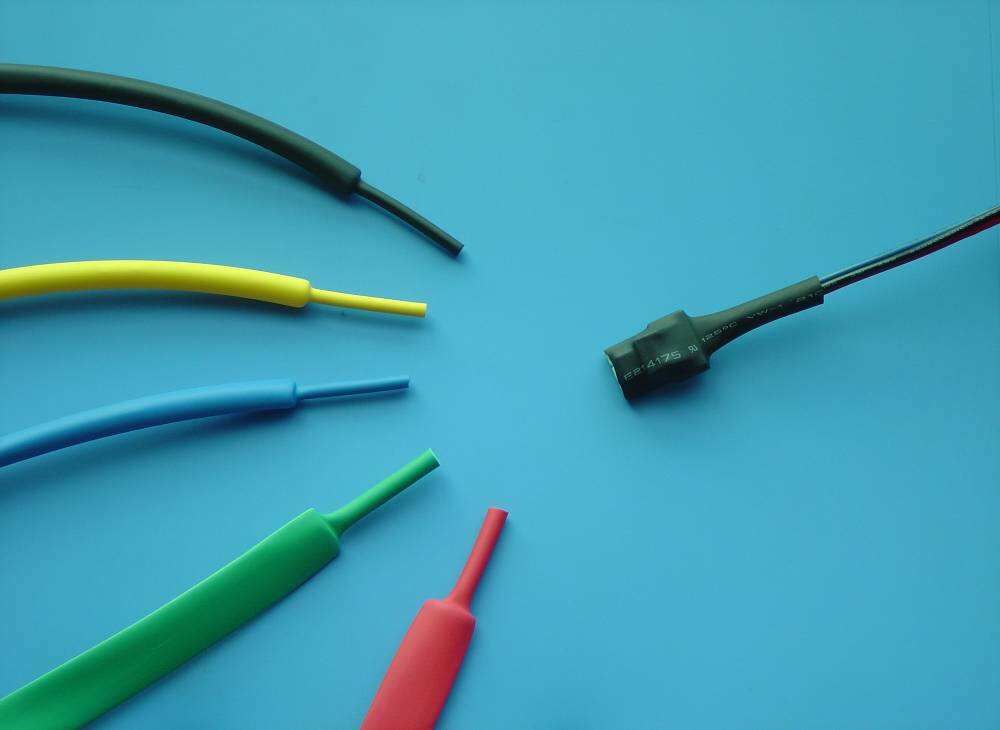
Wire insulation tubing represents a critical component in electrical systems, serving as protective covering that safeguards electrical conductors from environmental hazards and prevents dangerous electrical contact. This specialized tubing creates a barrier between live wires and external elements, ensuring safe operation across diverse applications. The primary function of wire insulation tubing involves electrical isolation, preventing current leakage and protecting against short circuits that could damage equipment or create safety hazards. Beyond electrical protection, this tubing shields wires from physical damage, moisture infiltration, chemical exposure, and temperature extremes. Modern wire insulation tubing incorporates advanced materials like polyvinyl chloride, polyethylene, cross-linked polyethylene, and fluoropolymers, each offering distinct performance characteristics. These materials provide excellent dielectric properties, maintaining electrical integrity even under challenging conditions. The technological features of wire insulation tubing include flame retardancy, which prevents fire propagation along wire paths, and UV resistance that protects against solar degradation in outdoor installations. Many variants offer flexibility that accommodates wire movement and vibration without cracking or compromising protective qualities. Temperature resistance allows operation in extreme environments, from arctic conditions to high-heat industrial settings. Chemical resistance protects against corrosive substances commonly found in industrial and marine environments. Wire insulation tubing finds applications across automotive systems, where it protects vehicle wiring harnesses from engine heat and road debris. Aerospace applications demand lightweight yet robust protection for aircraft electrical systems. Industrial machinery relies on this tubing to protect control cables and power lines in manufacturing environments. Residential and commercial building wiring systems utilize insulation tubing to ensure safe electricity distribution. Marine applications require specialized variants that resist saltwater corrosion and humidity. Telecommunications infrastructure depends on wire insulation tubing to protect data transmission lines from interference and environmental damage, ensuring reliable communication networks worldwide.

 EN
EN