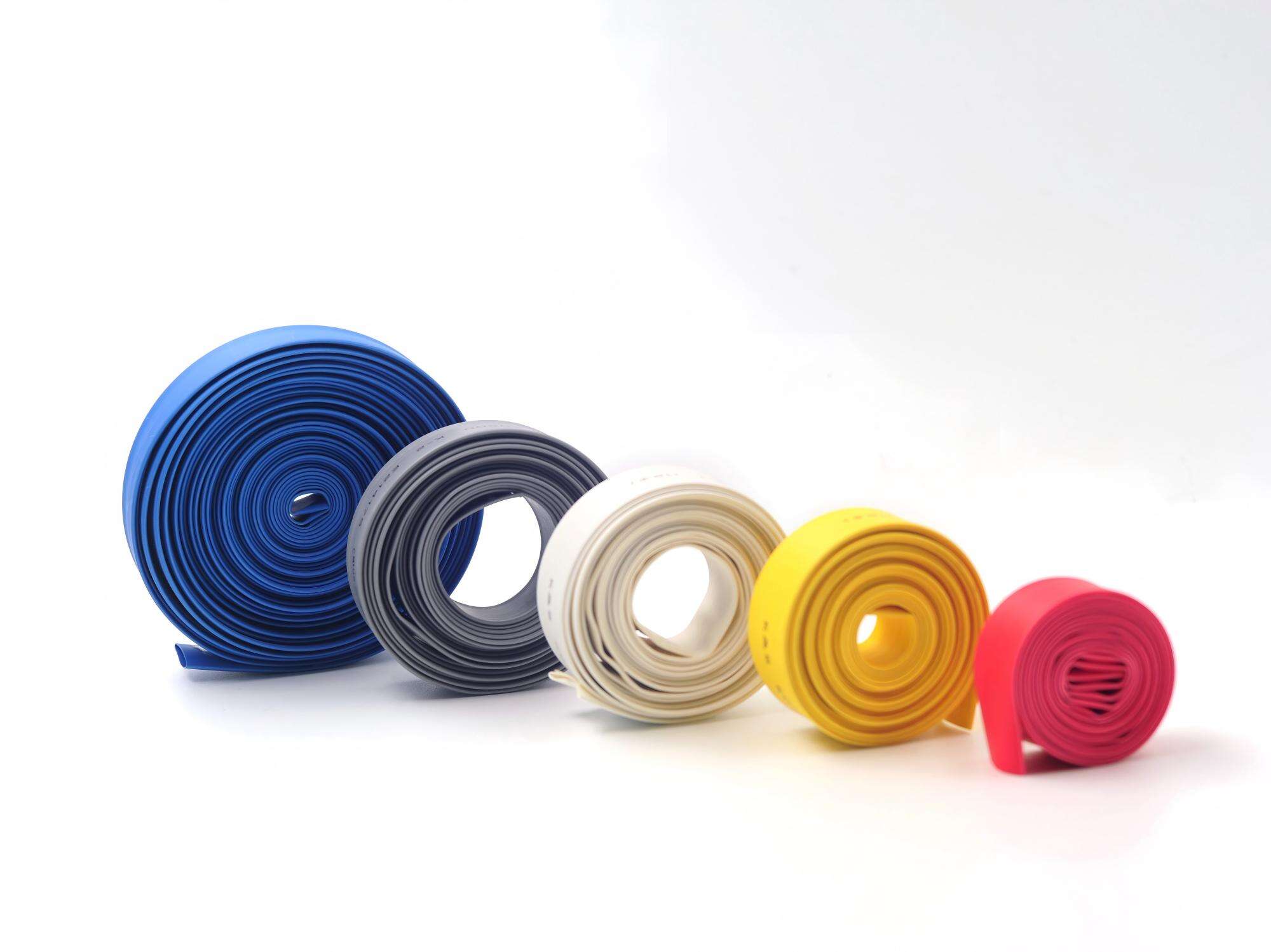
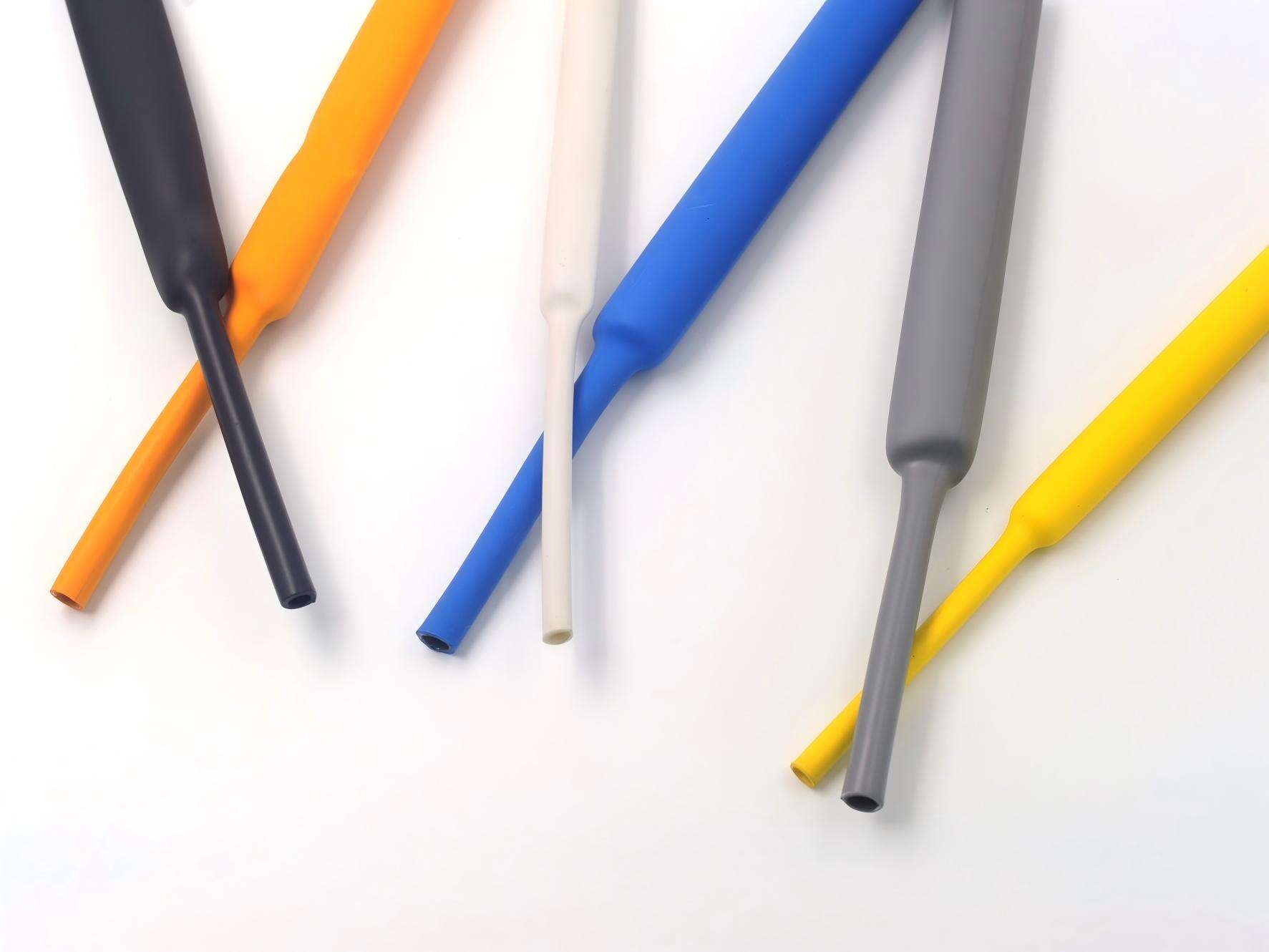
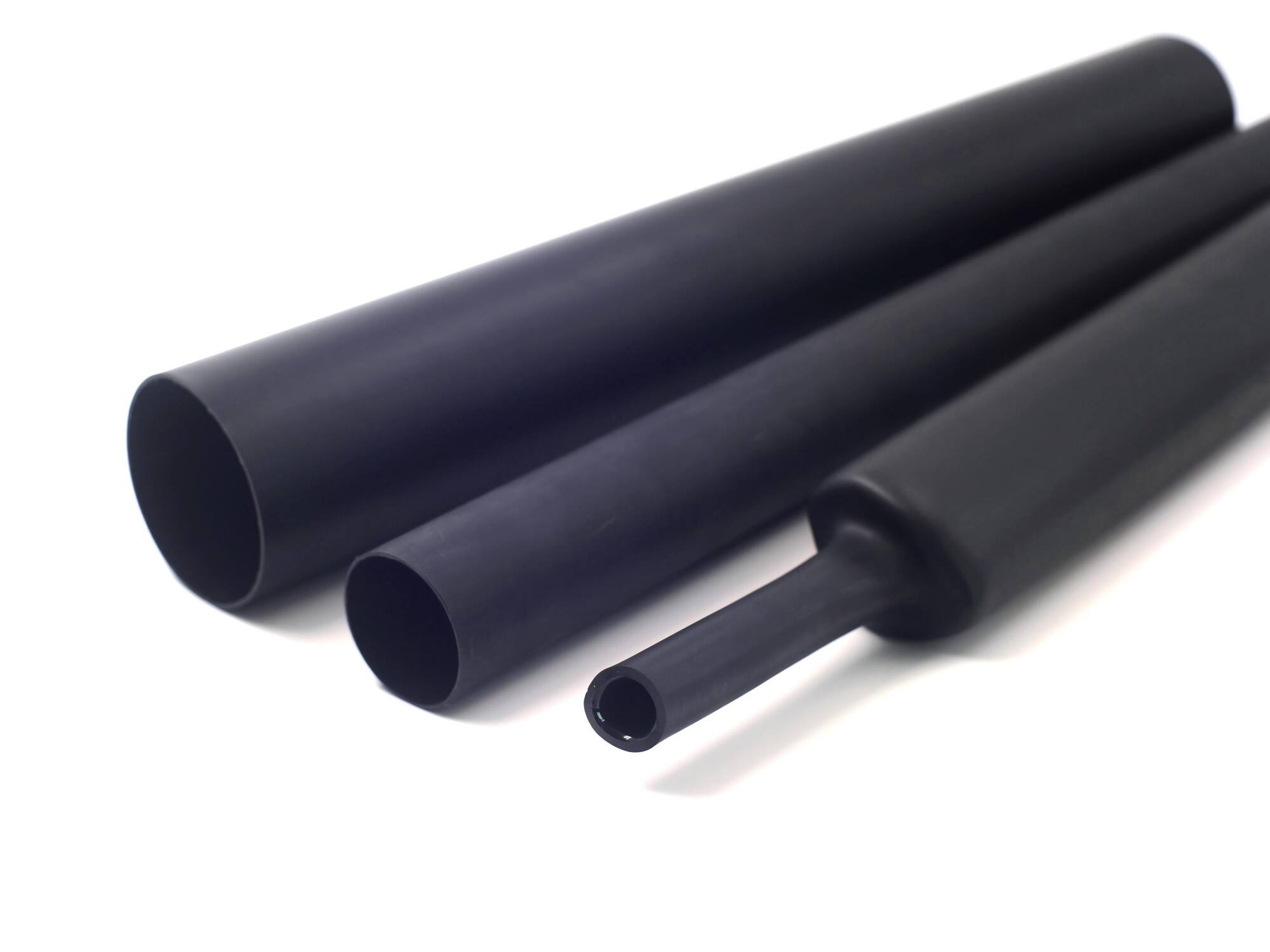
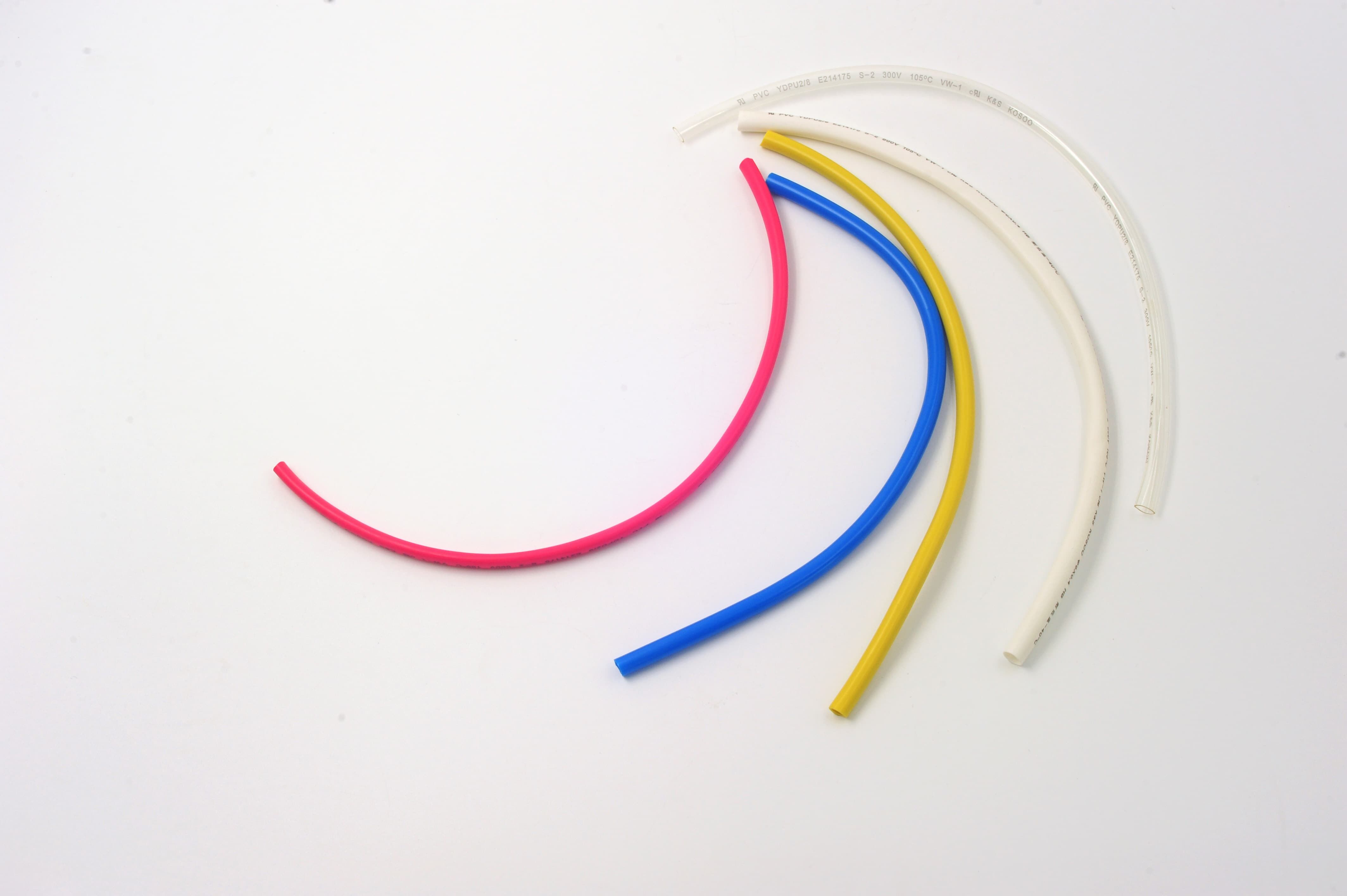
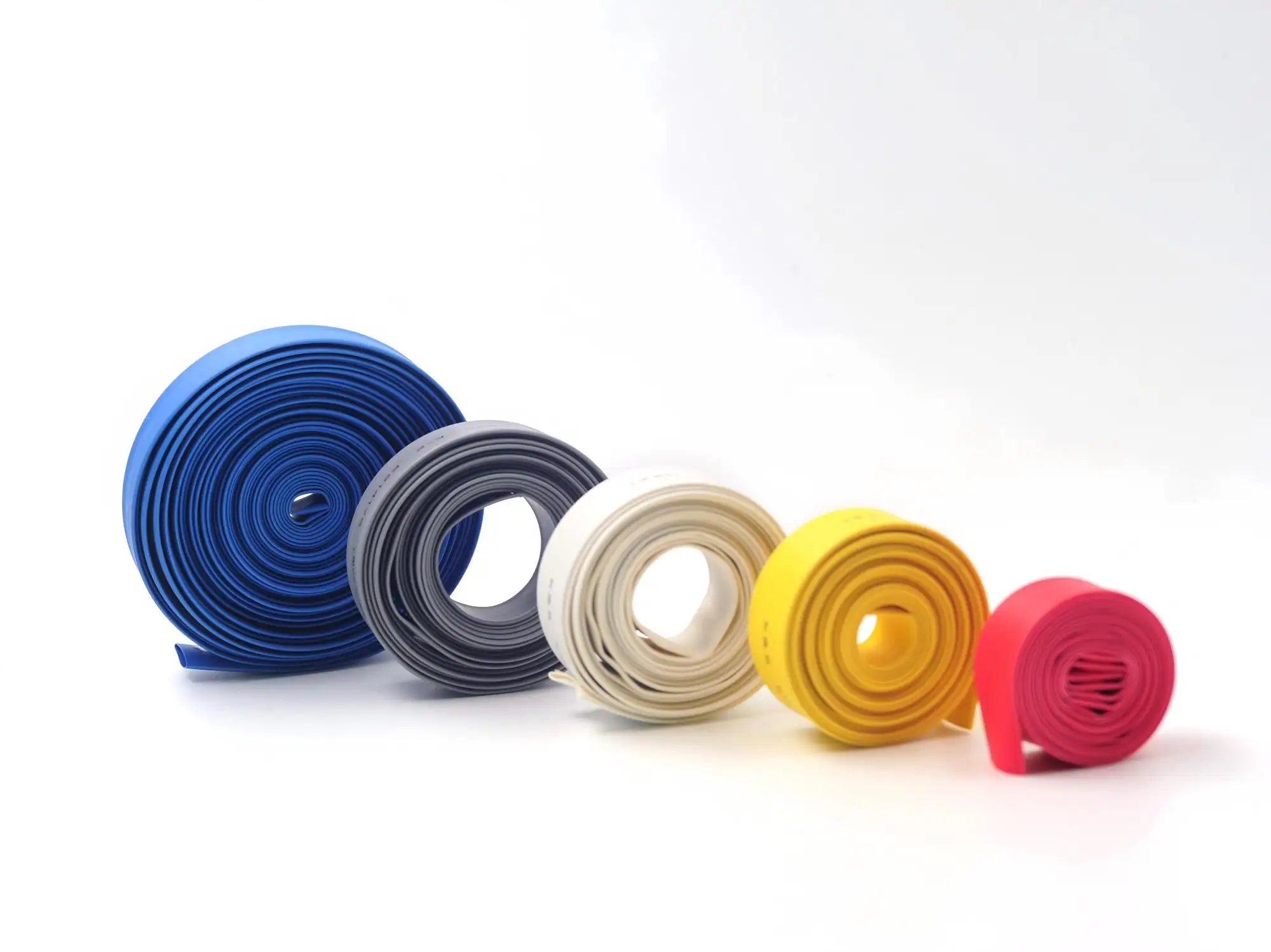
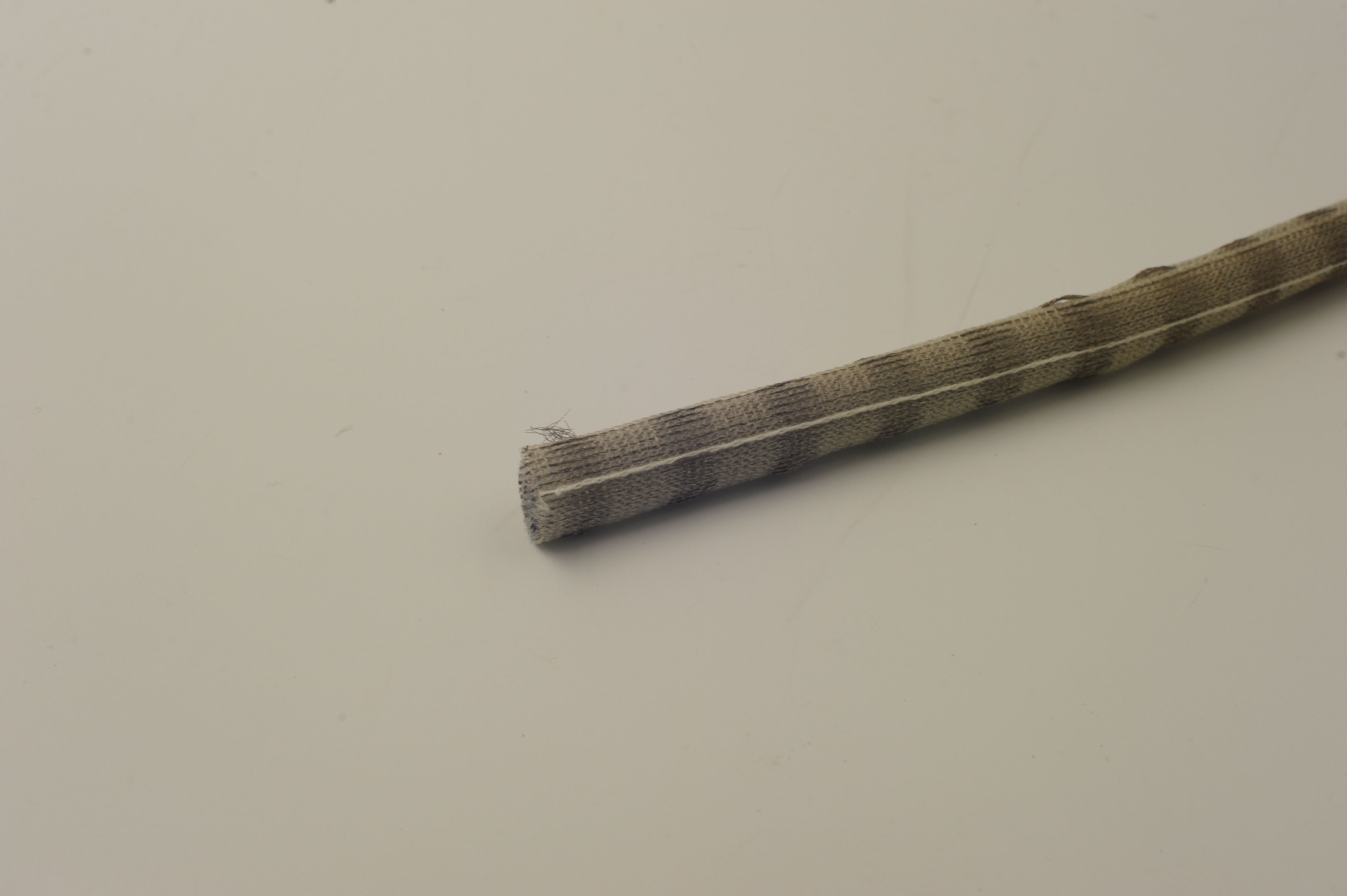
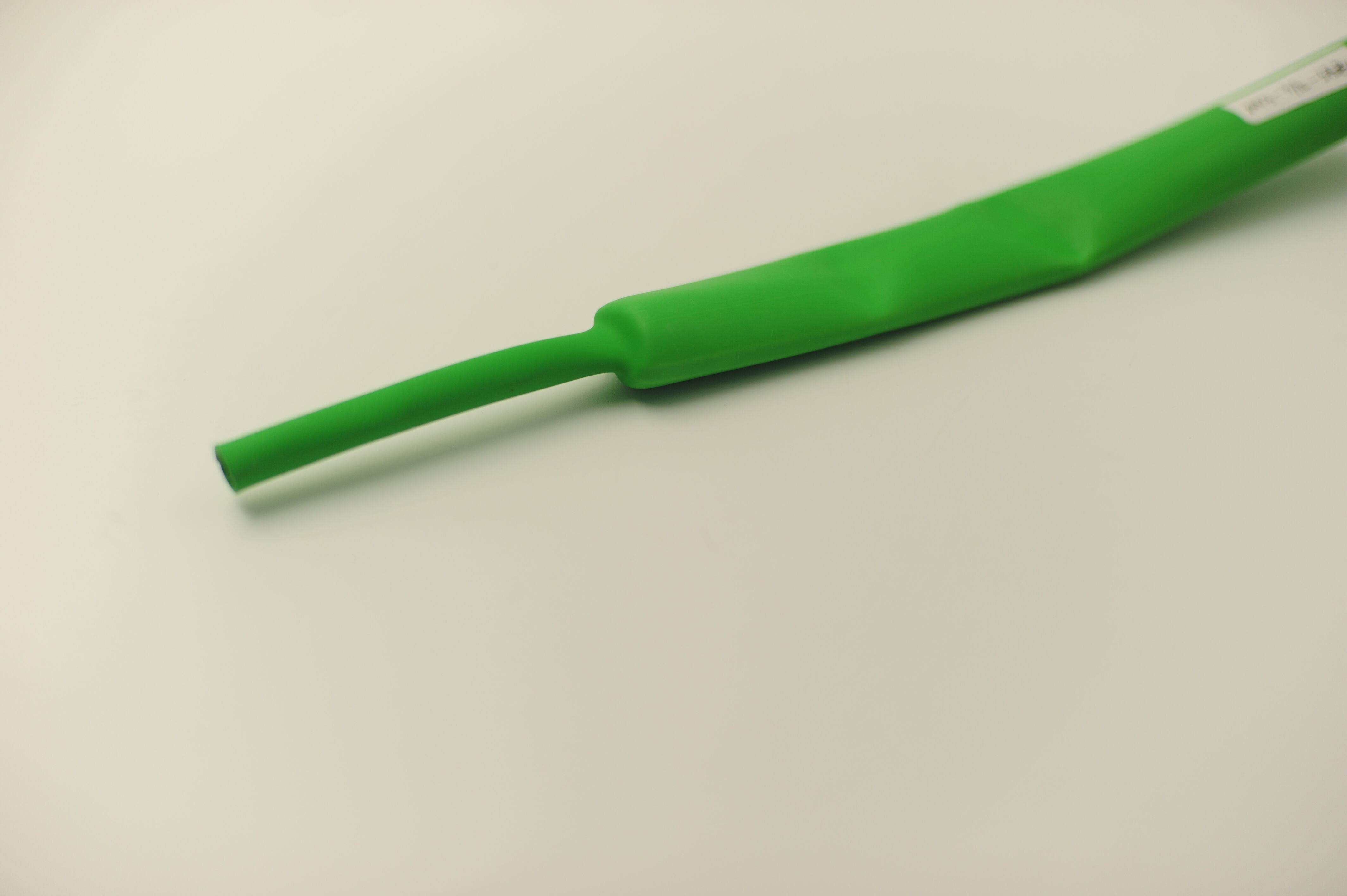
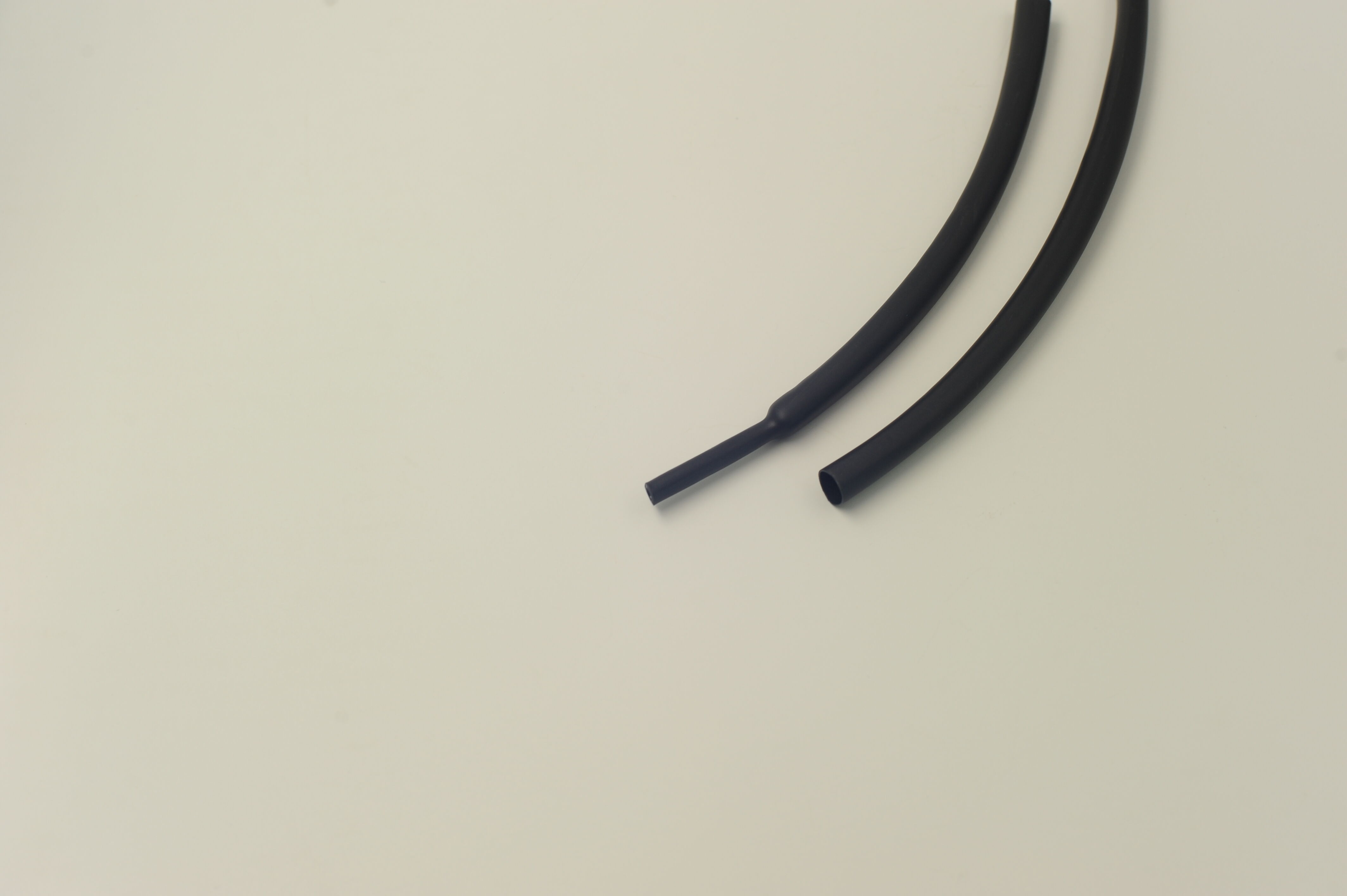
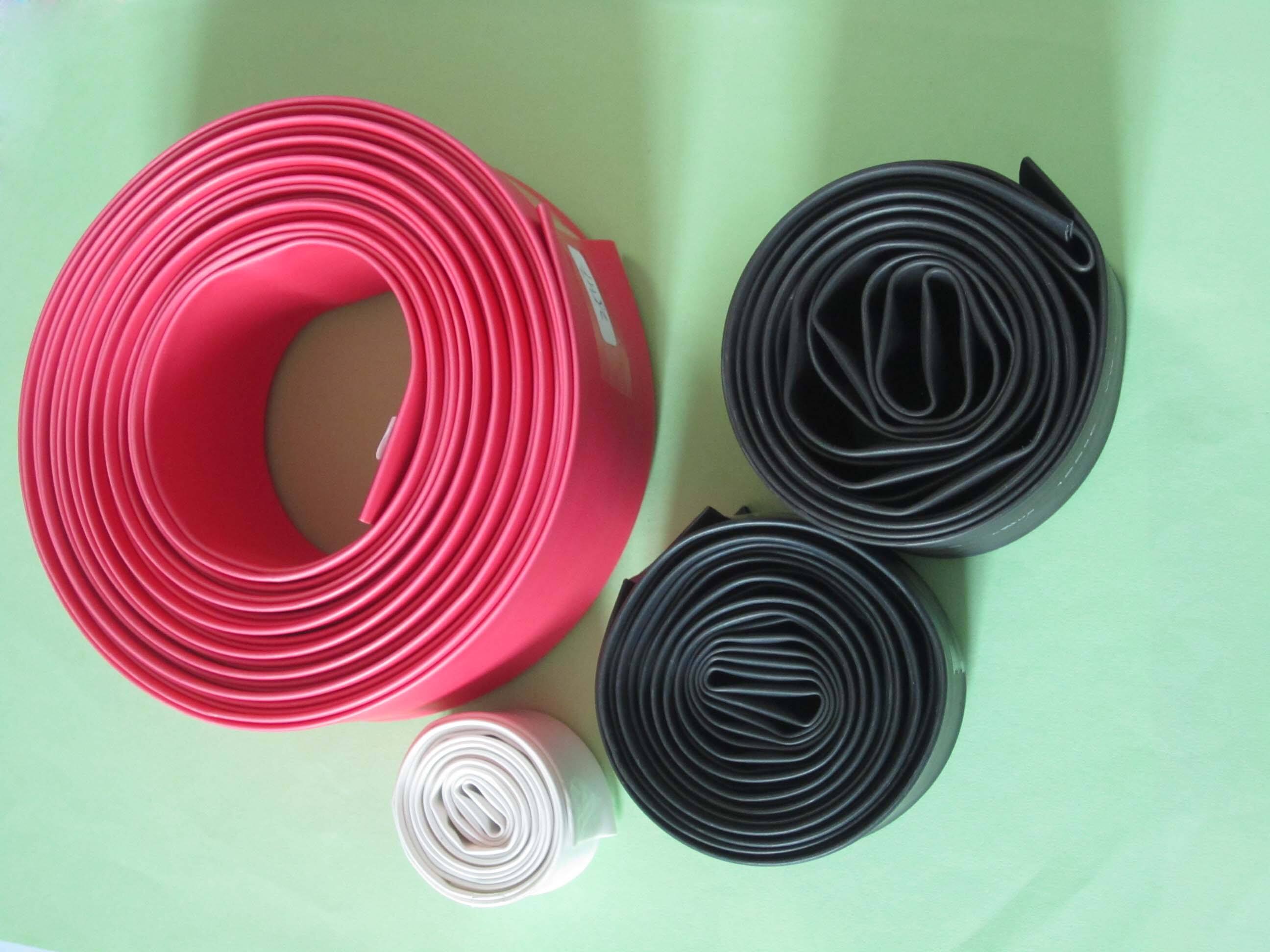
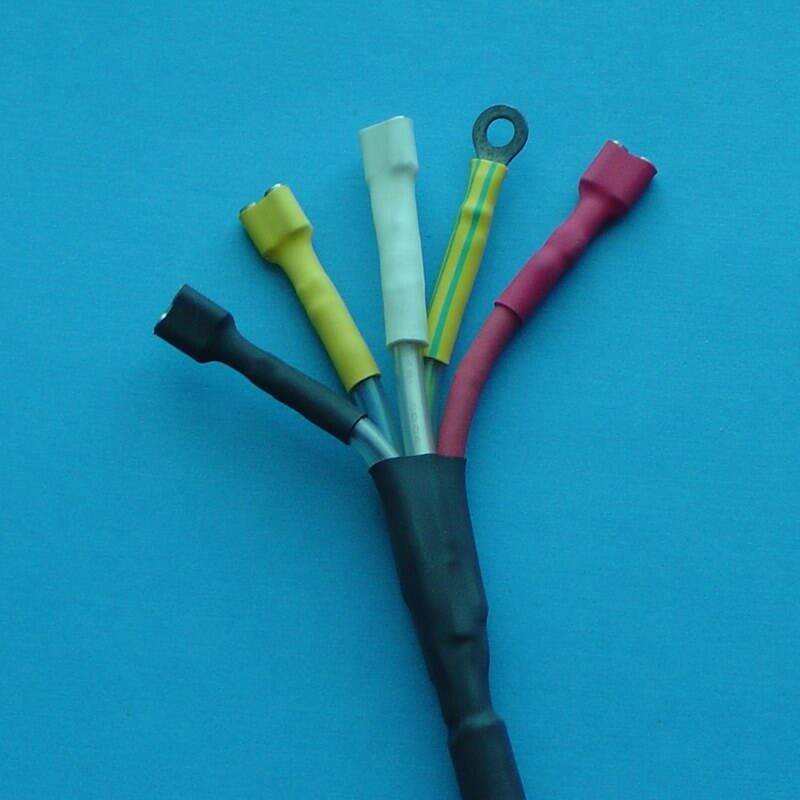
insulation shrinkable tube
Insulation shrinkable tube represents a revolutionary solution in electrical protection and wire management systems. This specialized thermoplastic material contracts uniformly when heated, creating a tight-fitting protective sleeve around cables, wires, and connections. The insulation shrinkable tube operates through a memory effect mechanism, where the polymer material returns to its original smaller diameter when subjected to controlled heat application, typically between 70-125 degrees Celsius depending on the specific formulation. The primary function of insulation shrinkable tube centers on providing electrical insulation, preventing short circuits and electrical failures in various applications. These tubes effectively seal connections from moisture, dust, chemicals, and mechanical damage while maintaining consistent electrical properties over extended periods. The technological features of insulation shrinkable tube include excellent dielectric strength, superior flame retardancy, and outstanding chemical resistance. Modern formulations incorporate advanced polymer chemistry that ensures dimensional stability, UV resistance, and temperature tolerance ranging from -55 to 150 degrees Celsius. The shrinkage ratio typically varies from 2:1 to 4:1, allowing accommodation of various cable sizes within a single tube diameter. Applications for insulation shrinkable tube span across telecommunications, automotive electronics, aerospace systems, marine equipment, and industrial machinery. In telecommunications, these tubes protect fiber optic splices and cable joints from environmental factors. Automotive applications include wire harness protection, sensor connections, and battery terminal insulation. The aerospace industry utilizes insulation shrinkable tube for critical avionics systems where reliability and weight reduction are paramount. Marine applications benefit from the tubes excellent saltwater resistance and corrosion protection properties. Industrial uses encompass motor connections, control panel wiring, and power distribution systems where safety and longevity are essential requirements for operational continuity.

 EN
EN