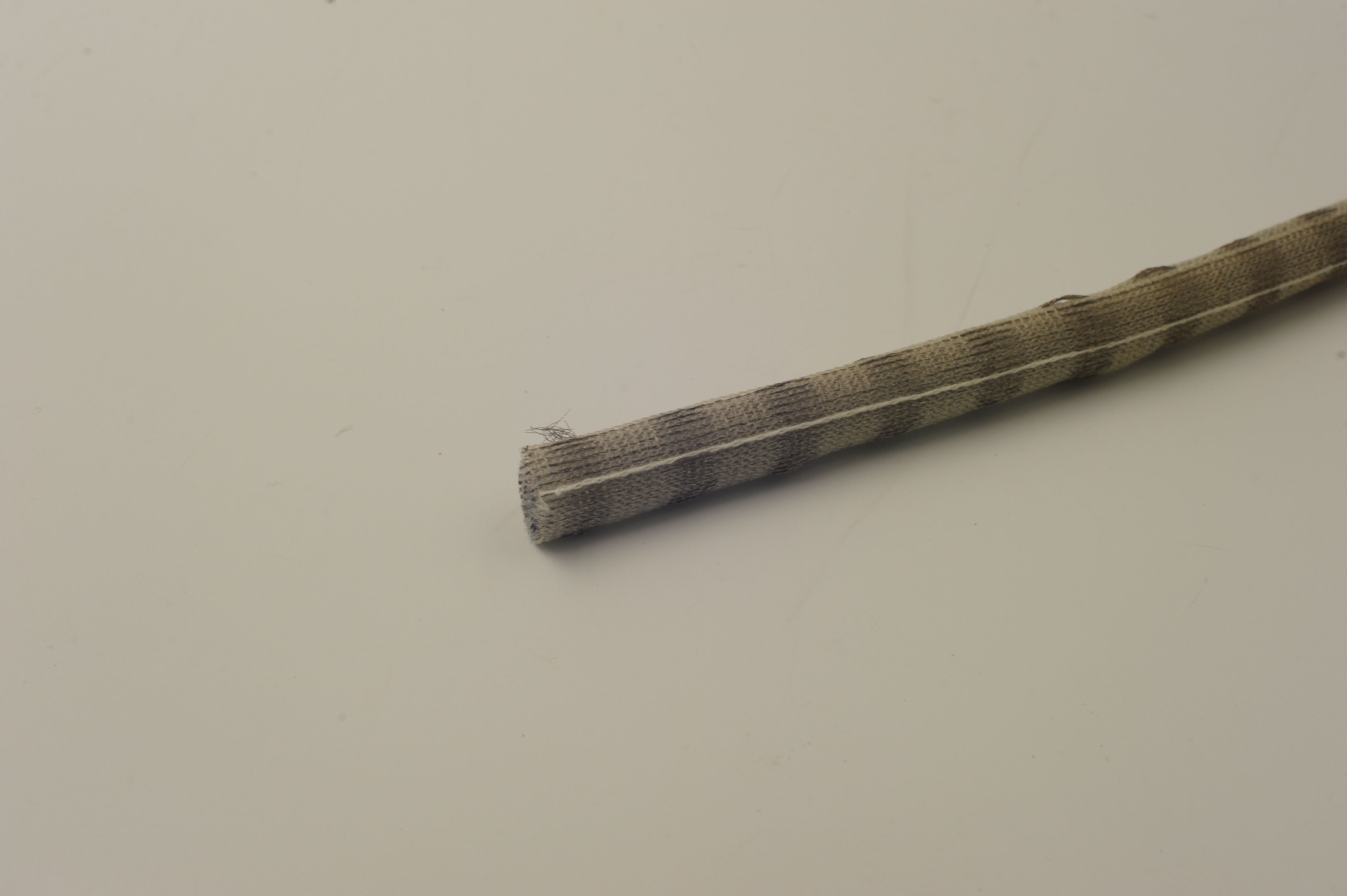
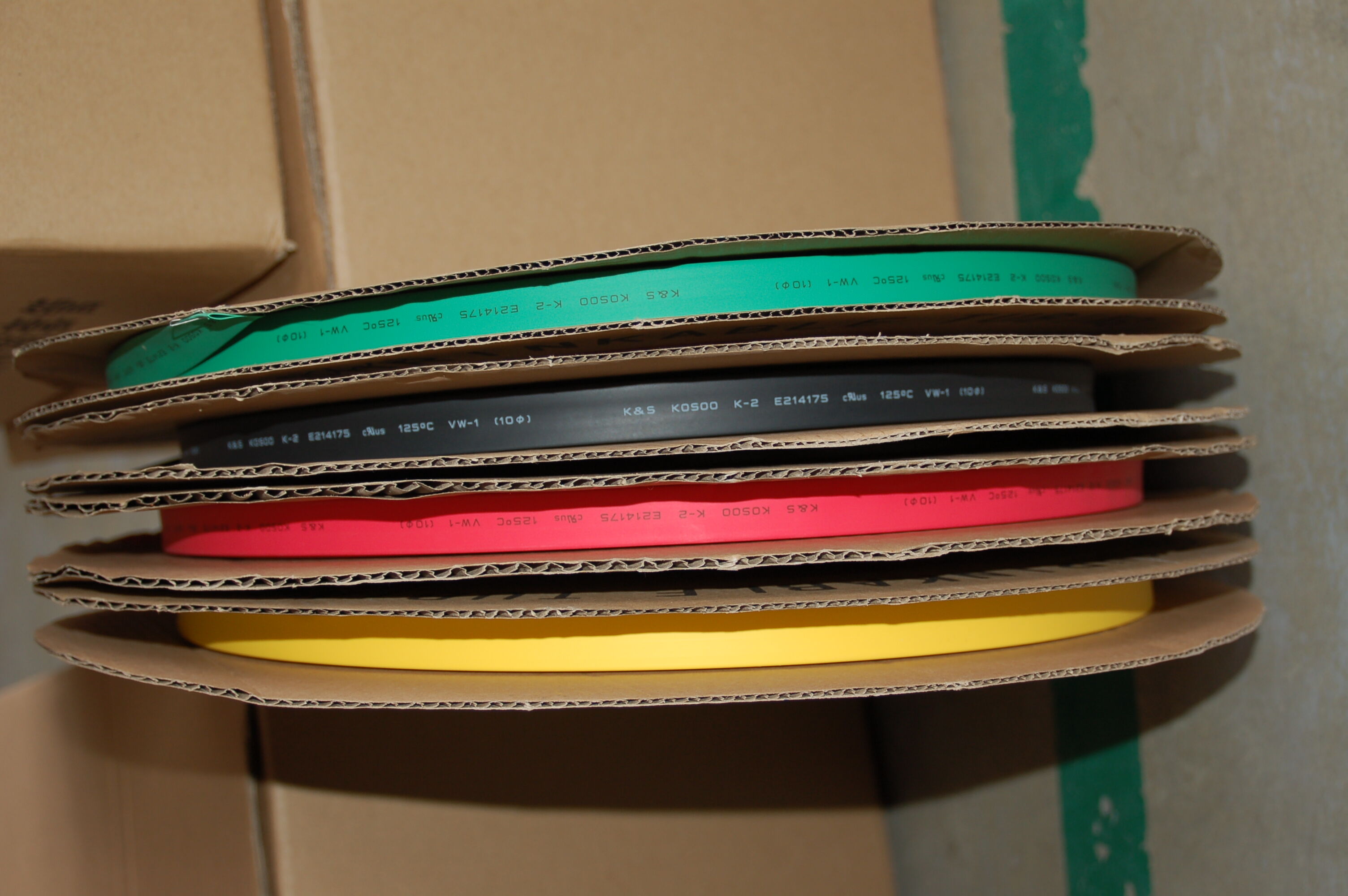
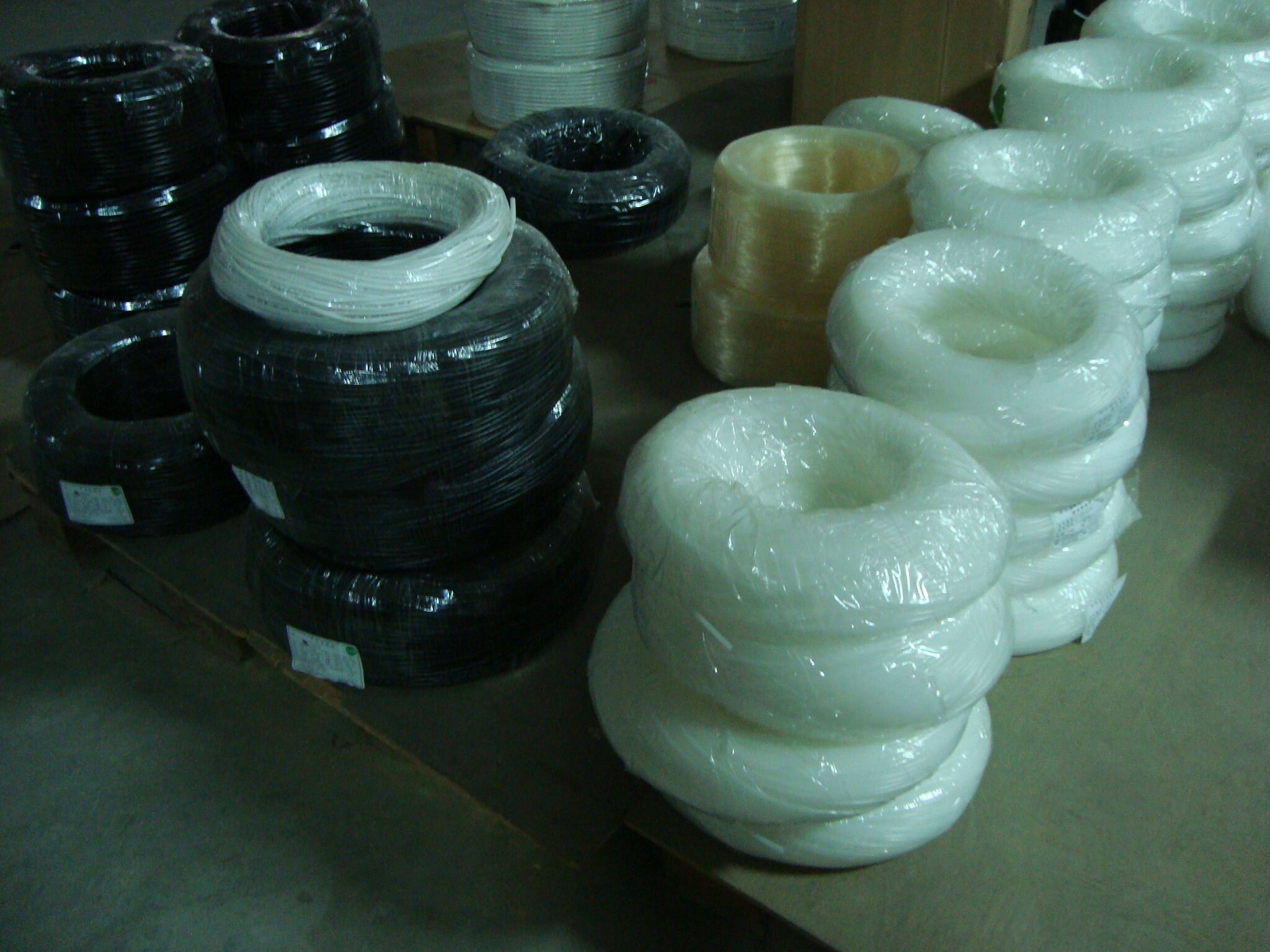
large diameter shrink tubing
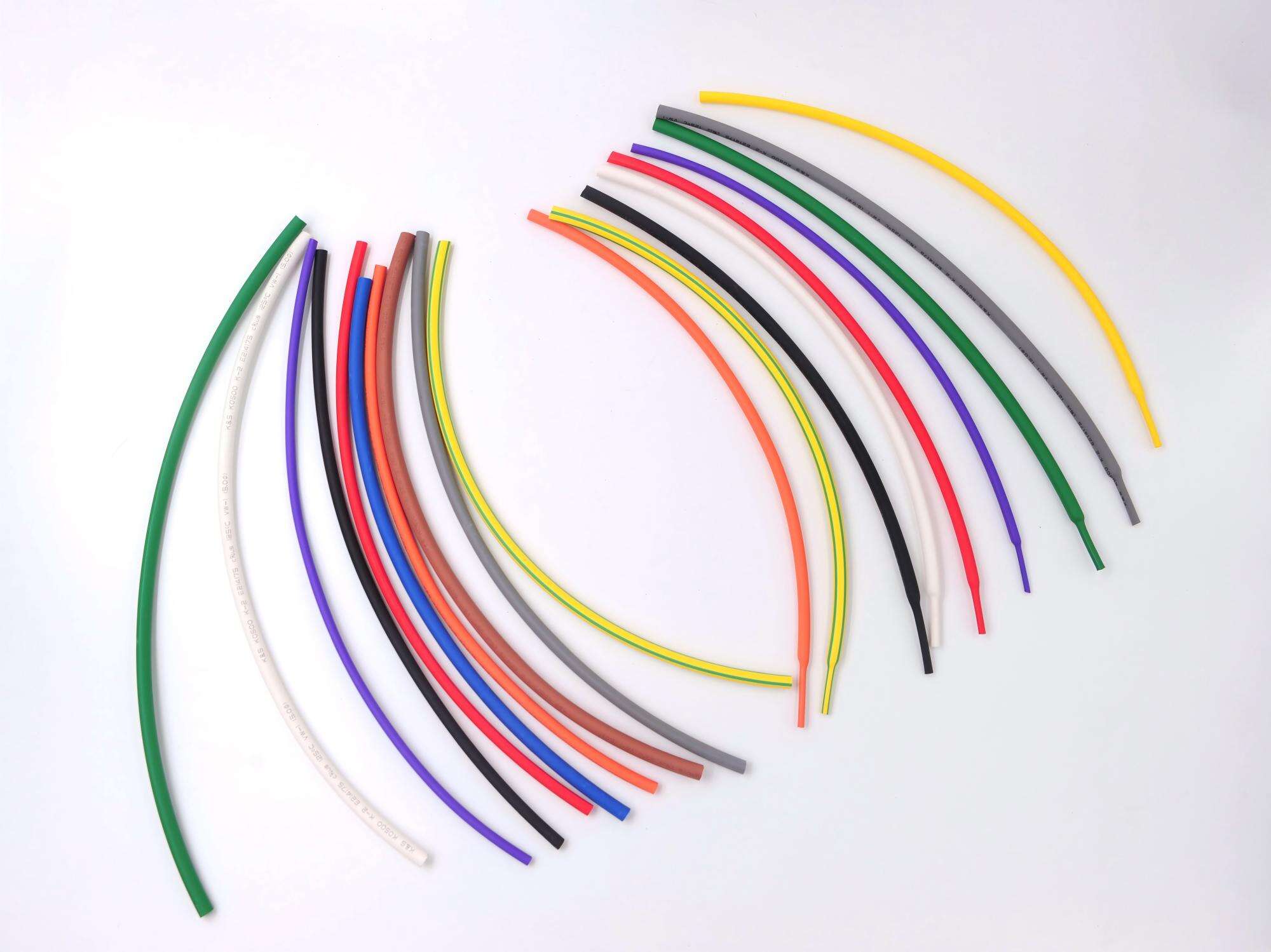
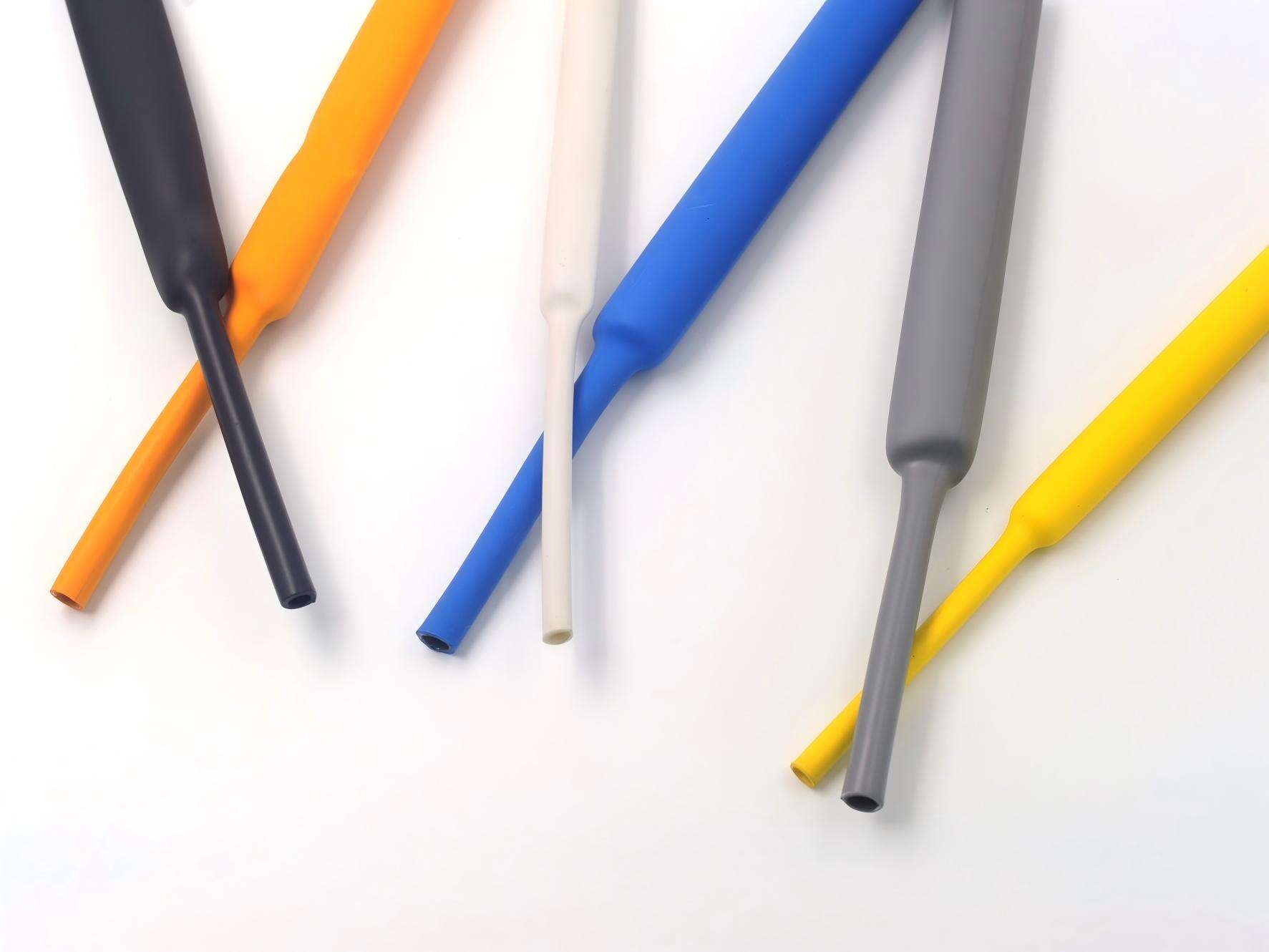
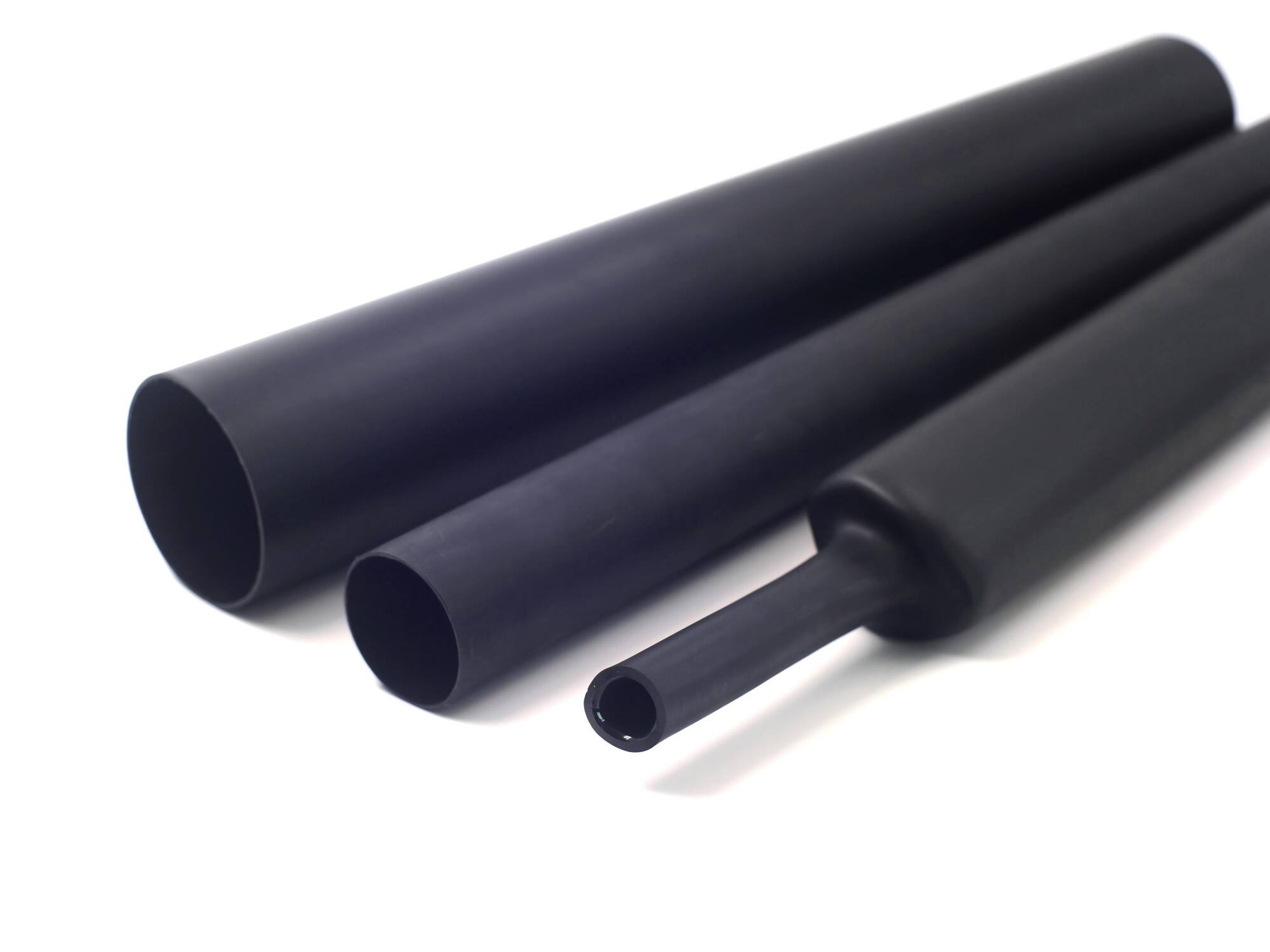
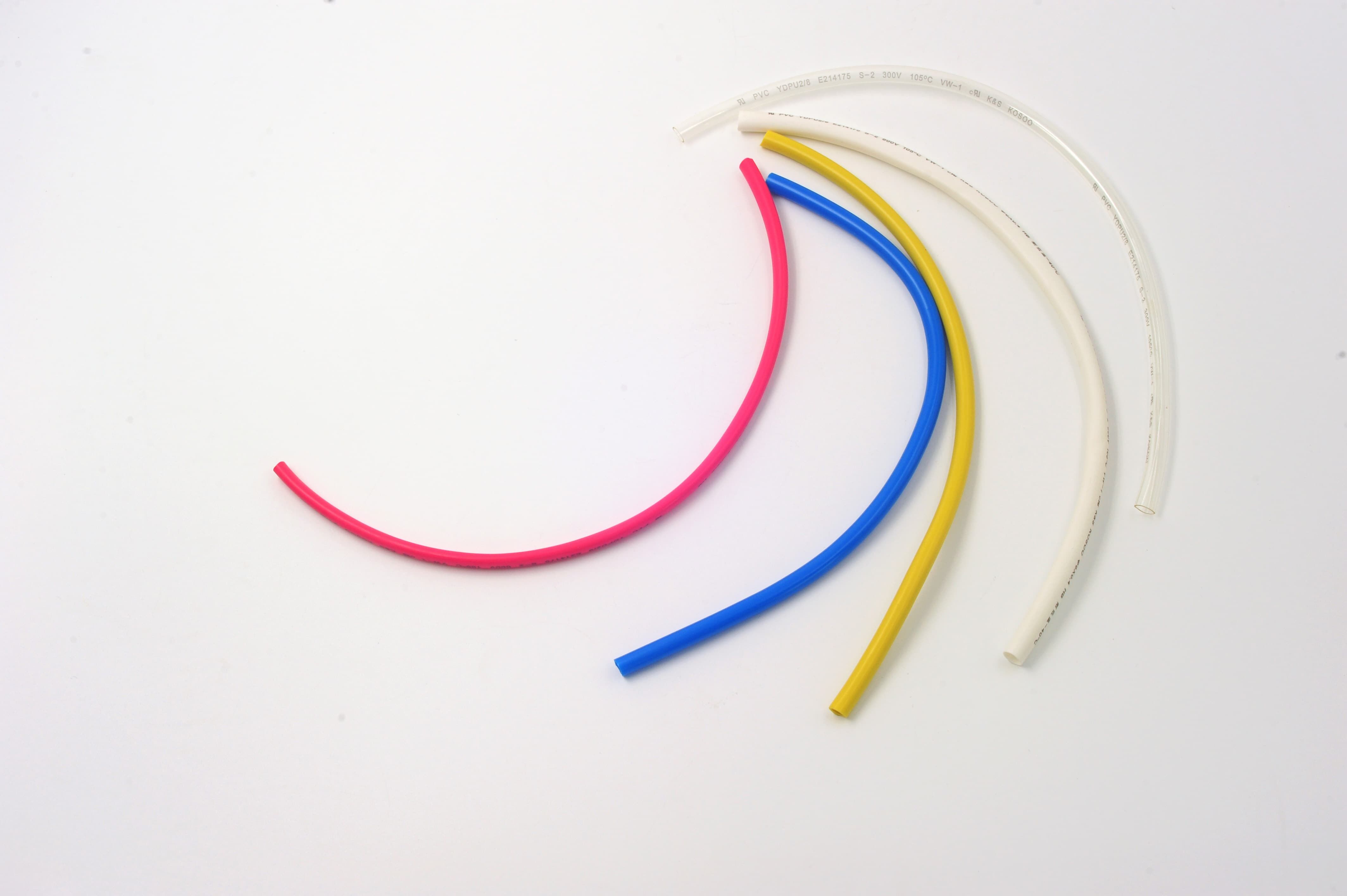
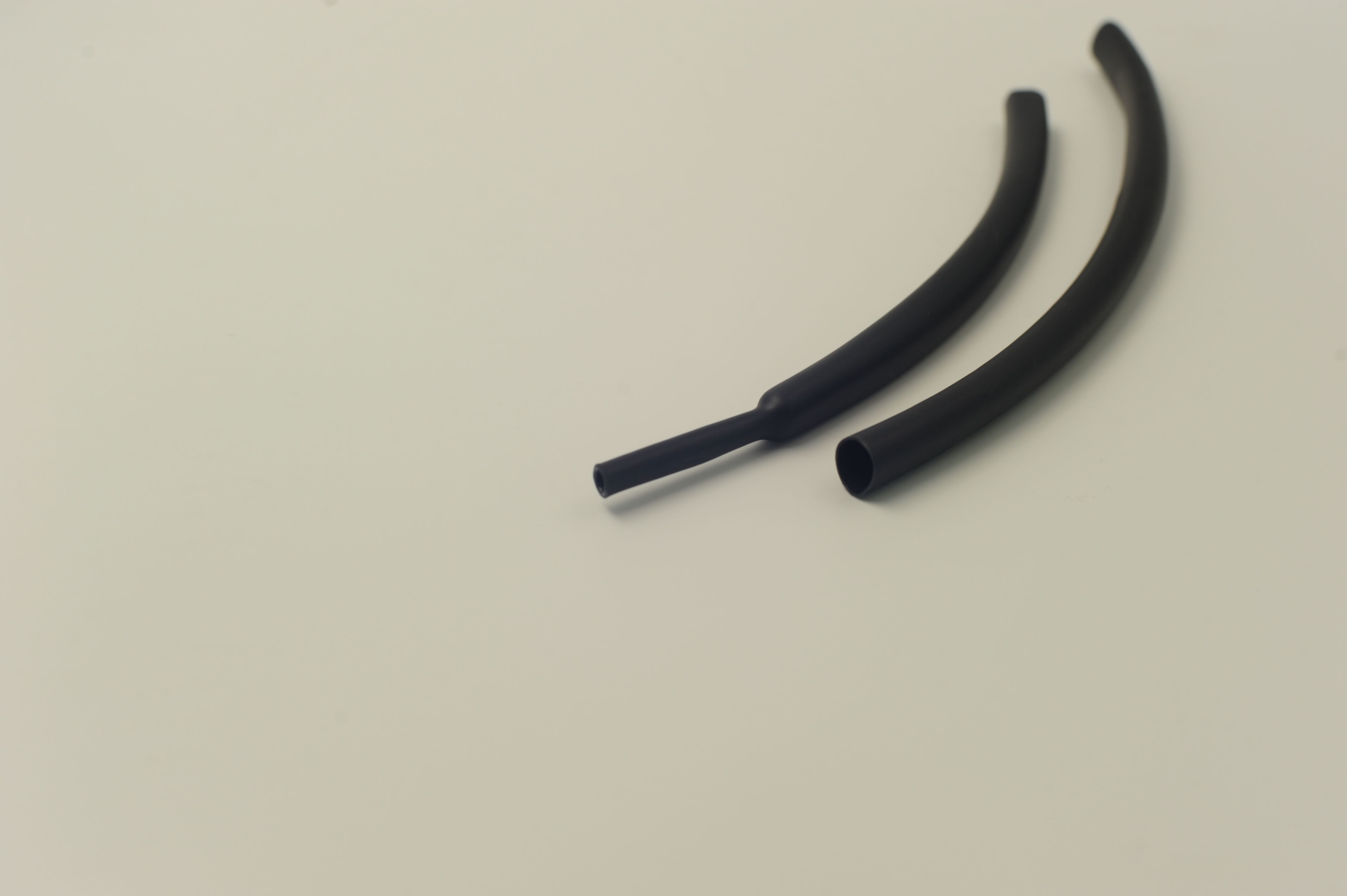
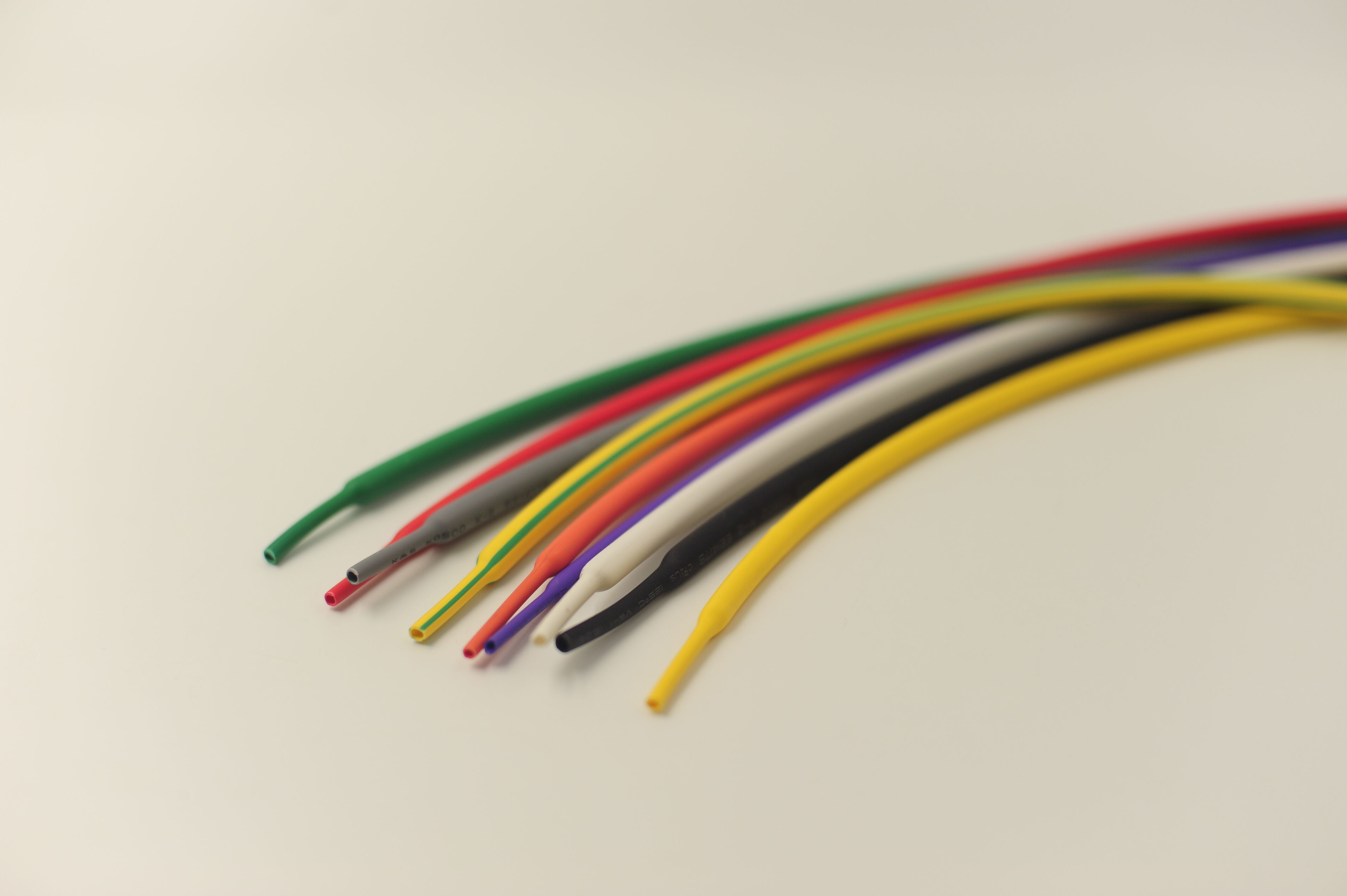
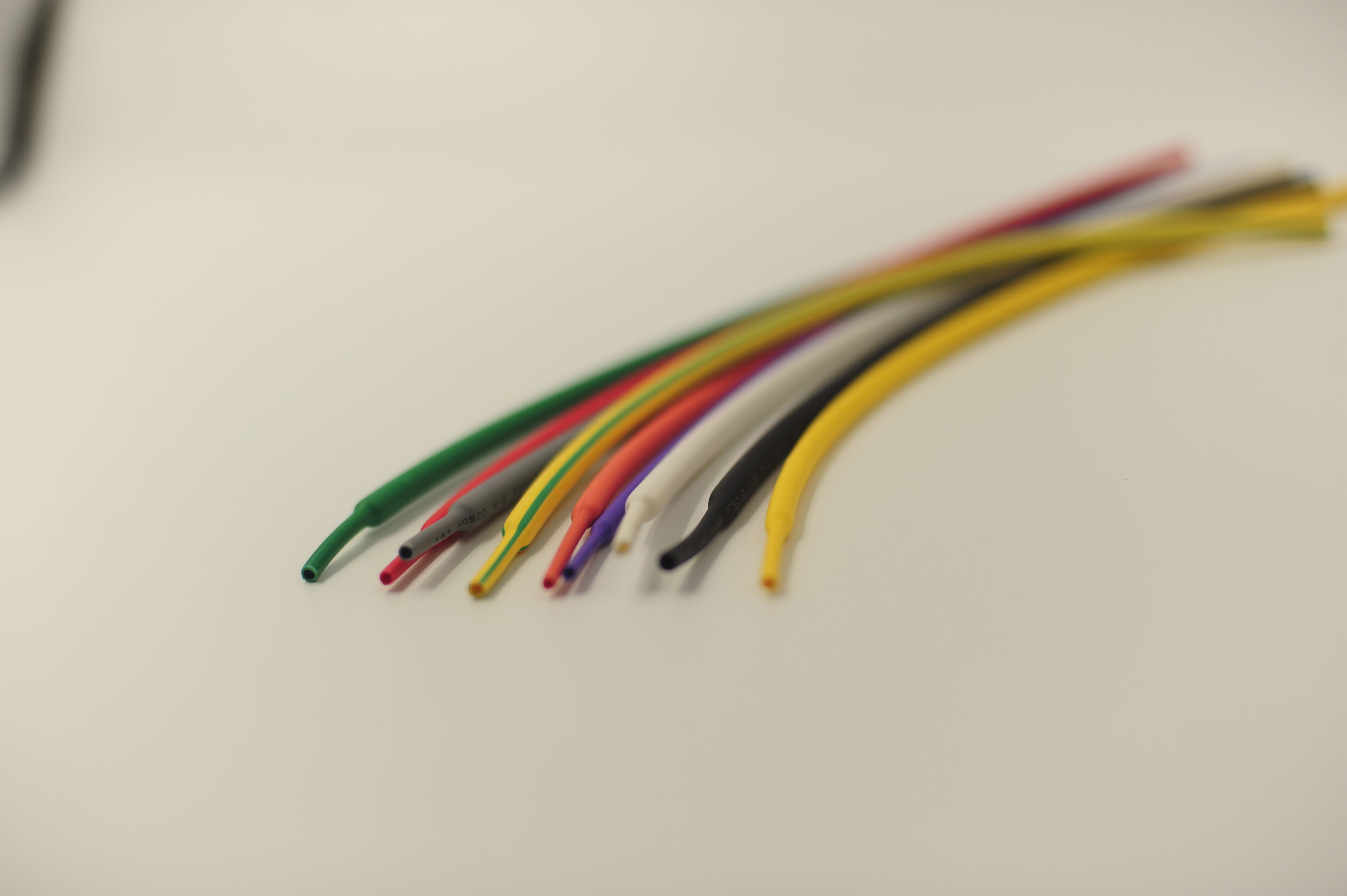
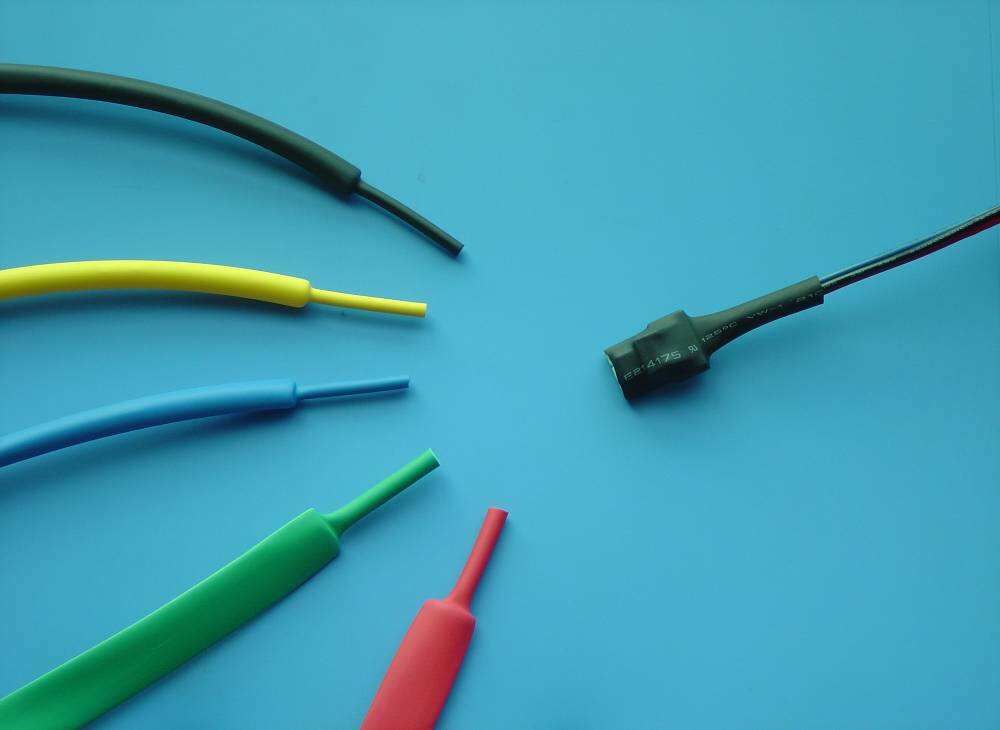
Large diameter shrink tubing represents a specialized protective solution designed to safeguard substantial cables, pipes, and industrial components through advanced polymer technology. This engineering marvel utilizes cross-linked polyolefin materials that contract uniformly when heated, creating a tight, protective seal around objects with diameters ranging from several inches to multiple feet. The primary function of large diameter shrink tubing centers on environmental protection, providing robust barriers against moisture, chemicals, UV radiation, and mechanical damage that could compromise critical infrastructure systems. Technologically, these products feature memory properties that allow the material to return to its original manufactured dimensions when exposed to controlled heat application, typically between 120°C to 200°C depending on the specific formulation. Advanced manufacturing processes ensure consistent wall thickness, uniform shrinkage ratios, and predictable performance characteristics across extensive diameter ranges. The tubing incorporates flame-retardant additives, ensuring compliance with stringent safety standards while maintaining flexibility at low temperatures. Applications span diverse industries including telecommunications, where large diameter shrink tubing protects fiber optic cable splices and junction boxes, power utilities employing the technology for transformer bushings and cable terminations, marine environments requiring corrosion-resistant coverings for underwater installations, and aerospace applications demanding lightweight yet durable protective solutions. Transportation infrastructure benefits significantly from these products, particularly in railway systems where signal cables require long-term protection from vibration and weather exposure. The petroleum industry utilizes large diameter shrink tubing for pipeline coating repairs and cathodic protection systems. Military and defense applications leverage the technology for equipment hardening and electromagnetic interference shielding. Manufacturing facilities implement these solutions for protecting conveyor systems, hydraulic lines, and process equipment from industrial contamination and wear.

 EN
EN