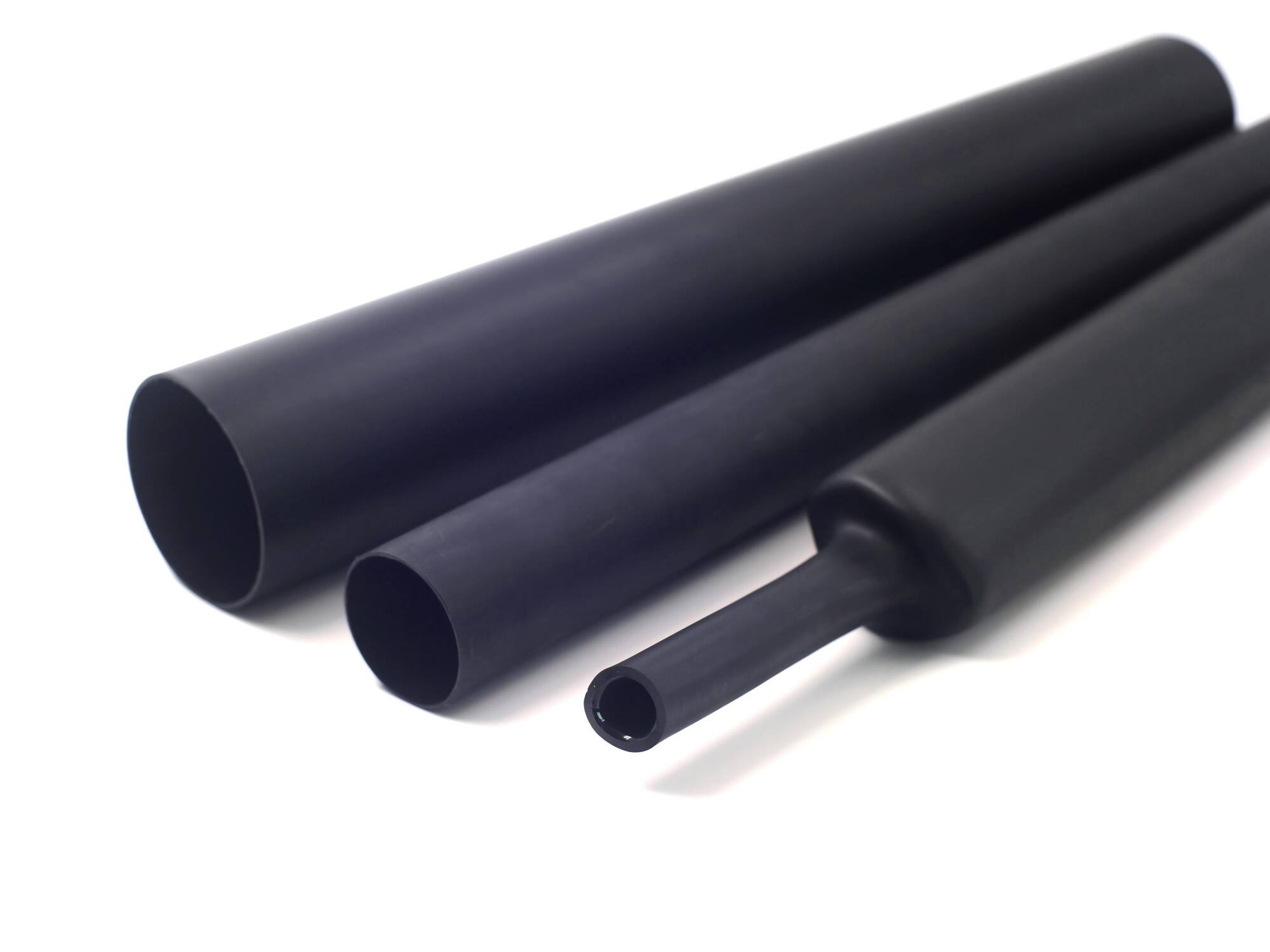
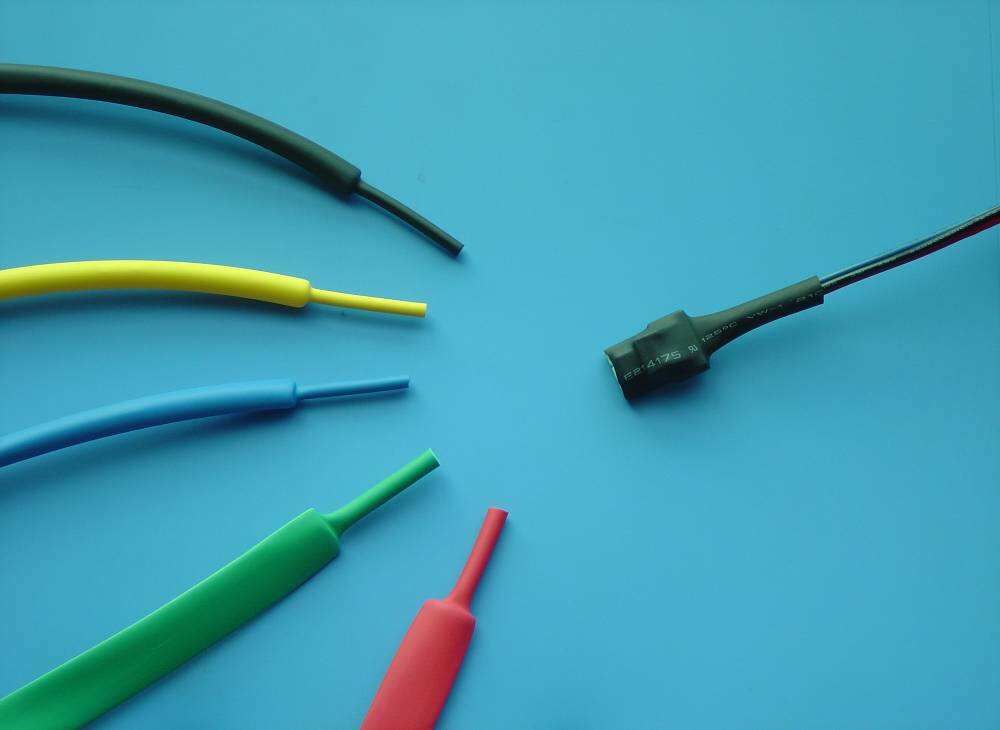
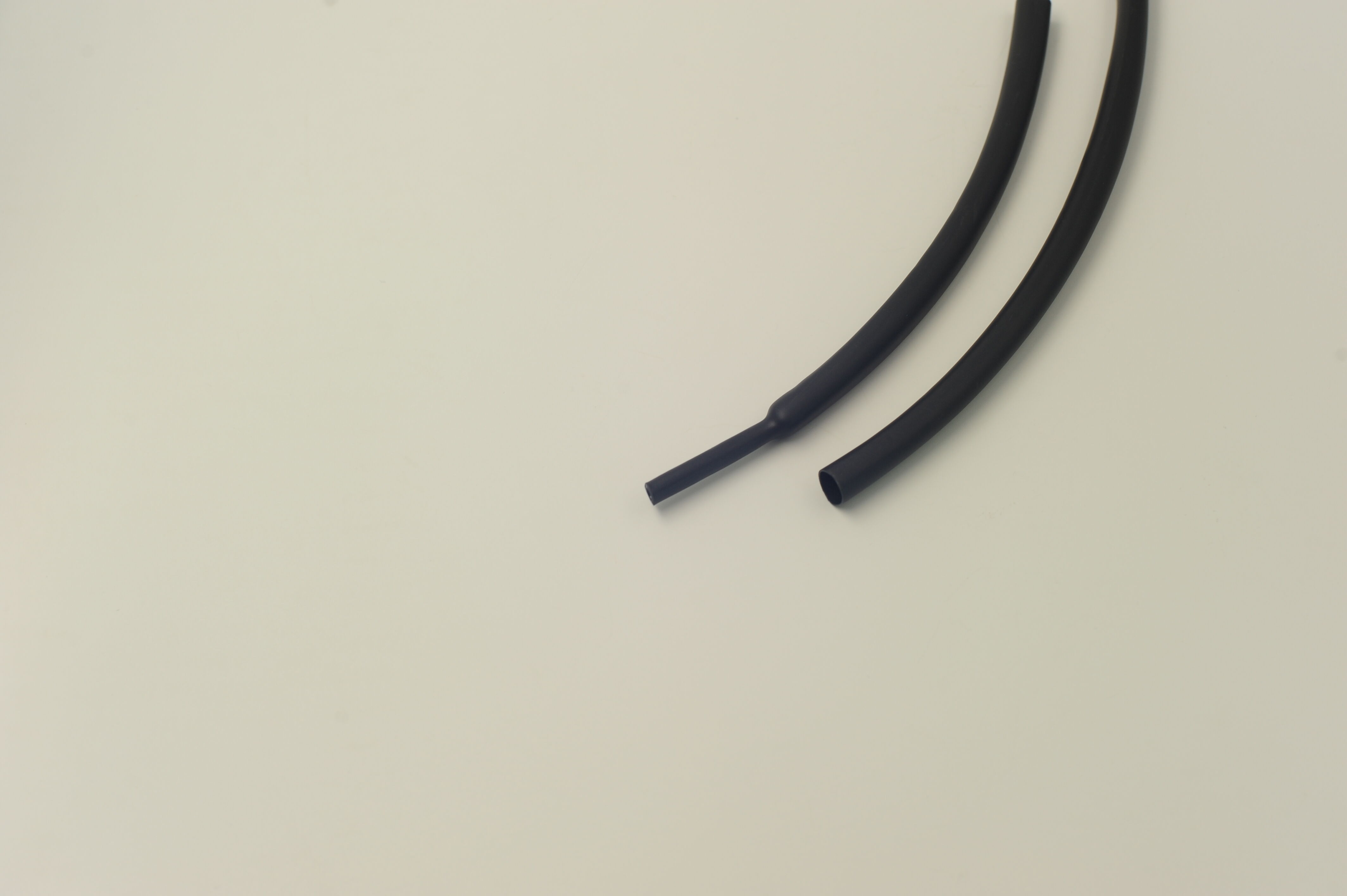
black heat shrinkable tube
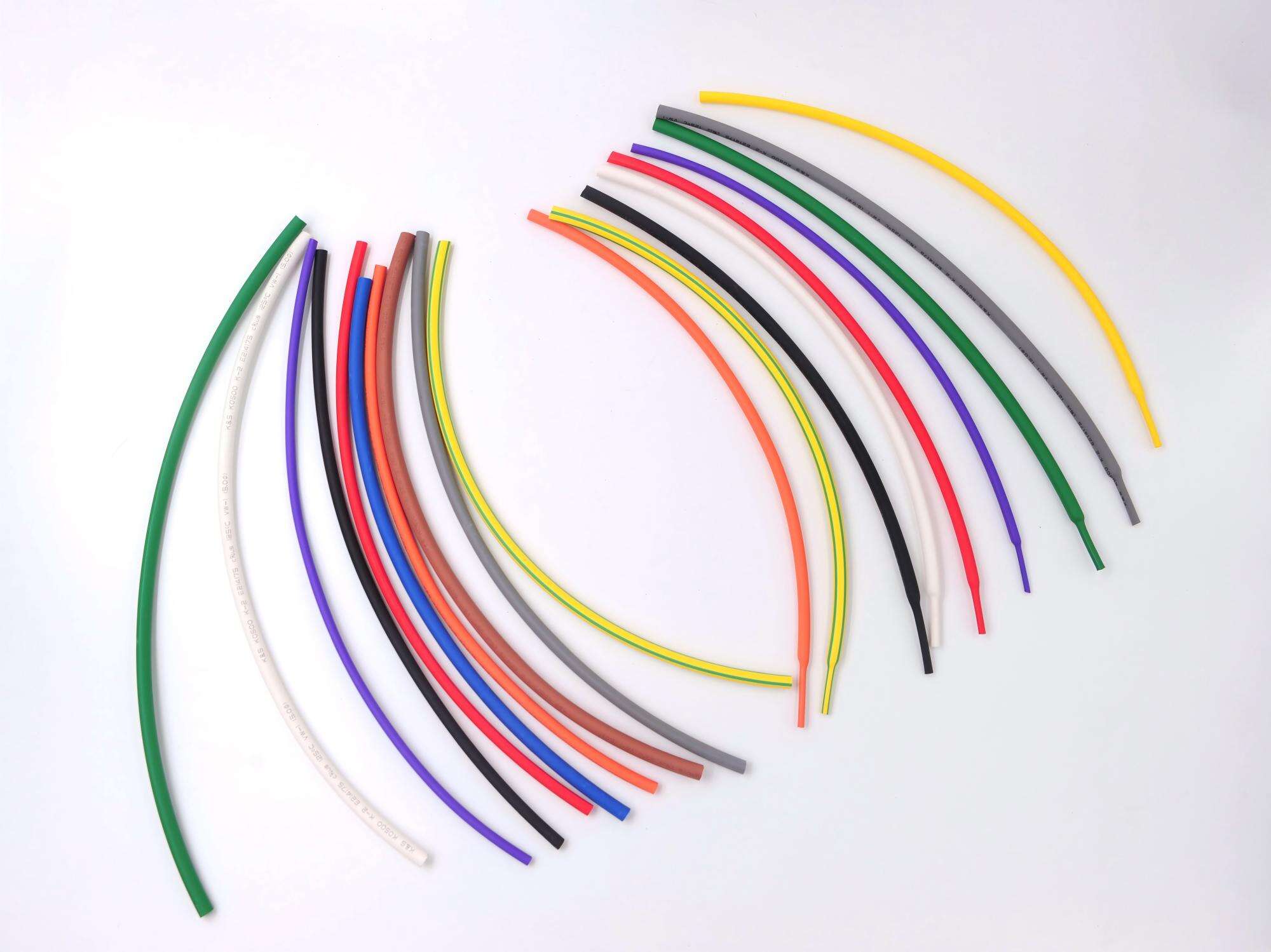
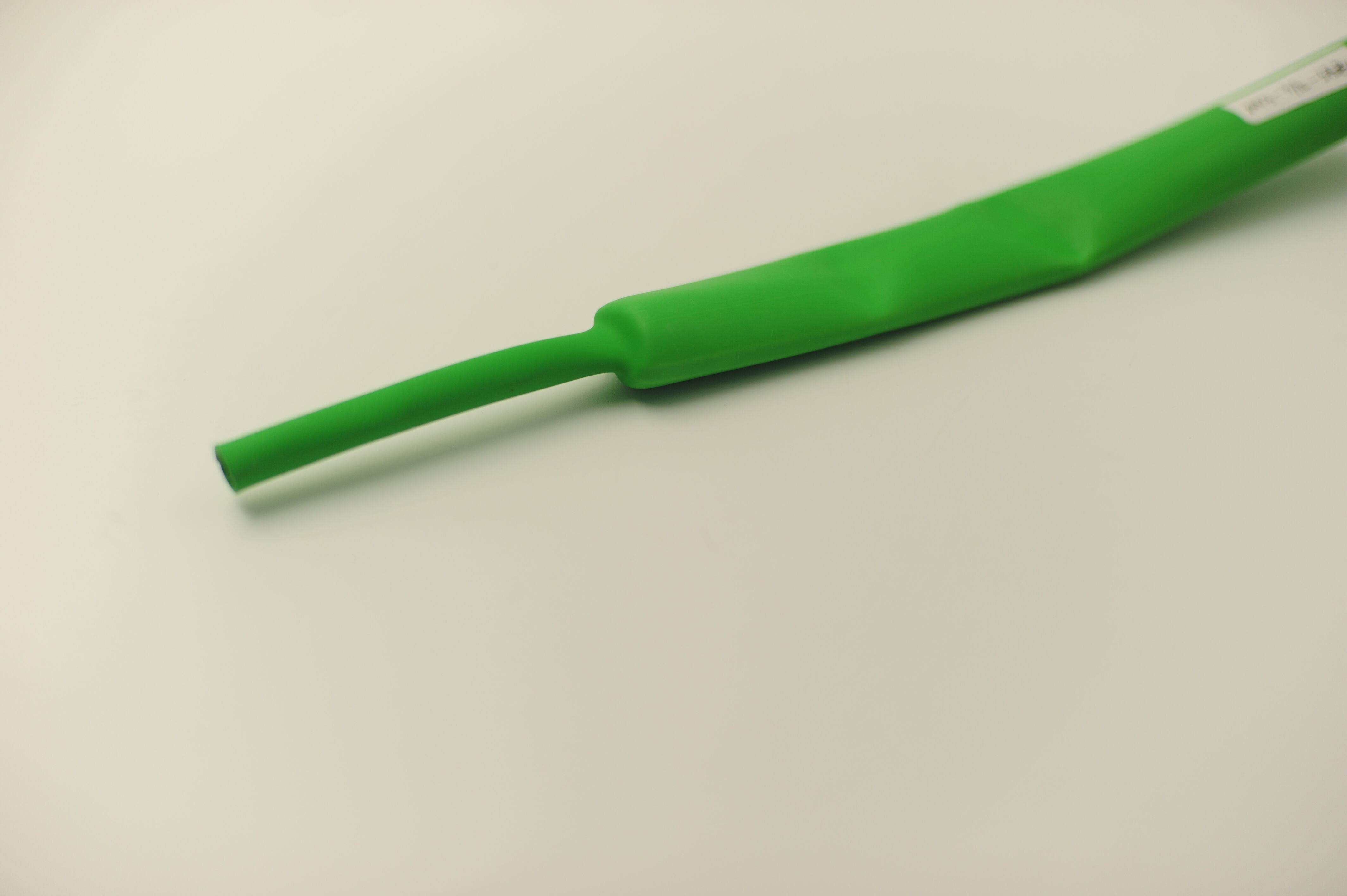
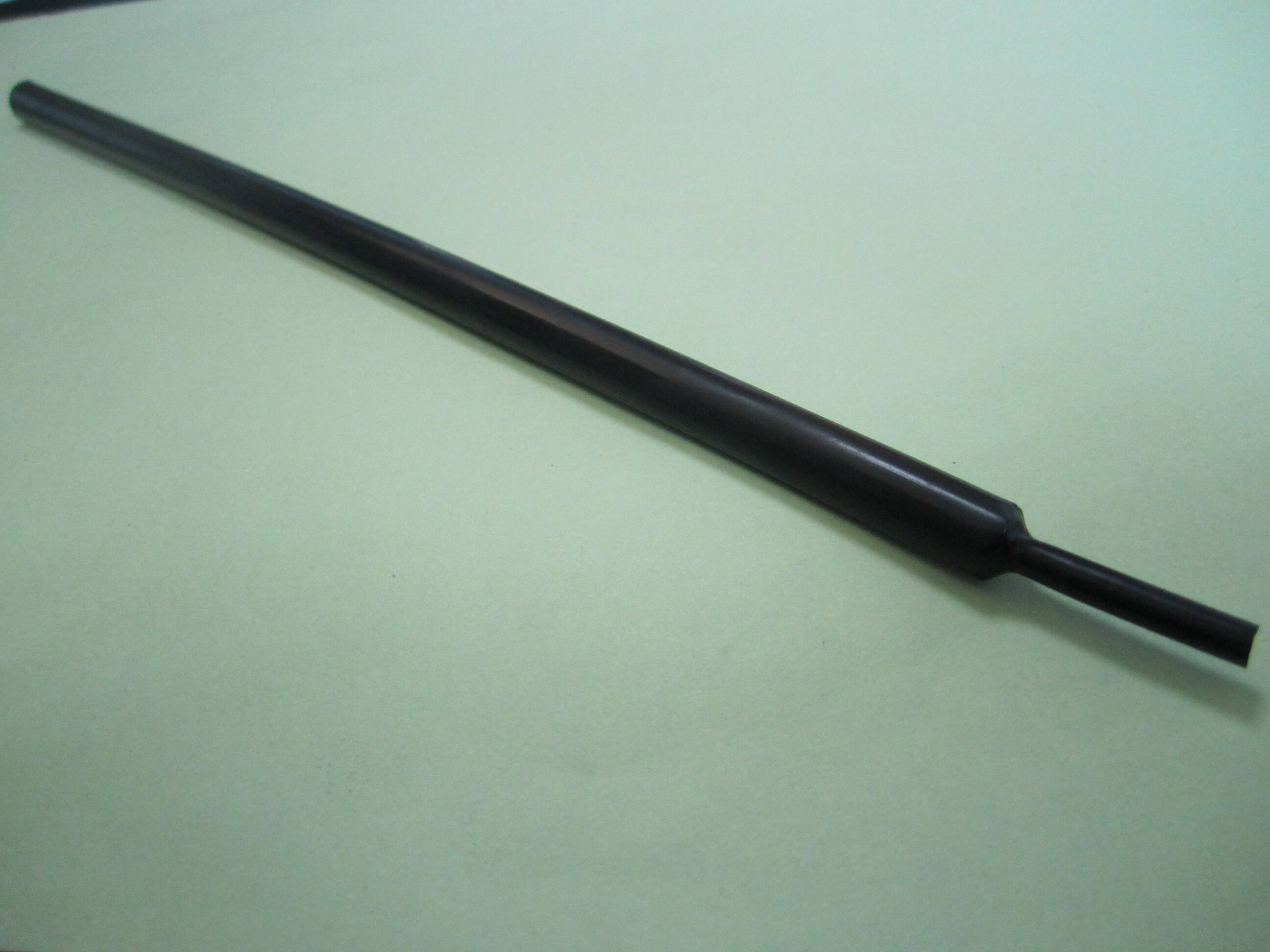
The black heat shrinkable tube stands as one of the most versatile and reliable protective solutions in modern electrical and industrial applications. This specialized polymer-based tubing offers exceptional thermal properties that allow it to contract uniformly when exposed to controlled heat sources, creating a secure, weatherproof seal around cables, wires, and various components. The distinctive black coloration provides superior UV resistance and professional appearance, making it the preferred choice for both indoor and outdoor installations. Manufacturing processes involve cross-linking polyolefin materials through electron beam irradiation, resulting in enhanced mechanical strength and chemical resistance properties. The black heat shrinkable tube maintains its structural integrity across wide temperature ranges, typically from -55°C to 125°C, ensuring reliable performance in demanding environments. Key technological features include controlled shrinkage ratios ranging from 2:1 to 4:1, allowing precise fitting over components of varying sizes. The material exhibits excellent dielectric properties, making it ideal for electrical insulation applications where safety and reliability are paramount. Advanced formulations incorporate flame-retardant additives that meet stringent industry standards including UL, CSA, and military specifications. The black heat shrinkable tube demonstrates remarkable flexibility even at low temperatures, preventing cracking and maintaining seal integrity throughout seasonal temperature fluctuations. Installation requires only basic heat application using heat guns, ovens, or specialized shrinking equipment, making it accessible for both professional technicians and DIY enthusiasts. The uniform wall thickness ensures consistent shrinkage patterns, eliminating weak points that could compromise protection. Applications span across telecommunications, automotive wiring, marine electronics, aerospace systems, and industrial machinery where moisture ingress, chemical exposure, and mechanical damage pose significant risks to critical components.

 EN
EN