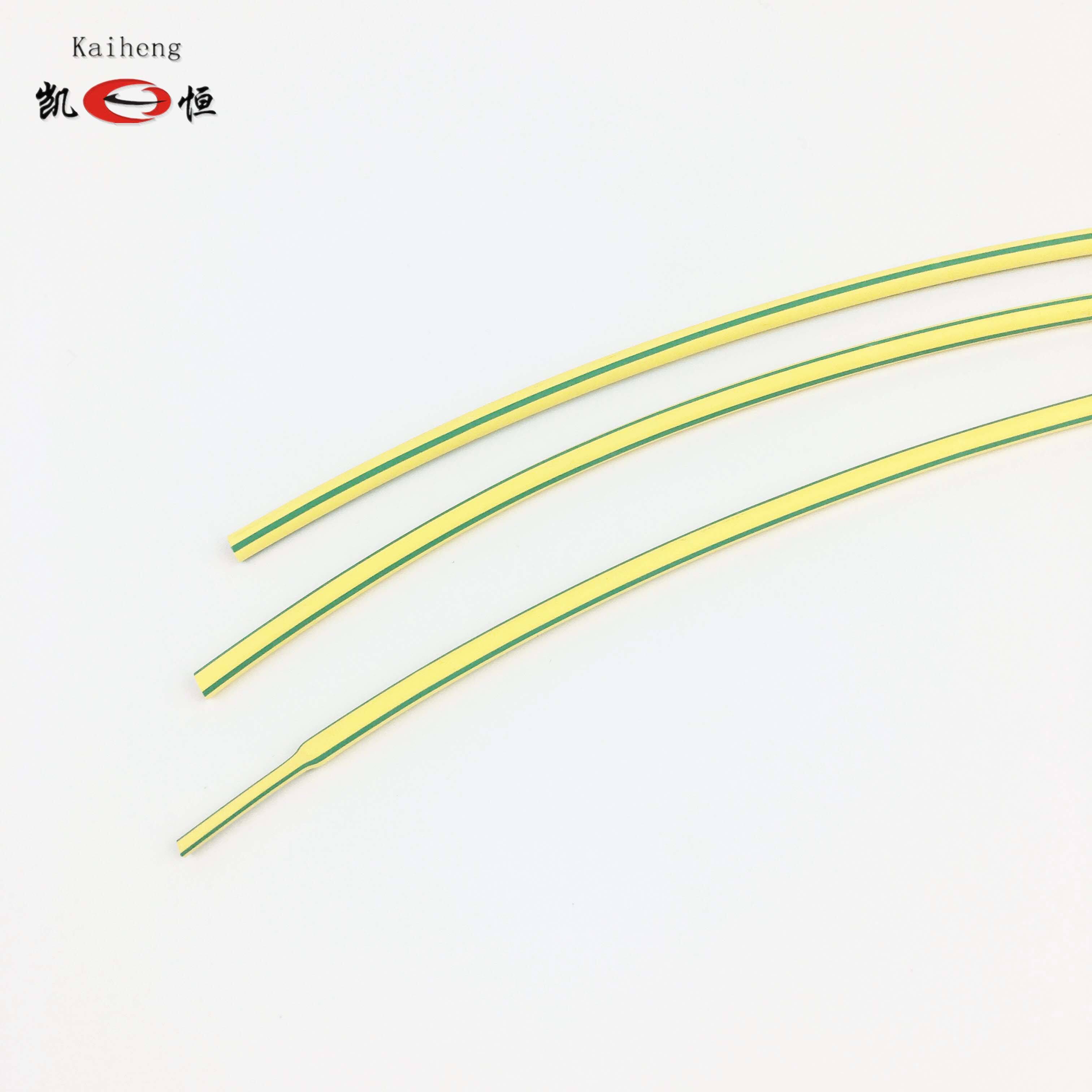
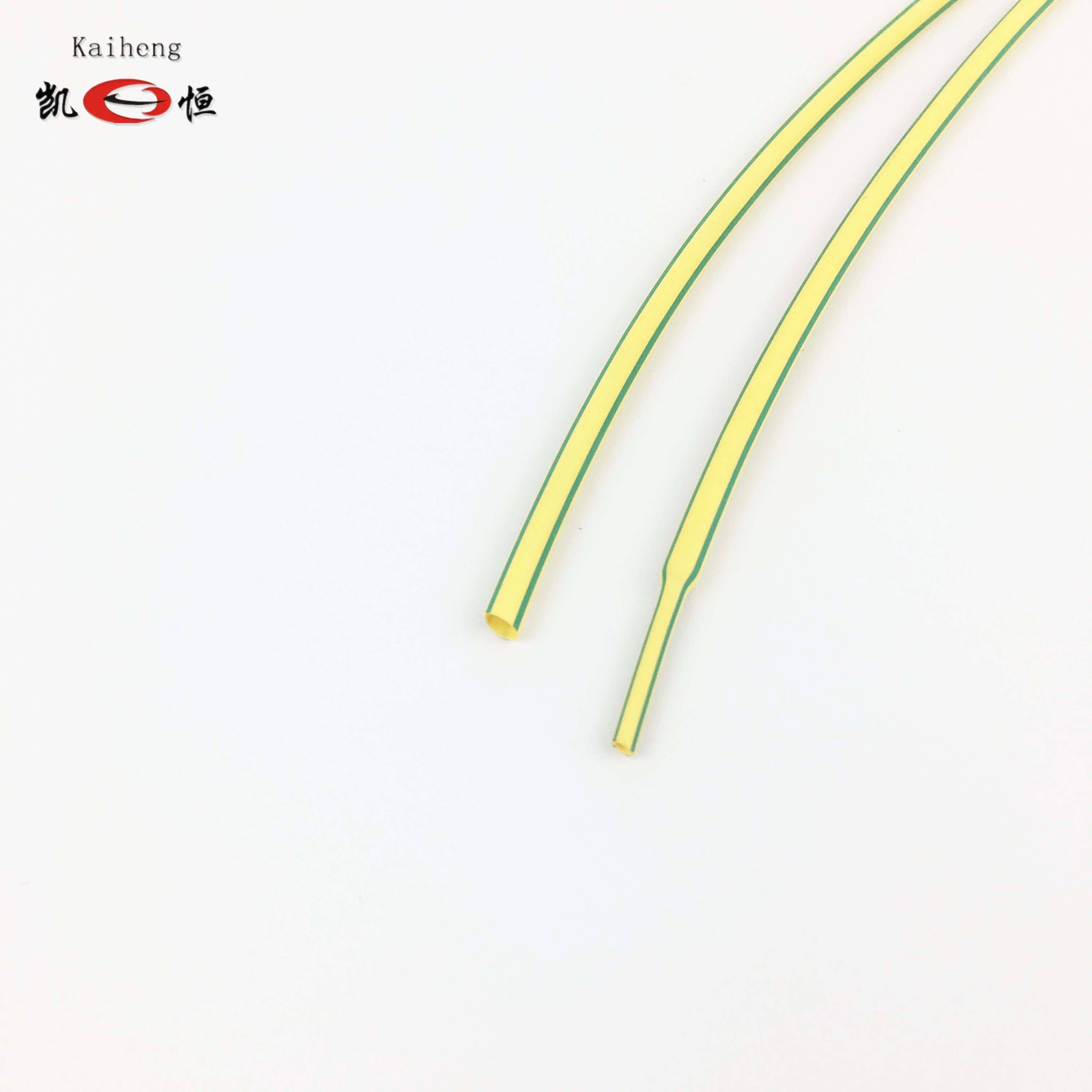
heat shrink tube for electronics
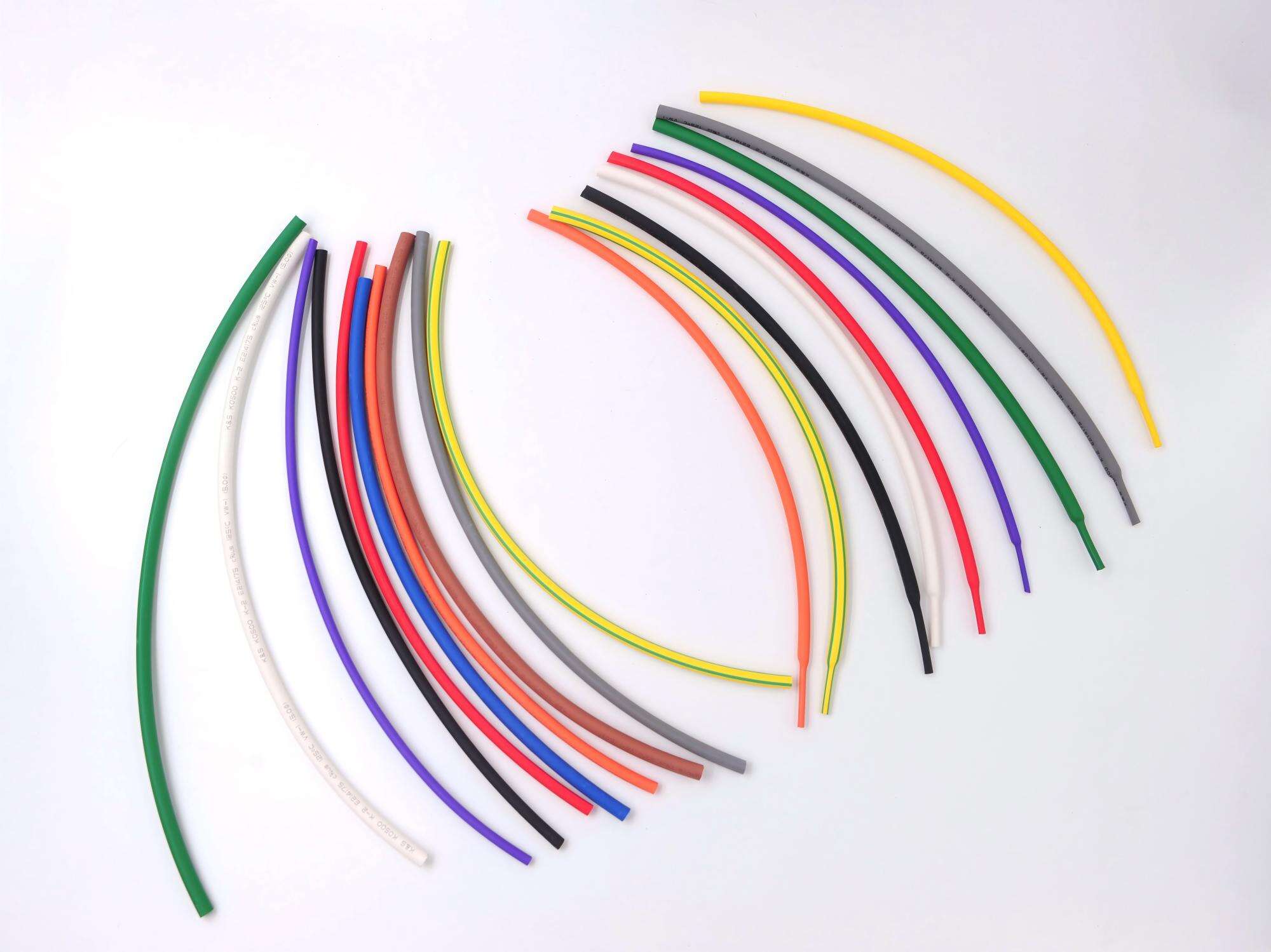
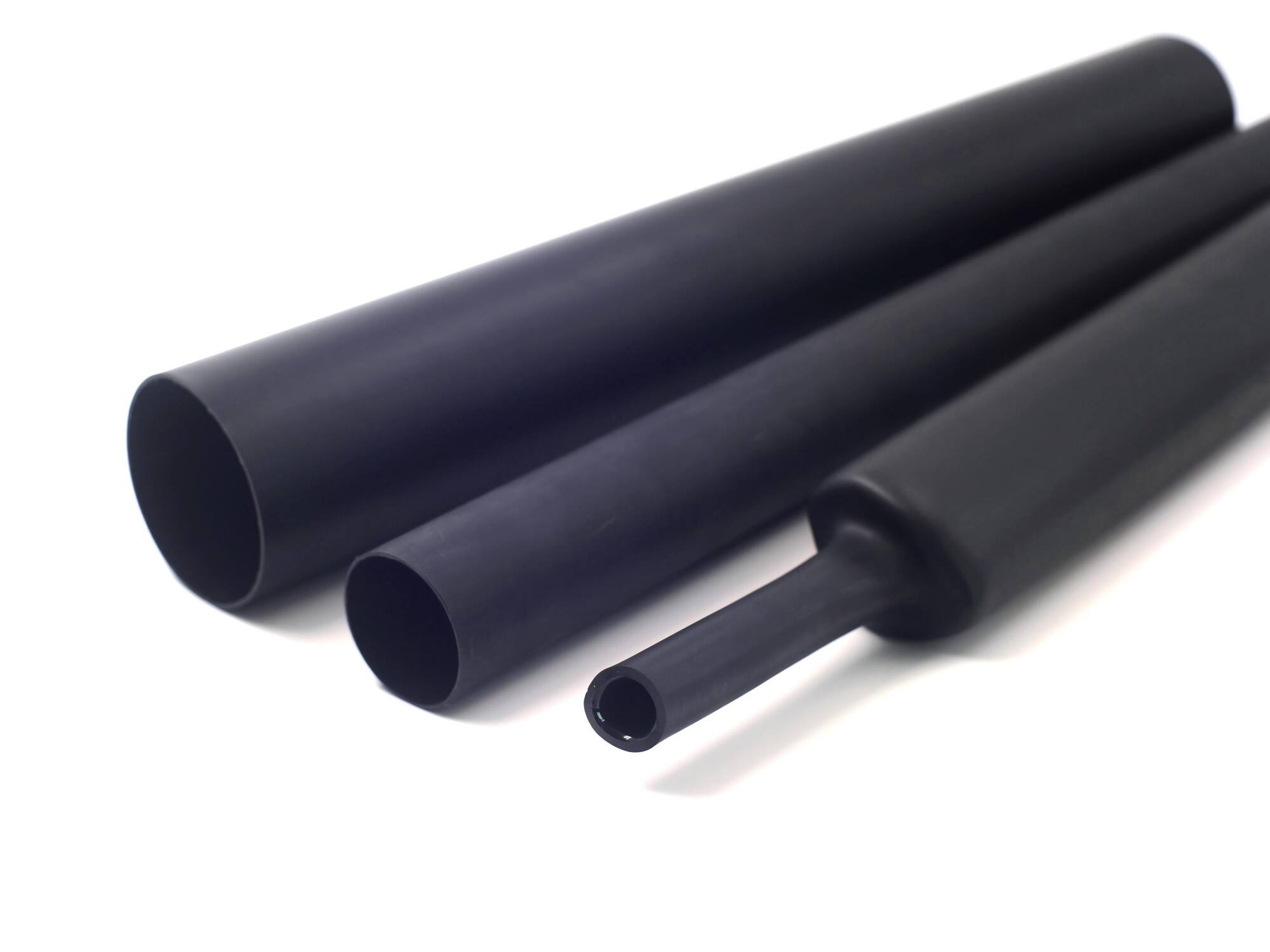
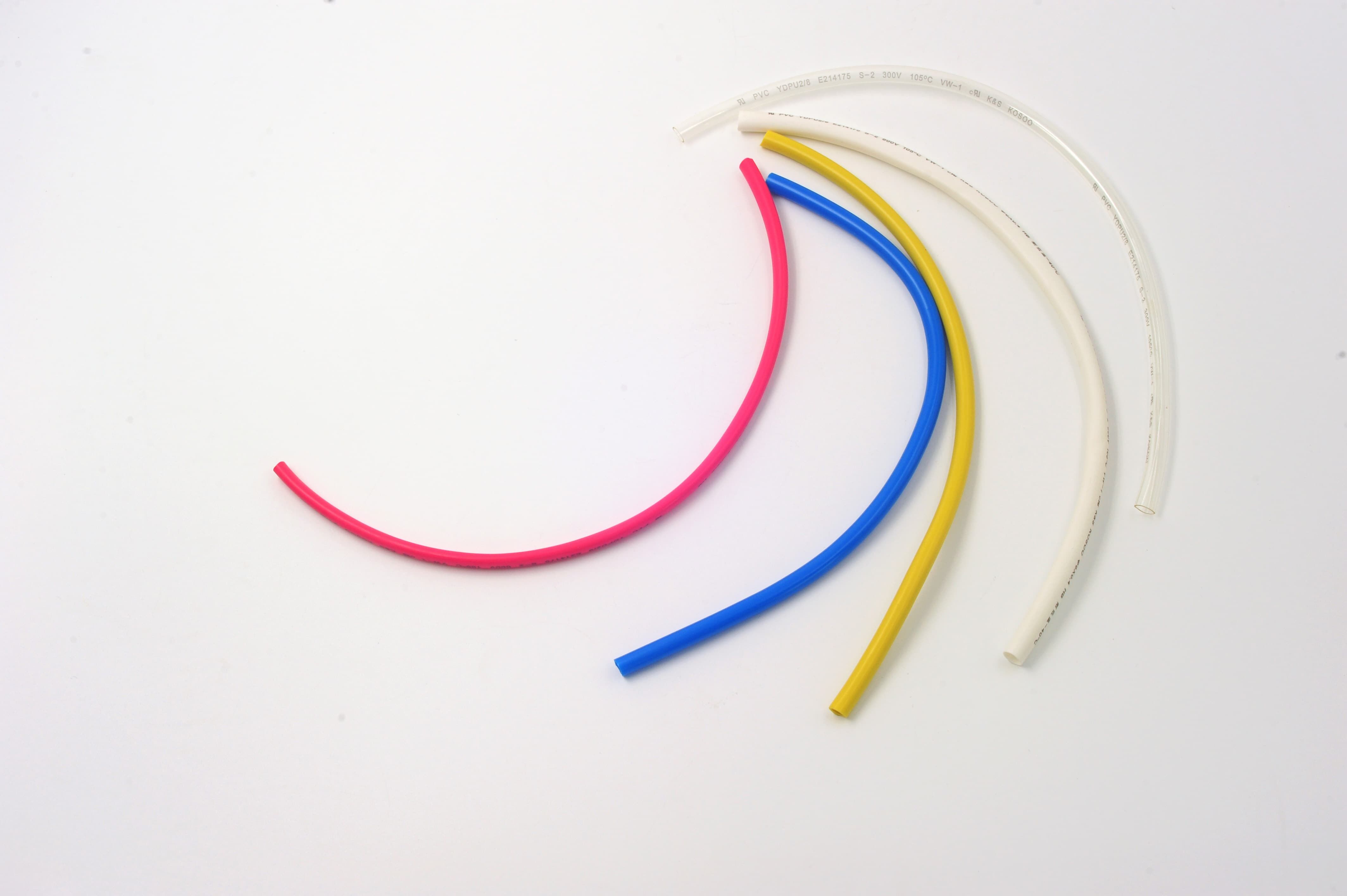
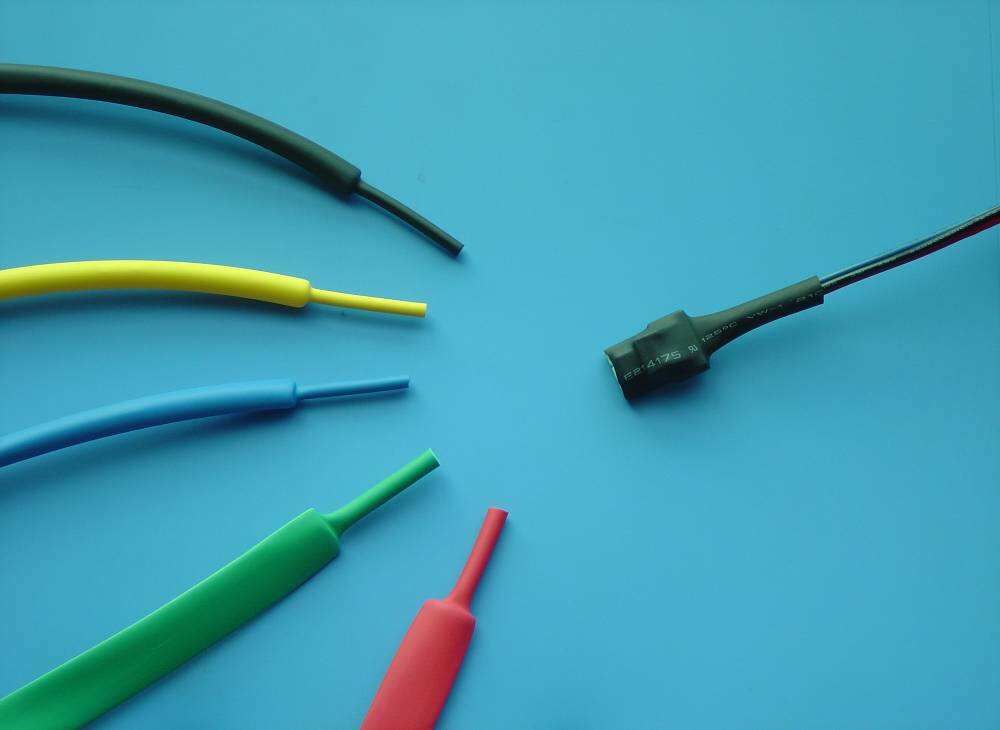
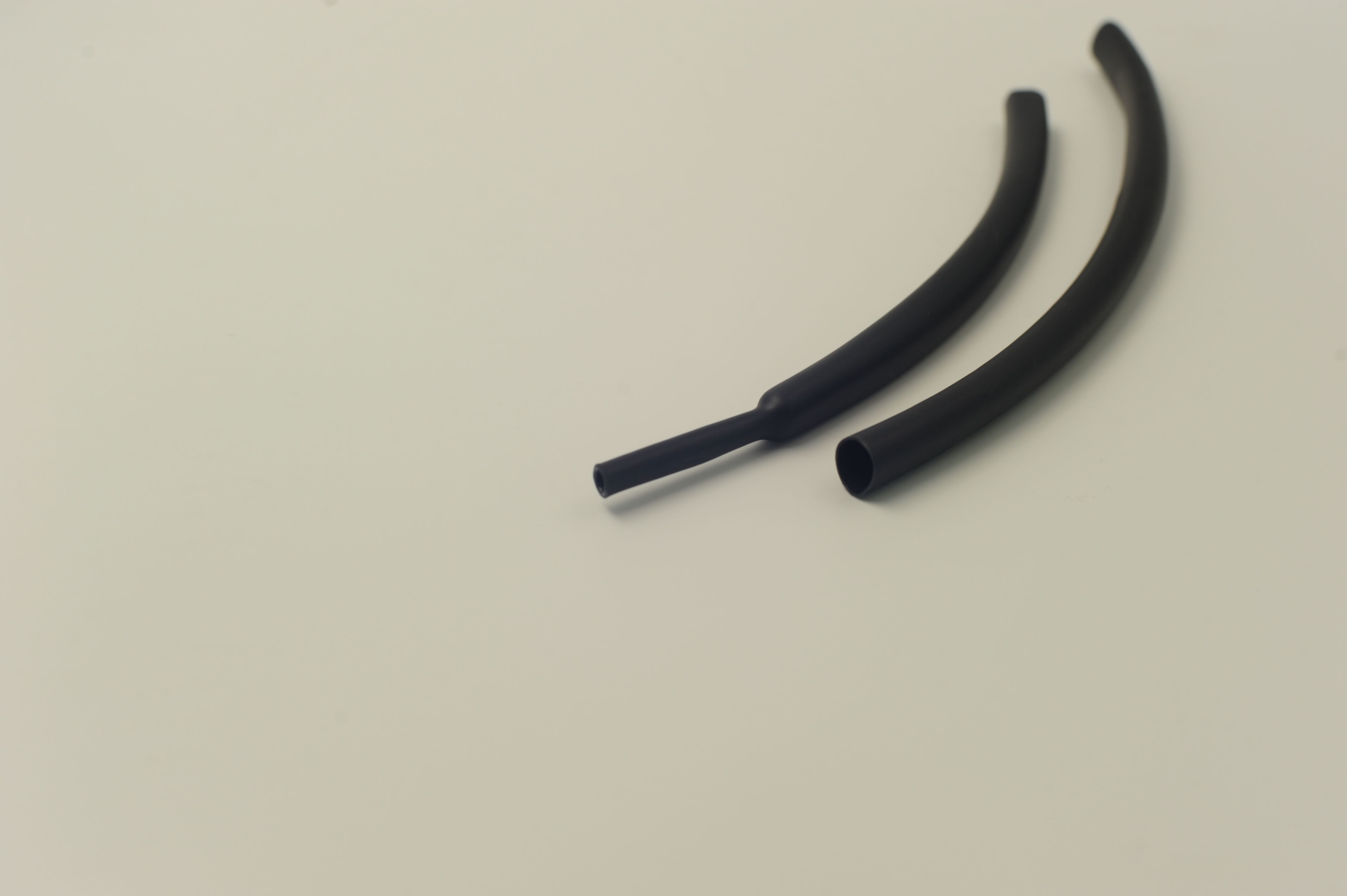
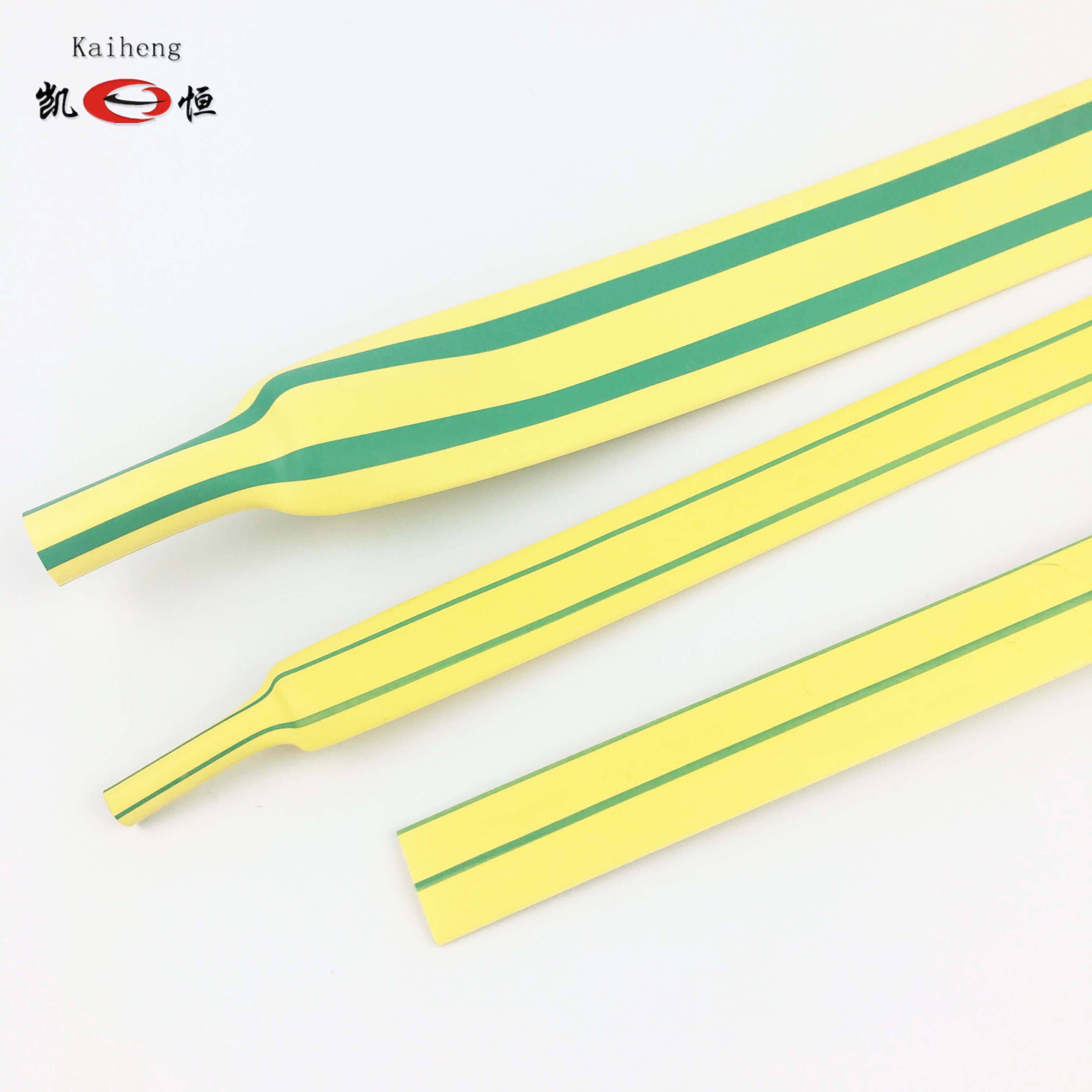
Heat shrink tube for electronics represents a fundamental protective solution in modern electrical and electronic applications. These specialized polymer tubes contract uniformly when exposed to heat, creating a tight seal around cables, wires, and components. The heat shrink tube for electronics serves multiple critical functions including insulation, protection against environmental factors, strain relief, and professional cable management. Manufactured from materials such as polyolefin, PVC, fluoropolymer, and silicone rubber, these tubes offer exceptional versatility across diverse temperature ranges and chemical environments. The technological features of heat shrink tube for electronics include controlled shrinkage ratios typically ranging from 2:1 to 6:1, allowing accommodation of various component sizes. Advanced formulations provide flame retardancy, UV resistance, and chemical compatibility essential for demanding electronic environments. The shrinkage process occurs predictably within specific temperature ranges, usually between 70°C to 150°C, depending on the material composition. Applications span telecommunications infrastructure, automotive wiring harnesses, aerospace systems, marine electronics, industrial control panels, and consumer electronic devices. Military and aerospace grade heat shrink tube for electronics meet stringent specifications for temperature cycling, moisture resistance, and mechanical durability. Color coding options facilitate wire identification and organization in complex installations. The material selection depends on operating temperature requirements, environmental exposure, flame resistance needs, and chemical compatibility. Dual-wall versions incorporate adhesive linings that melt during installation, providing superior moisture sealing for outdoor applications. Cross-linked polyolefin versions offer enhanced chemical resistance and mechanical strength. The heat shrink tube for electronics installation process requires proper heat application using heat guns, ovens, or specialized heating tools to ensure uniform shrinkage without damaging underlying components.

 EN
EN