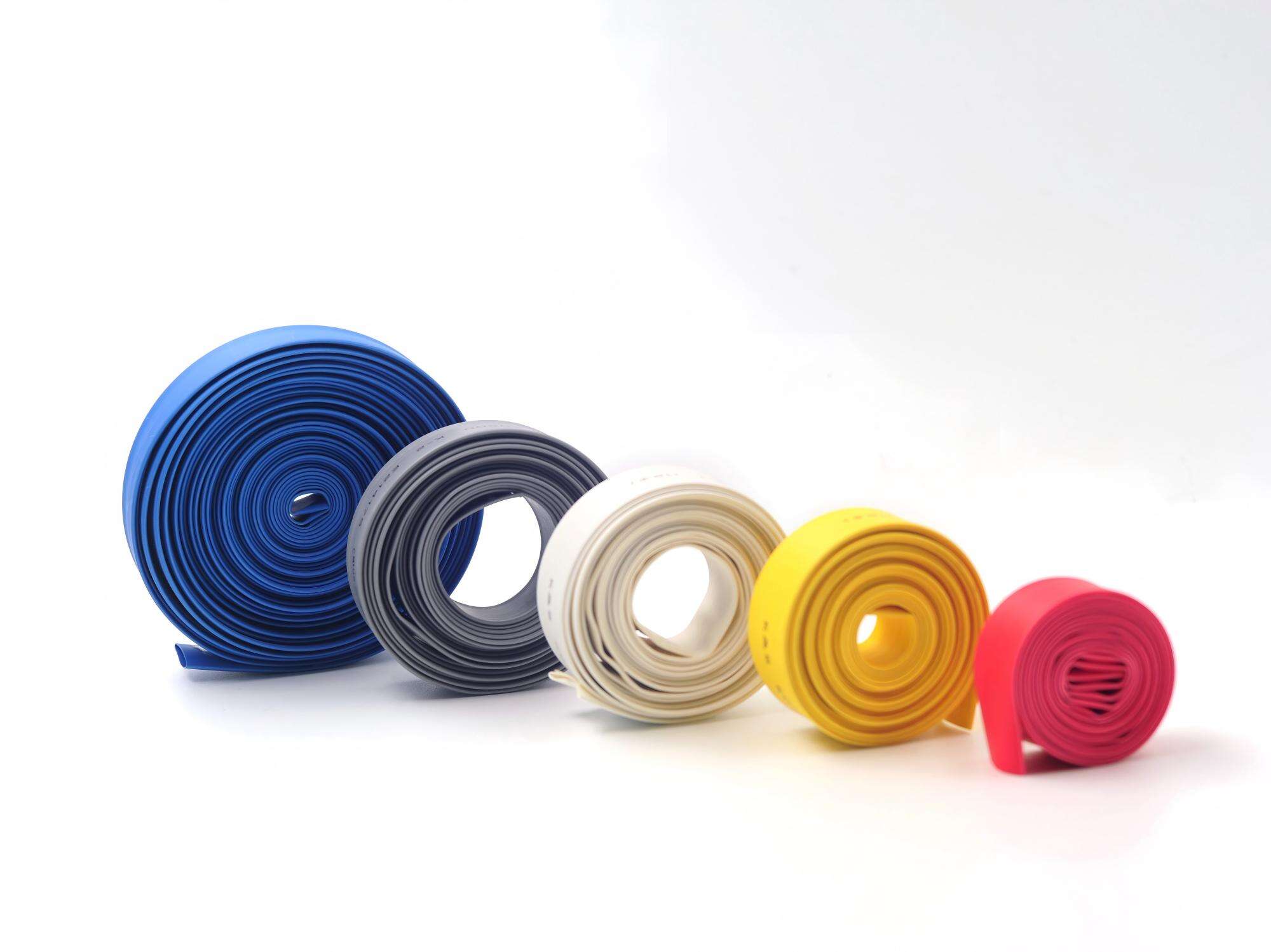
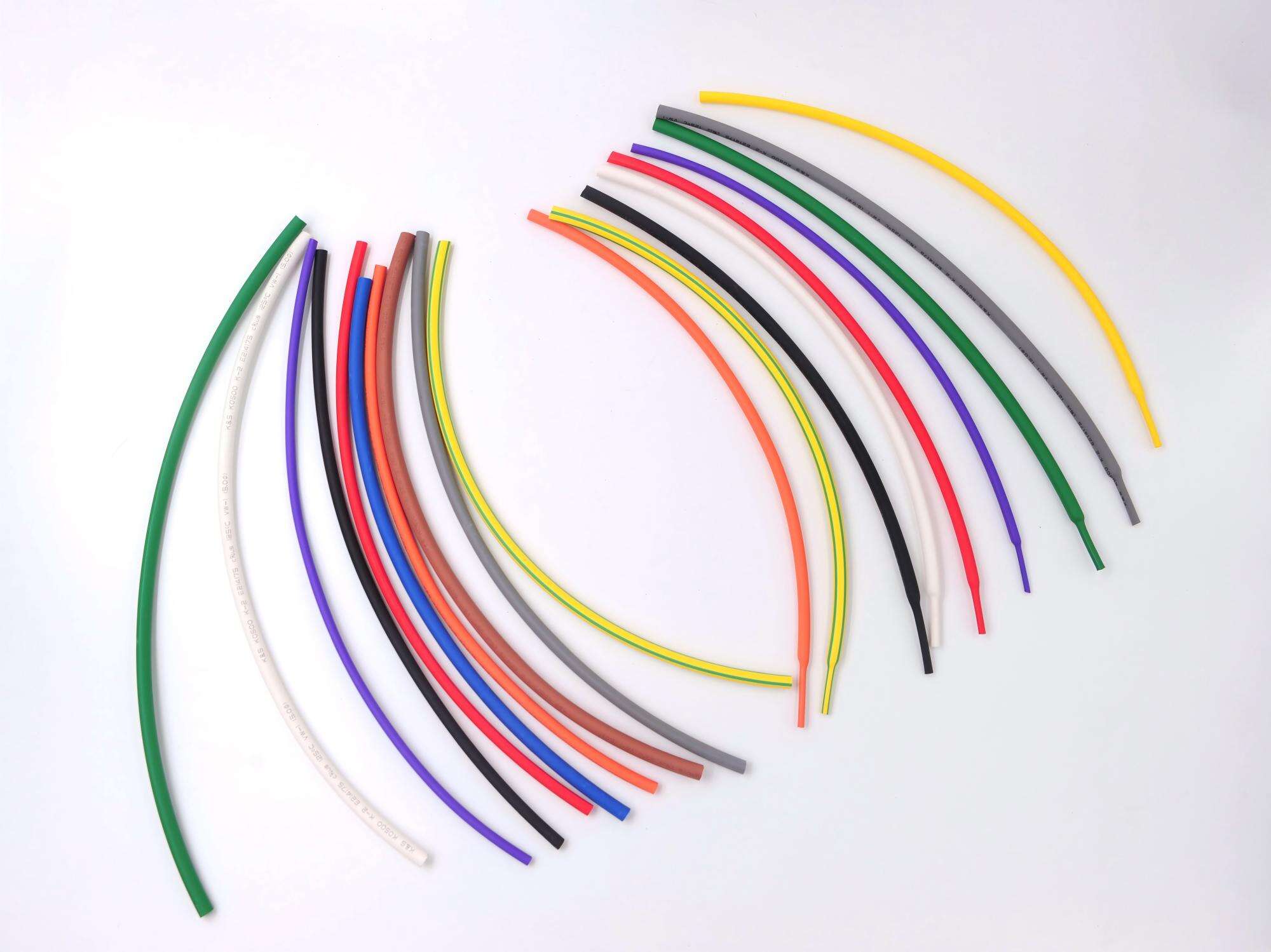
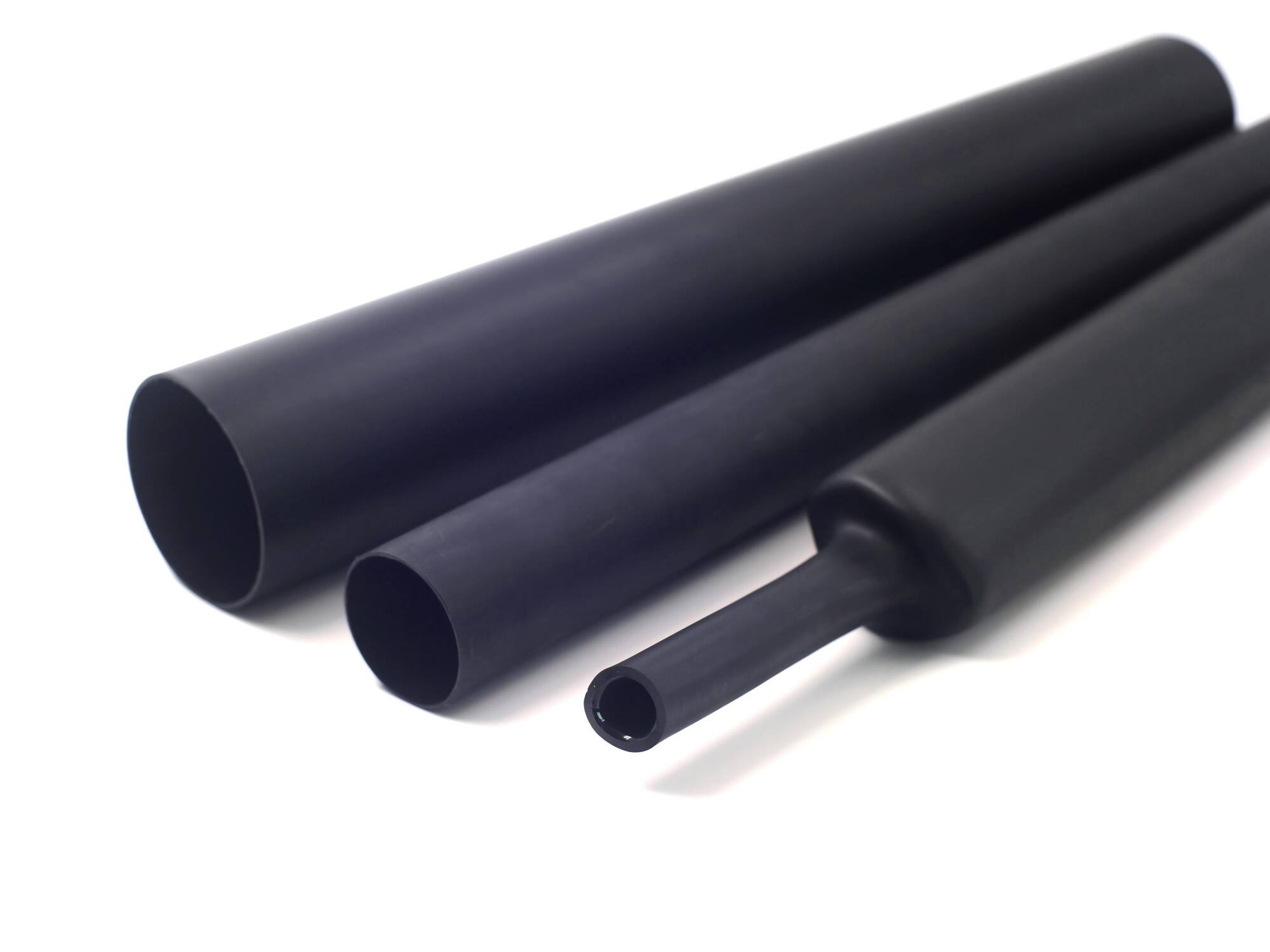
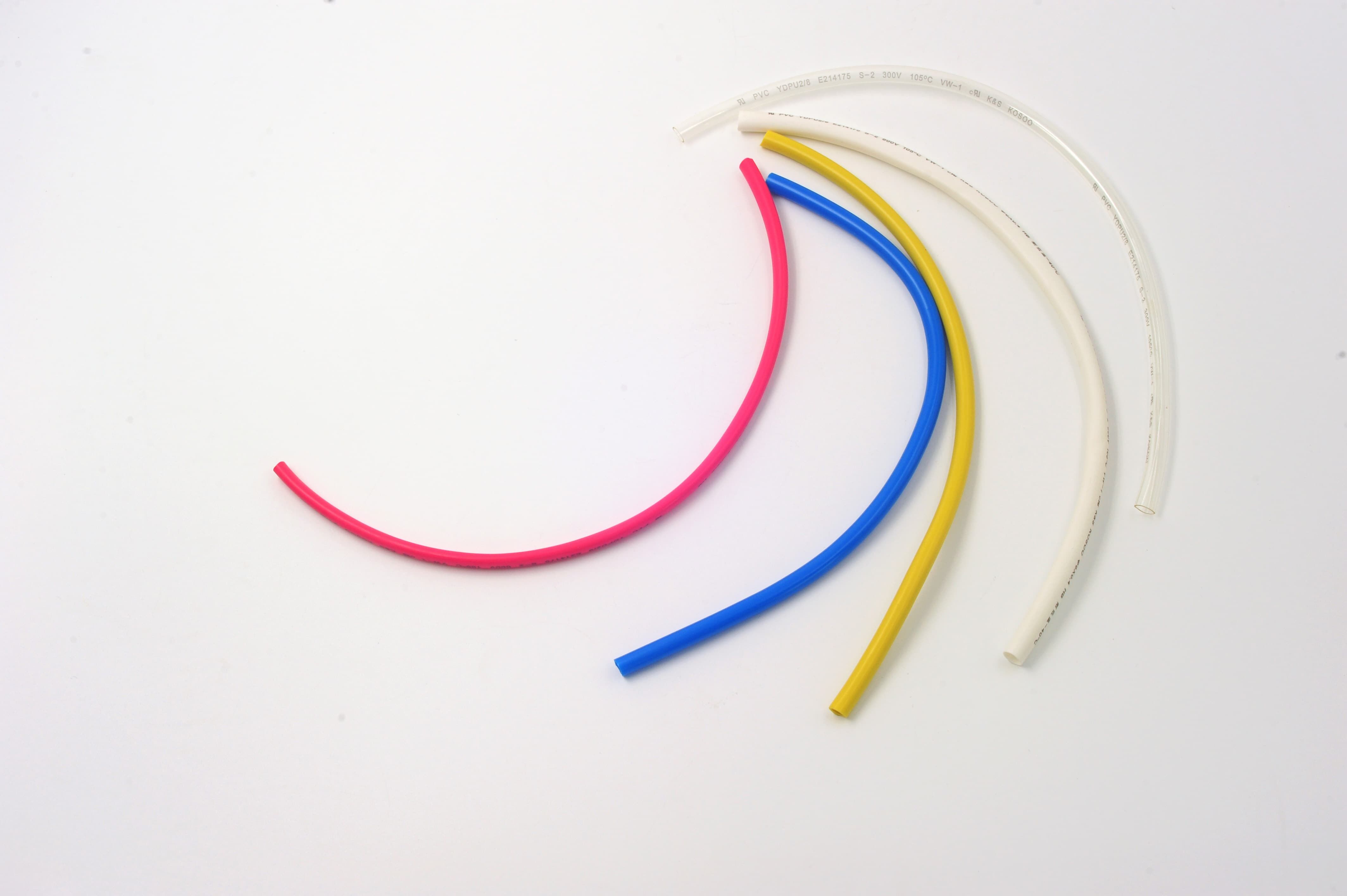
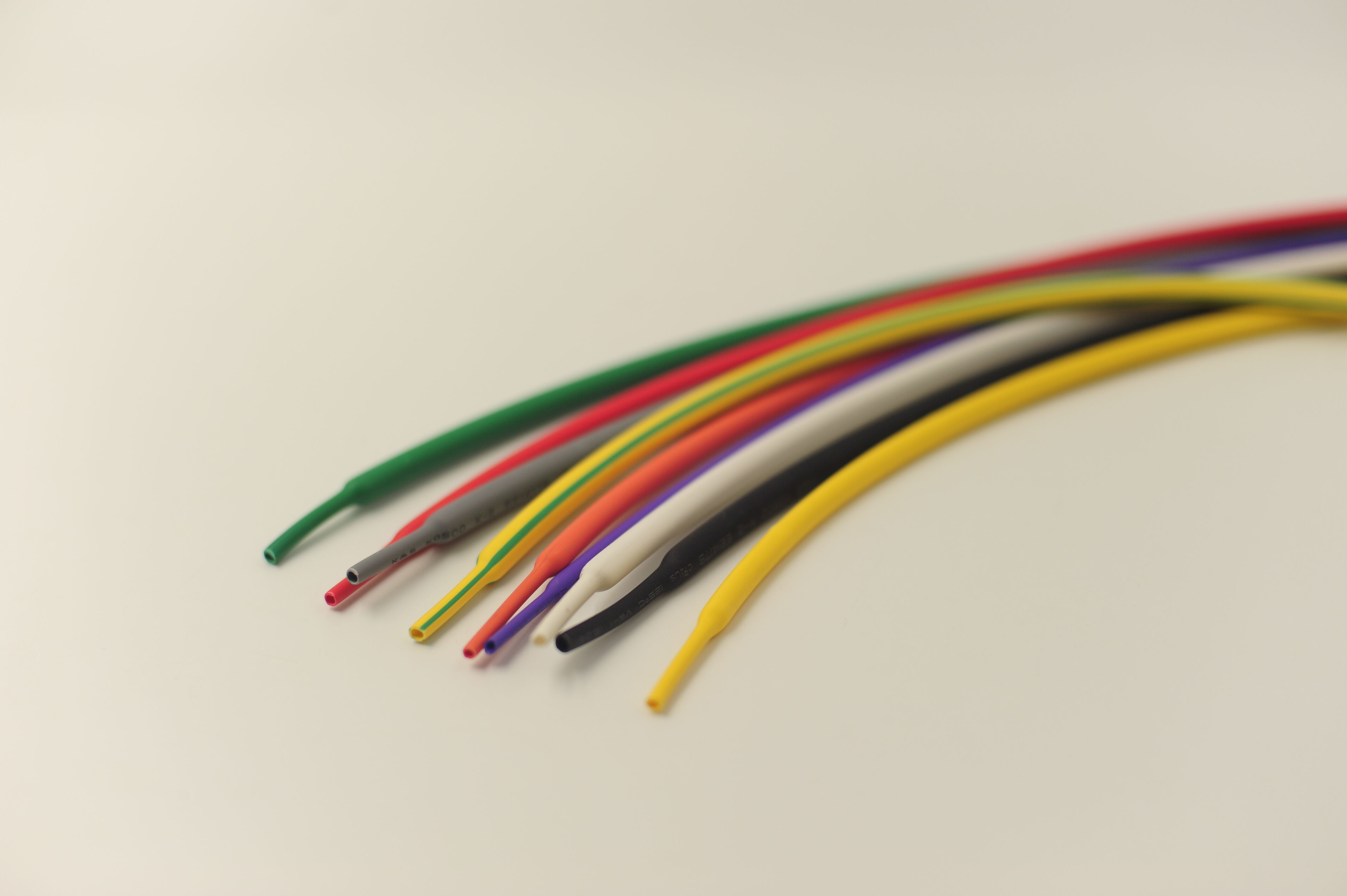
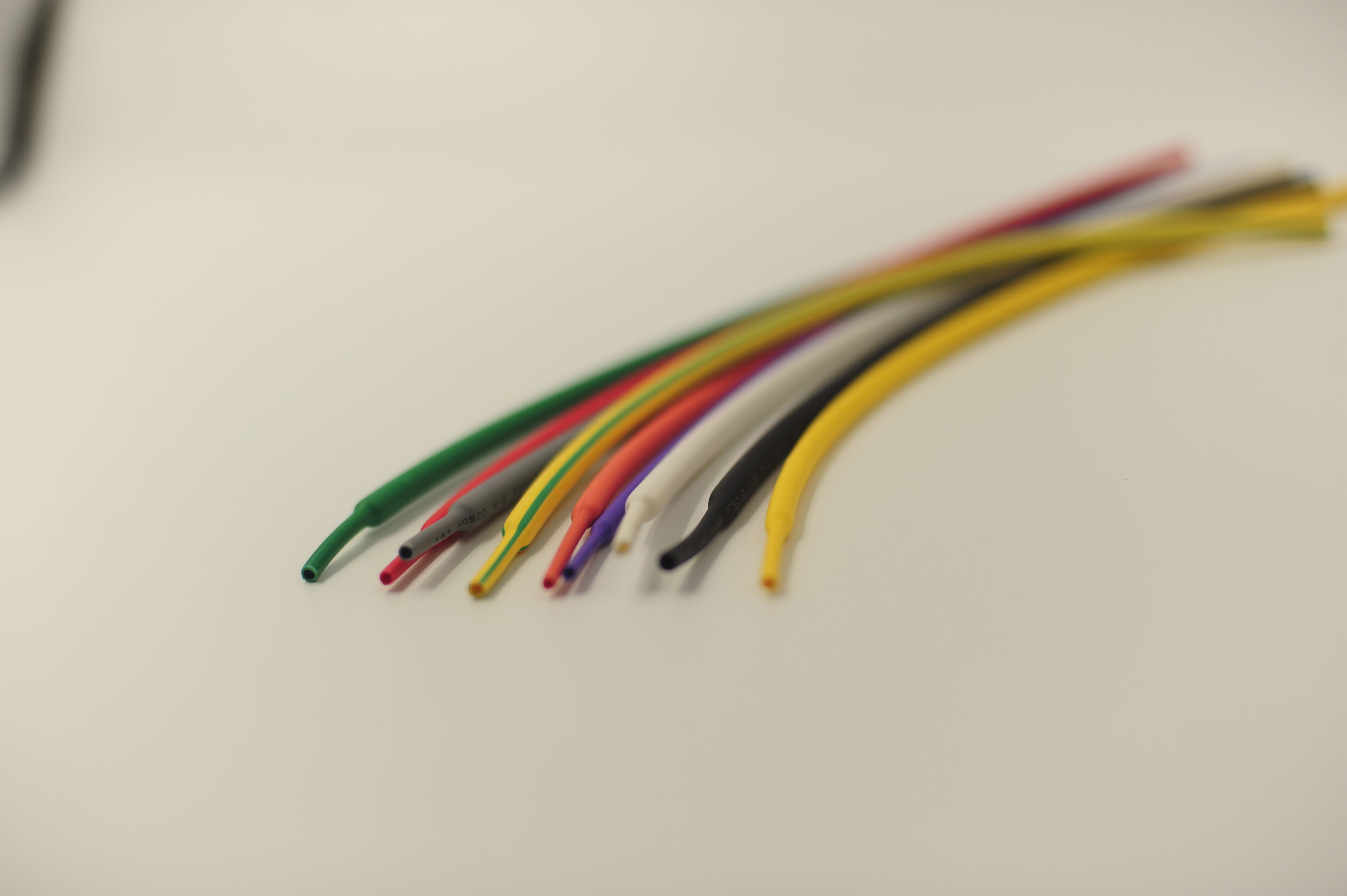
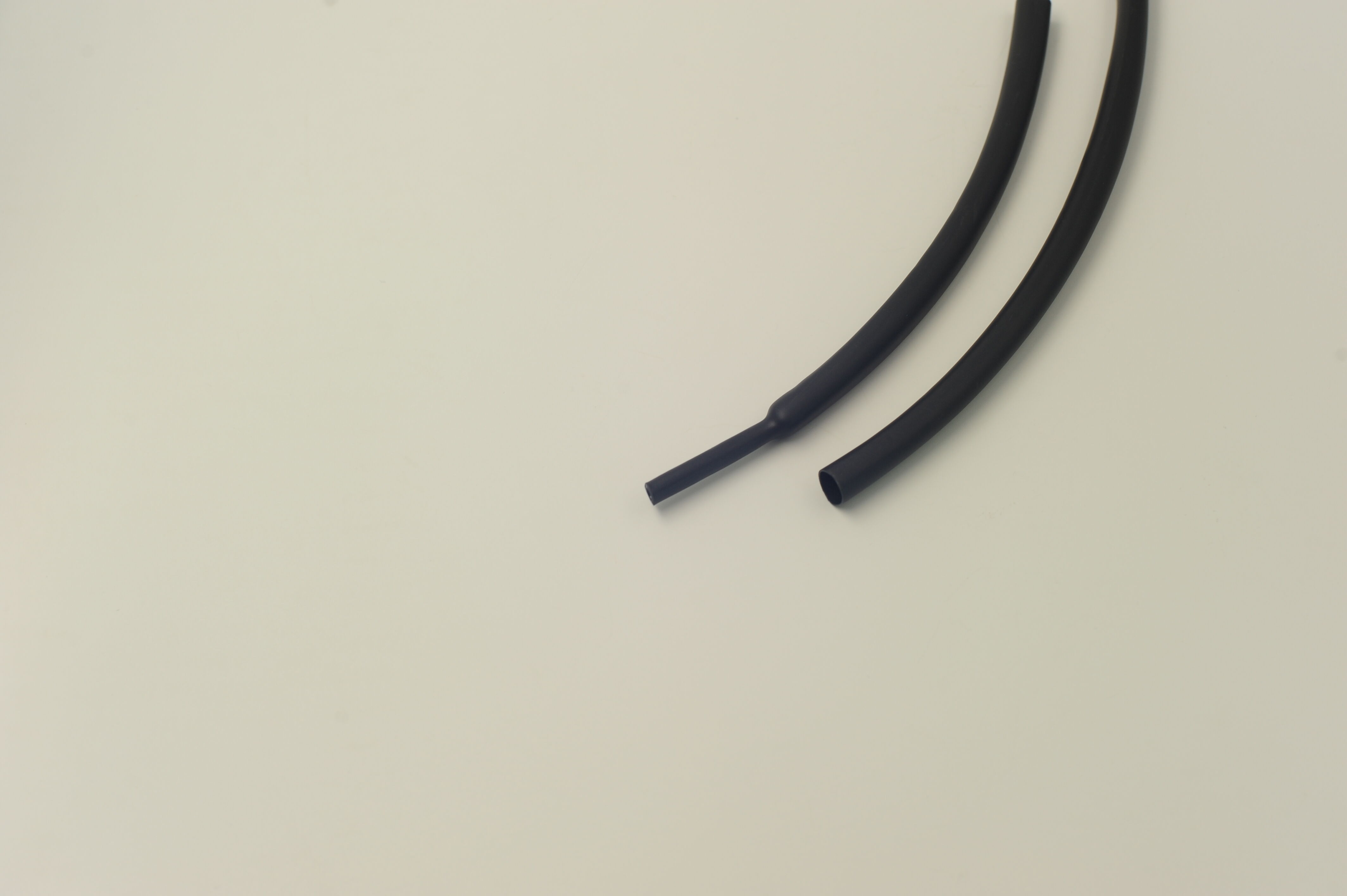
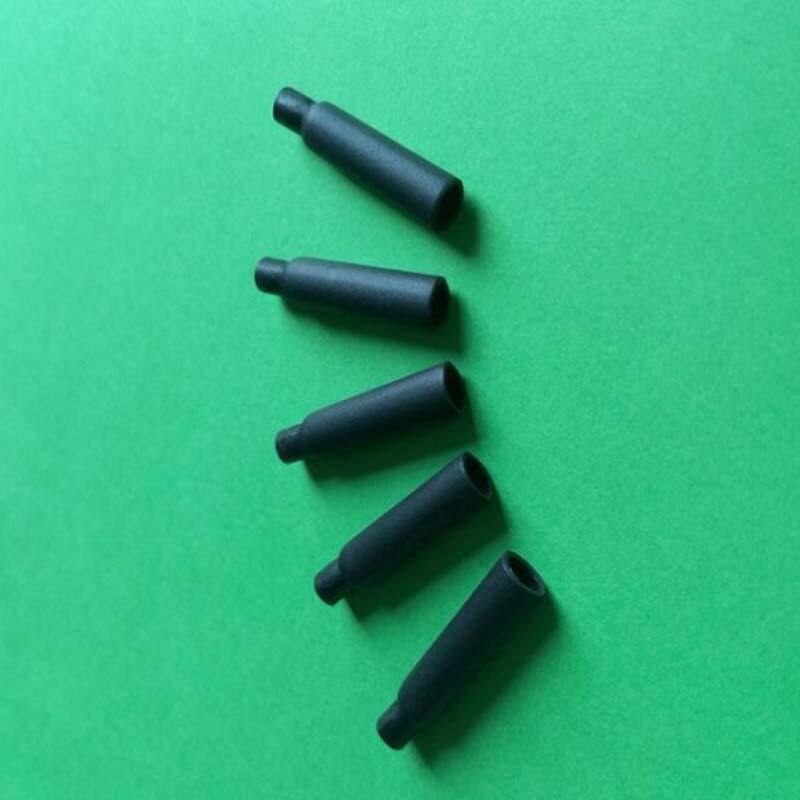
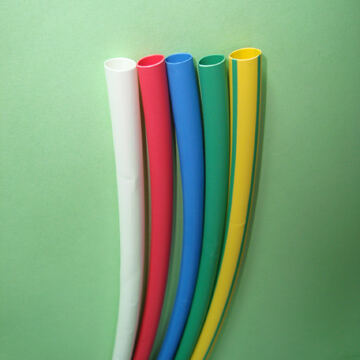
black shrink wrap tubing
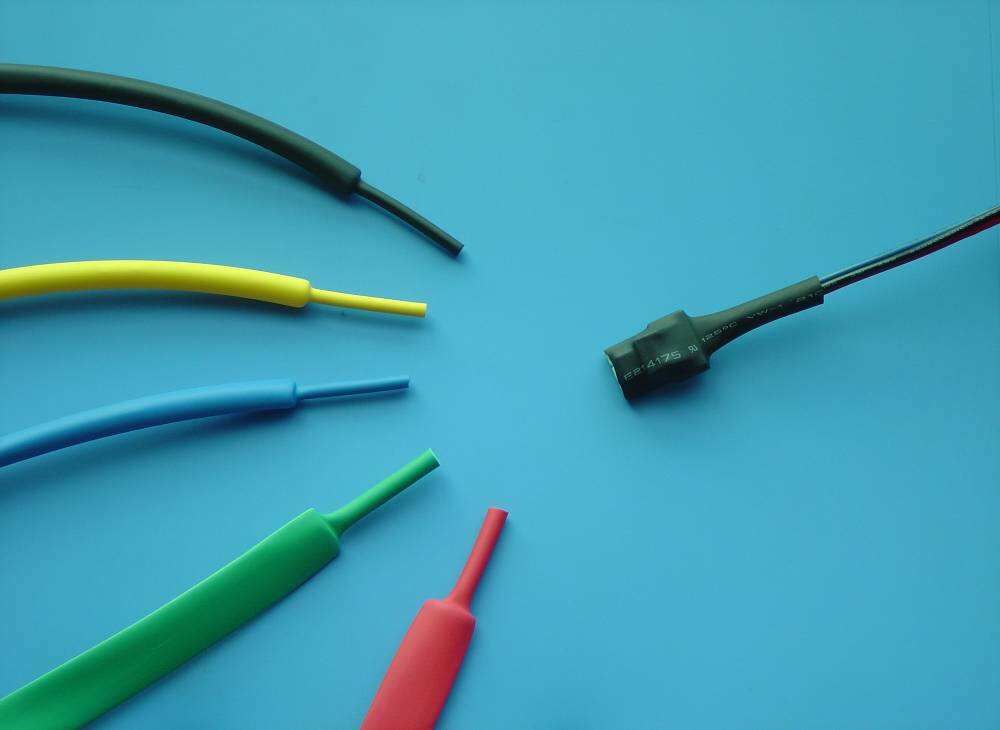
Black shrink wrap tubing represents a versatile and essential component in modern electrical and industrial applications, offering superior protection and organization for cables, wires, and various components. This specialized protective material consists of a heat-activated polymer that contracts uniformly when exposed to controlled heat sources, creating a tight, secure covering around objects of different shapes and sizes. The black coloration provides additional benefits including UV resistance, professional appearance, and enhanced durability in challenging environments. The primary function of black shrink wrap tubing centers on providing comprehensive protection against environmental hazards such as moisture, dust, chemicals, and physical abrasion. When heated using standard tools like heat guns or ovens, the tubing shrinks to approximately one-third of its original diameter, conforming precisely to the shape of the enclosed item. This process creates a waterproof seal that prevents contamination and extends the lifespan of protected components. Technologically, black shrink wrap tubing incorporates advanced polymer chemistry that ensures consistent shrinkage ratios, typically ranging from 2:1 to 4:1 depending on the specific application requirements. The material demonstrates excellent memory properties, maintaining its contracted state indefinitely under normal operating conditions. Temperature resistance varies by grade, with standard versions handling continuous exposure up to 125°C and specialized variants withstanding temperatures exceeding 200°C. The applications for black shrink wrap tubing span numerous industries including automotive, aerospace, telecommunications, marine, and consumer electronics. In automotive applications, it protects wire harnesses from engine heat and road debris. Aerospace applications utilize it for critical cable management in aircraft systems where reliability is paramount. Telecommunications companies rely on black shrink wrap tubing for outdoor installations where weather resistance is crucial. The material's flexibility allows it to accommodate complex geometries while maintaining protective integrity, making it invaluable for custom installations and repairs across diverse industrial sectors.

 EN
EN