custom heat shrink tubing
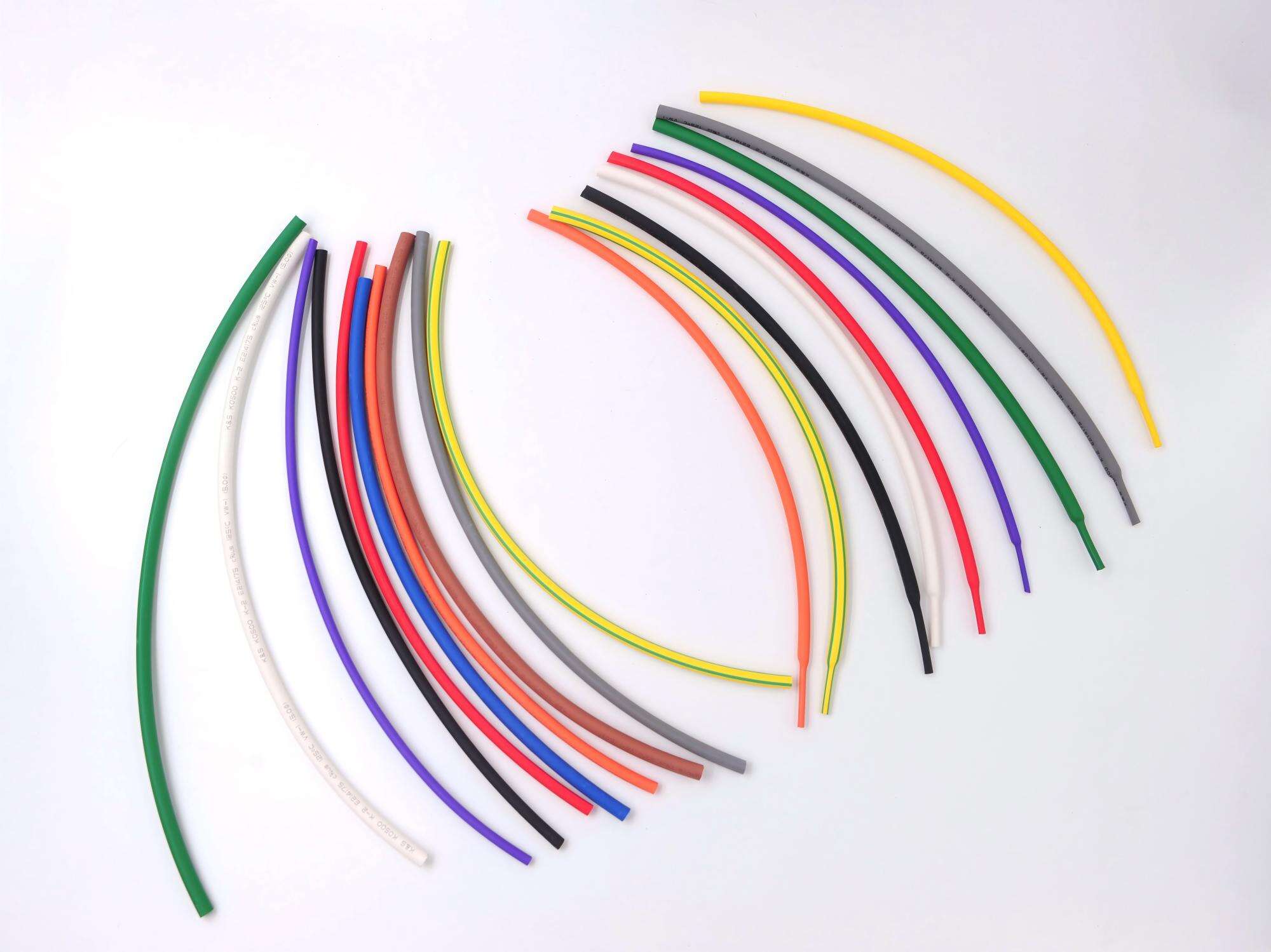
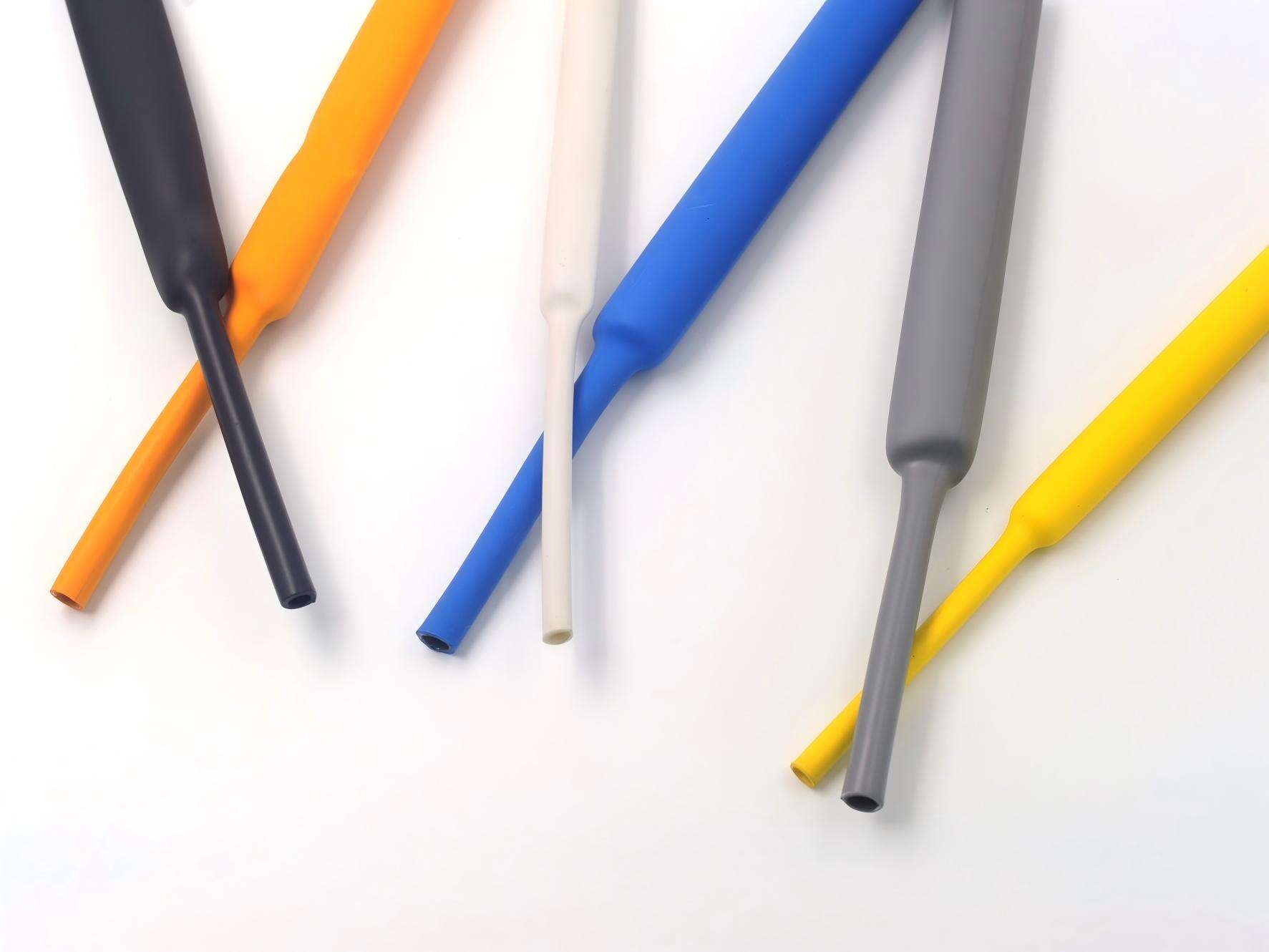
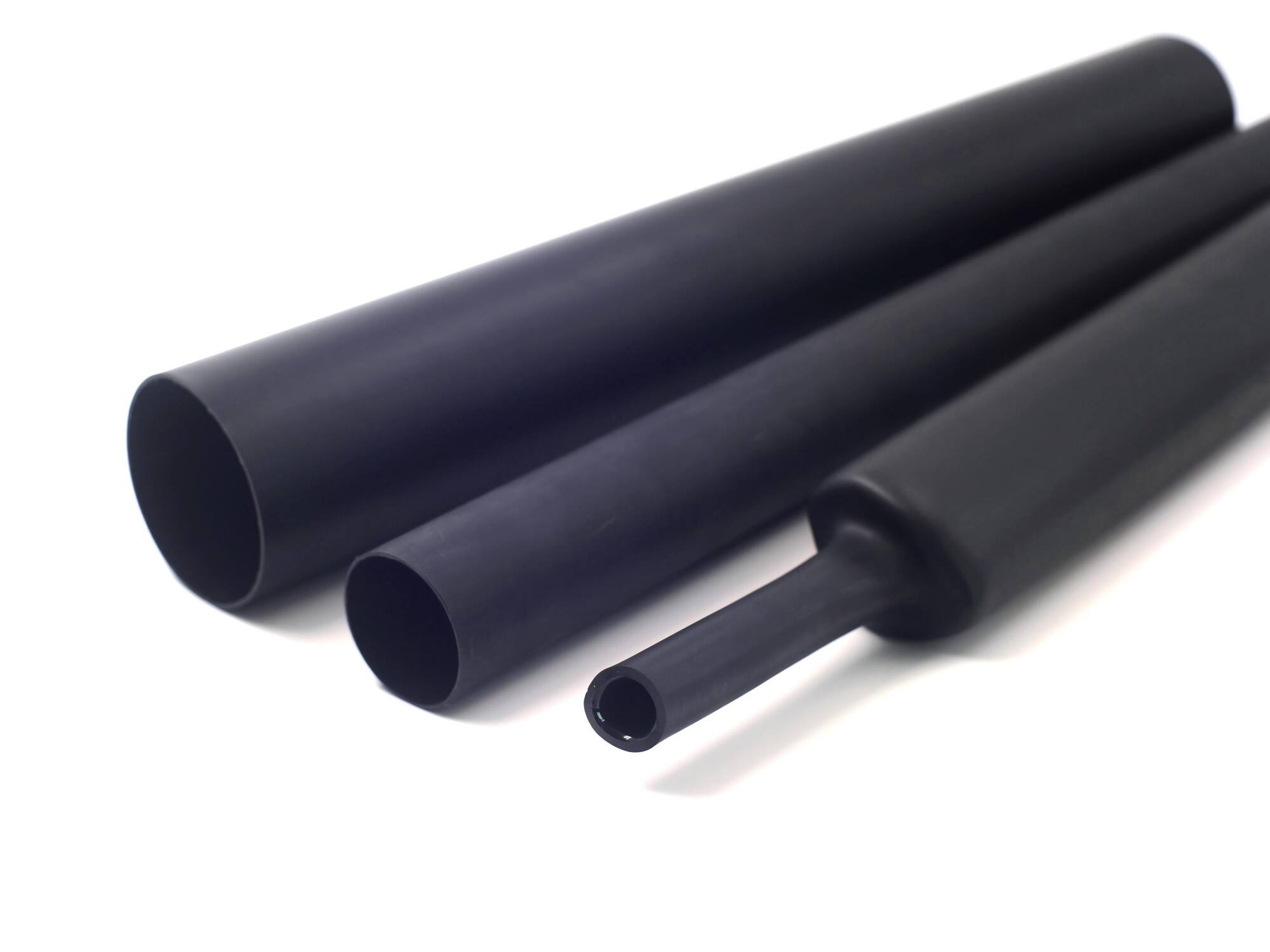
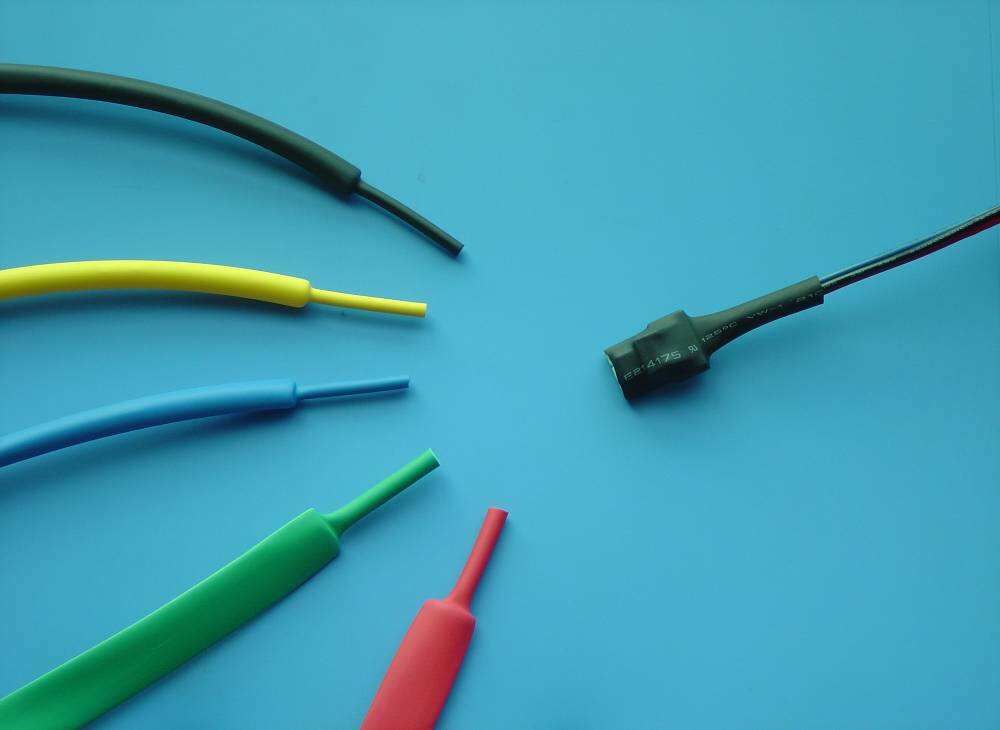
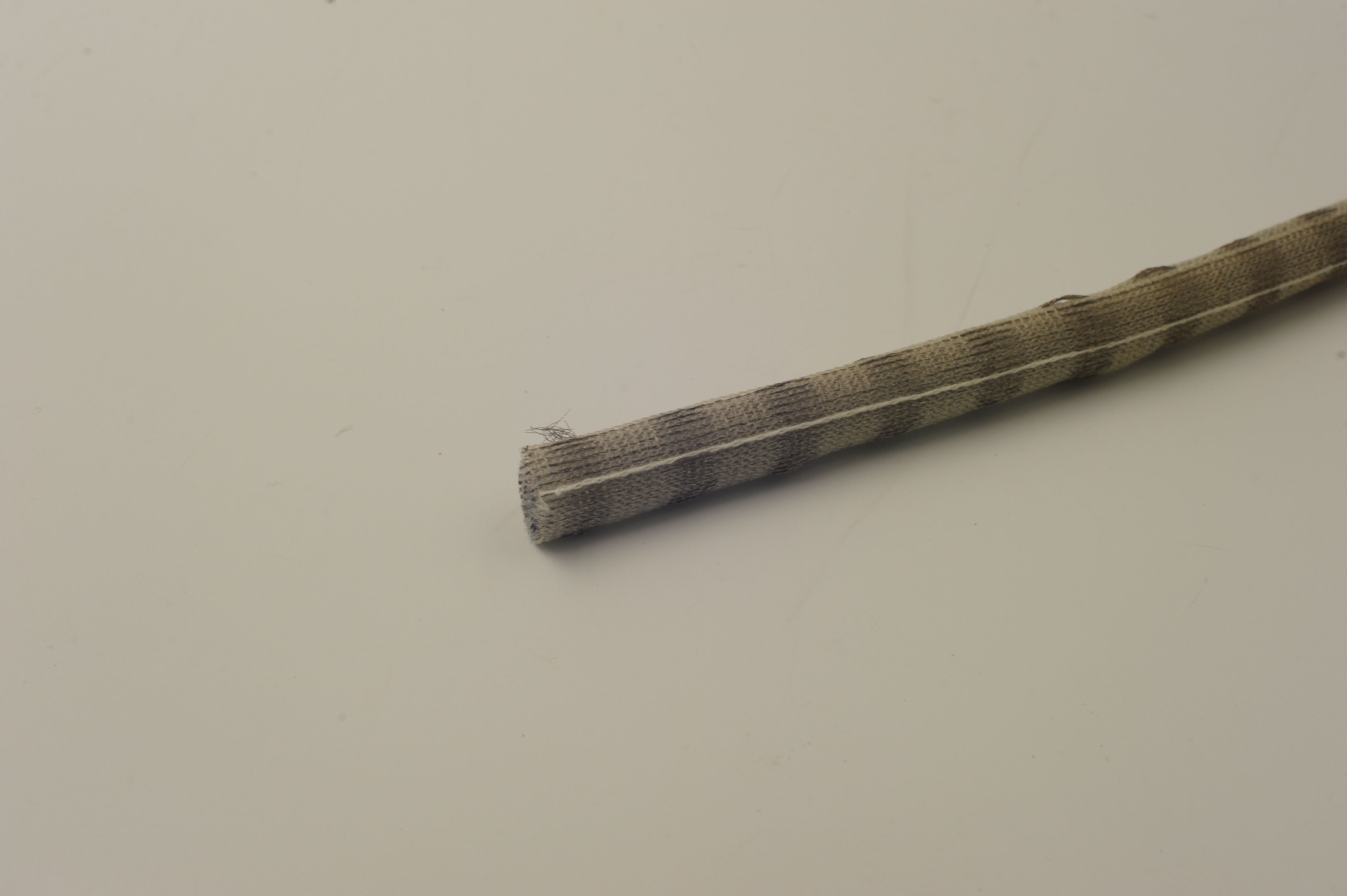
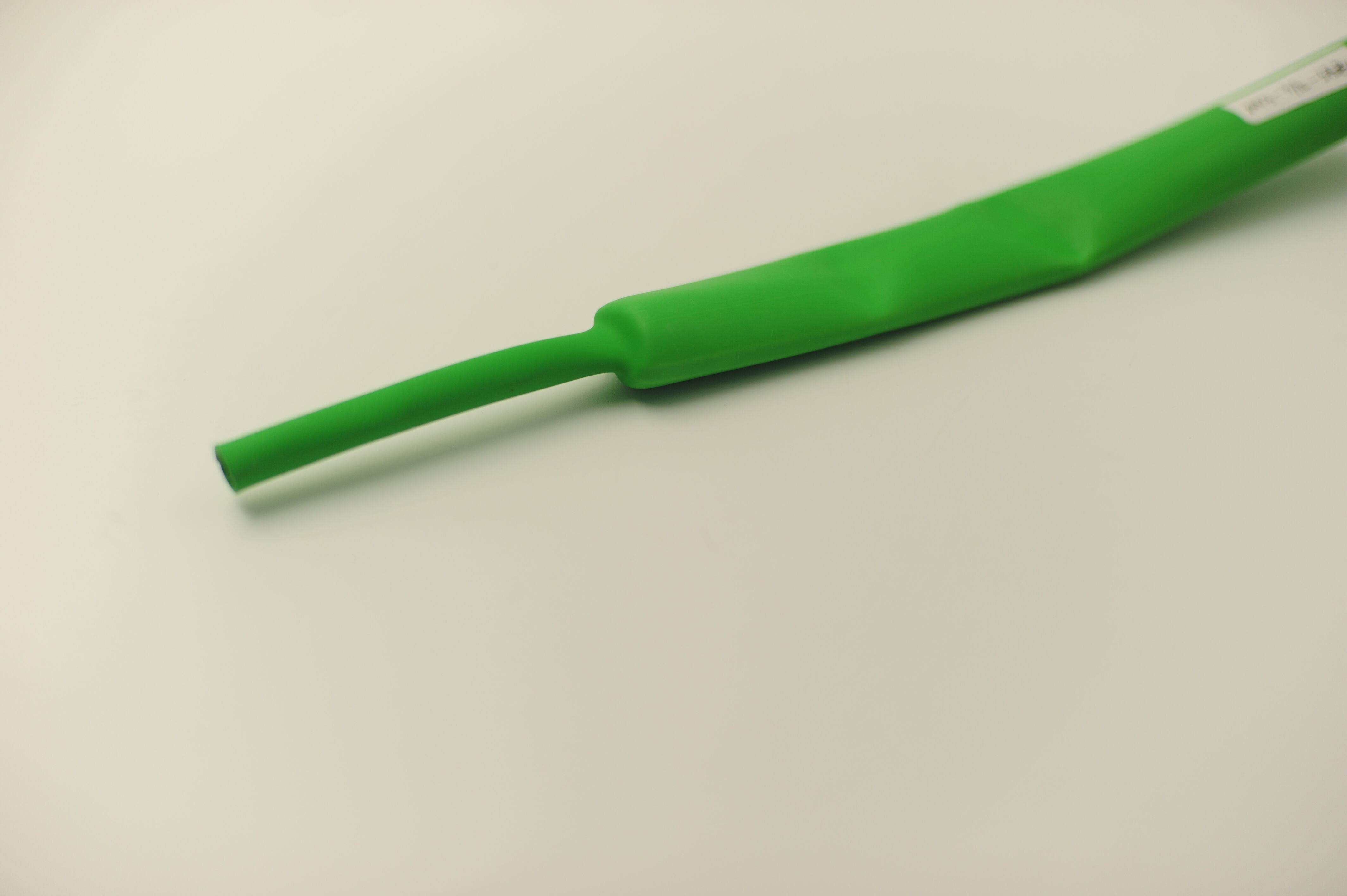
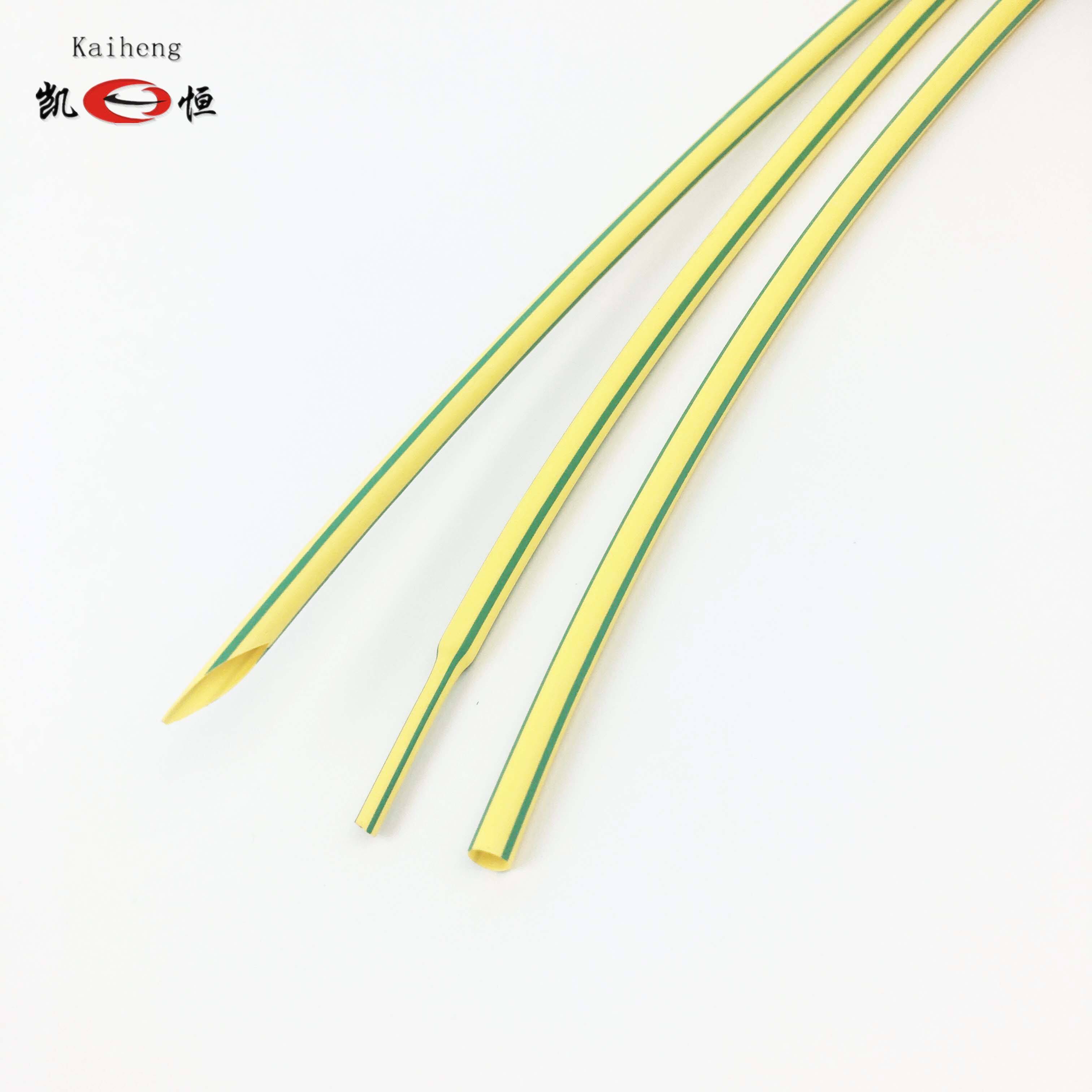
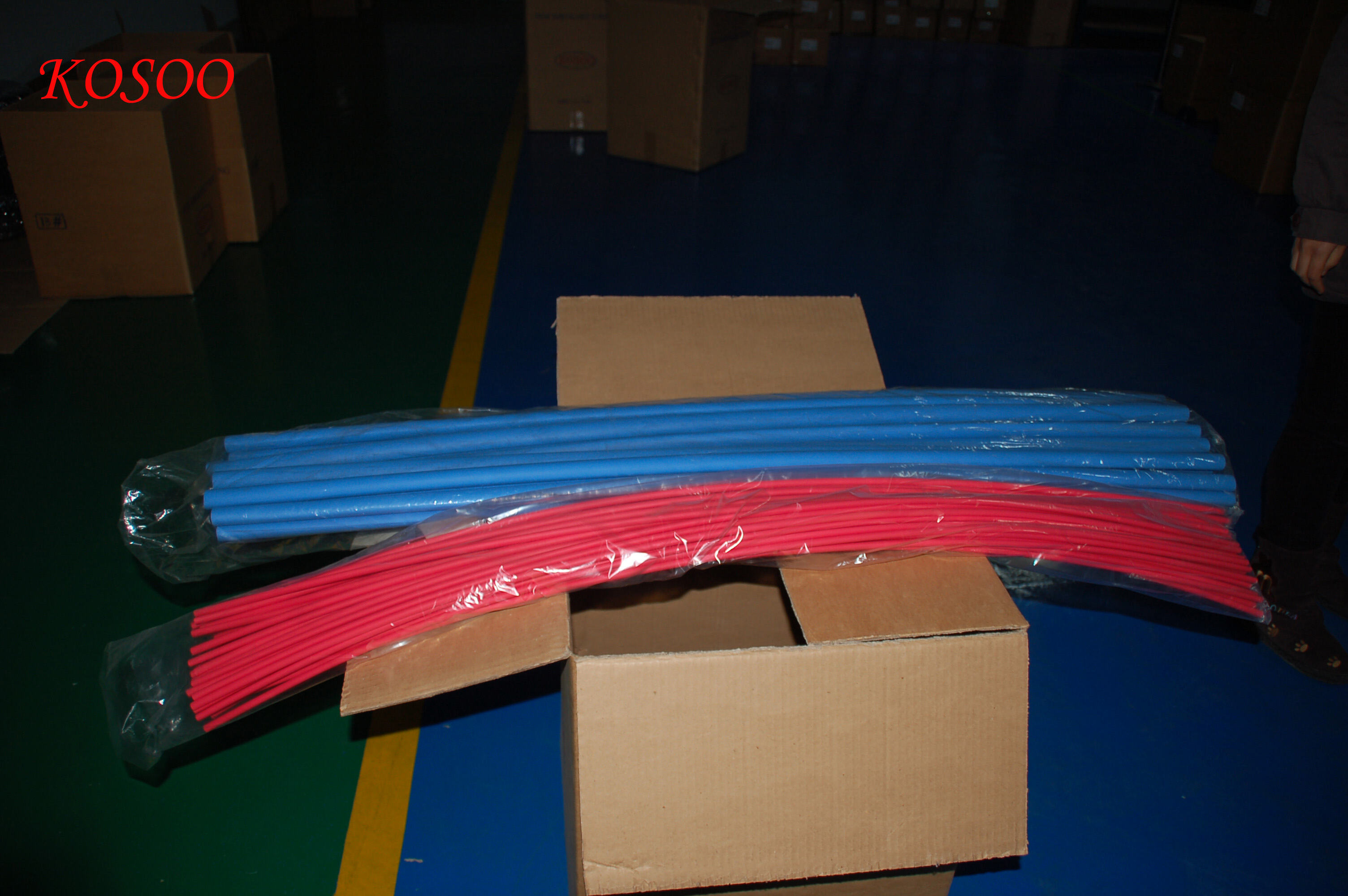
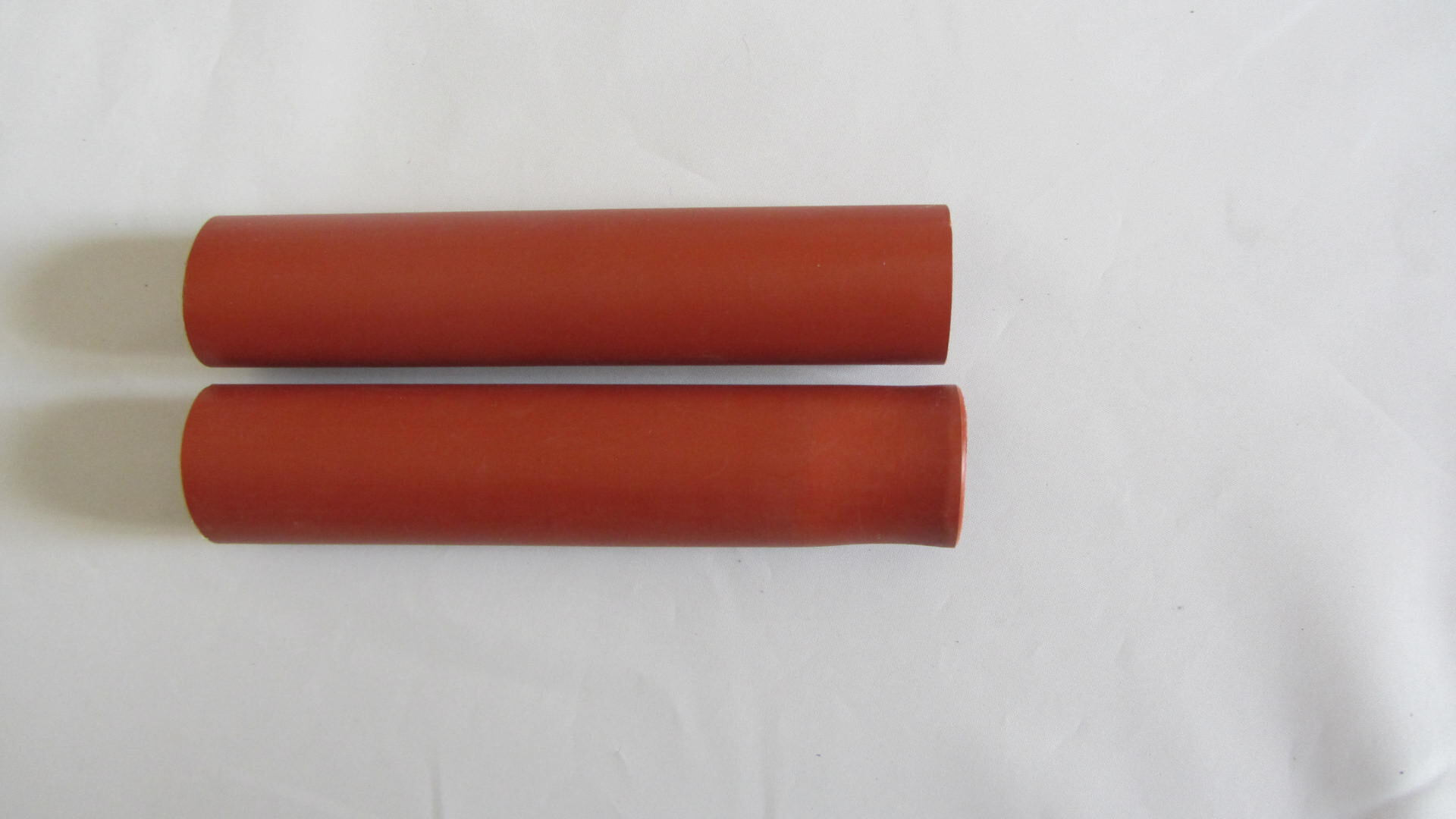
Custom heat shrink tubing represents a revolutionary solution in electrical insulation and protection technology, designed to meet specific dimensional, material, and performance requirements across diverse industries. This specialized tubing contracts when heated, creating a tight, protective sleeve around wires, cables, connectors, and various components. Unlike standard heat shrink products, custom heat shrink tubing offers tailored specifications including precise diameter ratios, wall thickness variations, color coding options, and specialized material compositions to address unique application challenges. The primary function involves providing electrical insulation, moisture protection, strain relief, and mechanical shielding for sensitive electronic components. Technological features include controlled shrinkage ratios typically ranging from 2:1 to 6:1, operating temperature ranges from -55°C to +200°C depending on material selection, and excellent dielectric strength properties. Advanced manufacturing processes enable the integration of flame-retardant additives, UV-resistant compounds, and chemical-resistant polymers. Applications span aerospace wiring harnesses, automotive electrical systems, telecommunications infrastructure, marine electronics, industrial automation, medical device manufacturing, and renewable energy installations. The versatility extends to specialty uses including cable bundling, component identification through color coding, environmental sealing, and corrosion prevention. Custom formulations accommodate specific regulatory requirements such as military specifications, automotive standards, and medical device regulations. Material options encompass polyolefin compounds for general purposes, fluoropolymers for extreme temperature applications, silicone elastomers for flexibility requirements, and specialized blends for chemical resistance. Manufacturing capabilities include precision cutting to exact lengths, pre-expanded configurations for easy installation, and printed markings for component identification. Quality assurance protocols ensure consistent shrinkage characteristics, dimensional accuracy, and long-term reliability under specified operating conditions.

 EN
EN