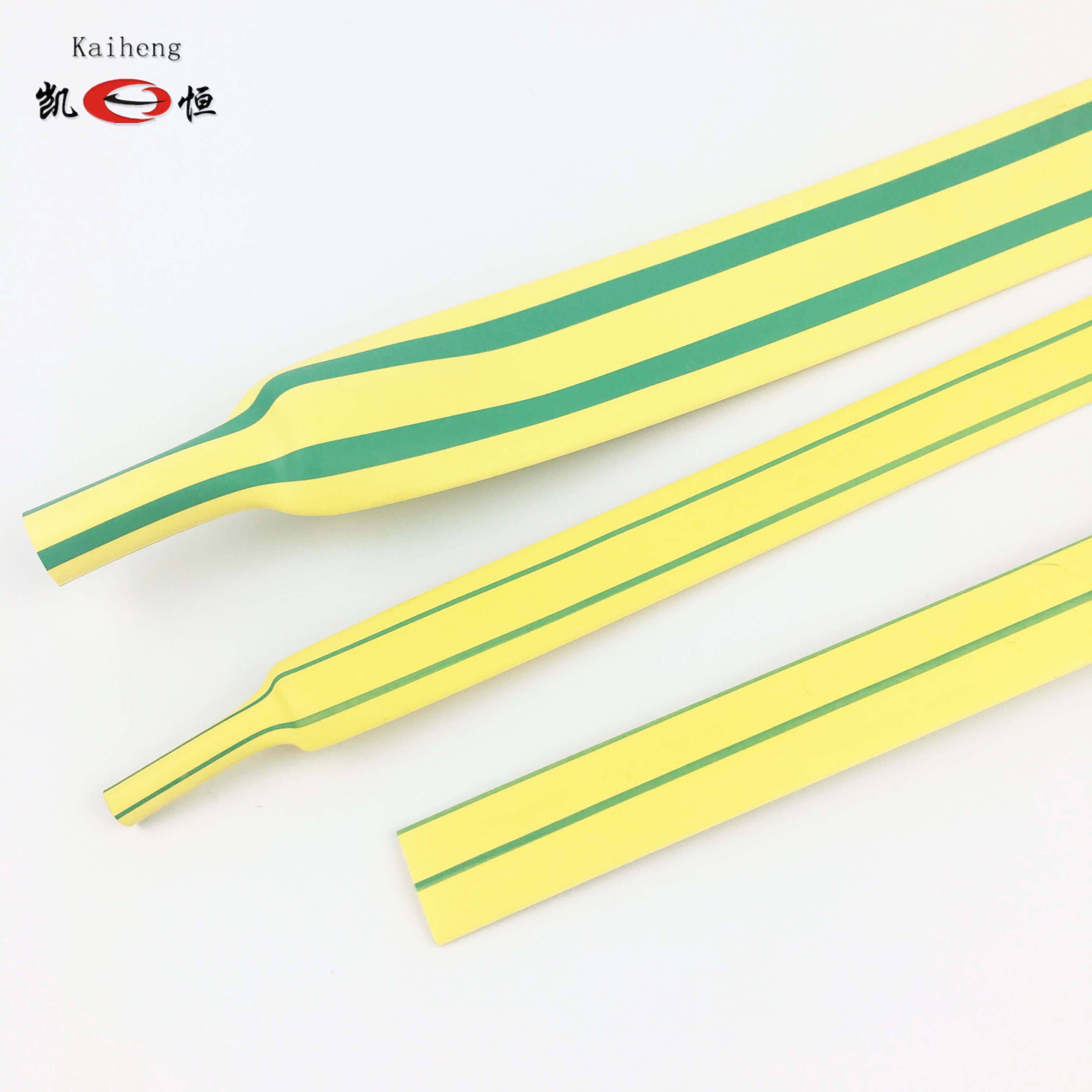
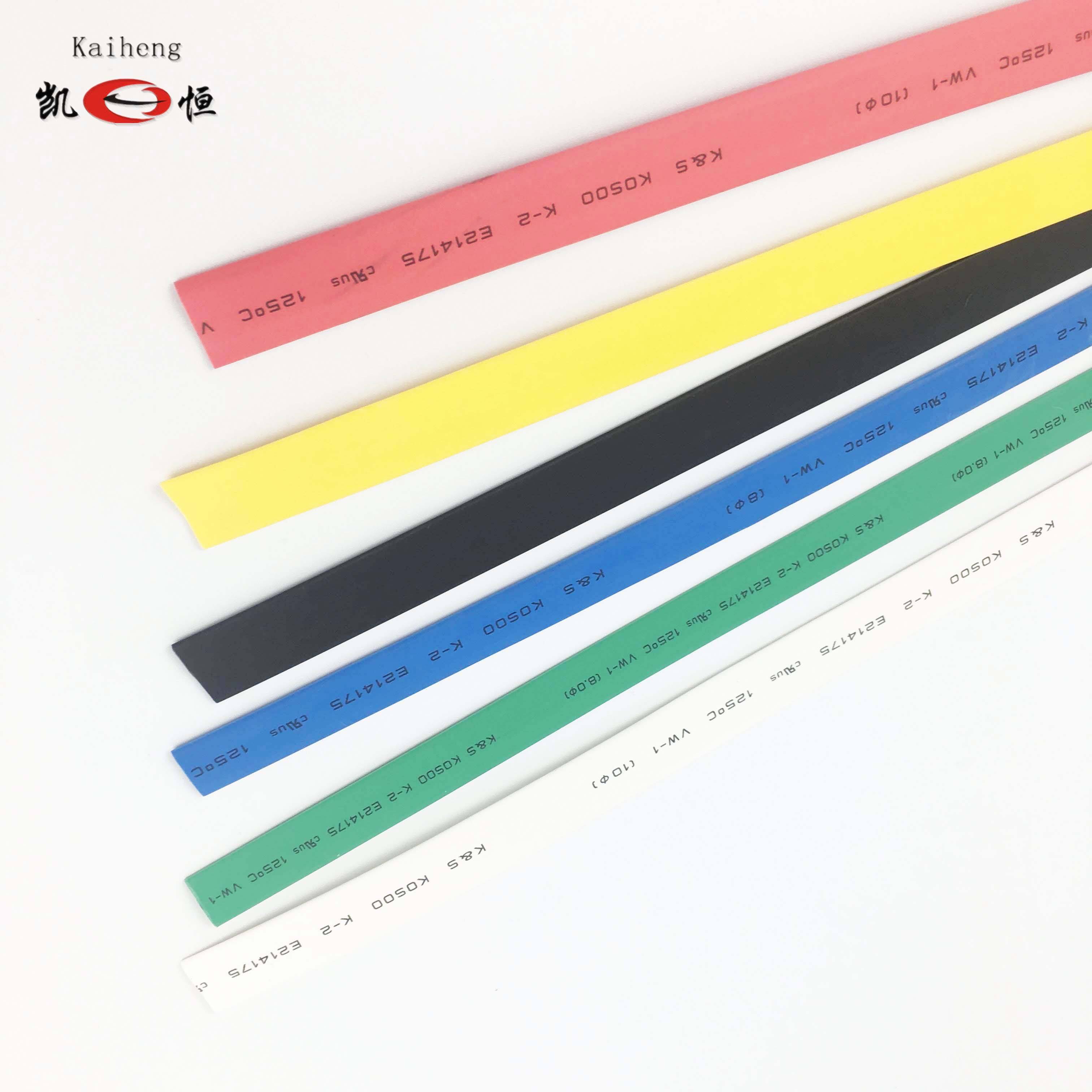
Premium Flexible PVC Tube Solutions - Chemical Resistant & Easy Installation

Get a Free Quote

Our representative will contact you soon.
Email
Name
Company Name
Message
0/1000

flexible pvc tube

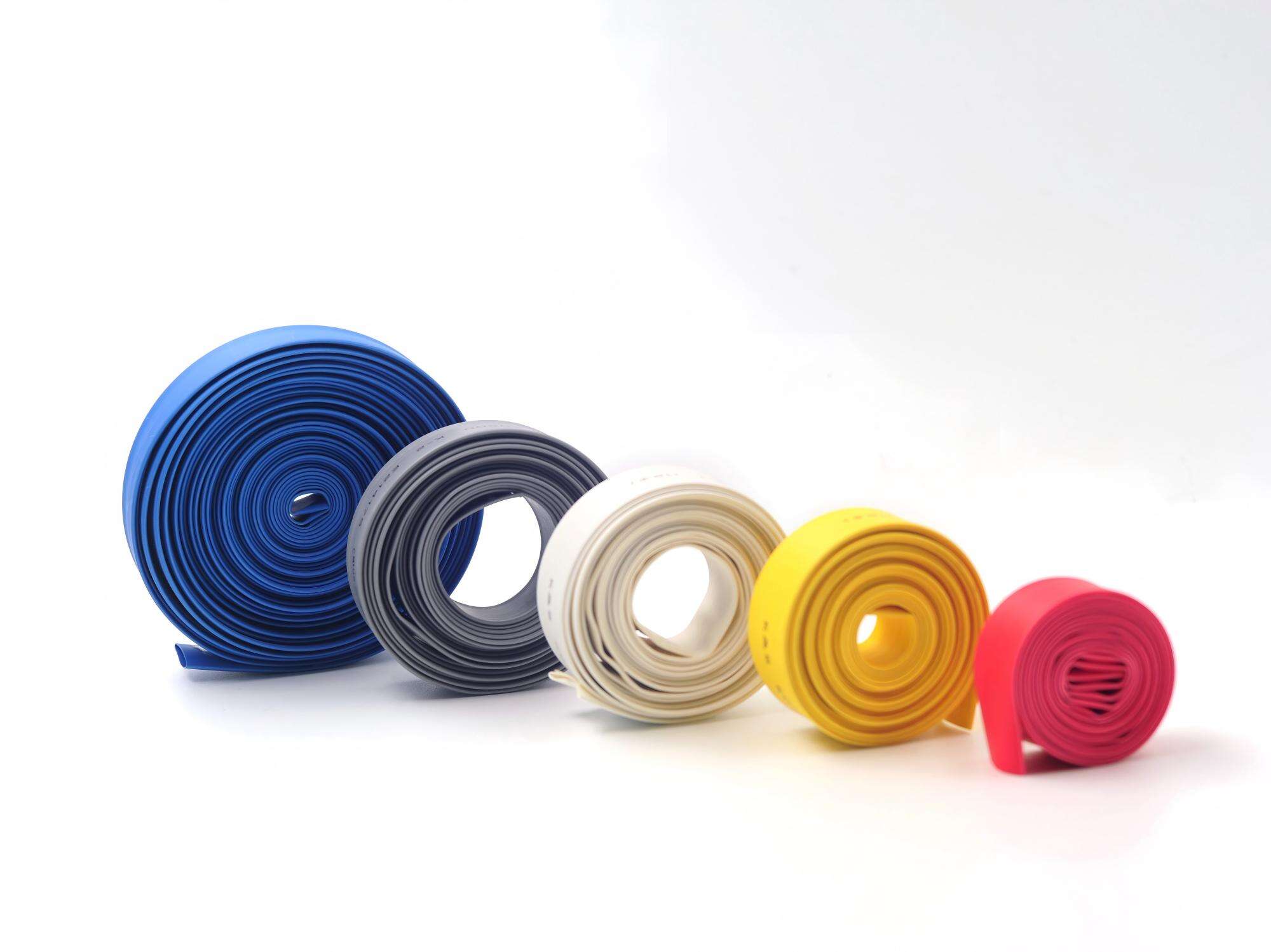
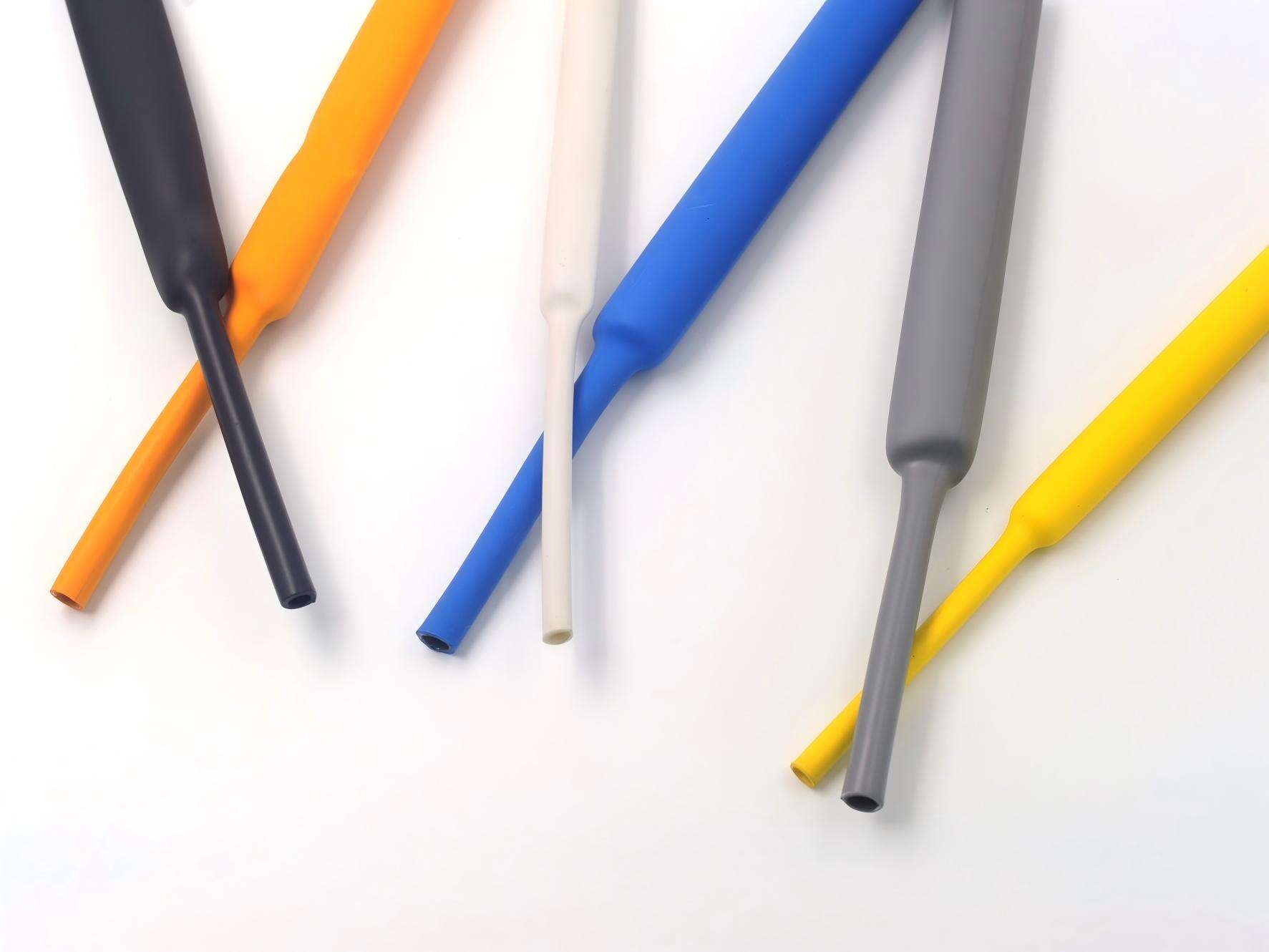
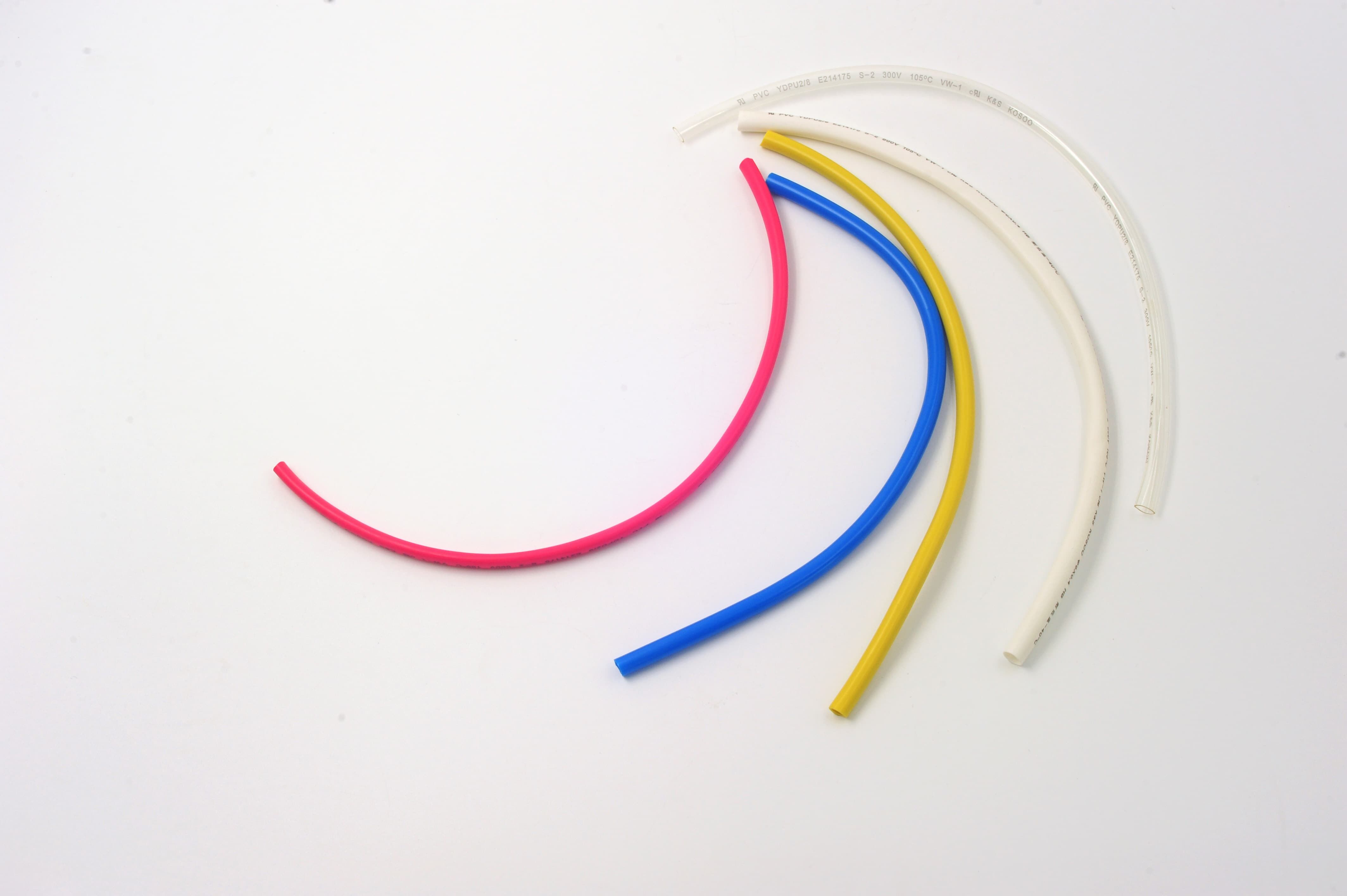
Flexible PVC tube represents one of the most versatile and widely adopted solutions in modern industrial and commercial applications. This innovative piping system combines the durability of polyvinyl chloride with exceptional flexibility, creating a product that adapts to various installation requirements while maintaining structural integrity. The flexible PVC tube serves as a critical component in fluid transfer systems, electrical conduit applications, and protective housing solutions across multiple industries. Its primary function involves transporting liquids, gases, and protecting sensitive materials from environmental factors while providing easy installation and maintenance access. The technological features of flexible PVC tube include advanced polymer formulation that ensures resistance to chemicals, UV radiation, and temperature fluctuations. Manufacturing processes incorporate specialized plasticizers and stabilizers that enhance flexibility without compromising strength. The tube maintains consistent wall thickness throughout its length, ensuring reliable performance under pressure variations. Advanced extrusion techniques create smooth interior surfaces that minimize friction losses and prevent material buildup. The flexible PVC tube demonstrates remarkable adaptability in construction, agriculture, manufacturing, and residential applications. In construction projects, it serves as conduit protection for electrical wiring and telecommunications cables. Agricultural operations utilize these tubes for irrigation systems, greenhouse ventilation, and livestock watering solutions. Manufacturing facilities depend on flexible PVC tube for coolant lines, compressed air distribution, and chemical processing applications. Residential users appreciate its role in pool maintenance, garden irrigation, and plumbing repairs. The tube's lightweight nature simplifies transportation and reduces installation labor costs. Its transparent or translucent variants allow visual monitoring of flow contents, while colored options provide system identification and aesthetic coordination. Temperature resistance ranges typically span from -10°C to 60°C, accommodating diverse climate conditions and operational requirements.

New Products

The flexible PVC tube offers numerous practical benefits that make it an superior choice for demanding applications across various industries. Cost-effectiveness stands as a primary advantage, as this tubing solution delivers exceptional value compared to rigid alternatives. Installation costs decrease significantly because the flexible PVC tube requires fewer joints, fittings, and specialized tools. Workers can bend and route the tube around obstacles without cutting and reconnecting sections, reducing material waste and labor time. The inherent flexibility eliminates the need for multiple elbow joints and connectors that rigid systems require, creating substantial savings in both materials and installation expenses. Maintenance requirements remain minimal throughout the tube's operational lifespan, as the smooth interior surface resists scaling and blockages that commonly affect other materials. Chemical resistance properties ensure the flexible PVC tube withstands exposure to acids, bases, salts, and various industrial chemicals without degradation. This resistance extends service life and prevents costly replacements that less durable materials require. The tube maintains its structural integrity when exposed to petroleum products, alcohols, and many organic compounds, making it suitable for diverse chemical handling applications. Weather resistance capabilities protect the flexible PVC tube from UV damage, ozone exposure, and temperature cycling that can compromise other materials. The formulation includes UV stabilizers that prevent brittleness and discoloration during prolonged sun exposure. Flexibility remains consistent across the entire operating temperature range, preventing cracking in cold conditions and maintaining shape in elevated temperatures. Installation versatility represents another significant advantage, as the flexible PVC tube adapts to complex routing requirements without special preparation. Workers can install it in tight spaces, around corners, and through confined areas where rigid piping would prove impossible or extremely expensive. The lightweight construction reduces shipping costs and handling requirements during transport and storage. Pressure handling capabilities meet industrial standards while maintaining flexibility, allowing the tube to absorb vibrations and movement that would stress rigid connections. Color coding options enhance system organization and safety protocols, enabling quick identification of different fluid types or system zones. The transparent varieties allow visual inspection of flow conditions and early detection of potential issues. Compliance with food-grade standards makes certain formulations suitable for beverage and food processing applications, expanding market versatility and application possibilities.

Latest News

Why Is Heat Shrinkable Tube Used in Telecommunications Equipment?

03

Apr

Why Is Heat Shrinkable Tube Used in Telecommunications Equipment?

Telecommunications equipment operates in demanding environments where electrical connections must maintain reliability under extreme conditions. The protection of cables, wires, and connections becomes critical when equipment faces moisture, temperat...
View More
How Do Suppliers Provide Heat Shrinkable Tube for Bulk Orders?

13

Apr

How Do Suppliers Provide Heat Shrinkable Tube for Bulk Orders?

When manufacturers and industrial buyers need heat shrinkable tube solutions for large-scale projects, understanding the supplier fulfillment process becomes crucial for project success. The complexity of bulk order provisioning involves multiple coo...
View More
What Applications Require Heat Shrinkable Tube in Automotive Projects?

23

Apr

What Applications Require Heat Shrinkable Tube in Automotive Projects?

Automotive projects demand exceptional protection for electrical systems, wiring harnesses, and sensitive components that operate under extreme conditions. Heat shrinkable tube technology has become an indispensable solution for automotive engineers ...
View More
Why Do OEM Manufacturers Choose Heat Shrinkable Tube for Wiring Systems?

27

Apr

Why Do OEM Manufacturers Choose Heat Shrinkable Tube for Wiring Systems?

OEM manufacturers across industries consistently face the challenge of protecting wiring systems while maintaining production efficiency and cost-effectiveness. The selection of appropriate wire protection solutions directly impacts product reliabili...
View More

Get a Free Quote

Our representative will contact you soon.
Email
Name
Company Name
Message
0/1000

flexible pvc tube

Superior Chemical Resistance and Durability

Superior Chemical Resistance and Durability

The flexible PVC tube demonstrates exceptional chemical resistance that surpasses many alternative materials in demanding industrial environments. This outstanding resistance stems from the advanced polymer chemistry used in manufacturing, which creates molecular structures that resist chemical attack and degradation. The tube withstands continuous exposure to acids with pH levels as low as 2.0, making it suitable for applications involving sulfuric acid, hydrochloric acid, and other corrosive substances commonly found in manufacturing processes. Alkaline resistance equally impressive, as the flexible PVC tube maintains integrity when exposed to caustic solutions, cleaning chemicals, and high-pH industrial processes. This dual resistance to both acidic and basic substances provides versatility that few other materials can match at comparable cost points. Salt solutions, including seawater and brine applications, pose no threat to the tube's structural integrity, making it ideal for marine environments and water treatment facilities. The chemical resistance extends to petroleum products, where the flexible PVC tube resists swelling, softening, and degradation that affects rubber and other polymer alternatives. Alcohols, including methanol and ethanol, do not compromise the tube's performance, enabling use in fuel systems and solvent handling applications. Durability factors beyond chemical resistance include excellent abrasion resistance that maintains wall thickness despite particle-laden fluids flowing through the tube. Impact resistance prevents cracking and splitting during handling and installation, reducing replacement costs and system downtime. The flexible PVC tube resists stress cracking even under sustained pressure and temperature cycling, ensuring long-term reliability in demanding applications. Fatigue resistance allows the tube to withstand millions of flex cycles without failure, making it suitable for applications involving constant movement or vibration. Environmental stress cracking resistance ensures the tube maintains integrity when exposed to detergents, oils, and other substances that cause failure in less resistant materials. Quality control measures during manufacturing ensure consistent wall thickness and material properties throughout each production run, providing predictable performance characteristics that engineers can rely on during system design and specification processes.
Exceptional Installation Flexibility and Ease of Use

Exceptional Installation Flexibility and Ease of Use

Installation flexibility represents a cornerstone advantage of the flexible PVC tube, revolutionizing how piping systems are designed and implemented across various applications. The tube's ability to bend and conform to complex pathways eliminates countless challenges associated with rigid piping systems. Installation crews can route the flexible PVC tube around obstacles, through tight spaces, and along irregular surfaces without requiring specialized fittings or complex joint assemblies. This flexibility reduces installation time by up to 50% compared to rigid alternatives, as workers spend less time measuring, cutting, and connecting multiple pieces. The tube maintains its flexibility throughout the entire temperature operating range, preventing the brittleness that affects some materials in cold conditions or the excessive softness that occurs in others under heat. Bend radius specifications allow tight turns without kinking or flow restriction, enabling installation in confined spaces where rigid piping would prove impossible. The flexible PVC tube requires minimal support structures compared to rigid systems, as its flexibility allows it to follow natural contours and absorb thermal expansion without stress. Installation tools remain simple and widely available, as the tube connects to standard fittings using conventional methods without requiring specialized equipment or training. Field modifications become straightforward, as installers can adjust routing on-site without returning to the workshop for custom fabrication. The lightweight nature of flexible PVC tube reduces physical strain on installation crews and eliminates the need for heavy lifting equipment in many applications. Coiled packaging allows easy transport to installation sites, even in remote locations where access is limited. Uncoiling and straightening require minimal effort, and the tube retains its shape without permanent deformation. Connection methods accommodate various fitting types, including barb fittings, threaded connections, and quick-connect systems that speed installation and simplify maintenance procedures. The tube's compliance with building codes and industry standards ensures acceptance by inspectors and regulatory bodies without additional certification requirements. Pressure testing capabilities allow verification of system integrity before final commissioning, providing confidence in installation quality and long-term performance. Documentation and traceability features help maintain installation records and warranty compliance throughout the tube's service life.
Outstanding Cost-Performance Value and Long-Term Reliability

Outstanding Cost-Performance Value and Long-Term Reliability

The flexible PVC tube delivers exceptional cost-performance value that translates into significant savings throughout its operational lifespan while maintaining reliability standards that exceed industry expectations. Initial purchase costs remain competitive with alternative materials, but the true value emerges through reduced installation expenses, minimal maintenance requirements, and extended service life. Labor cost reductions during installation stem from the tube's ease of handling and routing flexibility, which eliminates time-consuming cutting, fitting, and joining operations required by rigid systems. A single length of flexible PVC tube can replace multiple rigid sections and fittings, reducing both material costs and potential leak points that compromise system reliability. Inventory management becomes simplified, as fewer part numbers and sizes cover a broader range of applications compared to rigid piping systems requiring extensive fitting varieties. Transportation and storage costs decrease due to the tube's lightweight nature and compact coiled packaging, which maximizes shipping efficiency and reduces warehousing space requirements. Long-term reliability stems from the tube's resistance to environmental factors that cause premature failure in other materials. UV stabilization prevents degradation during outdoor exposure, eliminating the need for protective coverings or frequent replacements. Temperature cycling resistance ensures the flexible PVC tube maintains properties throughout seasonal variations and process temperature changes without cracking or becoming brittle. The smooth interior surface prevents buildup of deposits and scaling that reduce flow capacity and increase pumping costs in rougher materials. Maintenance intervals extend significantly due to the tube's resistance to common failure modes, including corrosion, erosion, and chemical attack that affect metal alternatives. Energy efficiency benefits result from the smooth bore that minimizes friction losses, reducing pumping requirements and operational costs. Pressure handling capabilities remain consistent throughout the tube's service life, unlike materials that experience strength degradation over time. Quality assurance programs ensure consistent manufacturing standards that provide predictable performance characteristics for system design and specification purposes. Warranty coverage reflects manufacturer confidence in product reliability, providing protection against premature failure and unexpected replacement costs. Life cycle cost analysis consistently favors flexible PVC tube over alternatives when considering all factors including initial cost, installation, maintenance, and replacement expenses. Environmental considerations include recyclability options and reduced carbon footprint during manufacturing compared to metal alternatives requiring energy-intensive production processes.

Get a Free Quote

Our representative will contact you soon.
Email
Name
Company Name
Message
0/1000