Exceptional Visual Monitoring Capabilities for Process Control
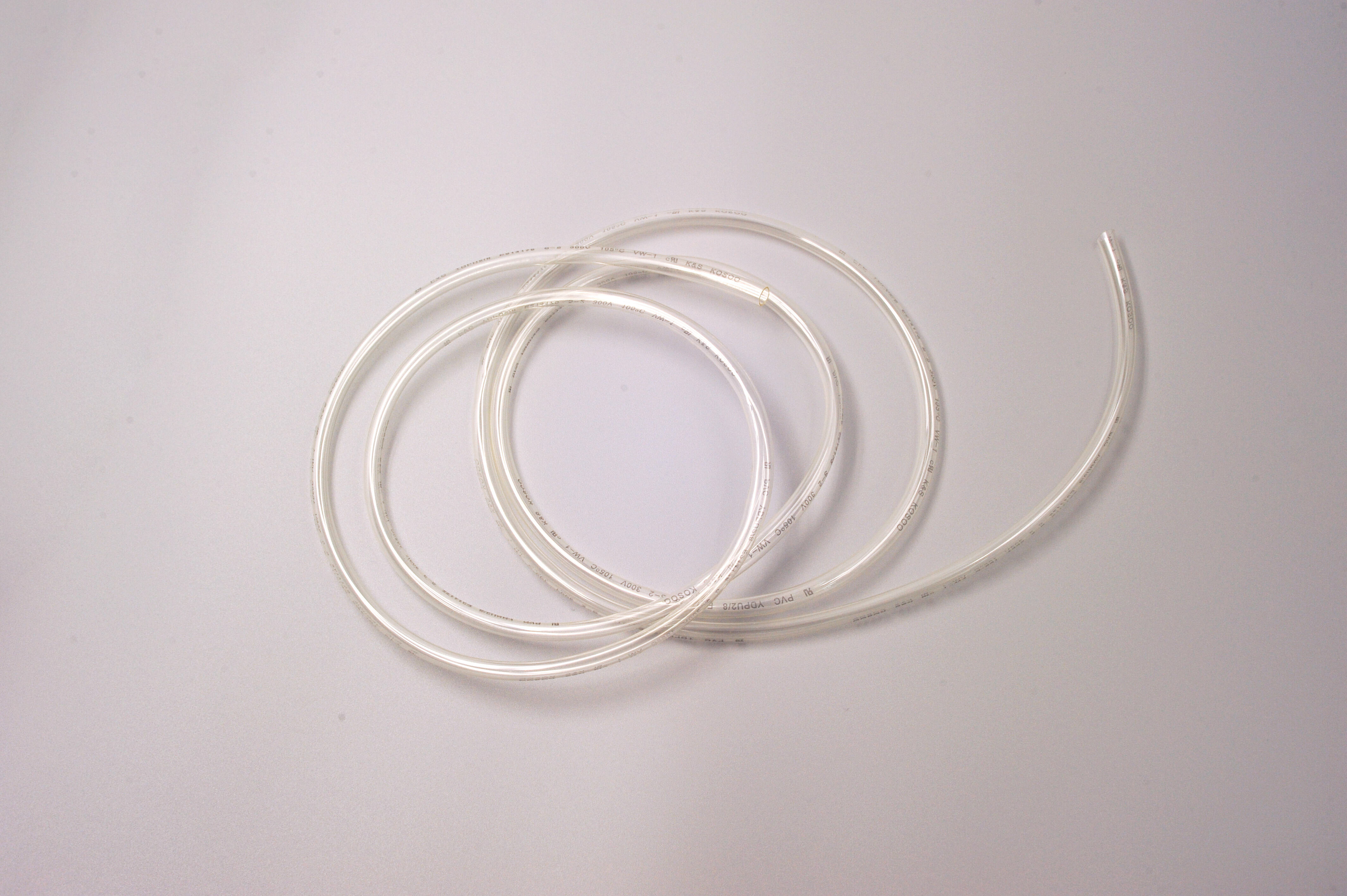
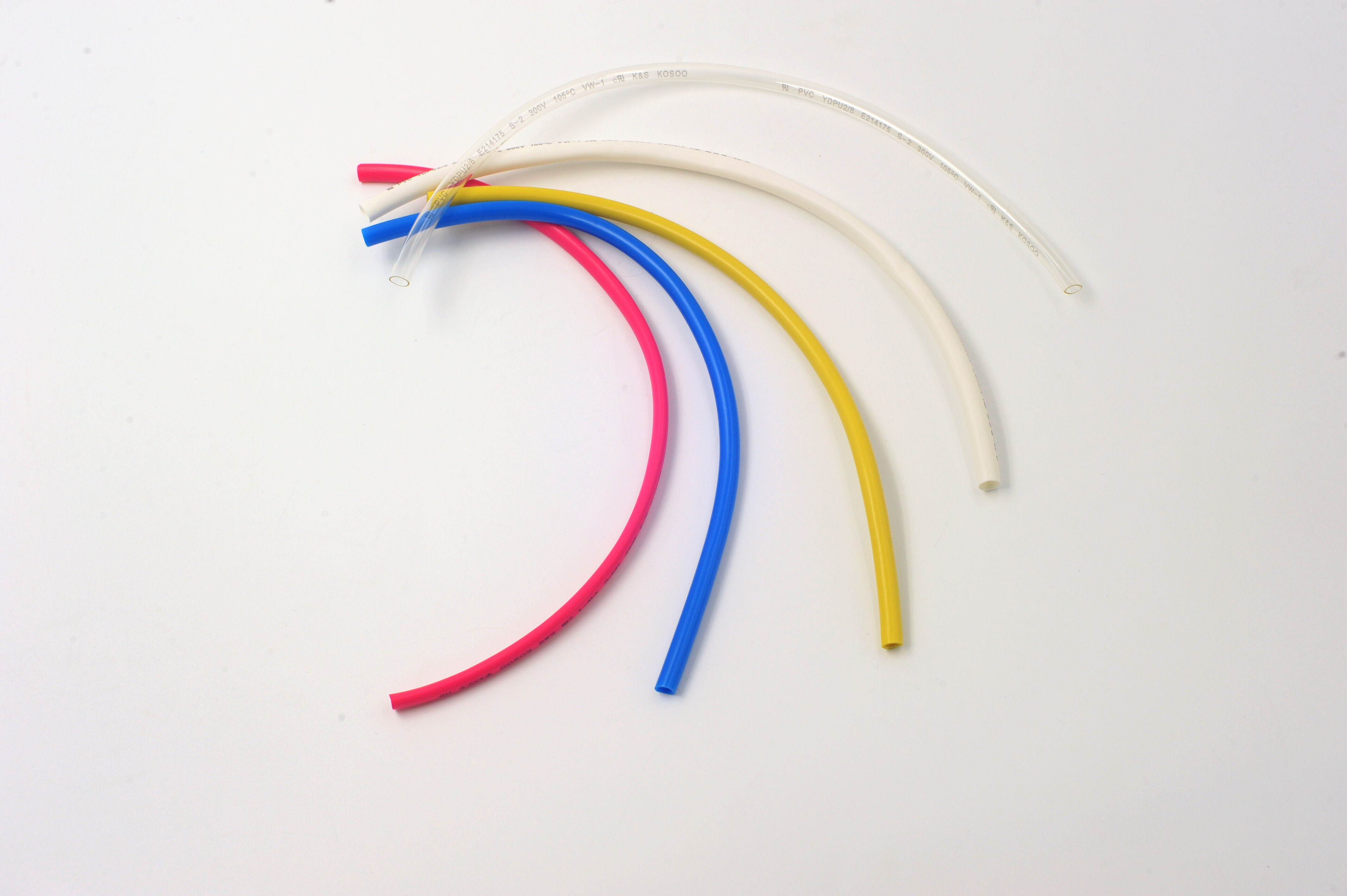
The outstanding transparency of clear pvc tube for industrial use revolutionizes process monitoring and quality control in manufacturing environments. This crystal-clear visibility enables operators to observe fluid movement, identify flow patterns, and detect anomalies in real-time without interrupting production processes. The optical clarity surpasses that of many alternative materials, providing unobstructed views of internal conditions that facilitate immediate response to potential issues. Manufacturing facilities benefit from this transparency through enhanced quality assurance procedures, as operators can visually confirm complete product transfer, verify cleaning effectiveness, and ensure absence of contamination between production batches. The clear walls allow detection of air bubbles, particulate matter, or phase separation that might indicate upstream problems or system malfunctions requiring attention. This visual monitoring capability reduces the need for additional sensors or monitoring equipment, lowering system complexity and maintenance requirements while providing more intuitive operator interfaces. Process engineers utilize the transparency to optimize flow rates, identify turbulence patterns, and verify proper mixing in applications where visual confirmation enhances process understanding. The clear pvc tube for industrial use maintains its optical properties throughout extended service periods, resisting yellowing, clouding, or surface degradation that could impair visibility. Quality control inspectors appreciate the ability to verify complete drainage and cleaning between product changeovers, ensuring compliance with strict hygiene standards in food, pharmaceutical, and chemical processing applications. Emergency response procedures benefit from immediate visual assessment of system conditions, enabling rapid identification of leaks, blockages, or unusual flow characteristics that require immediate attention. Training programs become more effective when new operators can observe normal flow patterns and learn to recognize abnormal conditions through direct visual observation rather than relying solely on instrument readings.

 EN
EN