What is PVC Tube Used For: Complete Guide to Applications, Benefits & Uses

Get a Free Quote

Our representative will contact you soon.
Email
Name
Company Name
Message
0/1000

what is pvc tube used for

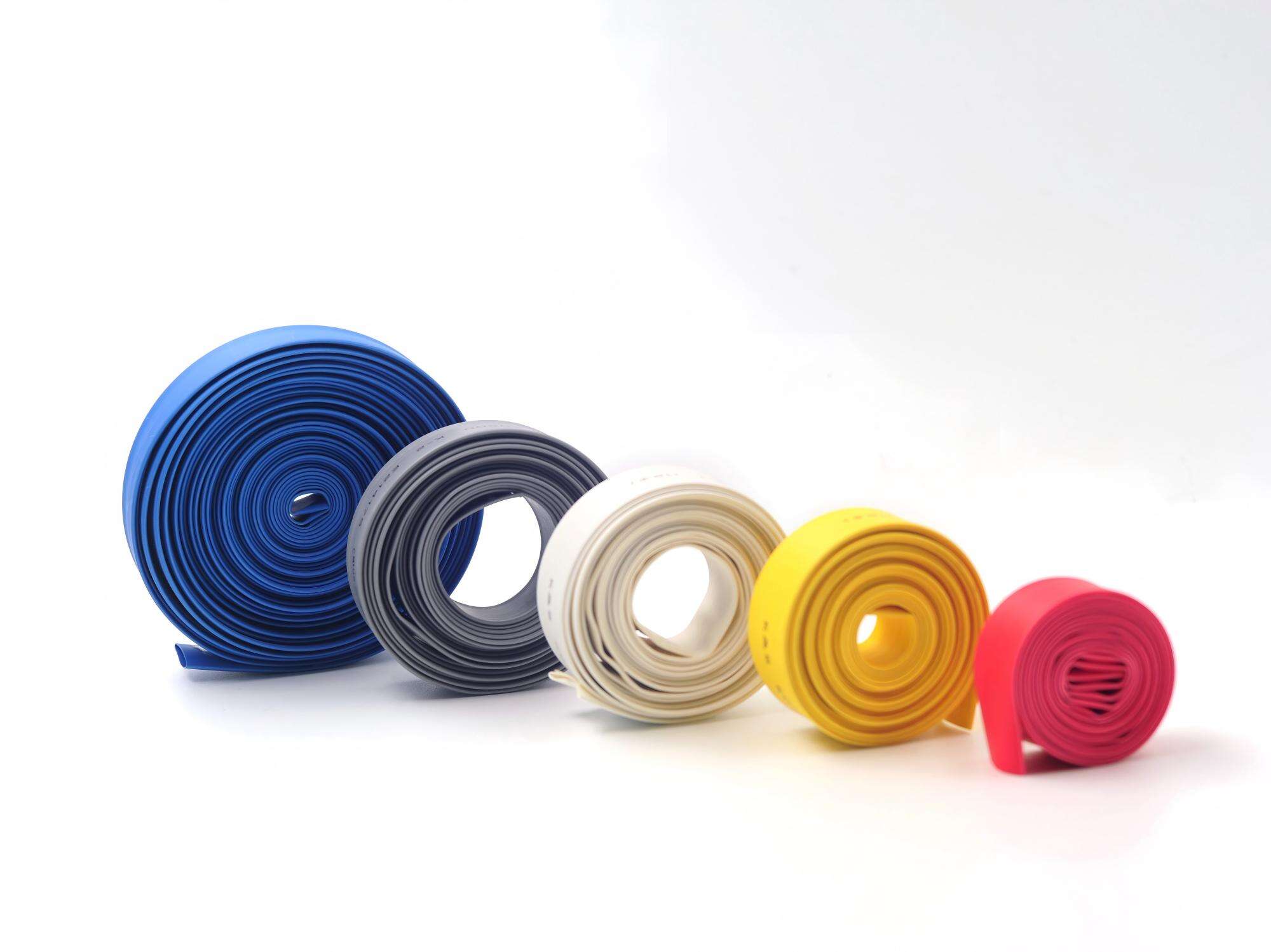
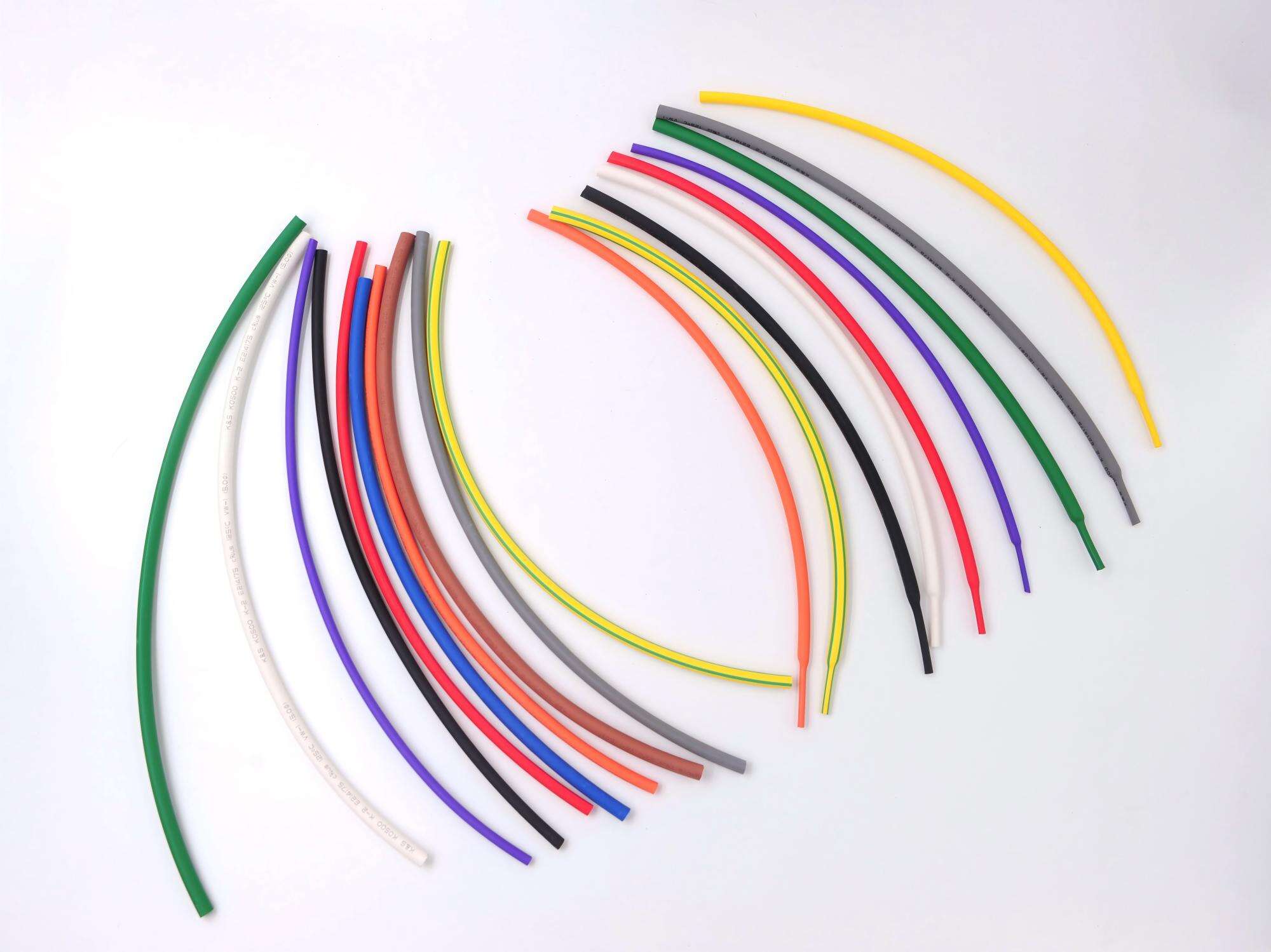
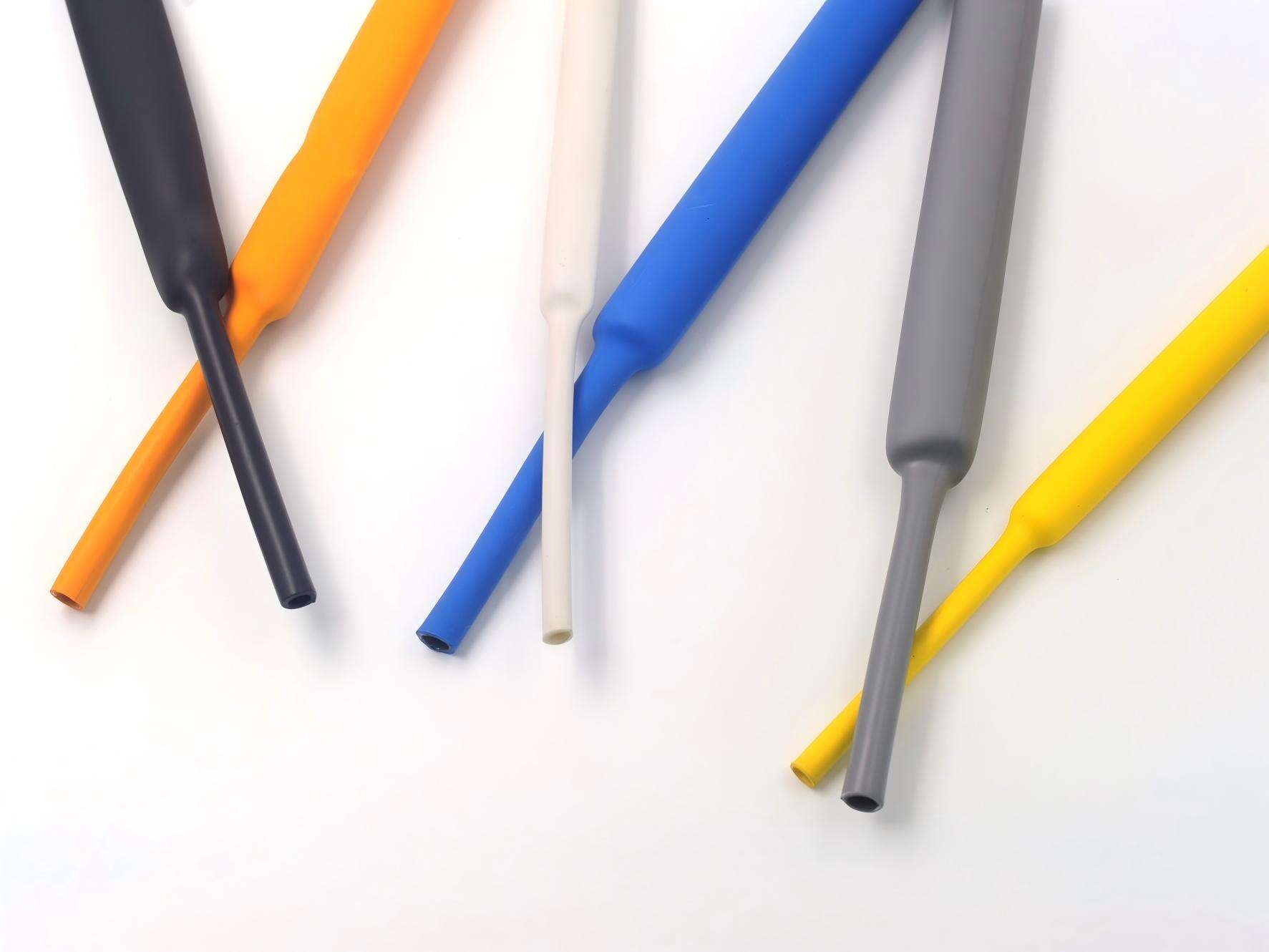
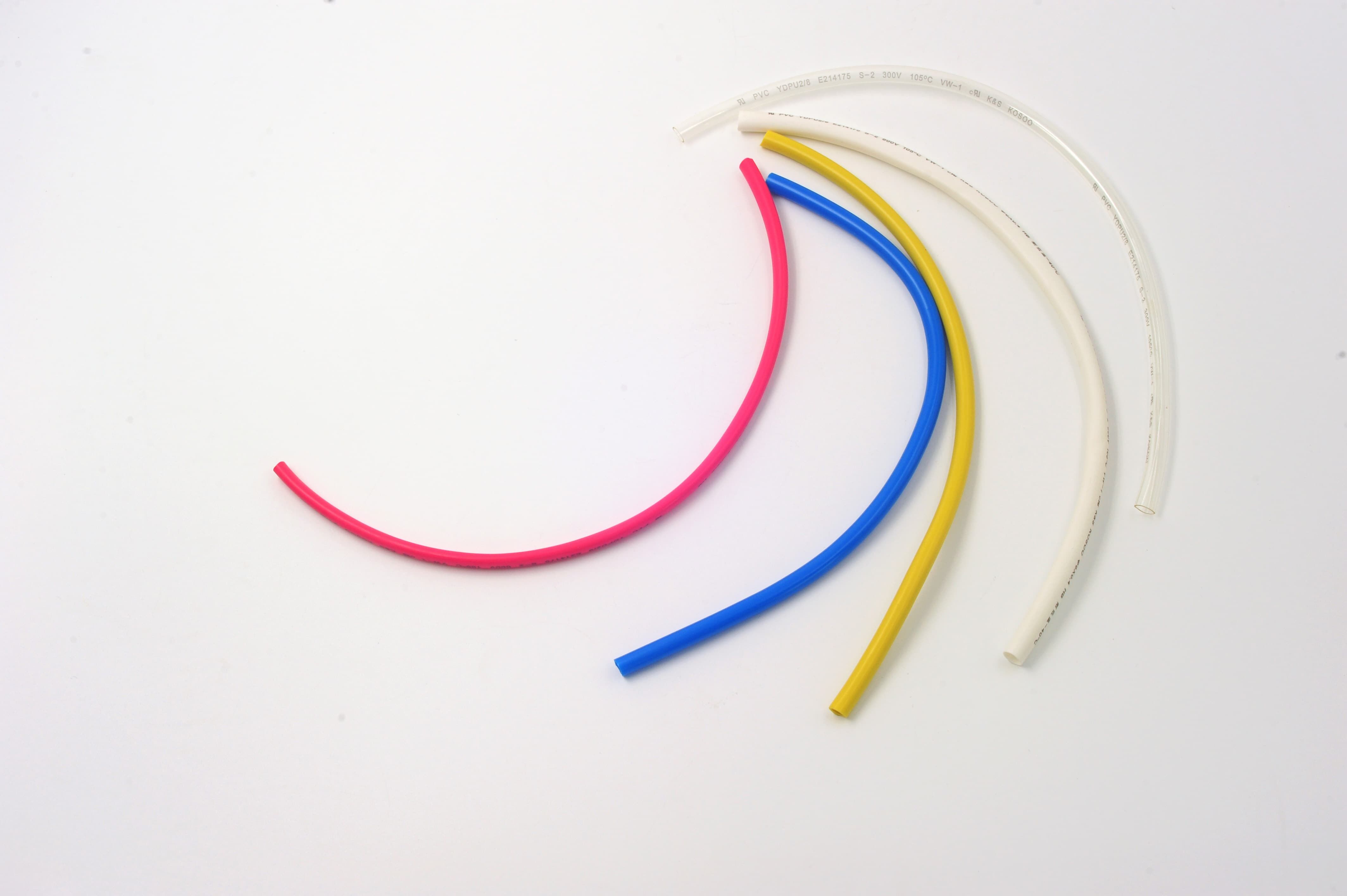
PVC tubes, made from polyvinyl chloride, represent one of the most versatile and widely adopted piping solutions in modern construction and industrial applications. Understanding what is PVC tube used for reveals a comprehensive range of applications spanning residential, commercial, and industrial sectors. These synthetic plastic tubes offer exceptional durability, chemical resistance, and cost-effectiveness, making them indispensable across numerous industries. The primary functions of PVC tubes include fluid transportation, structural support, electrical conduit systems, and protective housing for cables and wires. Their technological features encompass lightweight construction, excellent corrosion resistance, smooth interior surfaces that minimize friction losses, and exceptional longevity under various environmental conditions. The manufacturing process involves extruding PVC resin through specialized dies, creating tubes with precise dimensions and consistent wall thickness. What is PVC tube used for extends beyond traditional plumbing applications to include drainage systems, irrigation networks, ventilation ducts, and telecommunications infrastructure. The material's inherent properties include high tensile strength, impact resistance, and thermal stability within specific temperature ranges. Modern PVC tube applications leverage advanced formulations that enhance UV resistance, flexibility, and fire retardant properties. Industries rely on PVC tubes for transporting potable water, wastewater management, chemical processing, and pneumatic systems. The versatility of what is PVC tube used for encompasses pool and spa installations, greenhouse irrigation, laboratory equipment, and medical device components. Environmental considerations drive the adoption of PVC tubes due to their recyclability and reduced carbon footprint compared to metal alternatives. Quality control measures ensure consistent performance standards, with rigorous testing protocols validating pressure ratings, dimensional accuracy, and chemical compatibility across diverse applications.


Popular Products

The advantages of understanding what is PVC tube used for translate directly into significant practical benefits for customers across multiple industries. Cost-effectiveness stands as the primary advantage, with PVC tubes typically costing 40-60% less than comparable metal piping systems while delivering superior performance characteristics. Installation efficiency represents another compelling benefit, as PVC tubes weigh substantially less than metal alternatives, reducing labor costs and installation time by up to 50%. The lightweight nature means a single worker can handle longer sections safely, minimizing crew requirements and accelerating project completion timelines. Corrosion resistance eliminates the maintenance headaches associated with metal piping, as PVC tubes remain unaffected by acidic water, salt exposure, and most chemical environments. This translates into decades of reliable service without the need for costly replacements or repairs that plague traditional metal systems. What is PVC tube used for demonstrates exceptional versatility, allowing customers to standardize on a single material platform across multiple applications, simplifying procurement, inventory management, and maintenance procedures. The smooth interior surface of PVC tubes provides superior flow characteristics, reducing pumping costs and energy consumption by minimizing friction losses throughout the system. Temperature stability ensures consistent performance across seasonal variations, preventing the expansion and contraction issues that can damage rigid metal systems. Chemical compatibility extends to a broad spectrum of substances, making PVC tubes suitable for applications ranging from potable water systems to industrial chemical transport. The non-conductive properties of PVC tubes eliminate the risk of galvanic corrosion and electrical interference, particularly valuable in sensitive electronic environments. Environmental benefits include recyclability and reduced manufacturing energy requirements compared to metal alternatives, supporting corporate sustainability initiatives. Long-term reliability translates into predictable maintenance budgets and reduced downtime, crucial factors for critical infrastructure applications where system failures can result in significant operational disruptions and financial losses.

Latest News

What Makes Heat Shrinkable Tube Suitable for Industrial Automation?

01

Apr

What Makes Heat Shrinkable Tube Suitable for Industrial Automation?

Industrial automation systems demand robust protection solutions that can withstand harsh operating conditions while maintaining reliable performance over extended periods. Heat shrinkable tube technology has emerged as a critical component in these ...
View More
How Can Heat Shrinkable Tube Protect Cables in Outdoor Installations?

20

Apr

How Can Heat Shrinkable Tube Protect Cables in Outdoor Installations?

Outdoor cable installations face numerous environmental challenges that can compromise their integrity and performance over time. Weather exposure, UV radiation, moisture ingress, and temperature fluctuations create a hostile environment for electric...
View More
Why Do OEM Manufacturers Choose Heat Shrinkable Tube for Wiring Systems?

27

Apr

Why Do OEM Manufacturers Choose Heat Shrinkable Tube for Wiring Systems?

OEM manufacturers across industries consistently face the challenge of protecting wiring systems while maintaining production efficiency and cost-effectiveness. The selection of appropriate wire protection solutions directly impacts product reliabili...
View More
How Does Heat Shrinkable Tube Improve Electrical Safety in Industry?

30

Apr

How Does Heat Shrinkable Tube Improve Electrical Safety in Industry?

Heat shrinkable tube technology has revolutionized electrical safety protocols across industrial applications, providing a critical barrier against electrical hazards that can cause equipment failure, workplace accidents, and costly downtime. When ex...
View More

Get a Free Quote

Our representative will contact you soon.
Email
Name
Company Name
Message
0/1000

what is pvc tube used for

Superior Chemical Resistance and Longevity

Superior Chemical Resistance and Longevity

Understanding what is PVC tube used for reveals exceptional chemical resistance properties that surpass traditional piping materials in demanding environments. PVC tubes demonstrate remarkable stability when exposed to acids, bases, salts, and most organic compounds, making them ideal for industrial applications where chemical compatibility is critical. This resistance stems from the molecular structure of polyvinyl chloride, which forms strong carbon-chlorine bonds that remain stable under exposure to corrosive substances. Industries processing chemicals, pharmaceuticals, and food products rely on PVC tubes because they maintain structural integrity without leaching harmful substances into transported fluids. The longevity advantage becomes evident in applications where metal pipes would corrode within months, while PVC tubes continue operating effectively for decades. Laboratory testing demonstrates that properly installed PVC tubes can maintain their performance characteristics for 50-100 years under normal operating conditions, providing exceptional return on investment for infrastructure projects. What is PVC tube used for in aggressive chemical environments includes acid waste systems, laboratory drain lines, and chemical processing equipment where traditional materials would fail rapidly. The non-reactive nature of PVC ensures that transported fluids remain uncontaminated, critical for pharmaceutical manufacturing and food processing applications where product purity directly impacts consumer safety. Maintenance costs decrease dramatically because PVC tubes resist scaling, pitting, and electrochemical corrosion that plague metal systems, eliminating the need for frequent replacements and system downtime. The chemical resistance extends to sanitizing agents and cleaning chemicals, allowing for thorough decontamination without degrading the tube material, essential for maintaining hygienic conditions in healthcare and food service facilities.
Exceptional Installation Flexibility and Efficiency

Exceptional Installation Flexibility and Efficiency

Exploring what is PVC tube used for unveils remarkable installation advantages that significantly reduce project costs and complexity while improving system performance. The lightweight characteristics of PVC tubes, typically 10-15% the weight of equivalent steel piping, revolutionize installation procedures by eliminating heavy lifting equipment requirements and reducing crew sizes needed for complex projects. This weight advantage becomes particularly valuable in retrofit applications where existing structures cannot support heavy piping systems, allowing upgrades without expensive structural modifications. The flexibility of PVC tubes enables installation in tight spaces and around obstacles that would require multiple fittings and connections with rigid materials, reducing potential leak points and system complexity. What is PVC tube used for demonstrates superior joining methods including solvent welding, mechanical couplings, and threaded connections, providing installers with multiple options to accommodate specific project requirements and site conditions. The ease of cutting and shaping PVC tubes with standard tools eliminates the need for specialized equipment, reducing on-site complexity and enabling rapid modifications during installation. Temperature workability allows PVC tubes to be formed and shaped when heated, creating custom configurations that would require expensive fabricated fittings with other materials. Installation efficiency gains of 30-50% over traditional materials translate directly into reduced labor costs and faster project completion times, particularly valuable in commercial applications where downtime costs escalate rapidly. The ability to pre-fabricate complex assemblies off-site improves quality control while reducing field installation time, especially beneficial for large-scale projects requiring consistent configurations across multiple locations. Weather independence during installation means PVC tube projects can proceed under conditions that would halt welding operations required for metal systems, maintaining construction schedules and preventing costly delays.
Outstanding Versatility Across Multiple Applications

Outstanding Versatility Across Multiple Applications

Discovering what is PVC tube used for reveals extraordinary versatility that positions these products as universal solutions across diverse industries and applications. The adaptability of PVC tubes extends from basic plumbing systems to sophisticated industrial processes, telecommunications infrastructure, and specialized medical applications, demonstrating remarkable range that few materials can match. In residential applications, PVC tubes serve drainage, ventilation, irrigation, and pool systems, allowing contractors to standardize on a single material platform that simplifies inventory management and reduces complexity. Commercial buildings benefit from PVC tube applications in HVAC systems, fire suppression networks, and electrical conduit systems, where the material's non-conductive properties provide additional safety benefits. What is PVC tube used for in industrial settings encompasses chemical processing, wastewater treatment, mining operations, and manufacturing processes where the combination of chemical resistance and durability proves invaluable. Agricultural applications leverage PVC tubes for irrigation systems, livestock watering, and greenhouse infrastructure, where UV-stabilized formulations ensure long-term performance under harsh outdoor conditions. The telecommunications industry relies on PVC tubes for cable protection and underground conduit systems, where moisture resistance and crush strength protect valuable fiber optic and copper cable investments. Healthcare facilities utilize specialized PVC tubes for medical gas systems, laboratory equipment, and pharmaceutical processing, where stringent purity requirements and regulatory compliance are essential. Marine and coastal applications benefit from PVC tubes' resistance to saltwater corrosion and marine organisms, providing reliable service in environments that rapidly destroy metal alternatives. The manufacturing flexibility of PVC allows custom formulations tailored to specific applications, including flame-retardant compounds for building applications, flexible formulations for dynamic installations, and high-temperature variants for specialized industrial processes, ensuring optimal performance across the full spectrum of potential applications.

Get a Free Quote

Our representative will contact you soon.
Email
Name
Company Name
Message
0/1000