heat shrink tubing manufacturer
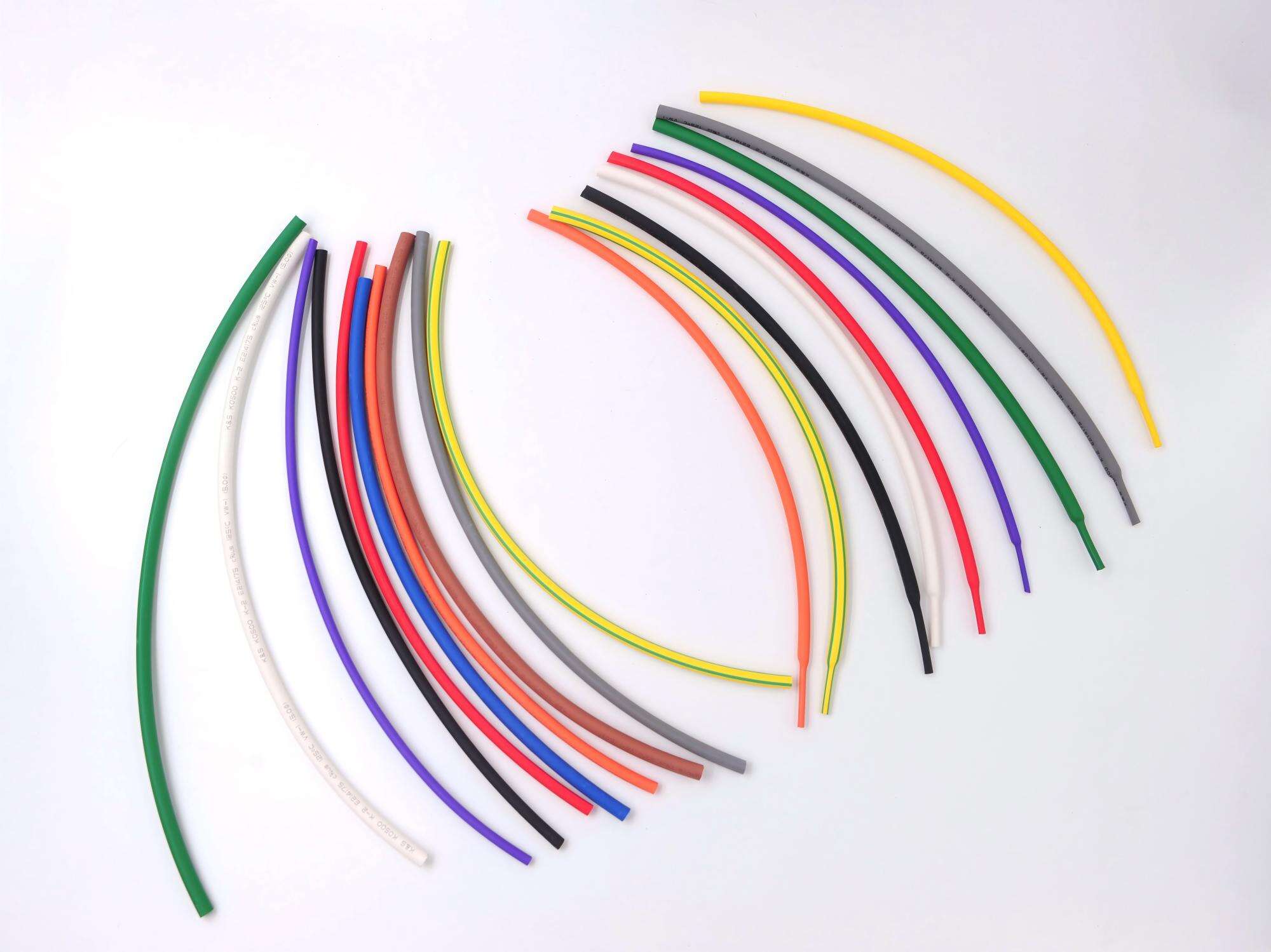
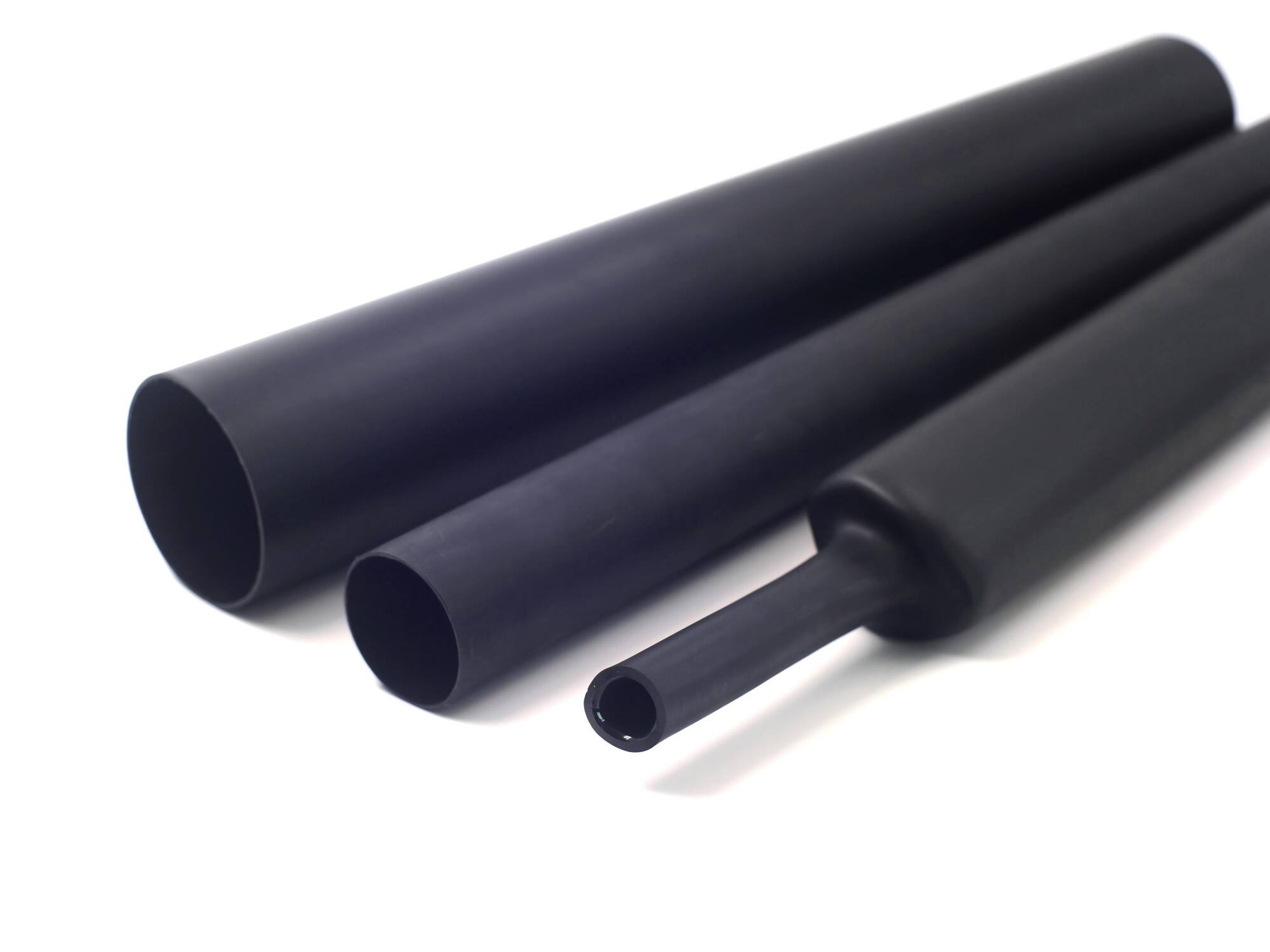
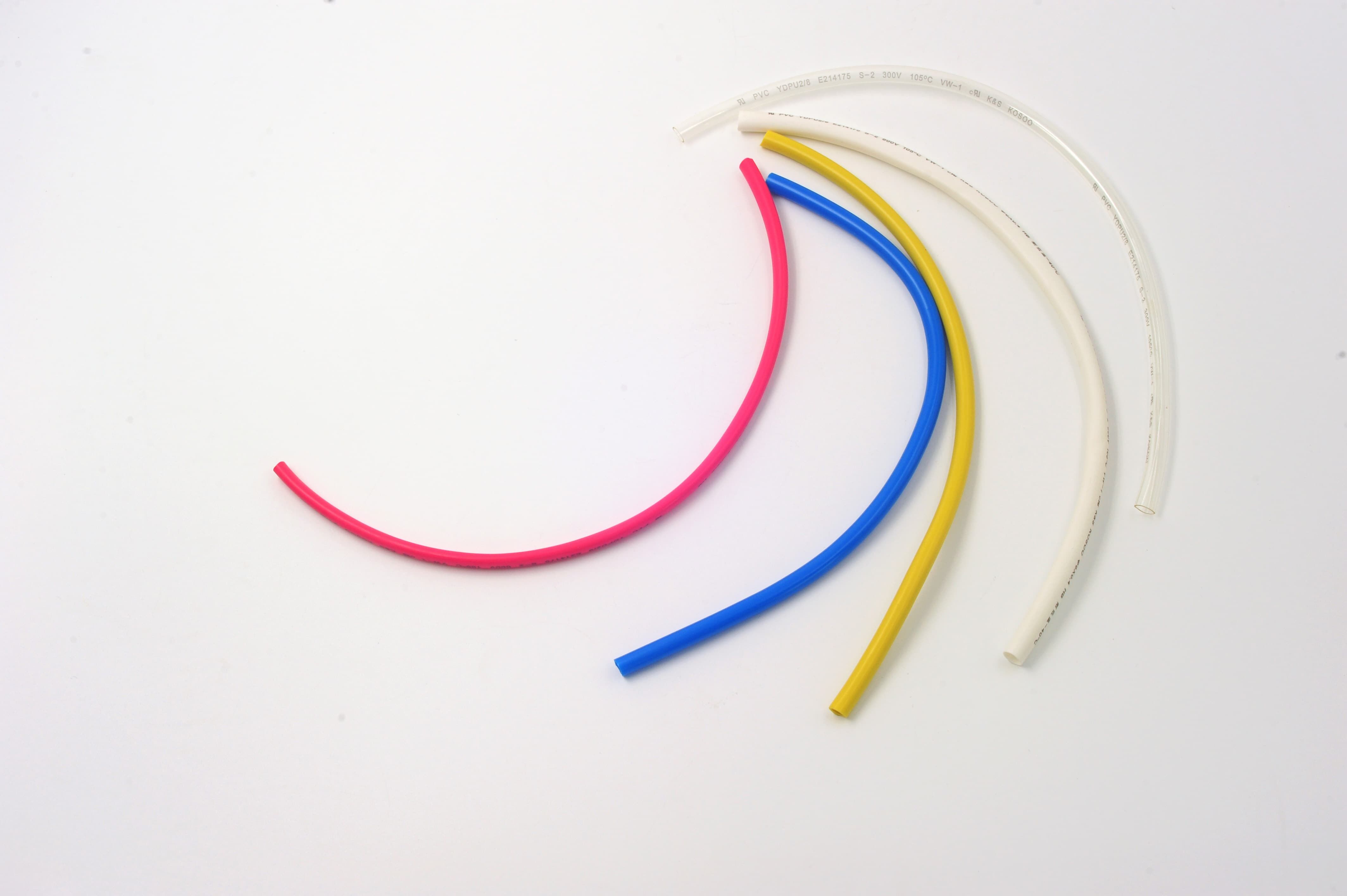
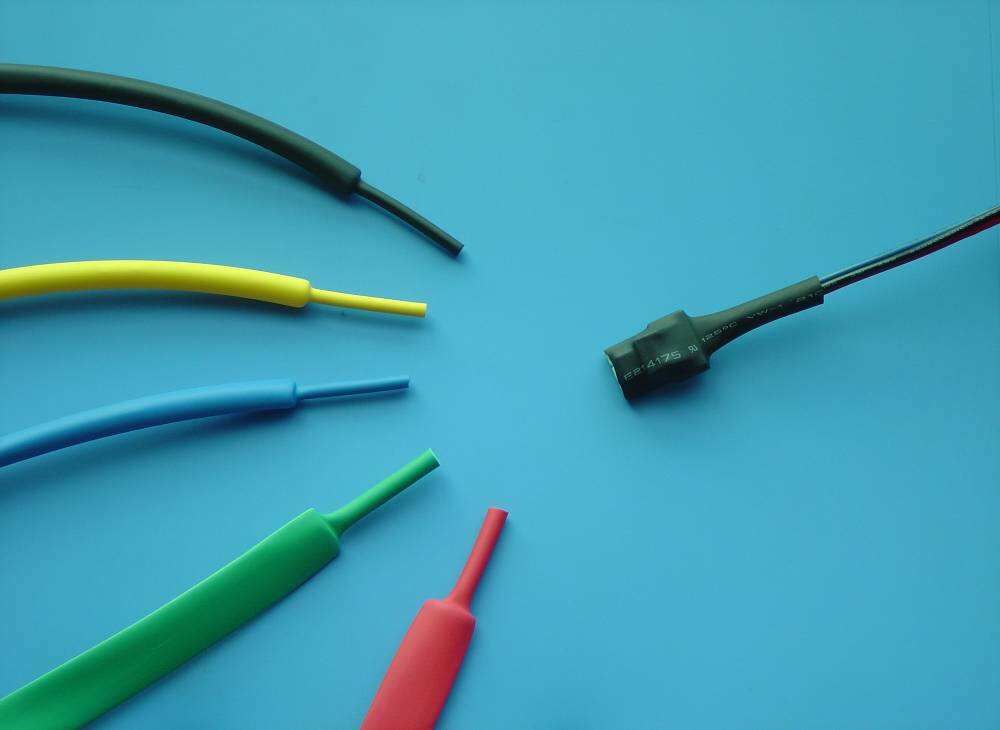
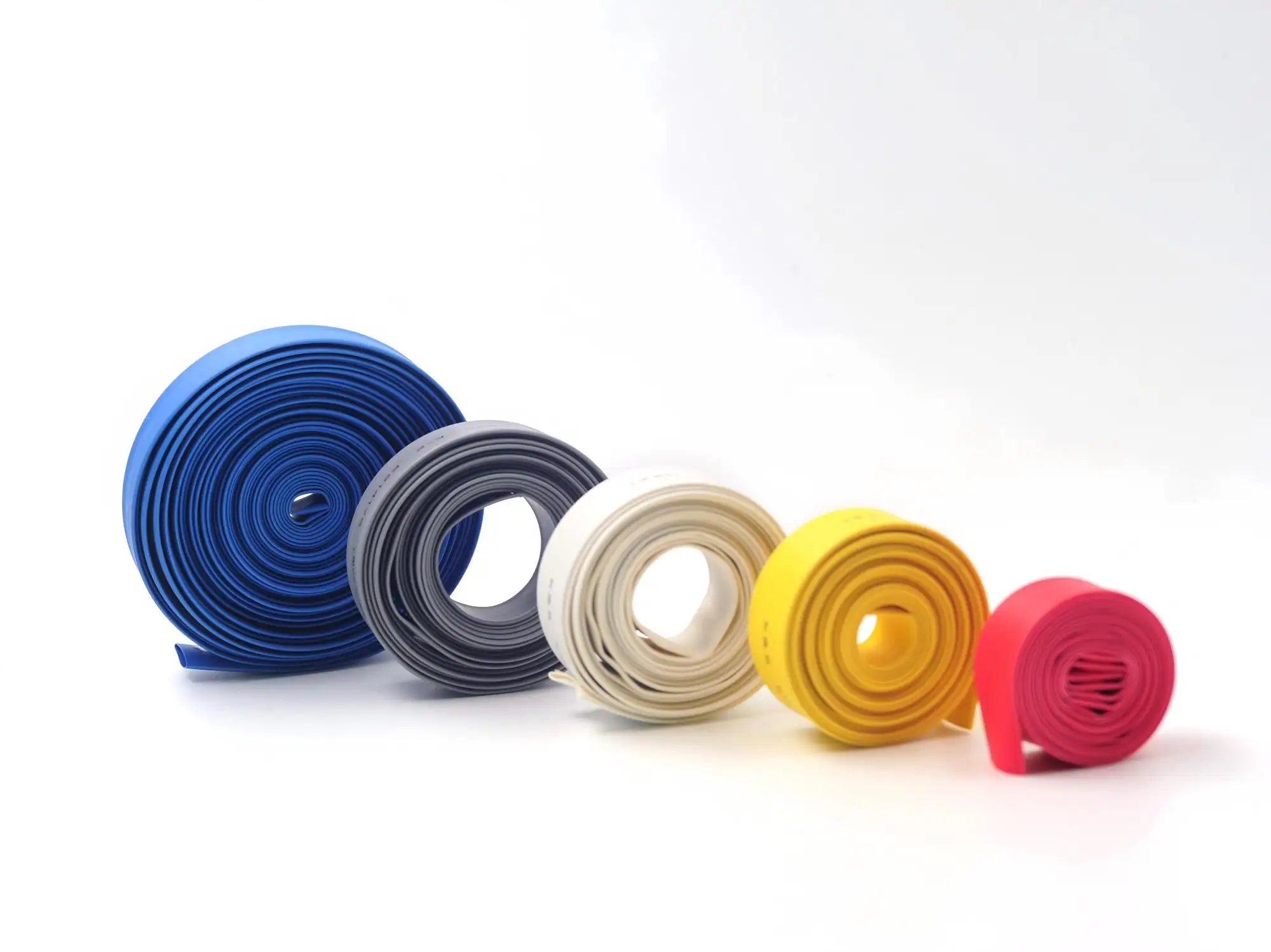
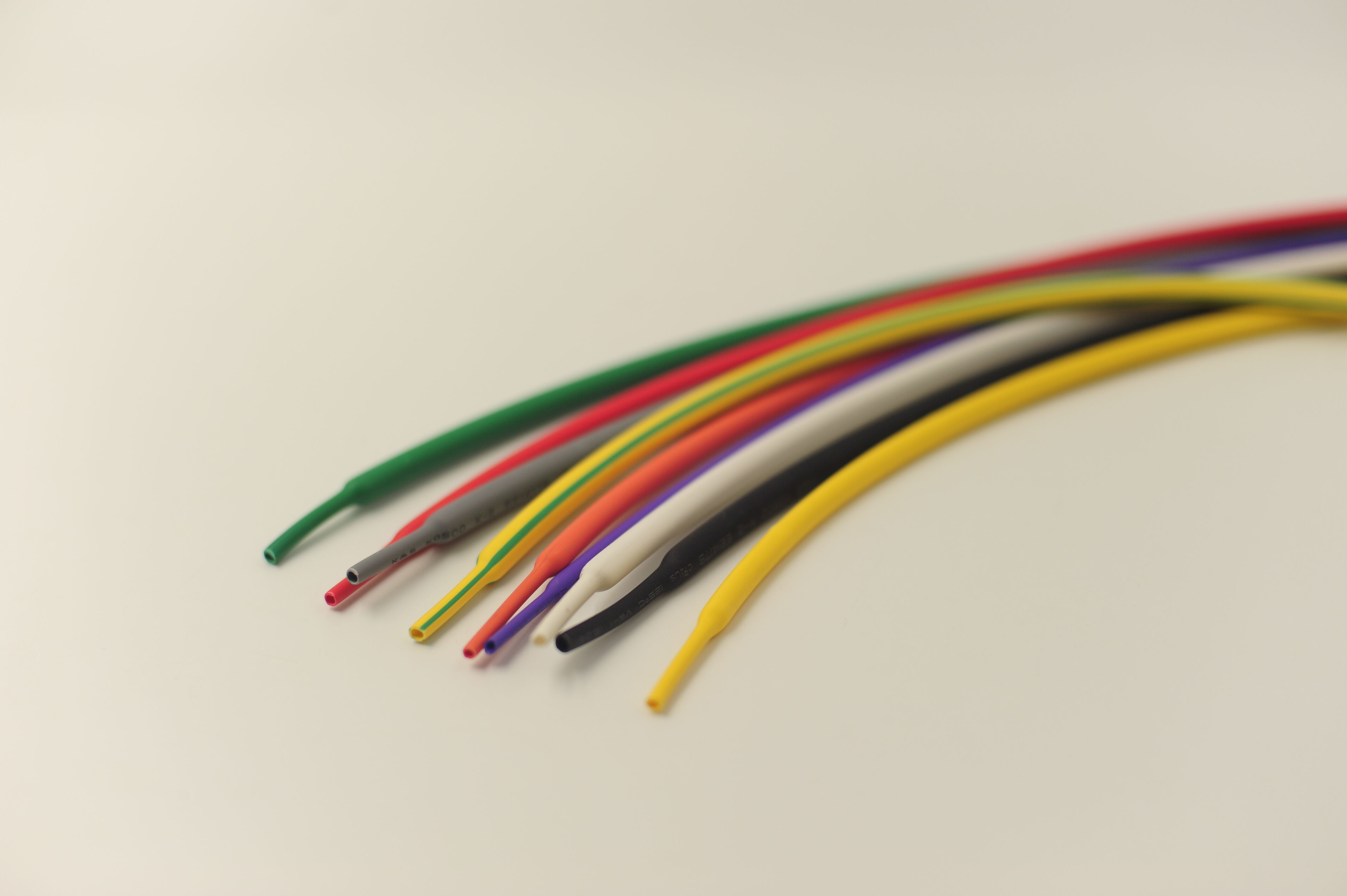
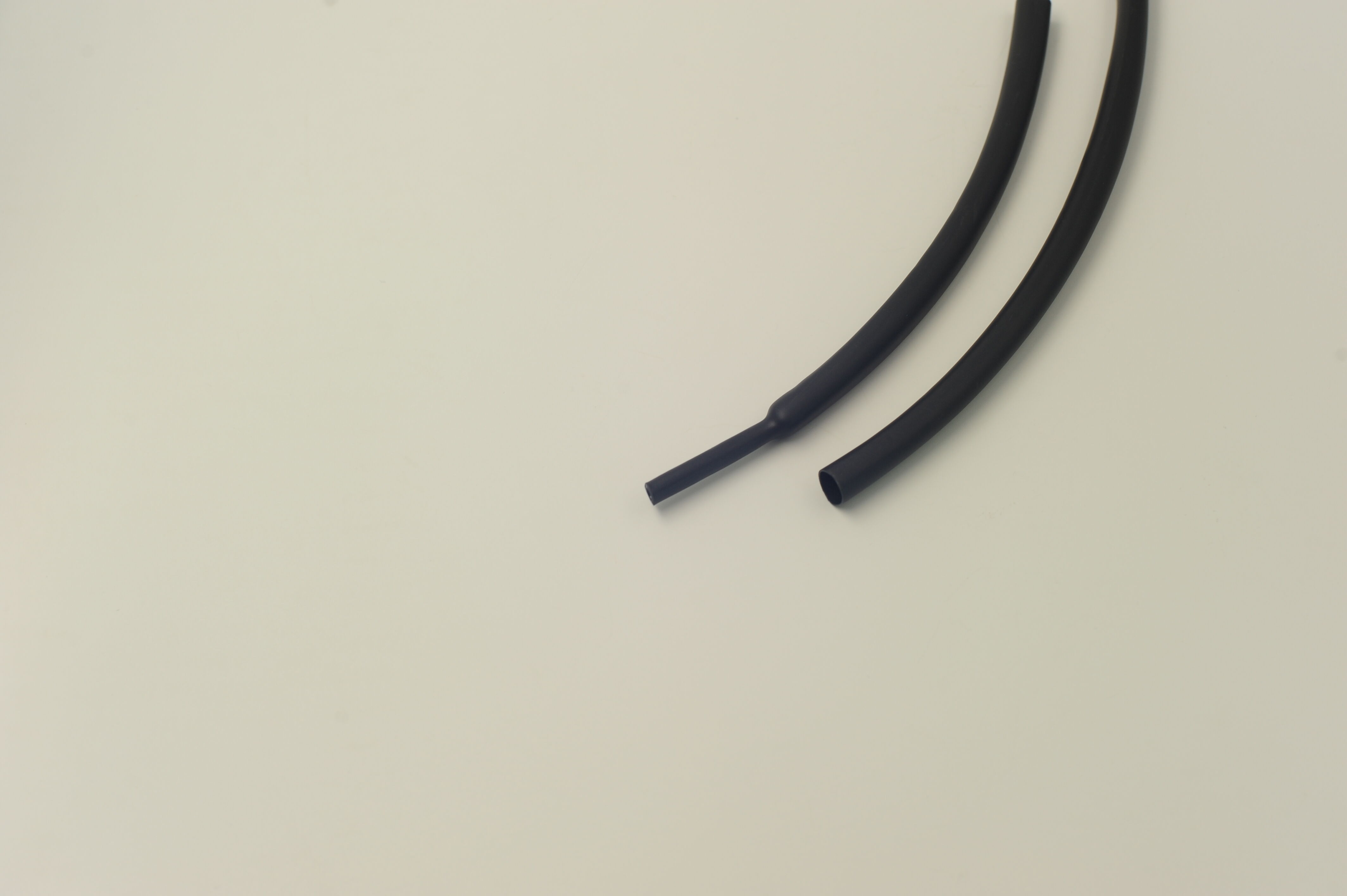
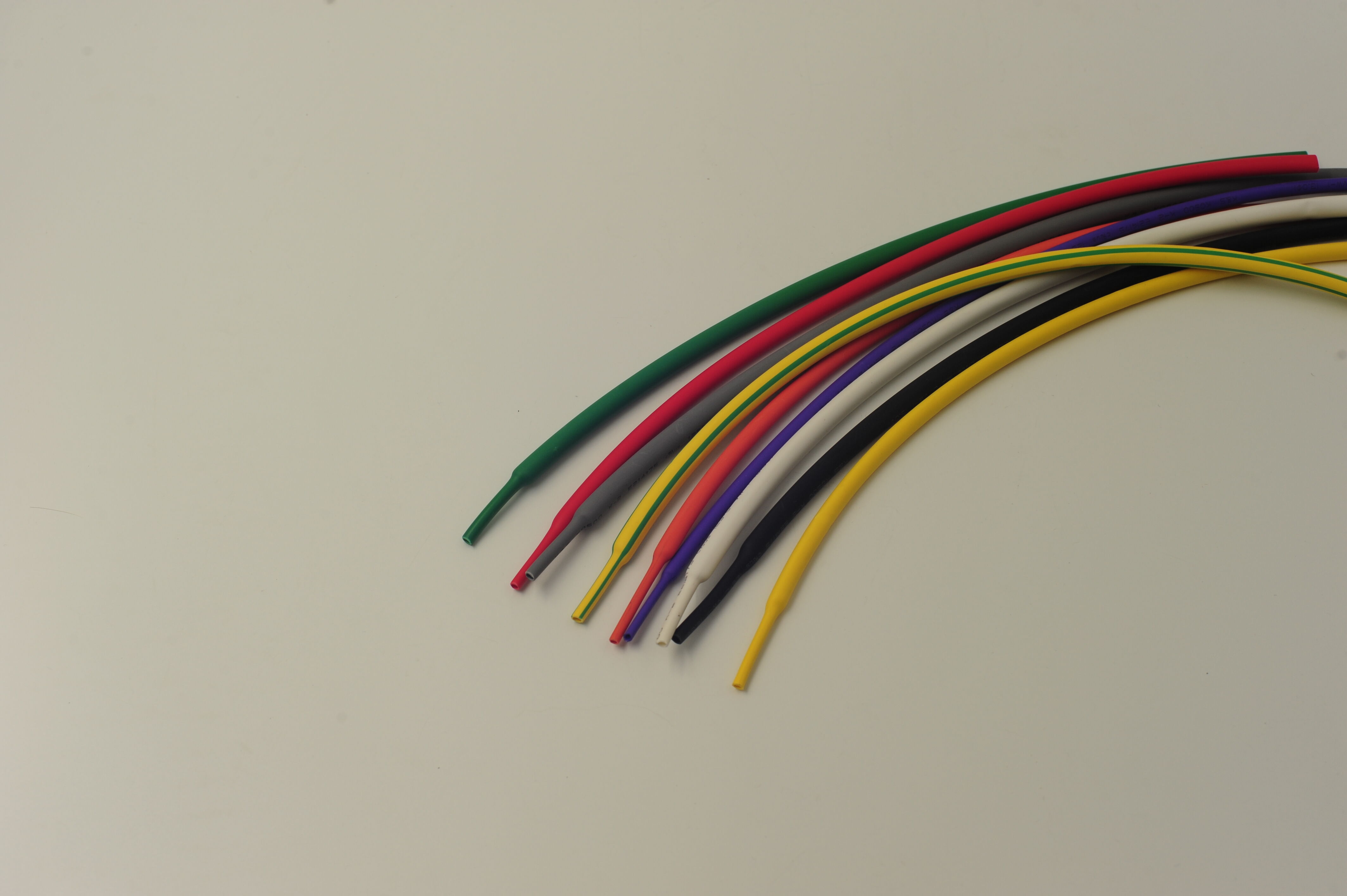
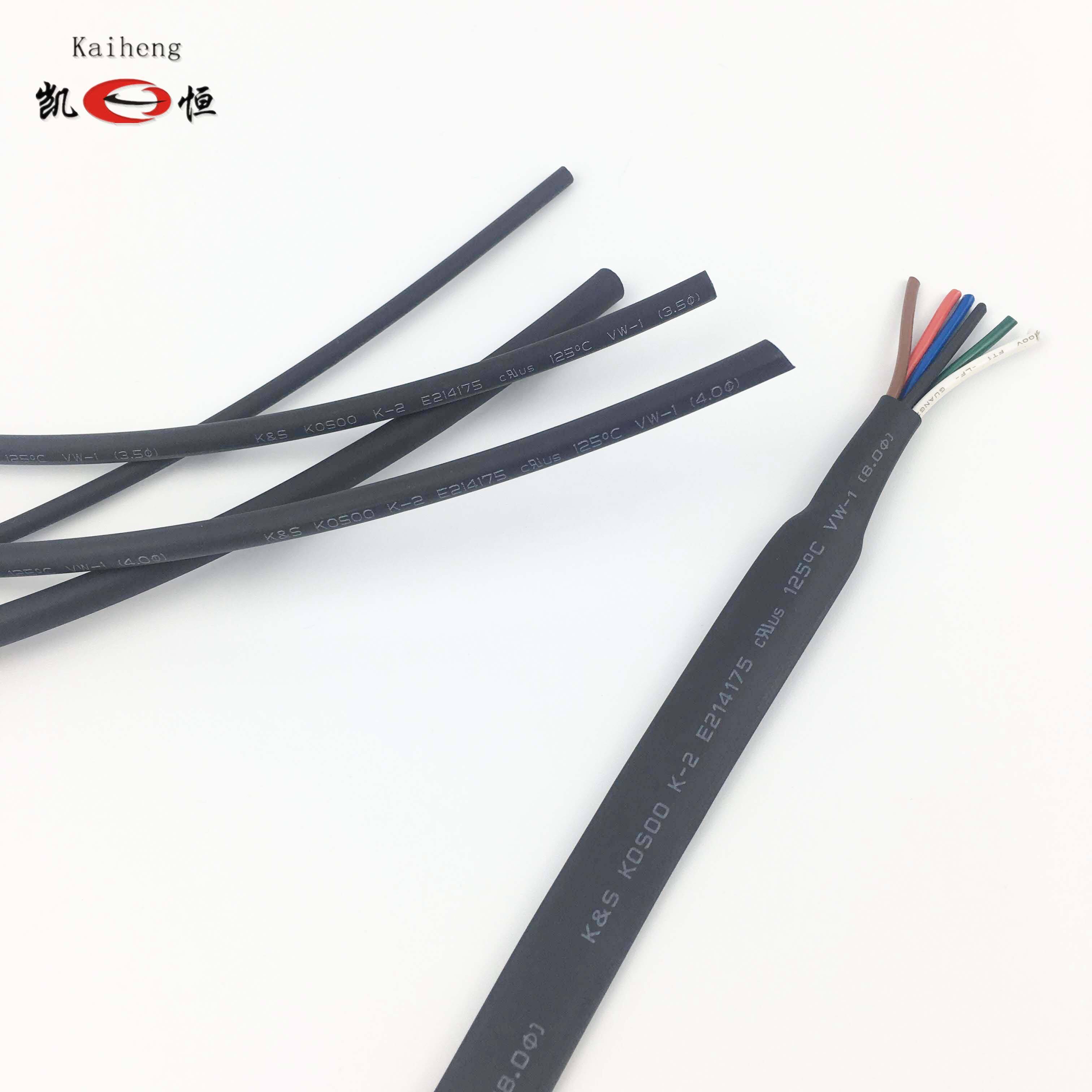
A heat shrink tubing manufacturer specializes in producing advanced polymer-based protective solutions that contract when exposed to controlled heat sources. These specialized companies design and manufacture tubular materials using various thermoplastic compounds, including polyolefin, fluoropolymer, and elastomeric materials. The primary function of these manufacturers involves creating protective sleeves that provide insulation, strain relief, and environmental protection for electrical connections, cable assemblies, and mechanical components across diverse industries. Modern heat shrink tubing manufacturer facilities employ sophisticated extrusion processes, precise temperature control systems, and quality assurance protocols to ensure consistent product performance. The technological features integrated into manufacturing processes include multi-layer co-extrusion capabilities, cross-linking radiation treatment, and specialized additive incorporation for enhanced performance characteristics. These manufacturers typically offer extensive product ranges with varying shrink ratios, operating temperatures, and specialized properties such as flame retardancy, chemical resistance, and UV stability. Applications span across automotive wiring harnesses, aerospace cable protection, telecommunications infrastructure, marine electronics, military equipment, and consumer electronics manufacturing. A reputable heat shrink tubing manufacturer maintains strict quality control standards, implementing rigorous testing procedures for dimensional stability, shrink performance, electrical properties, and environmental resistance. The manufacturing process involves polymer selection, compounding, extrusion, cross-linking treatment, and final quality inspection to deliver products meeting international standards such as UL, CSA, and military specifications. These companies often provide custom solutions, working closely with engineers to develop specialized formulations for unique applications requiring specific performance criteria, temperature ranges, or regulatory compliance requirements.

 EN
EN